Scherf van een bord uit V.O.C.-schip de 'Witte Leeuw' — History & Facts
When did color learn to lie? The vibrant hues and intricate patterns of ceramics often offer a façade of beauty that belies their deeper significance. Focus on the deep cobalt blue at the center, rich and inviting, inviting your eyes to dance across the delicate motifs. Notice how the swirling designs tell stories of maritime journeys, with waves crashing against the vessel's hull, each brushstroke a testament to the craftsmanship of the era. The white background serves as a canvas, amplifying these colors, drawing your attention to the juxtaposition between the serene surface and the tumultuous tales of trade and exploration it represents. Within this fragment lies a narrative of cultural exchange and the complexities of colonialism.
The use of color not only celebrates aesthetic beauty but also reflects the intricate web of connections between the East and West during the age of exploration. The piece encapsulates both the wonder of discovery and the underlying tensions of the time—each painted detail hinting at the goods and stories that traveled across oceans, often at great cost. The object was created before 1613, likely by an unknown artisan in the Netherlands during a period when the Dutch East India Company was flourishing. Artists of this time were influenced by the trade of exotic goods and the influx of new artistic ideas from Asia, particularly in ceramics.
This fragment serves as a silent witness to a pivotal moment in history, capturing the essence of an era characterized by innovation, exploration, and the complex interplay of cultures.
More Artworks by Unknown Artist
Browse all →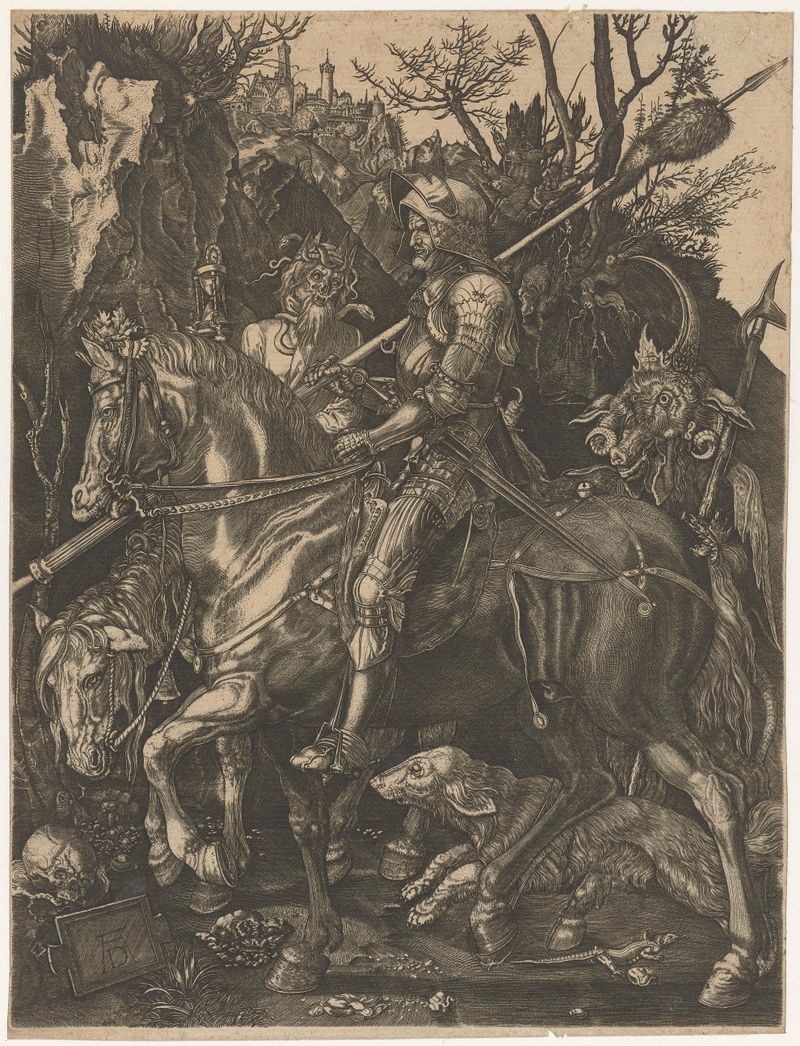
Ridder, Dood en Duivel
Unknown Artist
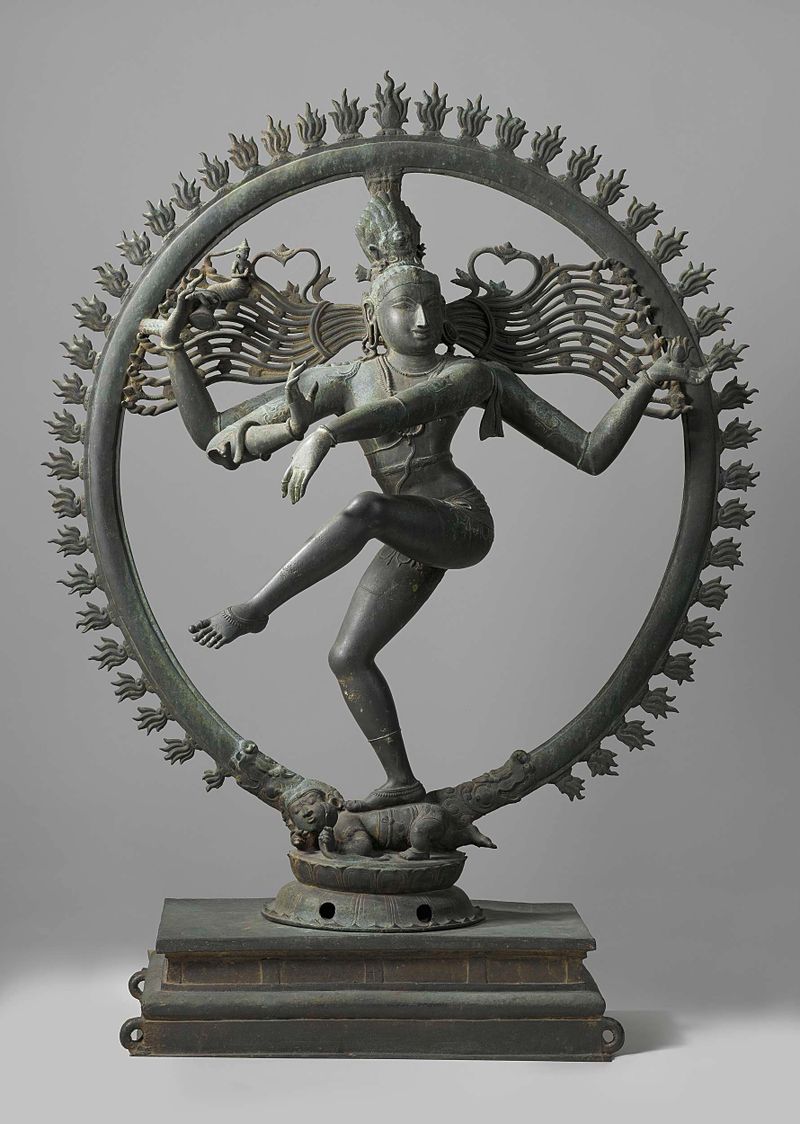
Shiva Nataraja
Unknown Artist
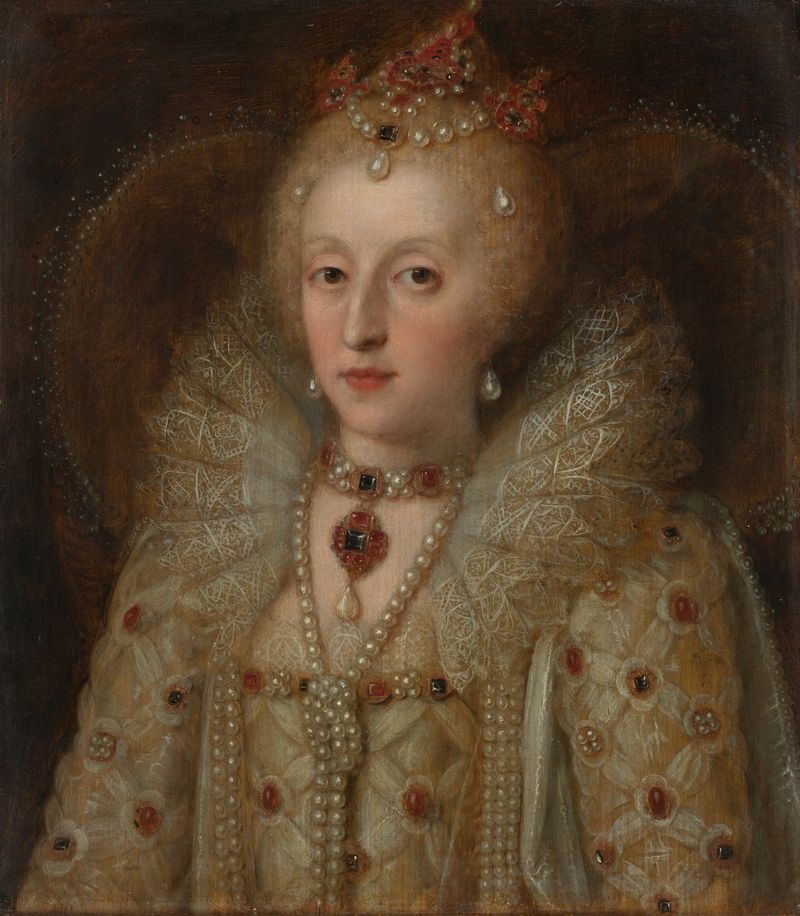
Portrait of Elizabeth I, Queen of England
Unknown Artist
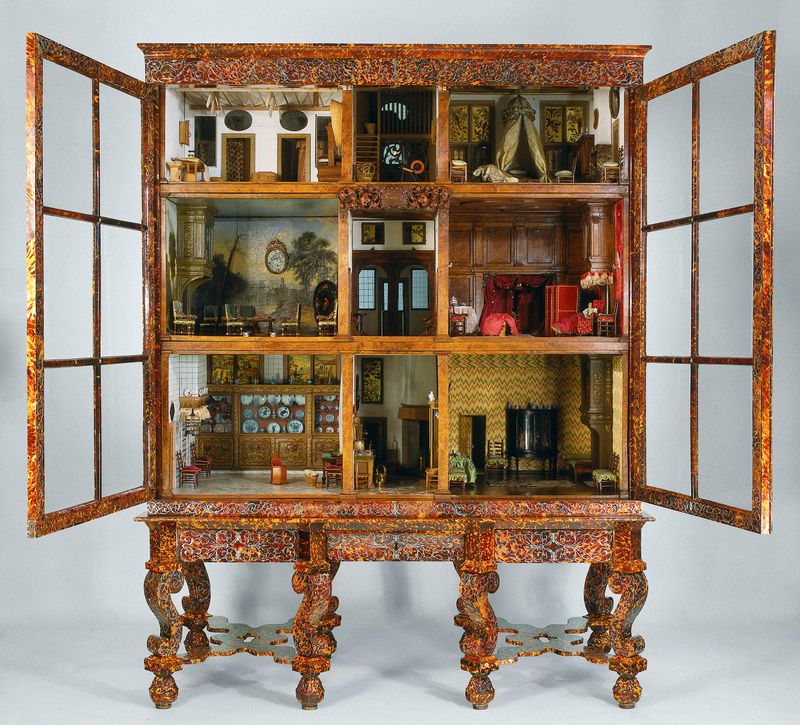
Dolls’ house of Petronella Oortman
Unknown Artist
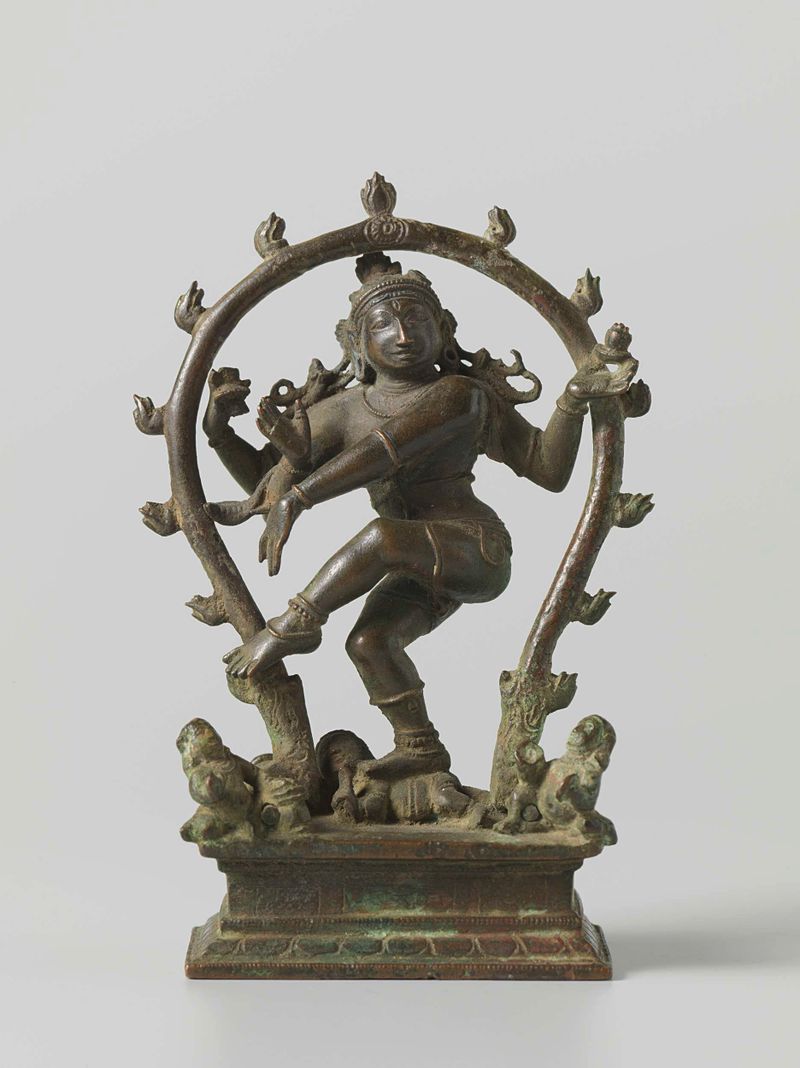
Shiva Nataraja
Unknown Artist

The Tale of Genji
Unknown Artist

The Tale of Genji
Unknown Artist
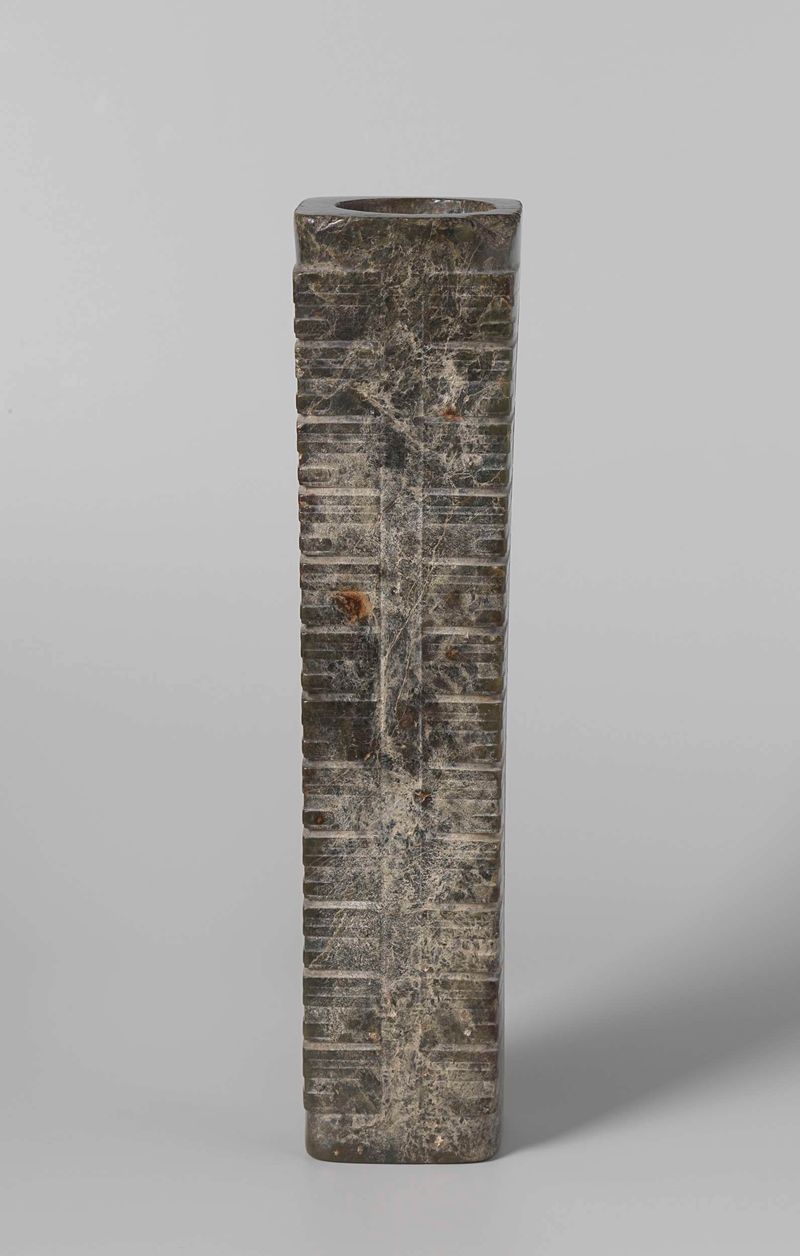
Cong
Unknown Artist
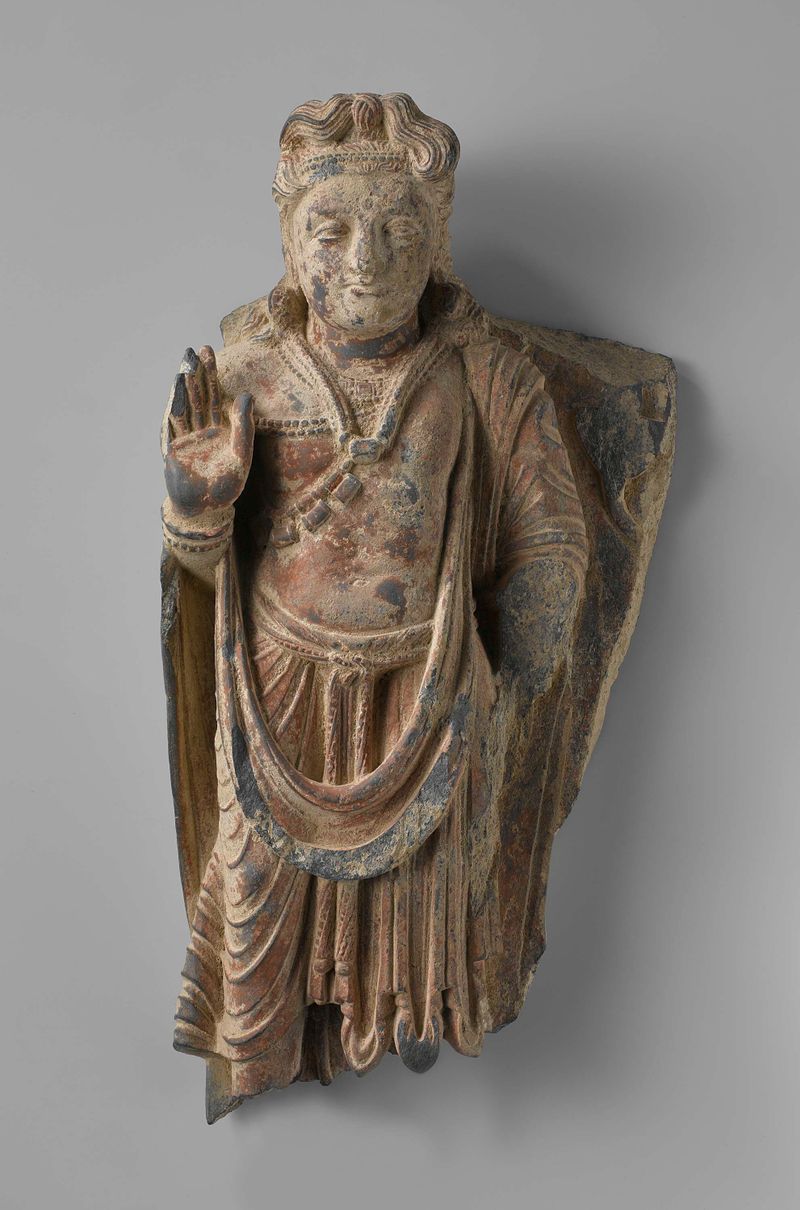
The bodhisattva Maitreya
Unknown Artist
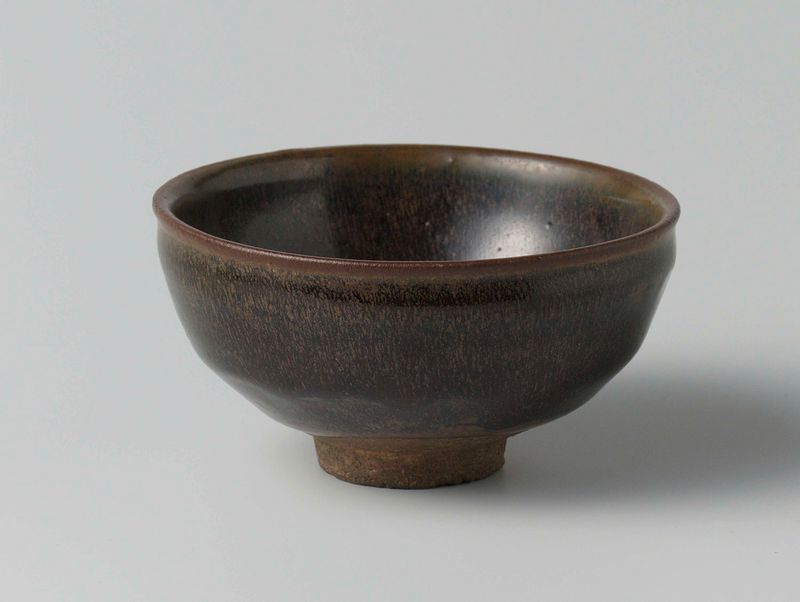
Teabowl with a 'hare's fur' glaze
Unknown Artist