Scherven aardewerk en steengoed uit V.O.C.-schip de 'Witte Leeuw' — History & Facts
What if beauty was never meant to be finished? In the delicate fragments of ceramics and stoneware from the Dutch East India Company ship Witte Leeuw, we find remnants of a world both lost and preserved, calling into question the very essence of art and existence. Look closely at the shards scattered across the canvas. Each piece, with its unique glaze and texture, beckons the viewer to explore the intricate patterns that once told stories of distant lands and trade. The subtle interplay of cobalt blues and earthy tones evokes a sense of nostalgia, while the uneven edges remind us of the passage of time that inevitably alters even the most treasured objects.
The composition, seemingly random, creates a rhythm that guides the eye, inviting a deeper engagement with the fragmented beauty laid before us. The broken pottery pieces speak to the fragility of cultural exchange and the impermanence of life. Each shard, while incomplete, hints at the grandeur of its fully realized form, suggesting that beauty resides not only in wholeness but also in the gaps and spaces left behind. The juxtaposition of the polished and the rough surfaces illustrates the inherent tension between functionality and artistry, urging us to reconsider our definitions of worth and completeness. Created before 1613, this work emerges from a period of heightened maritime exploration and trade.
The artists behind these ceramic remnants were likely influenced by the growing interests in global cultures as the Dutch sought to expand their economic reach. In a world that was rapidly changing, the fragments remind us of both the richness of human creativity and the inevitable decay that follows, encapsulating an era that laid the groundwork for modern artistic pursuits.
More Artworks by Unknown Artist
Browse all →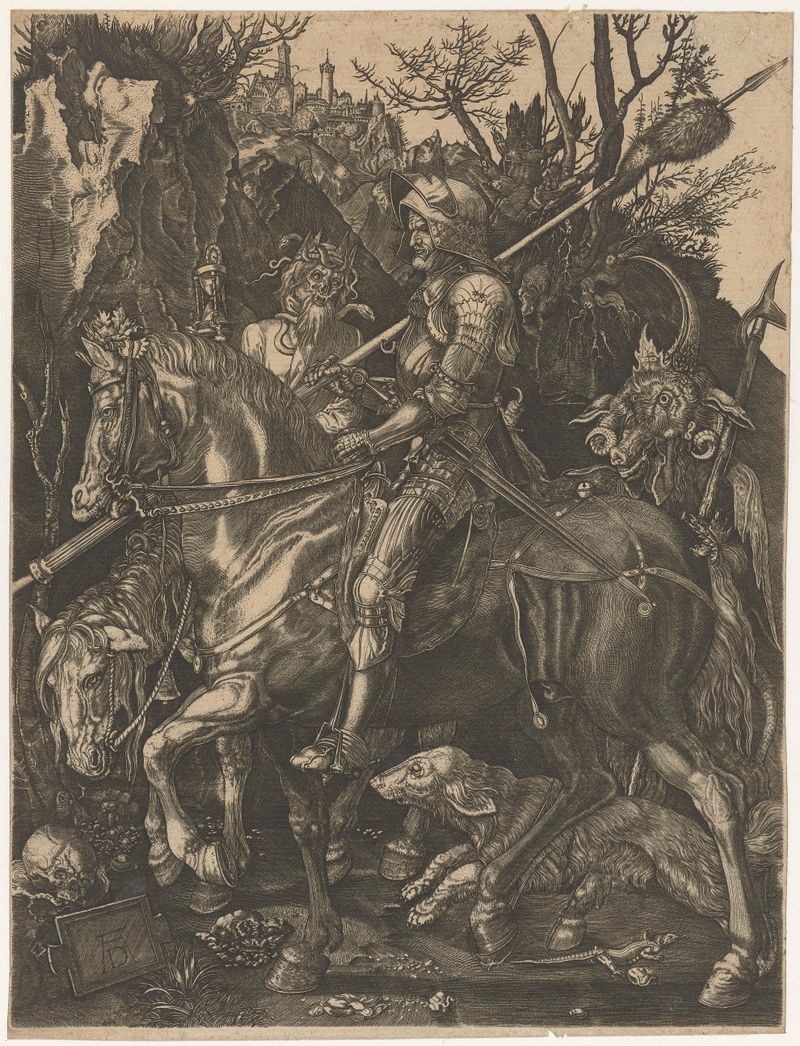
Ridder, Dood en Duivel
Unknown Artist
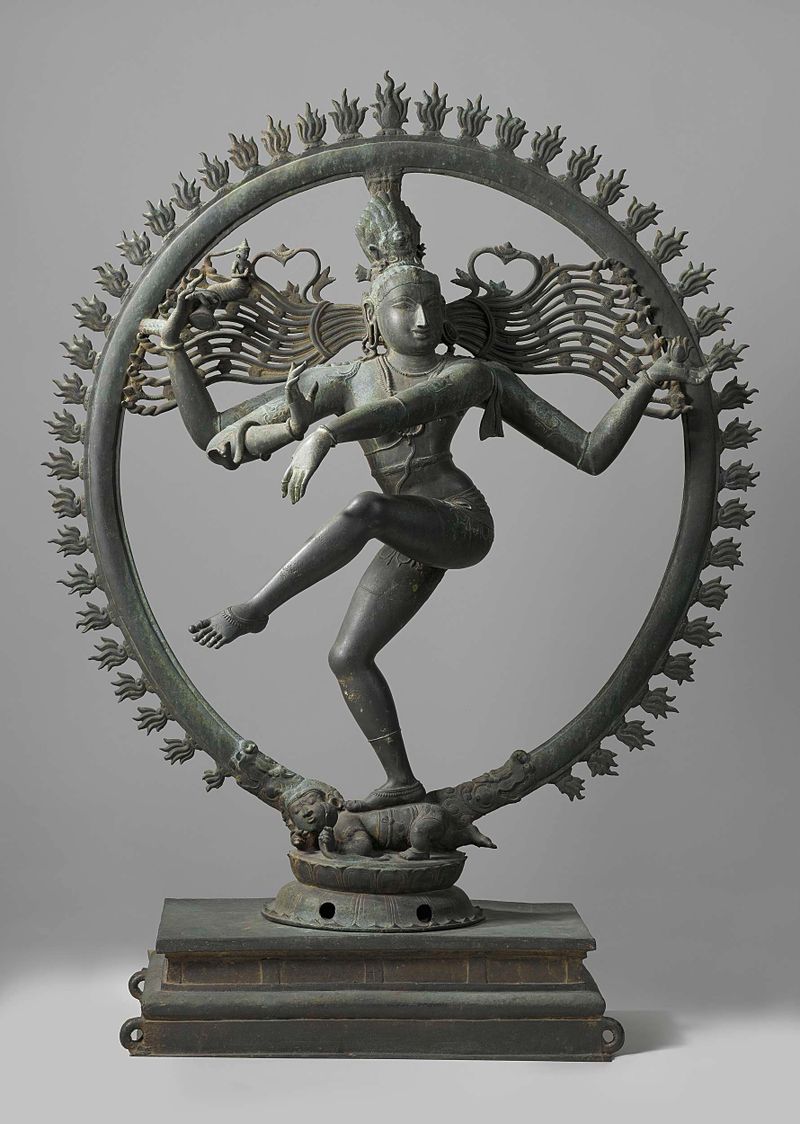
Shiva Nataraja
Unknown Artist
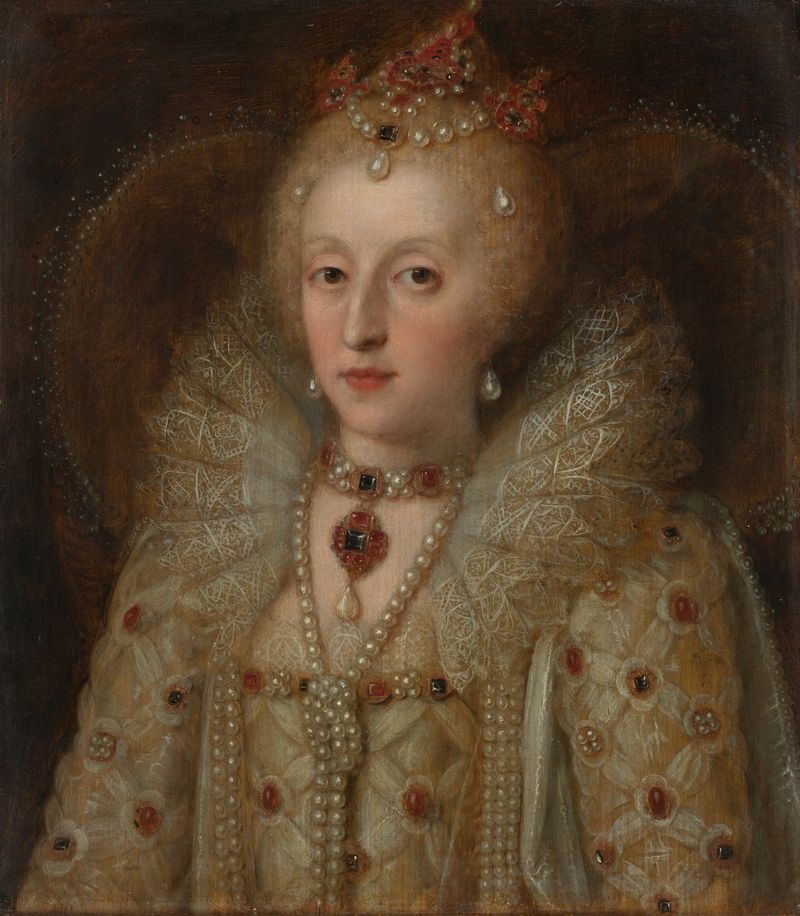
Portrait of Elizabeth I, Queen of England
Unknown Artist
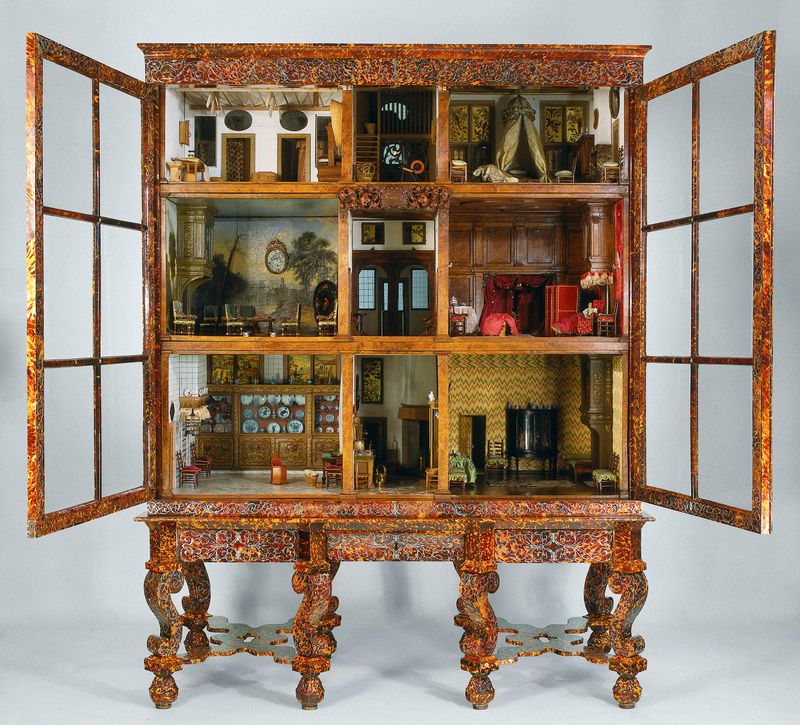
Dolls’ house of Petronella Oortman
Unknown Artist
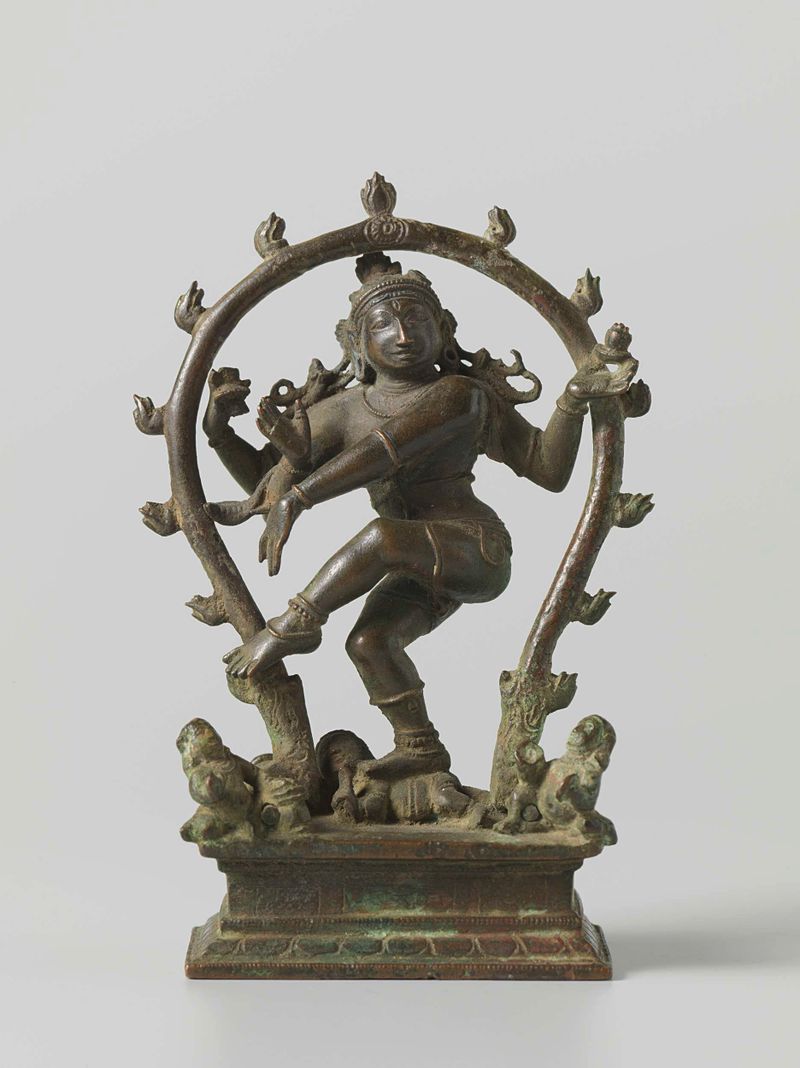
Shiva Nataraja
Unknown Artist

The Tale of Genji
Unknown Artist

The Tale of Genji
Unknown Artist
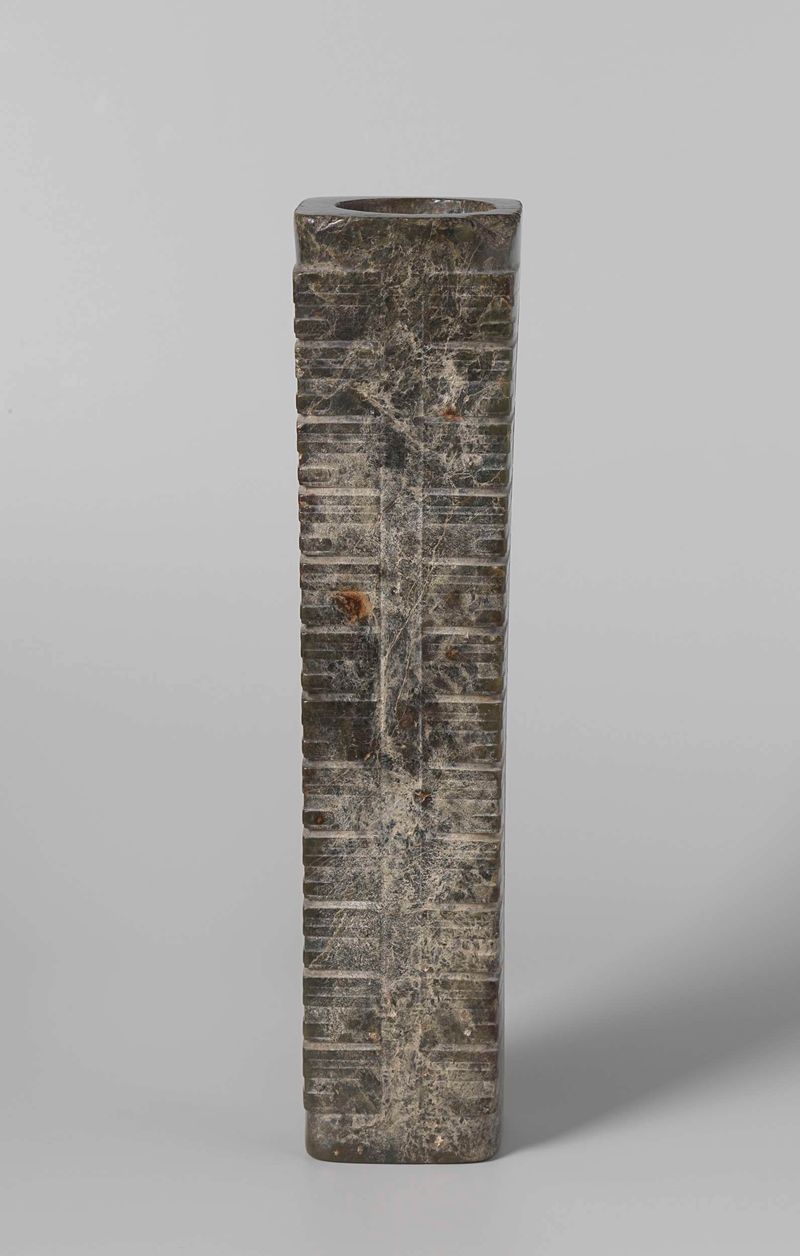
Cong
Unknown Artist
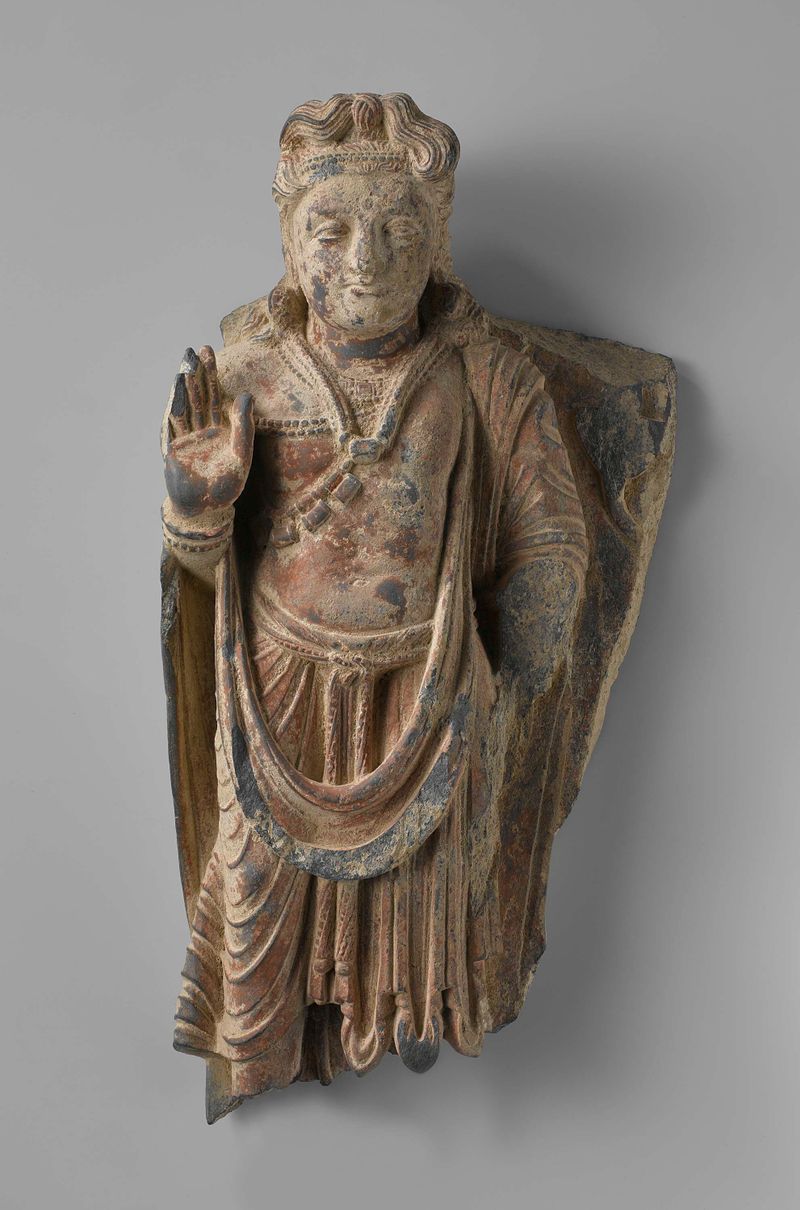
The bodhisattva Maitreya
Unknown Artist
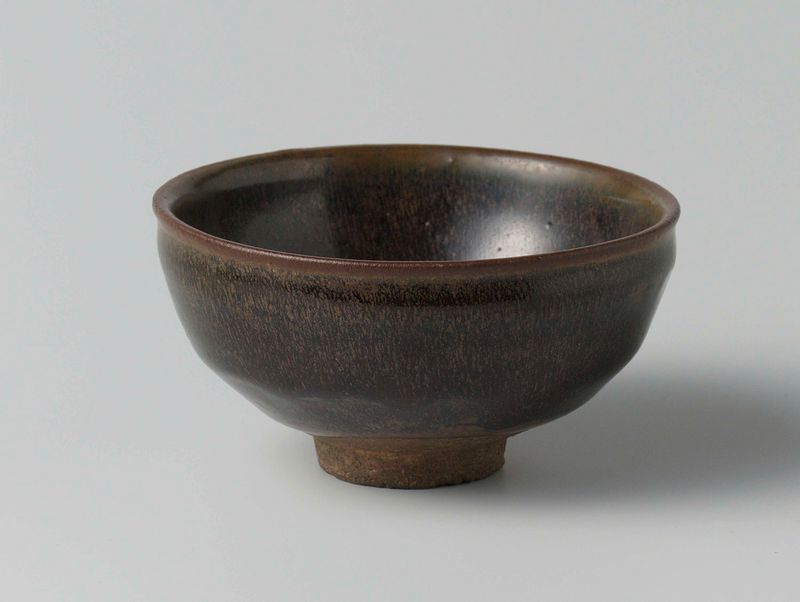
Teabowl with a 'hare's fur' glaze
Unknown Artist