Scherven van een bord uit V.O.C.-schip de 'Witte Leeuw' — History & Facts
Did the painter know this moment would outlive them? In the shards of a once-proud plate, we glimpse not just fragments of porcelain, but echoes of resilience and transformation. Look closely at the vibrant blue motifs that dance across the ceramic, capturing the delicate interplay of light and shadow within each piece. The intricate designs, remnants of the Dutch East India Company’s voyages, draw the eye inwards, inviting contemplation on their origins and the stories they once held. The subtle variations in hue reflect the journey these fragments have endured, from shipwreck to land, each crack and chip a testament to their survival against the tempests of time. The juxtaposition of fragility and endurance emerges vividly in this work.
Each shard is a reminder of beauty lost yet reborn, embodying a history steeped in exploration and trade. The absence of a complete form hints at the impermanence of material possessions, while simultaneously celebrating the enduring nature of artistic expression. These pieces, once part of a cohesive whole, now tell a story of fragmentary beauty, serving as a metaphor for the cyclical patterns of creation and destruction. This artwork likely emerged in a period rich with discovery and transformation.
Before 1613, during the height of the Dutch Golden Age, the maker existed amidst a burgeoning trade network that connected Europe with Asia. The objects crafted at this time were often infused with meanings that transcended their physical forms, reflecting the dynamic interplay of culture and commerce that defined the era. The artist’s identity may remain unknown, yet their contribution to this dialogue of rebirth lives on.
More Artworks by Unknown Artist
Browse all →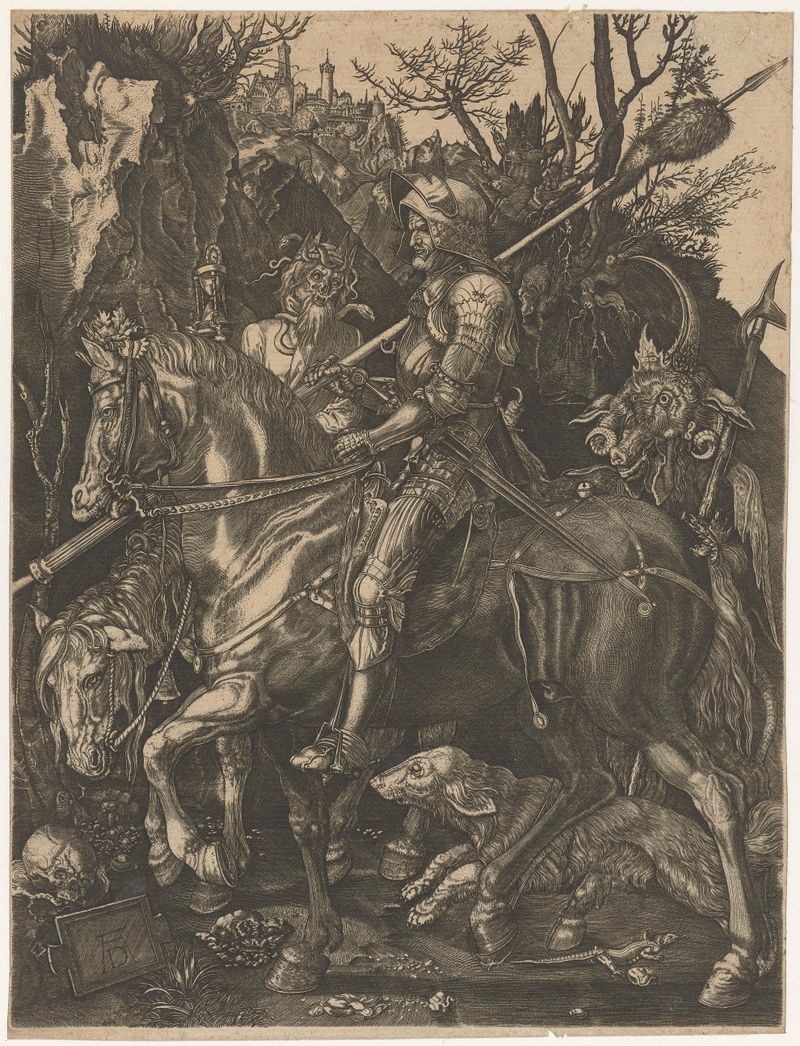
Ridder, Dood en Duivel
Unknown Artist
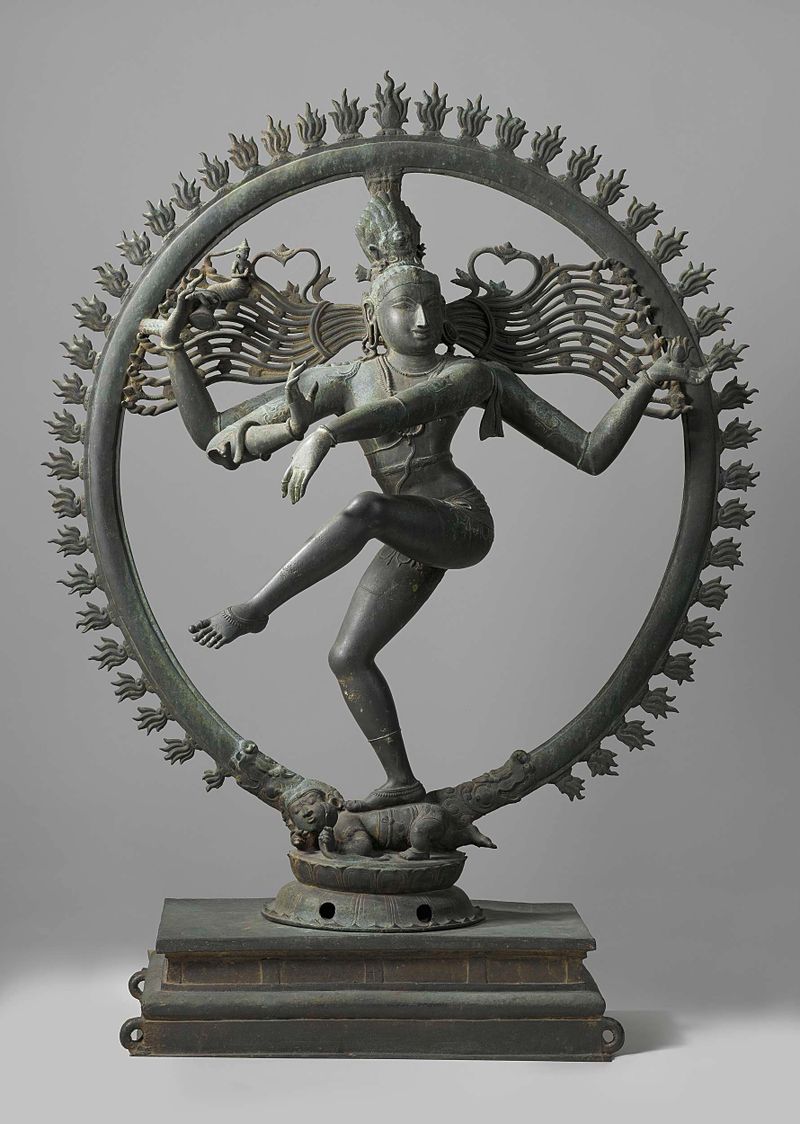
Shiva Nataraja
Unknown Artist
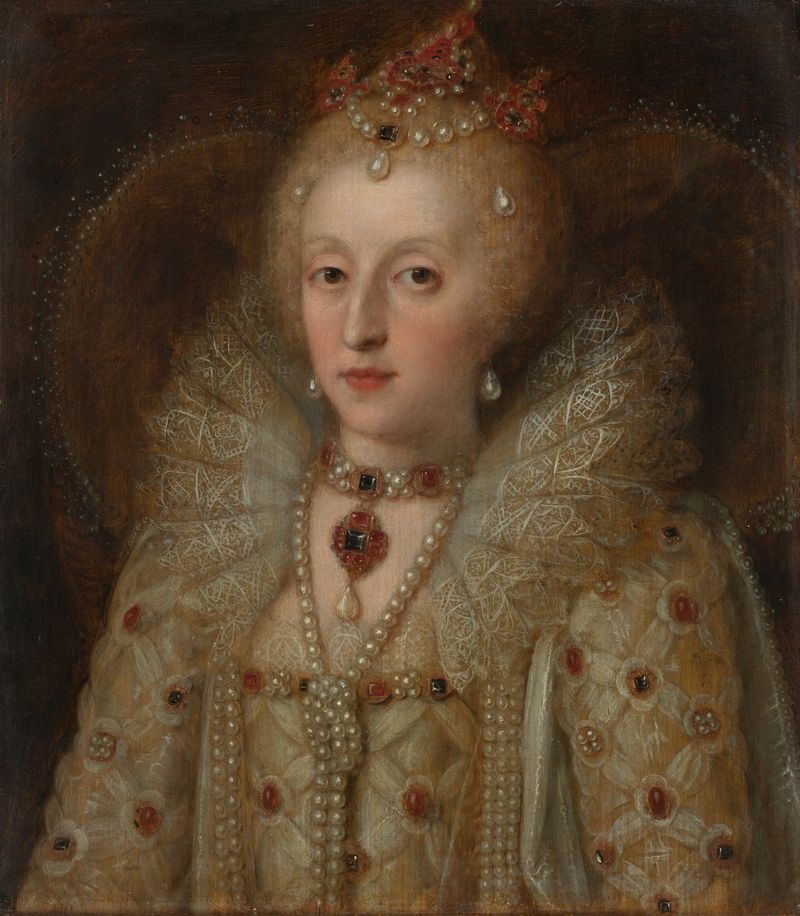
Portrait of Elizabeth I, Queen of England
Unknown Artist
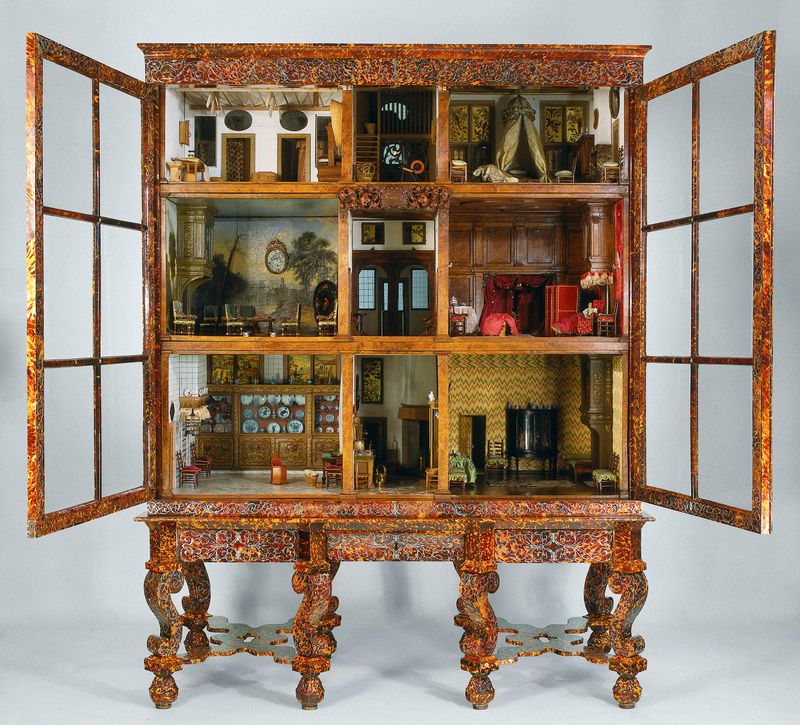
Dolls’ house of Petronella Oortman
Unknown Artist
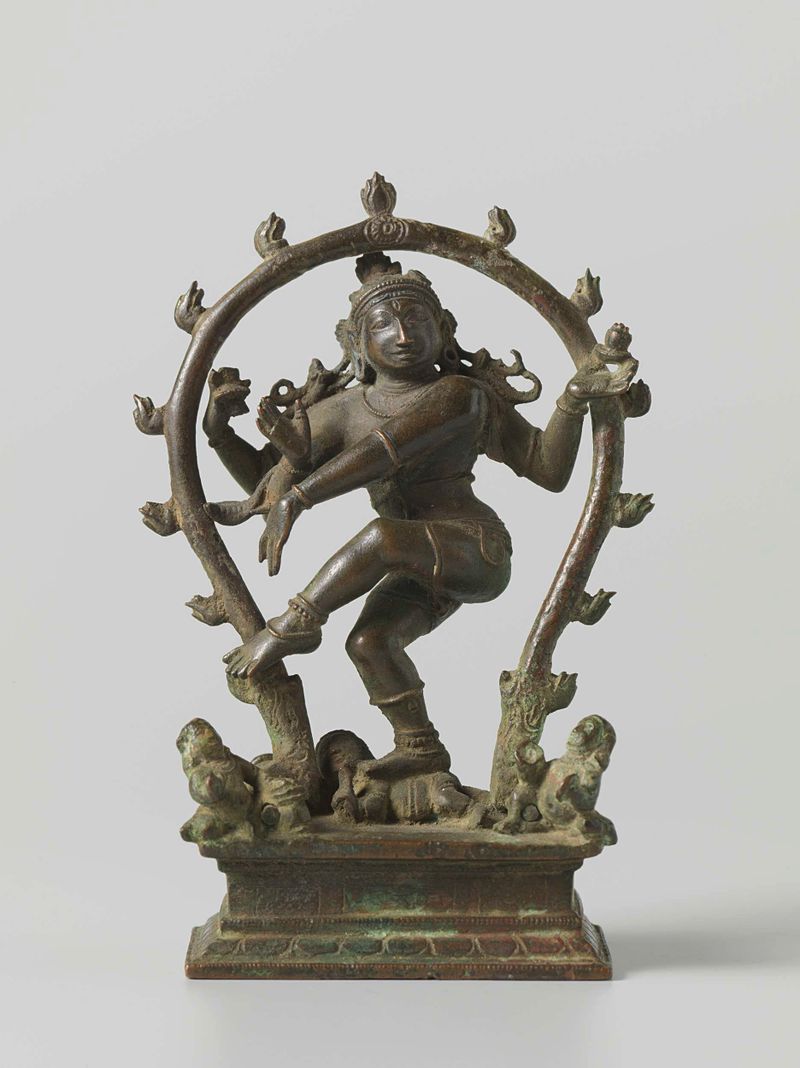
Shiva Nataraja
Unknown Artist

The Tale of Genji
Unknown Artist

The Tale of Genji
Unknown Artist
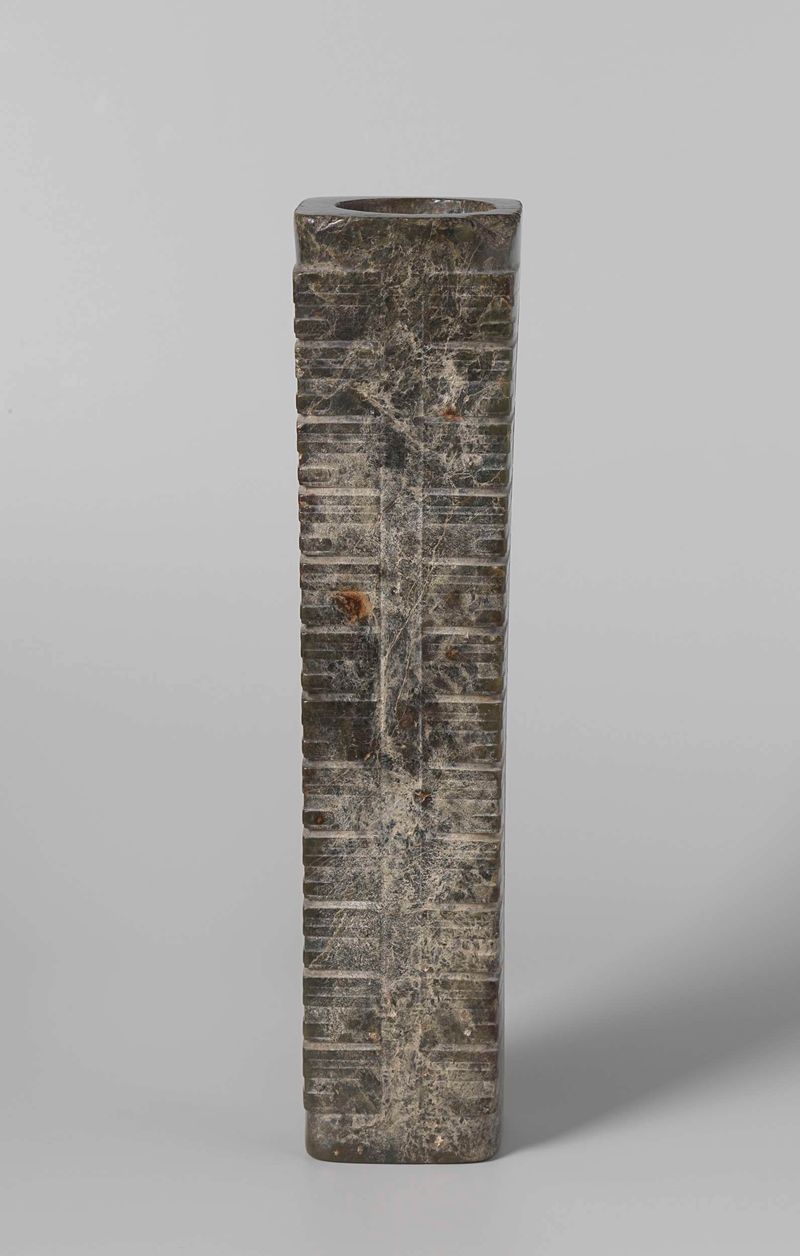
Cong
Unknown Artist
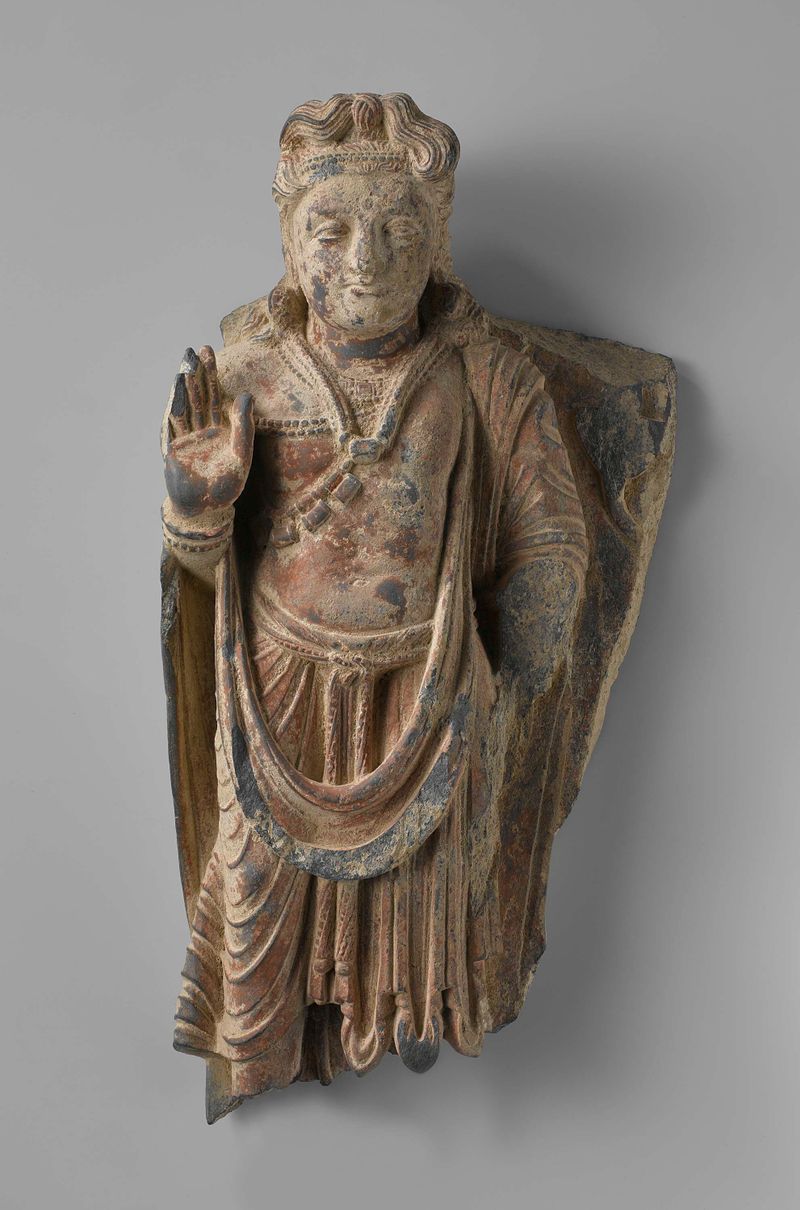
The bodhisattva Maitreya
Unknown Artist
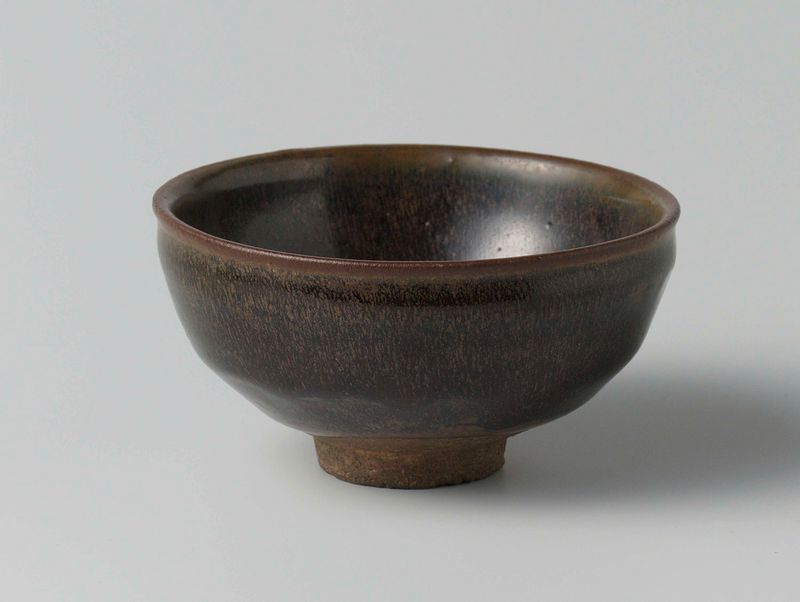
Teabowl with a 'hare's fur' glaze
Unknown Artist