
Schloss Bremgarten und Zehndermätteli bei Bern — History & Facts
Can beauty exist without sorrow? In the reflective splendor of a serene landscape, the echoes of grief linger just beneath the surface, reminding us that every painted scene tells a story of both joy and loss. Look to the left at the gentle curve of the river, shimmering with soft hues of blue and green. Notice how the artist captures the light filtering through the trees, casting dappled shadows that dance across the water, creating a tranquil yet haunting atmosphere. The architecture of Schloss Bremgarten stands proud yet distant, a testament to history’s weight, while the wildflowers in the foreground offer a vibrant contrast, inviting the viewer to explore the duality of nature’s beauty and the passage of time. The interplay of light and shadow not only emphasizes the idyllic landscape but also suggests an underlying tension—the struggle between permanence and transience.
The castle, with its solid form, evokes a sense of stability, while the ephemeral blossoms nod to life's fragility. Each stroke reveals a story of resilience, as the viewer is led to contemplate the bittersweet connection between the natural world and human emotion. Painted between 1915 and 1945, this work emerged during a period of both personal and global turmoil for the artist. As Europe faced the harrowing effects of war and societal change, Wyss sought refuge in the pastoral beauty of his homeland.
This landscape, imbued with layers of significance, mirrors the emotional landscape of a world grappling with loss and healing through artistry.
More Artworks by Caspar Leontius Wyss
Browse all →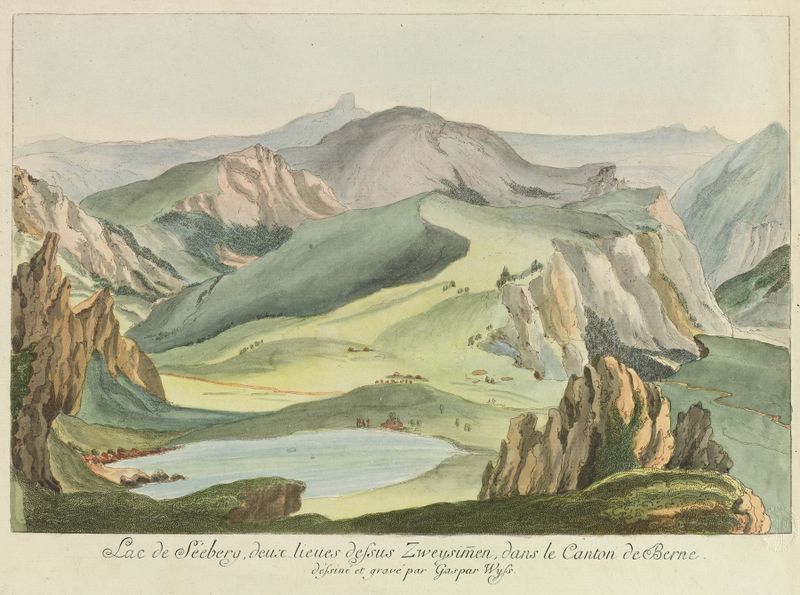
Lac de Séeberg, deux lieues dessus Zweysimmen, dans le Canton de Berne
Caspar Leontius Wyss

La Ville de Neuchattell du Cotte de l’Orient
Caspar Leontius Wyss
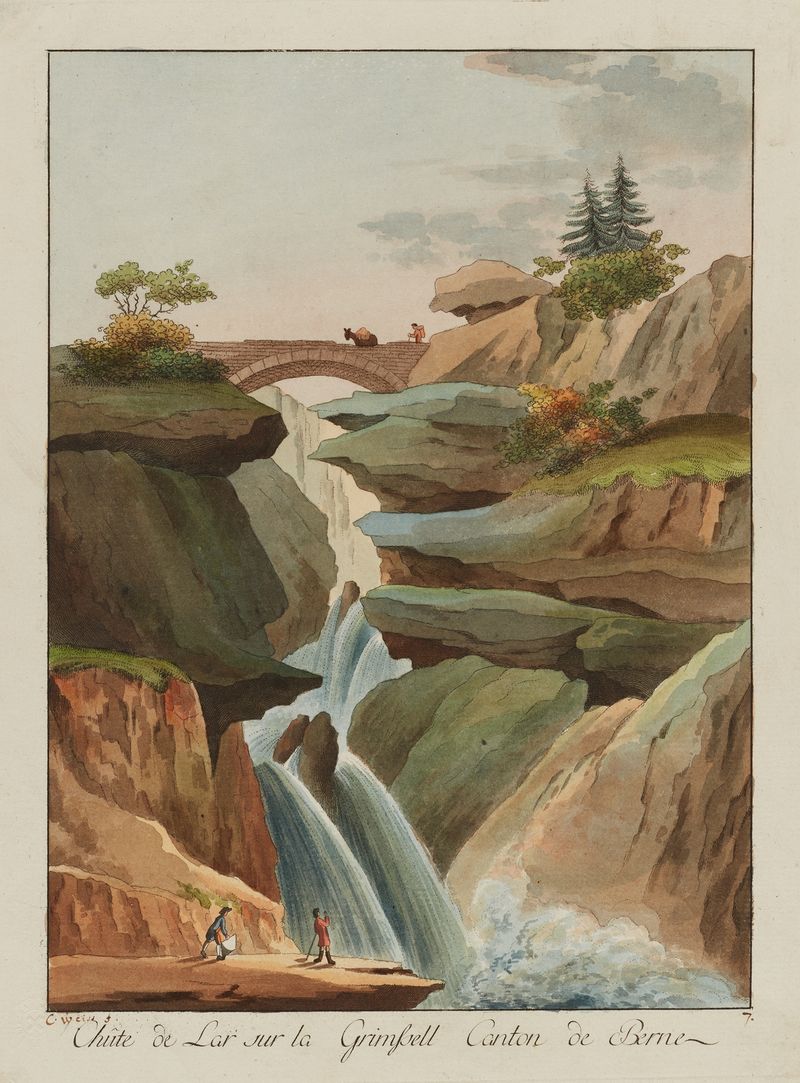
Chûte de lar sur la Grimssel Canton de Bern
Caspar Leontius Wyss
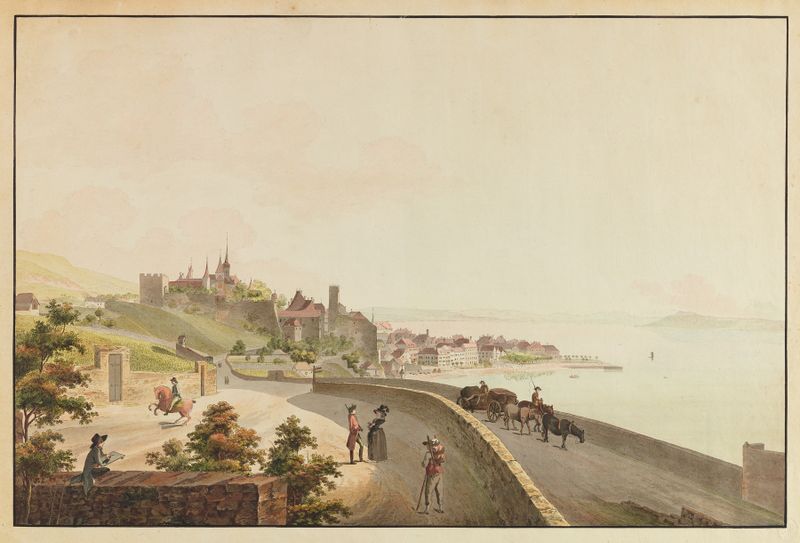
La Ville de Neuchattell du Cotte de L’Occident
Caspar Leontius Wyss
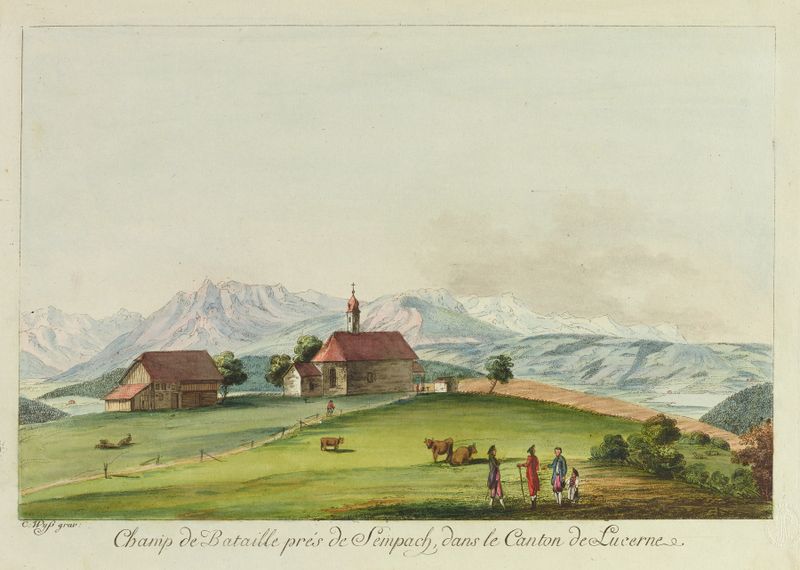
Champ de Bataille prés de Sempach, dans le Canton de Lucerne
Caspar Leontius Wyss

Maison de Paisan, dans une Caverne, prés de Thorberg, dans le Canton de Berne
Caspar Leontius Wyss
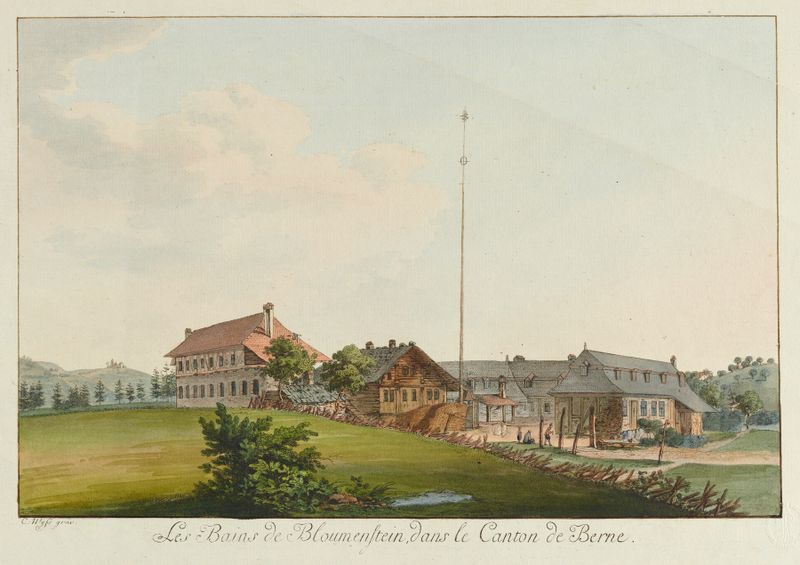
Les Bains de Bloumenstein, dans le Canton de Berne
Caspar Leontius Wyss

La Caverne de Dragon près Stanz, Canton d’Unterwalden
Caspar Leontius Wyss
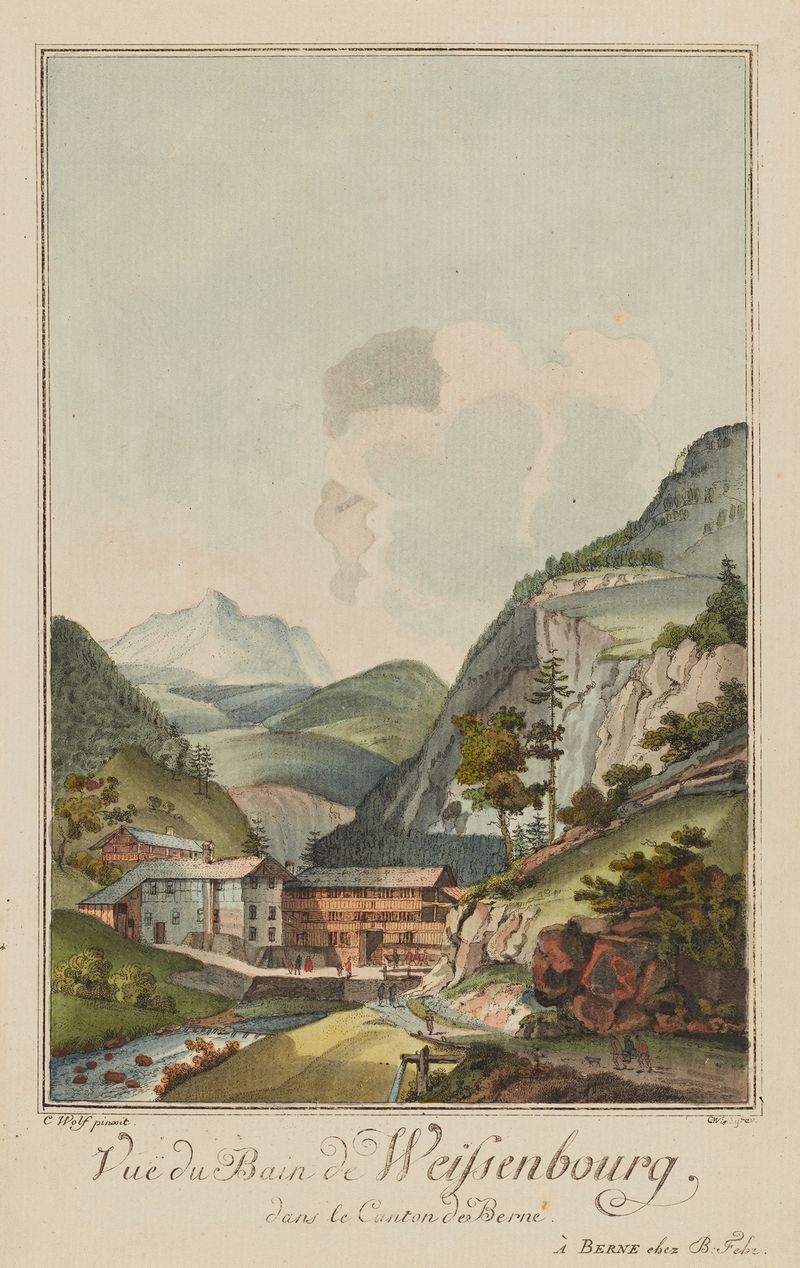
Vuë du Bain de Weissenbourg dans le Canton de Berne
Caspar Leontius Wyss
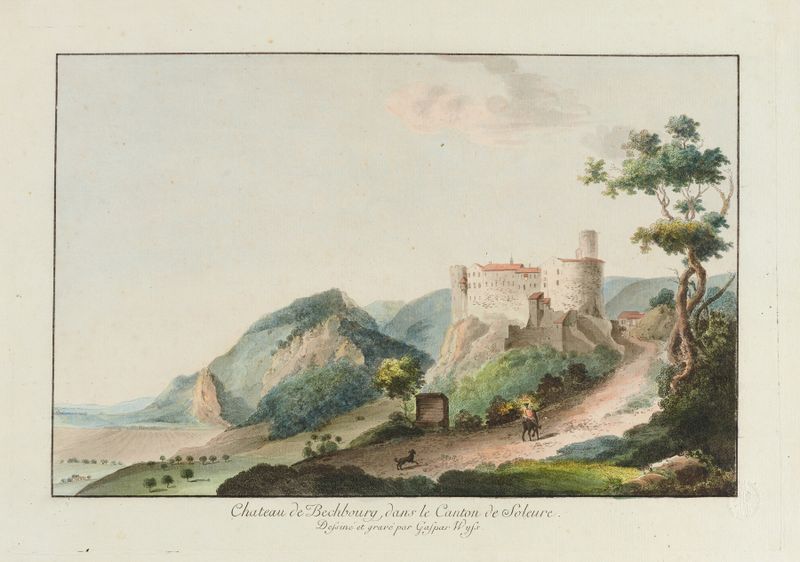
Chateau de Bechbourg, dans le Canton de Soleure
Caspar Leontius Wyss





