
Self-portrait in a fur cap: bust — History & Facts
When did color learn to lie? In a world where hues mask the truth, the fragility of identity is laid bare through the gaze of a solitary figure. The richness of a fur cap juxtaposes against a soft, almost translucent complexion, hinting at the complexities of self-perception and the artifice of appearance. Focus on the deep, velvety browns and delicate whites that intertwine in the luscious fur of the cap, drawing your eyes first to its texture. Notice how the light tenderly caresses the figure’s face, illuminating the gentle contours and highlighting the subtle expressions that speak volumes of introspection.
The stark background serves as a silent witness, amplifying the presence of the figure and inviting you to linger on the craftsmanship of the lines and shadows that define character. Within this self-portrait lies a tapestry of emotional contradictions. The fur cap, a symbol of status and confidence, contrasts sharply with the vulnerability reflected in the subject’s eyes, suggesting an internal struggle between self-assurance and insecurity. Each brushstroke whispers secrets of fragility, as the viewer is drawn into a dialogue about the masks people wear and the truths hidden beneath them. In 1758, Claude Henri Watelet created this work during a period marked by a focus on portraiture that emphasized both status and personal identity.
Living in France, Watelet was part of an artistic circle that sought to capture the essence of individuals while reflecting the complexities of the human condition amid shifting cultural landscapes. This moment in art history was characterized by a delicate balance of realism and emotional depth that Watelet expertly navigated.
More Artworks by Claude Henri Watelet
Browse all →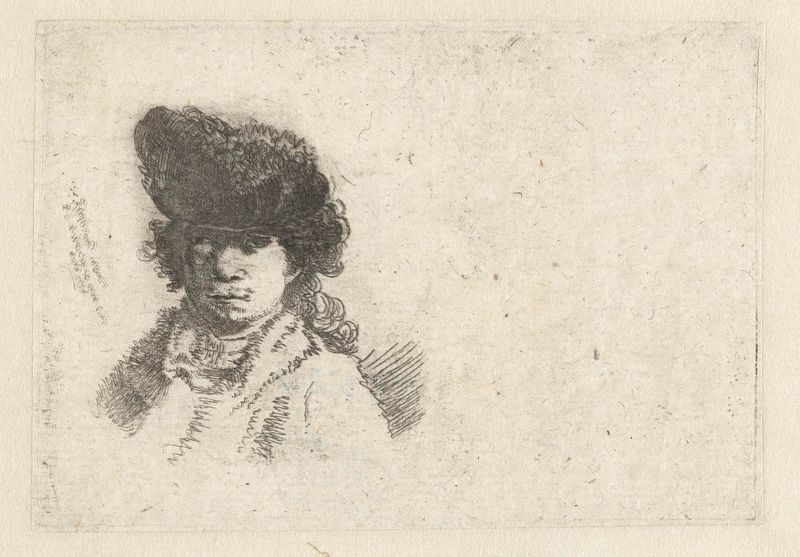
More Portrait Art
Browse all →
Las meninas
Diego Velázquez

Self-portrait with a Bandaged Ear and Pipe
Unidentified artist

Girl with a Pearl Earring
Johannes Vermeer

The Sampling Officials of the Amsterdam Drapers’ Guild, Known as ‘The Syndics’
Rembrandt van Rijn

The Hundred Guilder Print: the man seen on the back in the lower left corner
Rembrandt van Rijn

Portrait of Dr Gachet
Vincent van Gogh