
Self-portrait leaning on a stone sill — History & Facts
Did the painter know this moment would outlive them? A quiet intensity fills the frame, capturing a fleeting instant that seems to echo through time, with every brushstroke hinting at a revolution not just in art, but in the very essence of self-expression. Look to the left, where the figure’s sharp profile emerges from the soft, muted tones of the background. The light gently caresses the stone sill, creating a dynamic contrast between the solid structure and the delicate vulnerability of the artist. Notice the rich, earthy palette that envelops the subject, allowing the face to draw the viewer’s gaze.
The posture, relaxed yet introspective, hints at deep contemplation, as if the artist is reflecting on their role within a world poised for change. As you peer closer, observe the subtleties in the expression—an intriguing mix of confidence and uncertainty. The slight tilt of the head suggests a questioning of identity, while the stone sill symbolizes both permanence and transience. This duality speaks to the broader social currents of the time, where individualism was being redefined against the backdrop of political and artistic upheaval in Europe.
Here lies a testament to the tension between tradition and innovation. This self-portrait was crafted by an unknown artist in the years following 1639, a pivotal period marked by the Baroque movement’s flourish in Europe. Artists were beginning to explore personal identity and emotional depth in their works, signaling a departure from strict conventions. The anonymity of this figure may reflect the universal struggle of artists seeking to establish their voice amid a society rife with change and revolution.
More Artworks by Unknown Artist
Browse all →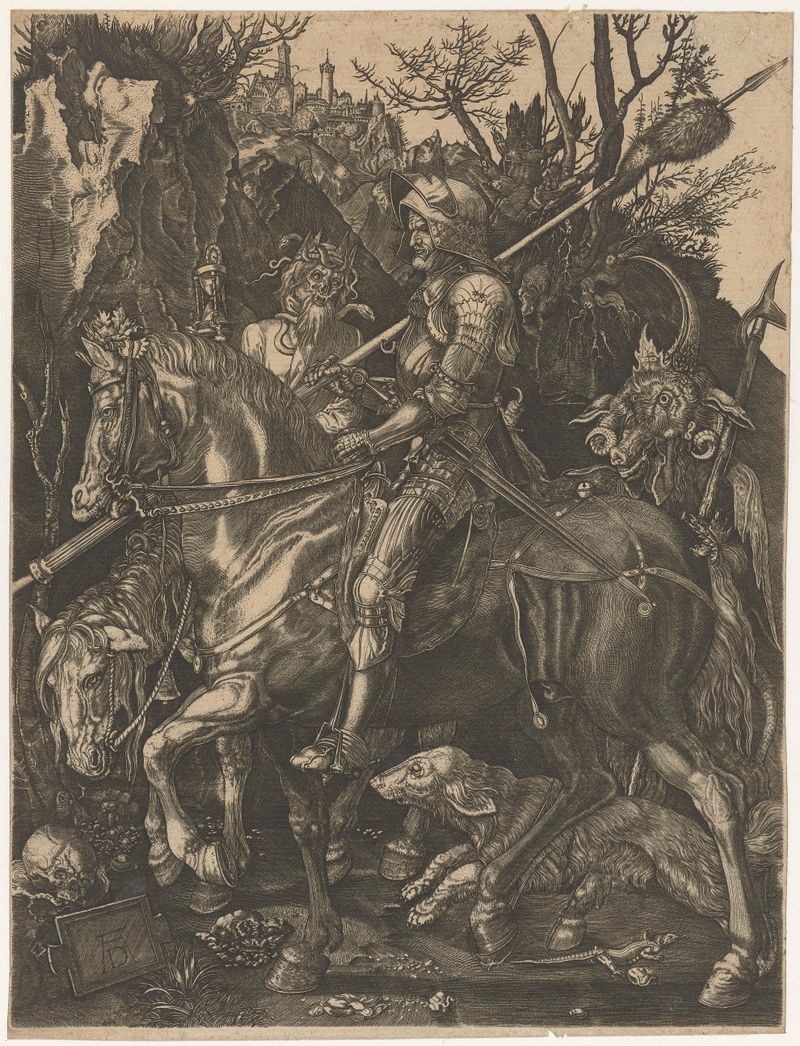
Ridder, Dood en Duivel
Unknown Artist
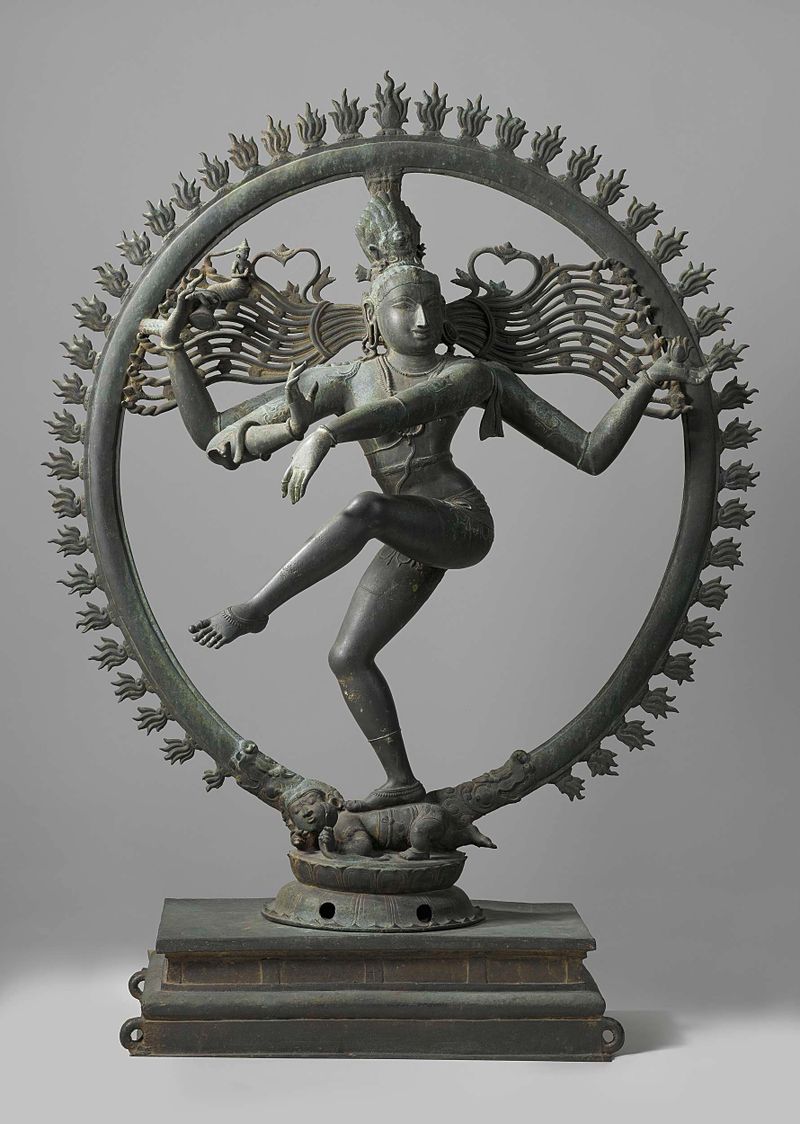
Shiva Nataraja
Unknown Artist
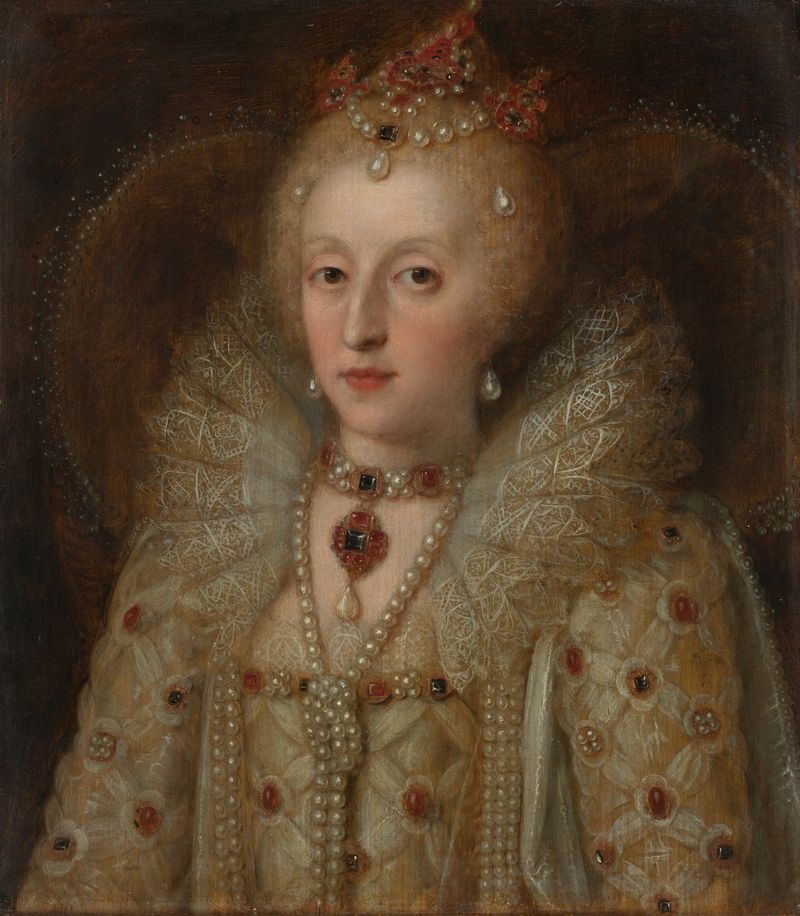
Portrait of Elizabeth I, Queen of England
Unknown Artist
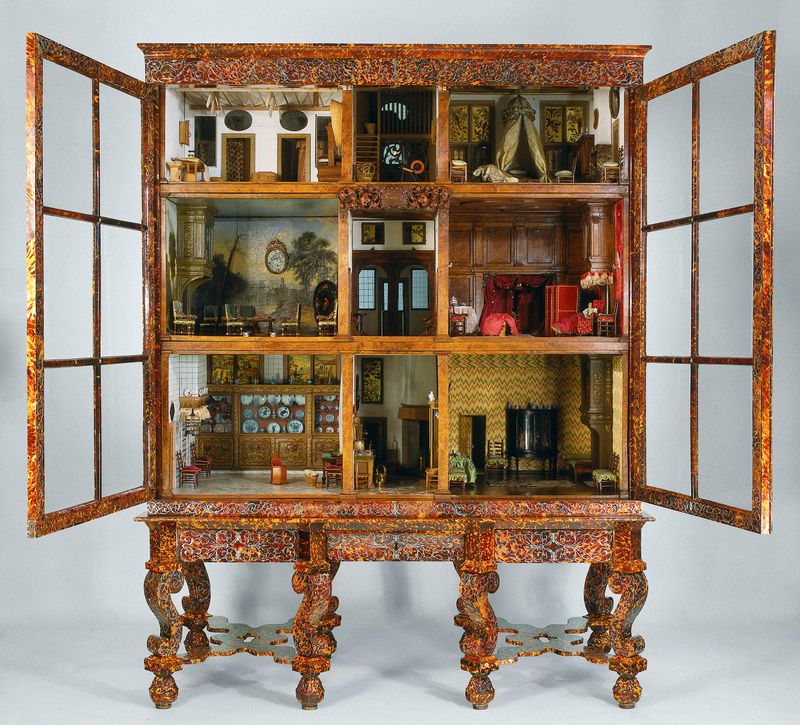
Dolls’ house of Petronella Oortman
Unknown Artist
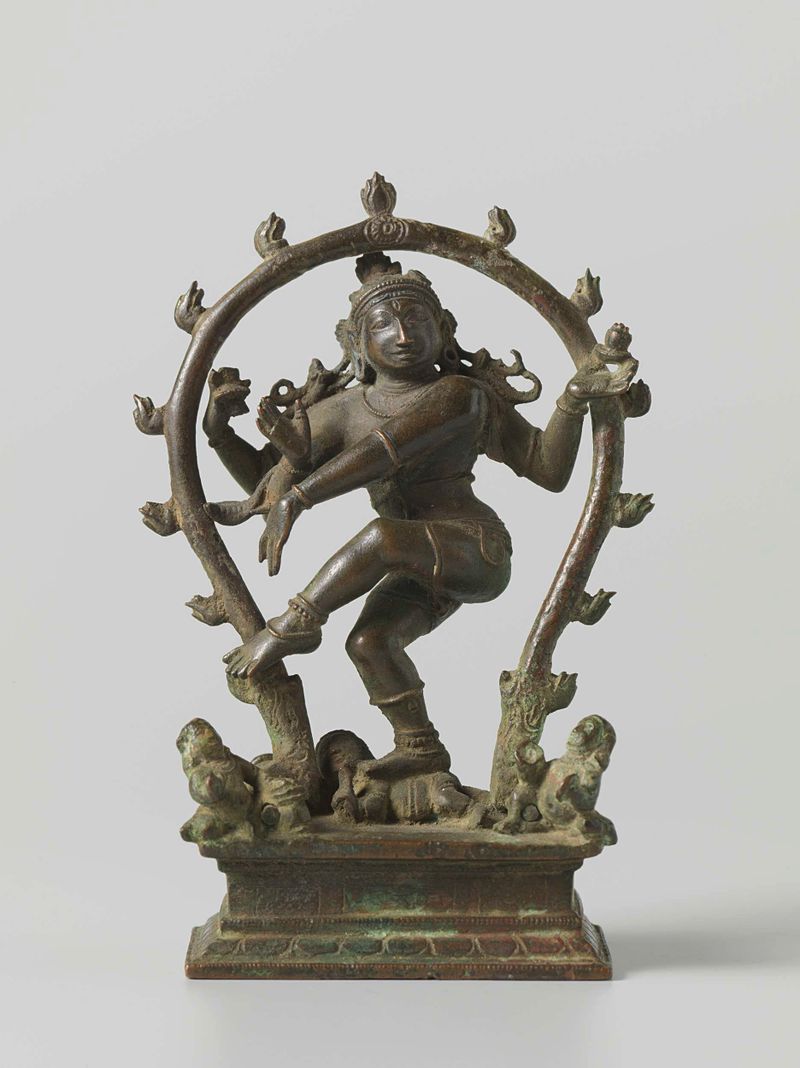
Shiva Nataraja
Unknown Artist

The Tale of Genji
Unknown Artist

The Tale of Genji
Unknown Artist
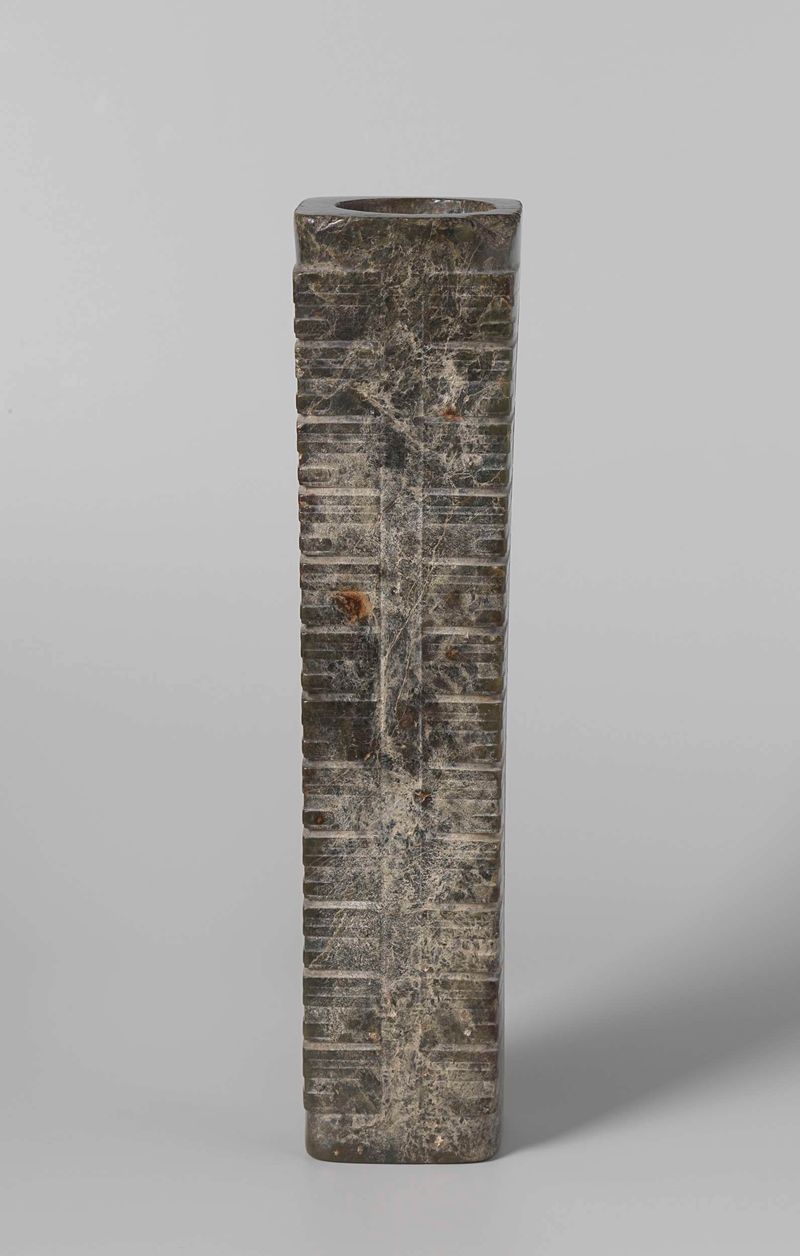
Cong
Unknown Artist
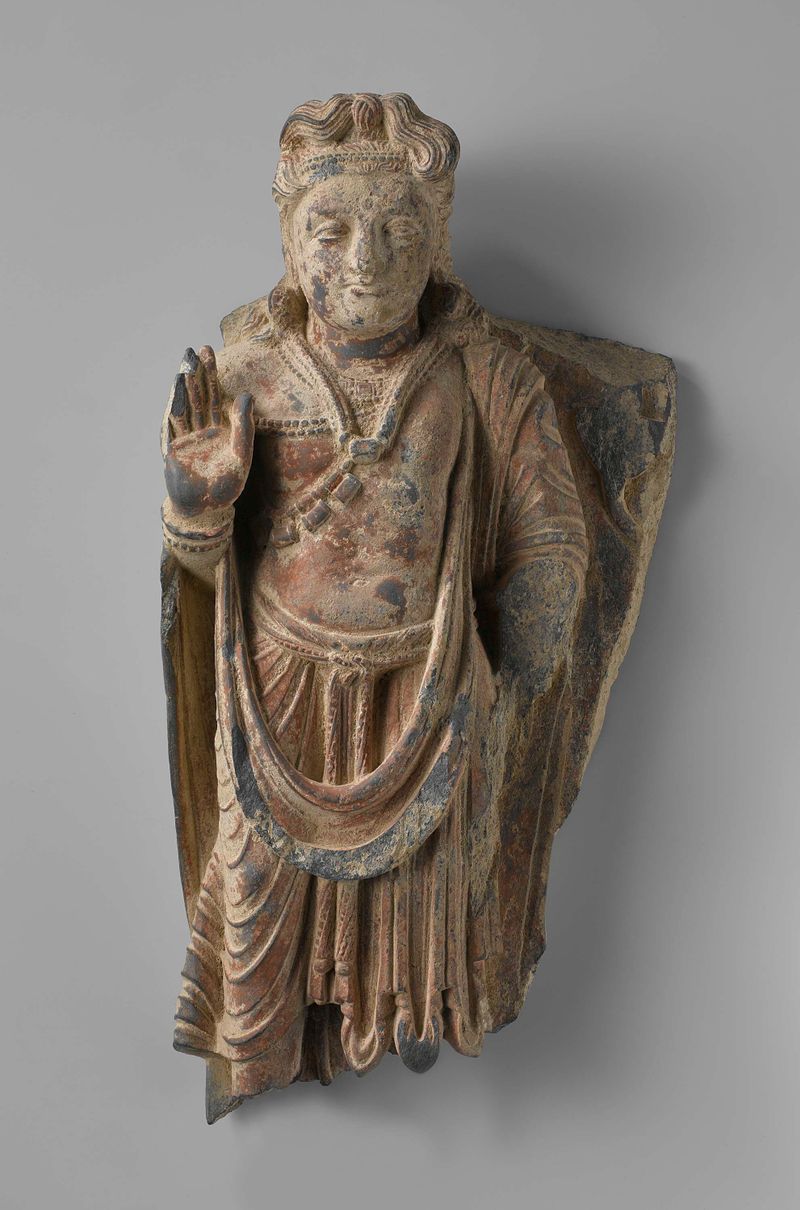
The bodhisattva Maitreya
Unknown Artist
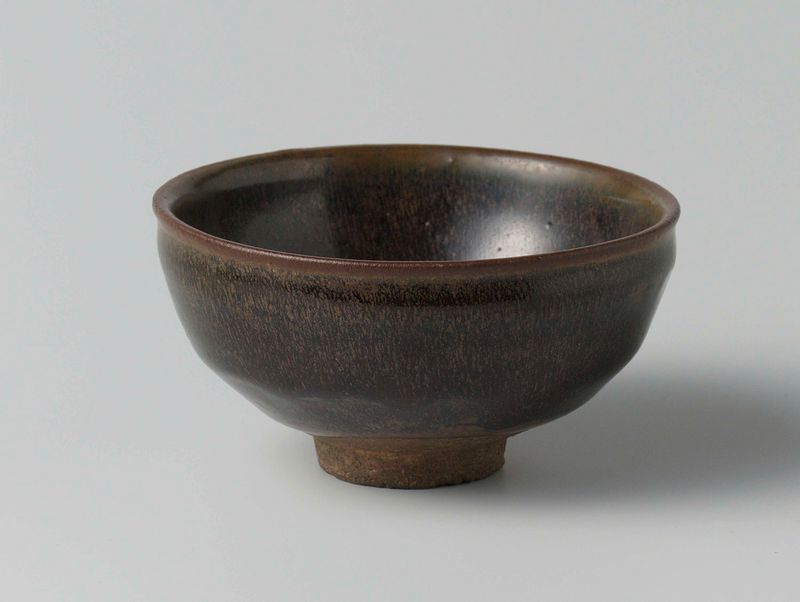
Teabowl with a 'hare's fur' glaze
Unknown Artist
More Portrait Art
Browse all →
Las meninas
Diego Velázquez

Self-portrait with a Bandaged Ear and Pipe
Unidentified artist

Girl with a Pearl Earring
Johannes Vermeer

The Sampling Officials of the Amsterdam Drapers’ Guild, Known as ‘The Syndics’
Rembrandt van Rijn

The Hundred Guilder Print: the man seen on the back in the lower left corner
Rembrandt van Rijn

Portrait of Dr Gachet
Vincent van Gogh