Servet met bloempatroon, gemerkt FS 18. — History & Facts
In the delicate intricacies of its design, this work invites reflection on the bittersweet nature of memory and loss. Look closely at the swirling floral patterns that adorn the surface, each petal meticulously rendered with a soft touch of color that seems to dance under the light. Notice how the gold accents catch the eye, drawing attention to the ornate details that suggest a celebration of beauty and fragility. The intricate craftsmanship speaks to a time when such artistry was a mark of prestige, yet now, it whispers of the hands that labored to create it and the stories now lost. Within the harmony of the colors lies a tension between vibrancy and decay, evoking a sense of yearning for what once was.
The fading hues hint at the passage of time, each bloom a symbol of transience and evanescence. As you explore the surface, consider the emotional weight carried within its beauty—moments of joy trapped beneath layers of dust and nostalgia, each pattern representing a memory yearning to be remembered or perhaps forgotten. Created between 1850 and 1880, this piece reflects a transitional period in the art world, where traditional craftsmanship was increasingly challenged by broader industrial developments. The unknown artist worked in an age ripe with artistic experimentation yet remained rooted in the techniques of the past, perhaps mirroring their own uncertainties amidst a rapidly changing society.
This work encapsulates a crossroads, where the past and future collide, leaving us to ponder the essence of what remains.
More Artworks by Unknown Artist
Browse all →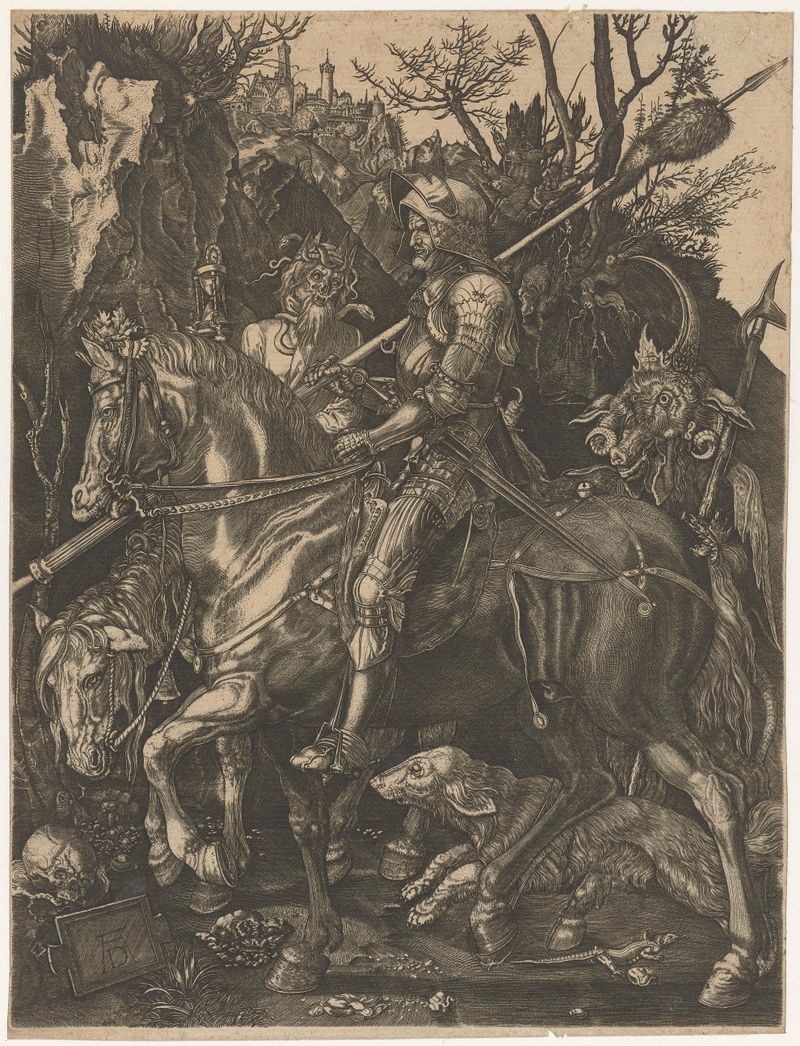
Ridder, Dood en Duivel
Unknown Artist
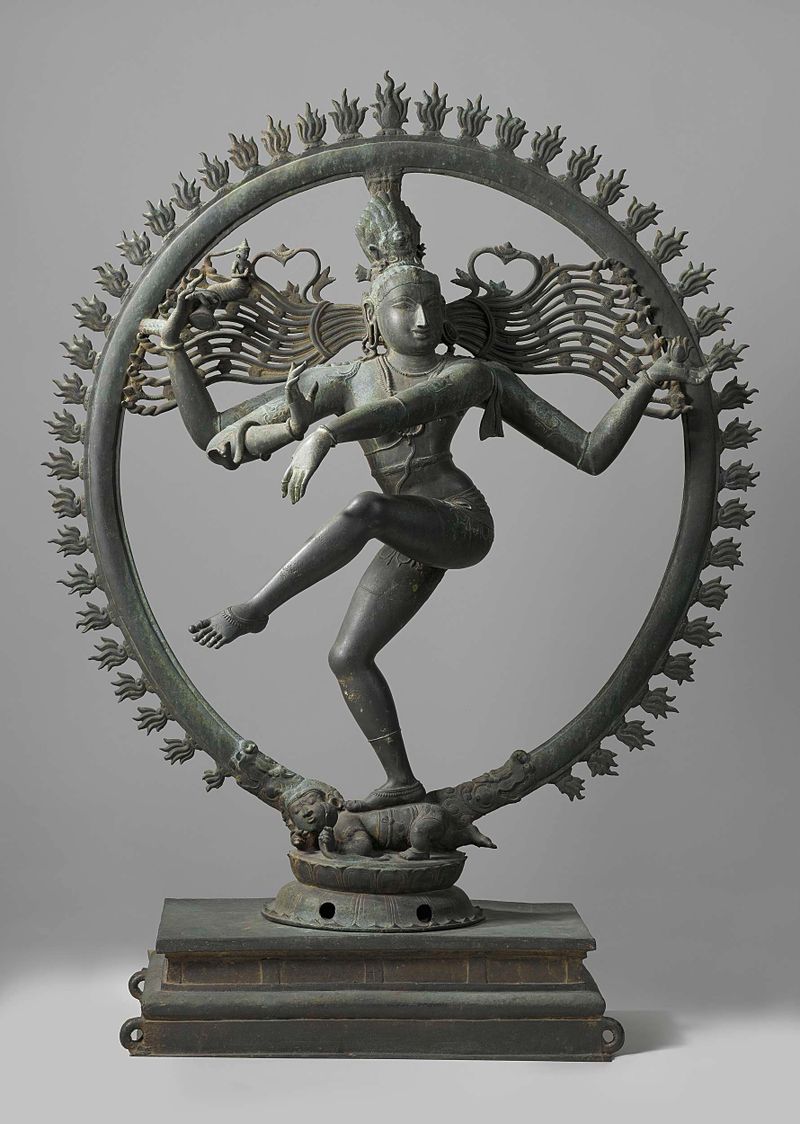
Shiva Nataraja
Unknown Artist

Portrait of Elizabeth I, Queen of England
Unknown Artist
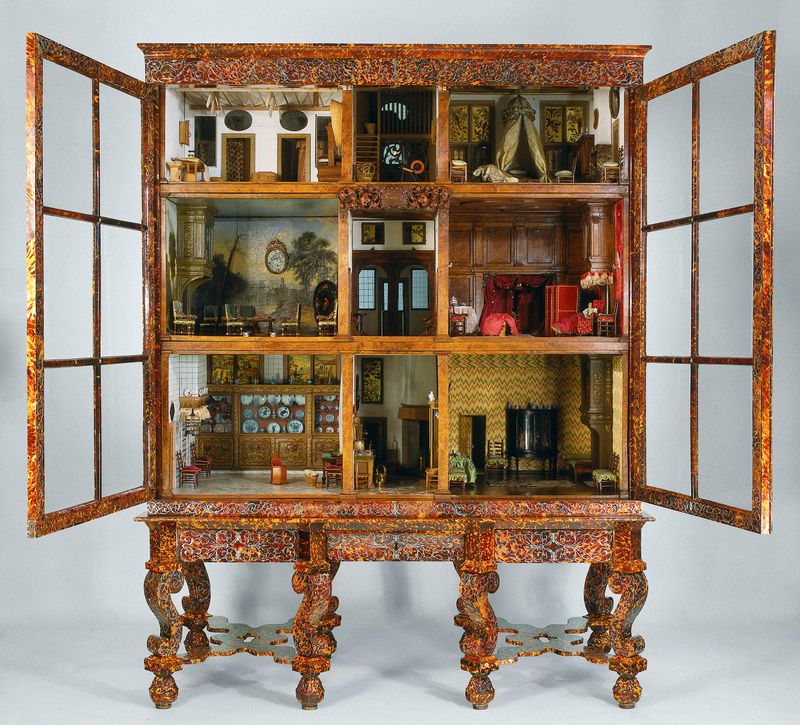
Dolls’ house of Petronella Oortman
Unknown Artist
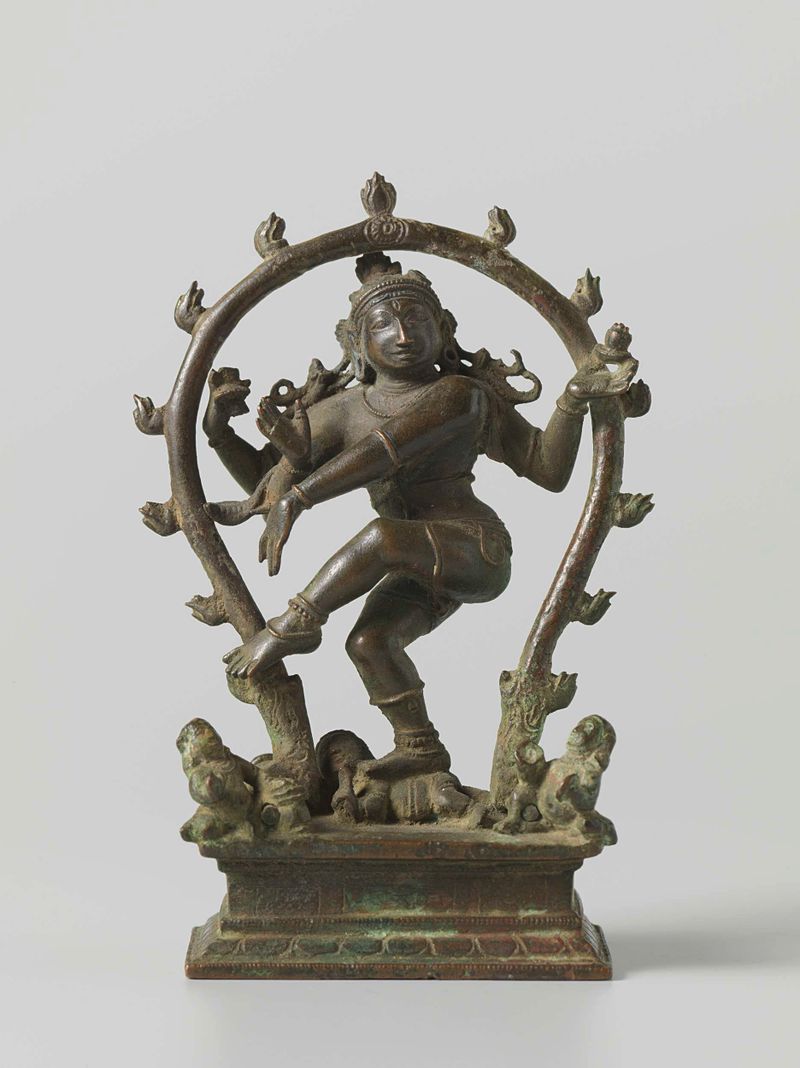
Shiva Nataraja
Unknown Artist

The Tale of Genji
Unknown Artist

The Tale of Genji
Unknown Artist
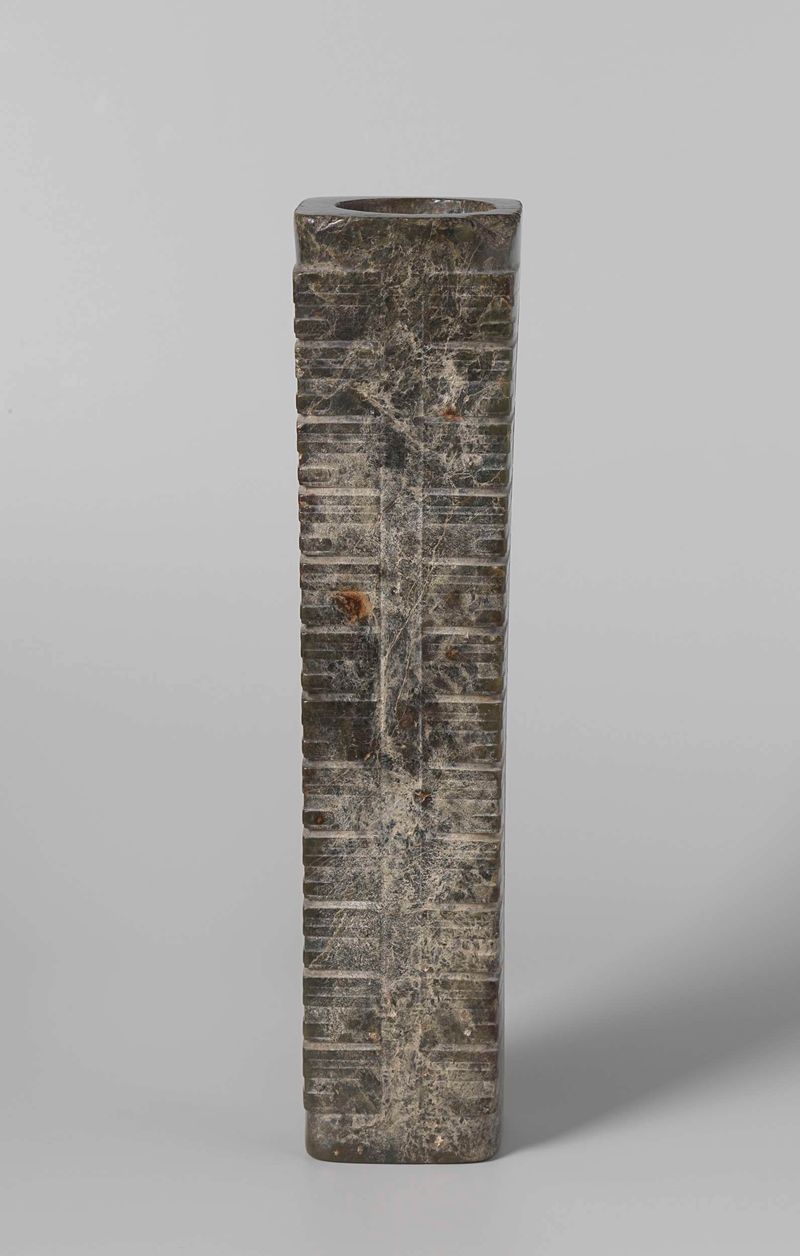
Cong
Unknown Artist
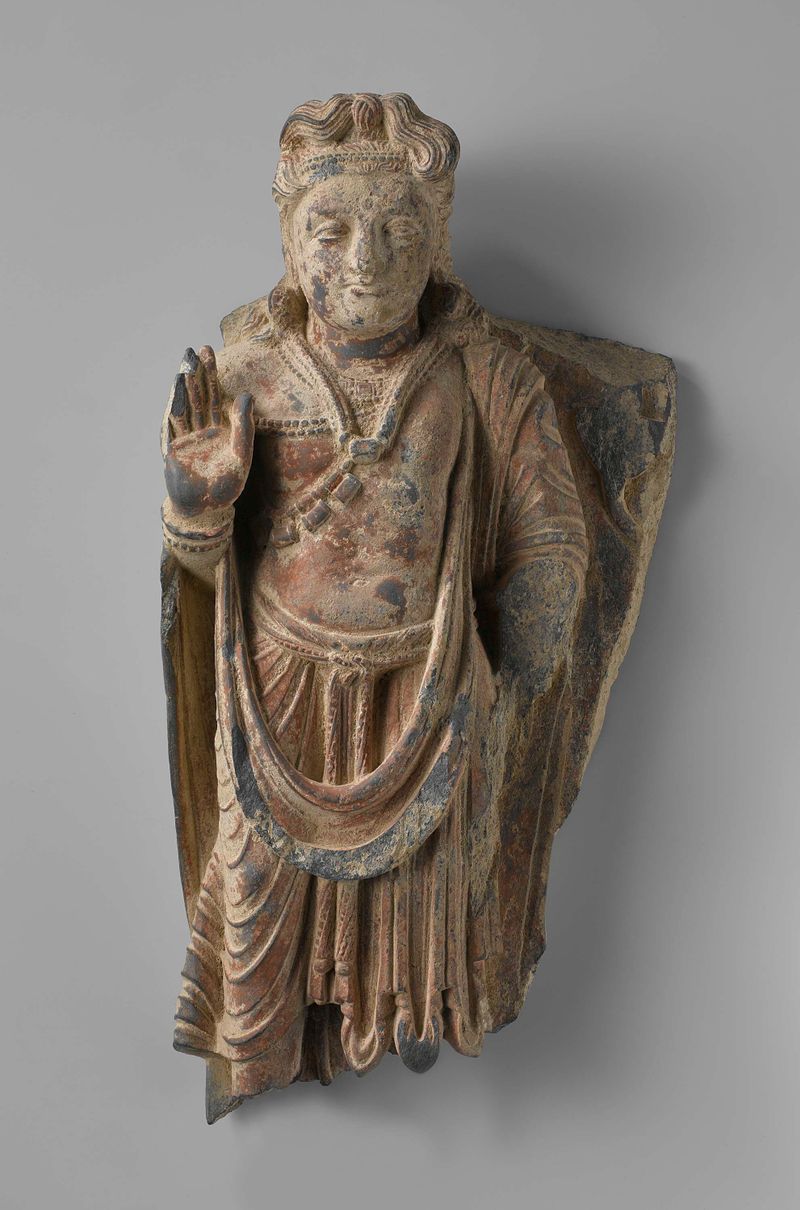
The bodhisattva Maitreya
Unknown Artist
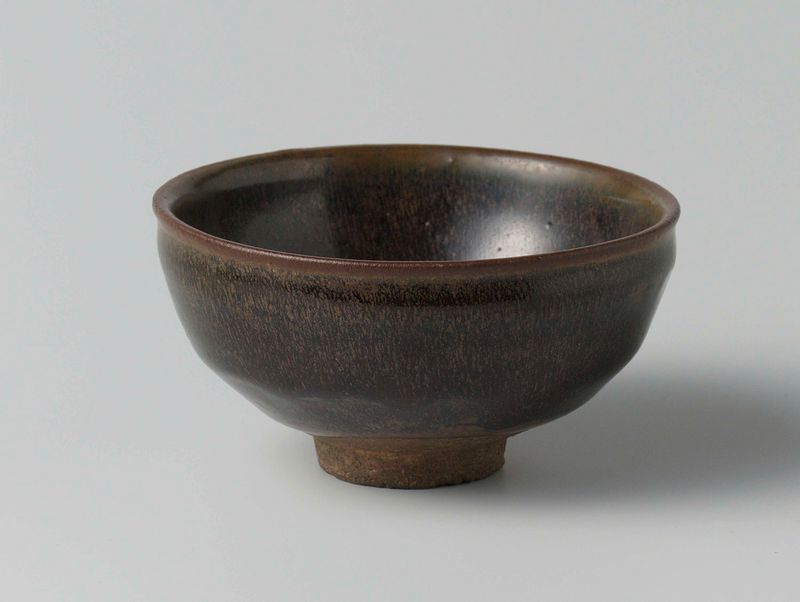
Teabowl with a 'hare's fur' glaze
Unknown Artist