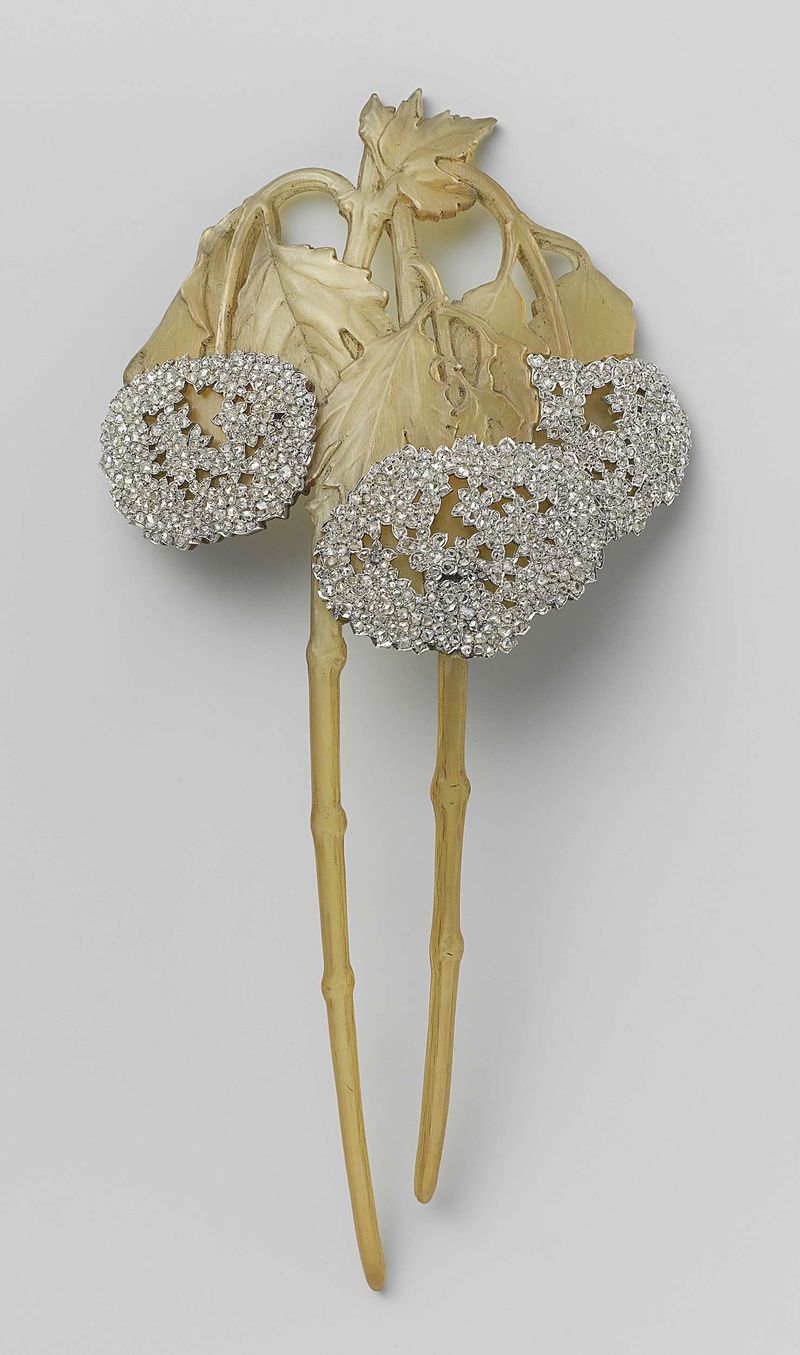
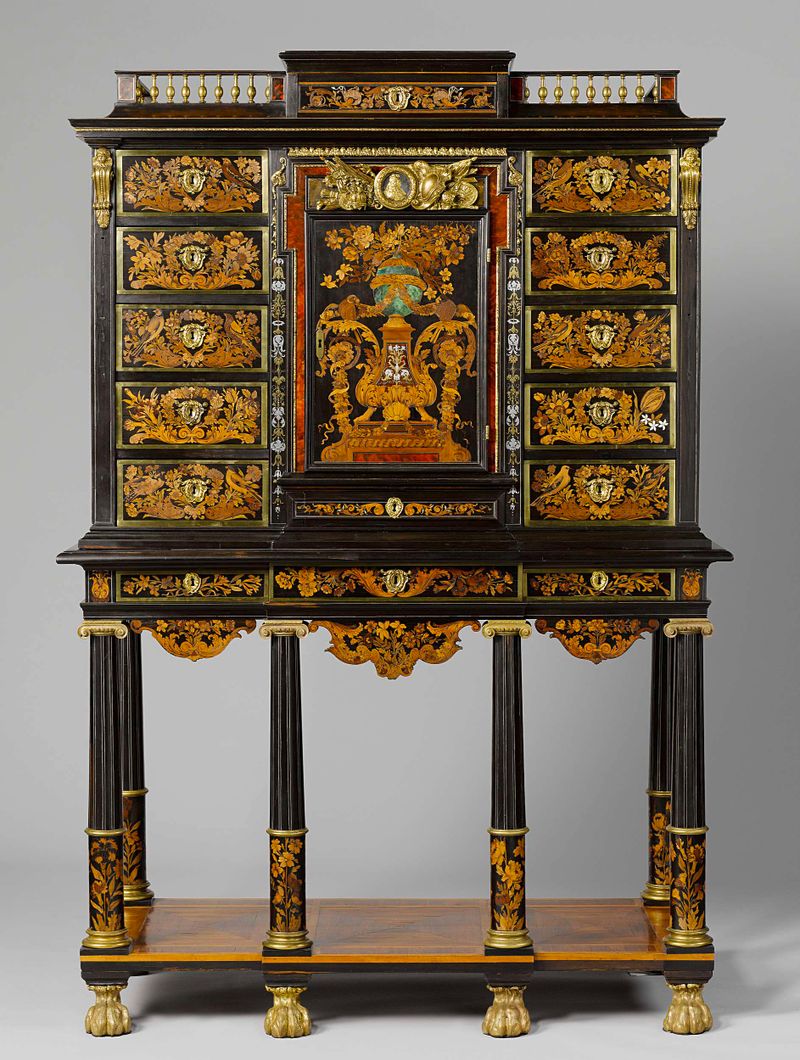
Servet met inweving: ROBERT WATSON MARY BAIRD 1700. — History & Facts
The intricate weave of this piece suggests the delicate interplay between grief and adornment, the haunting reminder that loss often conceals itself within elegance. Look closely at the rich textures of the fabric, where threads intertwine in a symphony of colors that dance between muted earth tones and brilliant highlights. The artist's careful attention draws your gaze to the central motif, a floral arrangement that blooms defiantly amidst the chaos of the weave. The contrasting shades create a tension that speaks to both the beauty and the fragility of life, inviting the viewer to reflect on the stories woven into every stitch. The subtle details reveal layers of emotional depth; the slight fraying of edges speaks to time's relentless march, and the juxtaposition of vibrant colors against darker hues hints at hidden sorrow.
Each thread serves not merely as decoration, but as a testament to the complex relationship between memory and mourning. This is a piece that embodies the weight of loss, transformed into a tangible form that both honors and memorializes. Created in 1700, during a time of burgeoning artistic exploration, this work reflects the transitional period in textile art. The unknown artist operated at the crossroads of tradition and innovation, where craftspeople began to merge practicality with expression, mirroring a society grappling with its own transformations.
This era saw the rise of personal narratives in art, making this piece a poignant reminder of the enduring impact of human experience.
More Artworks by Unknown Artist
Browse all →
Ridder, Dood en Duivel
Unknown Artist
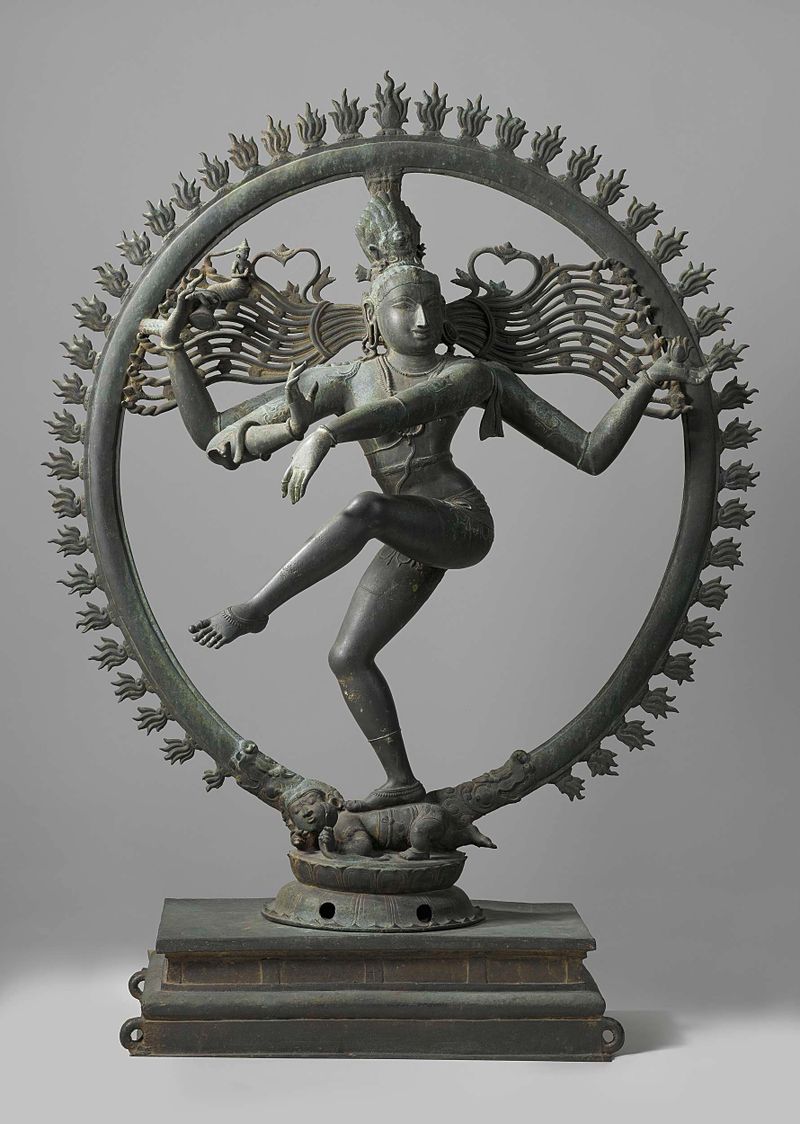
Shiva Nataraja
Unknown Artist
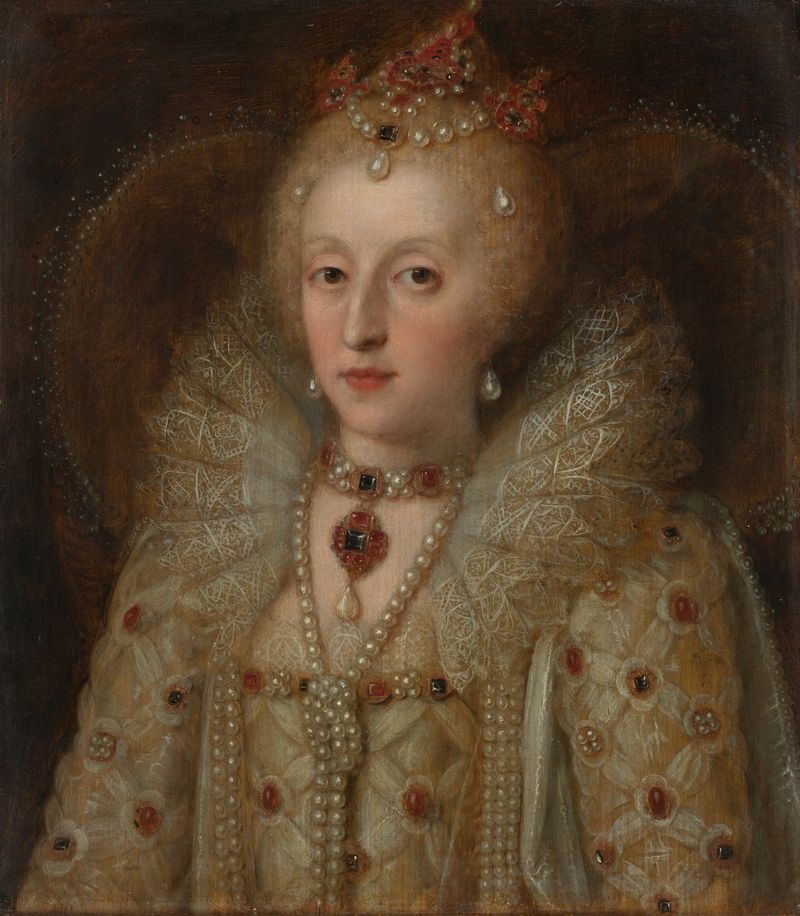
Portrait of Elizabeth I, Queen of England
Unknown Artist
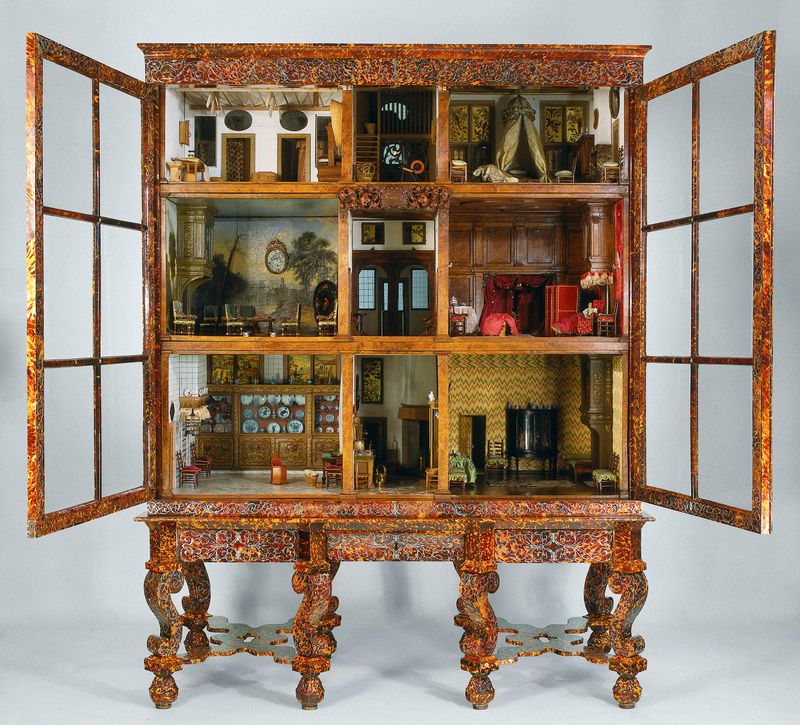
Dolls’ house of Petronella Oortman
Unknown Artist
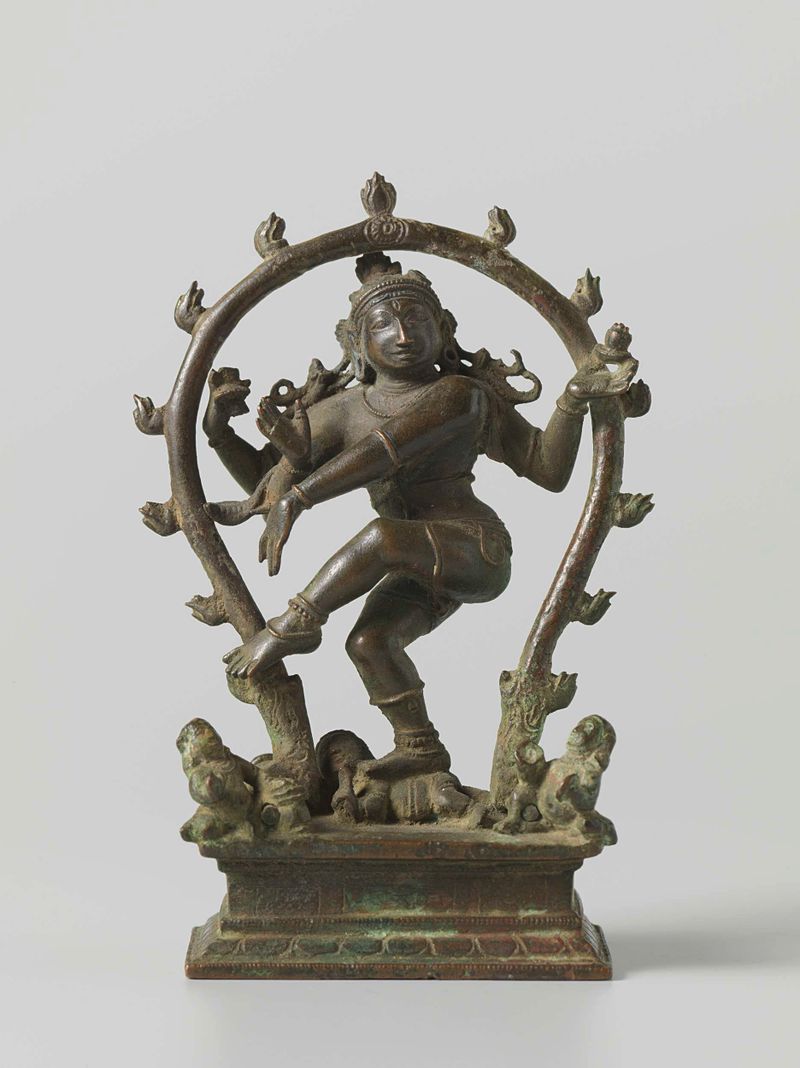
Shiva Nataraja
Unknown Artist

The Tale of Genji
Unknown Artist

The Tale of Genji
Unknown Artist

Cong
Unknown Artist
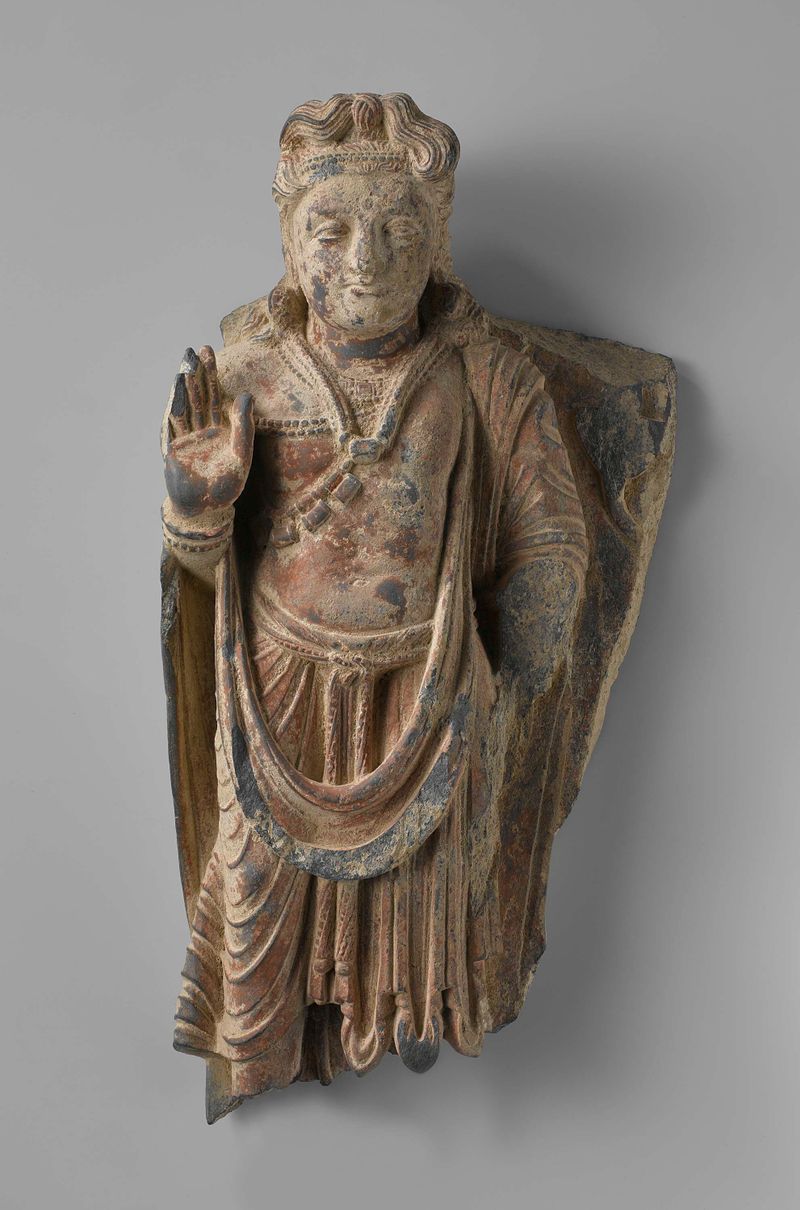
The bodhisattva Maitreya
Unknown Artist

Teabowl with a 'hare's fur' glaze
Unknown Artist