Servet van wit linnen — History & Facts
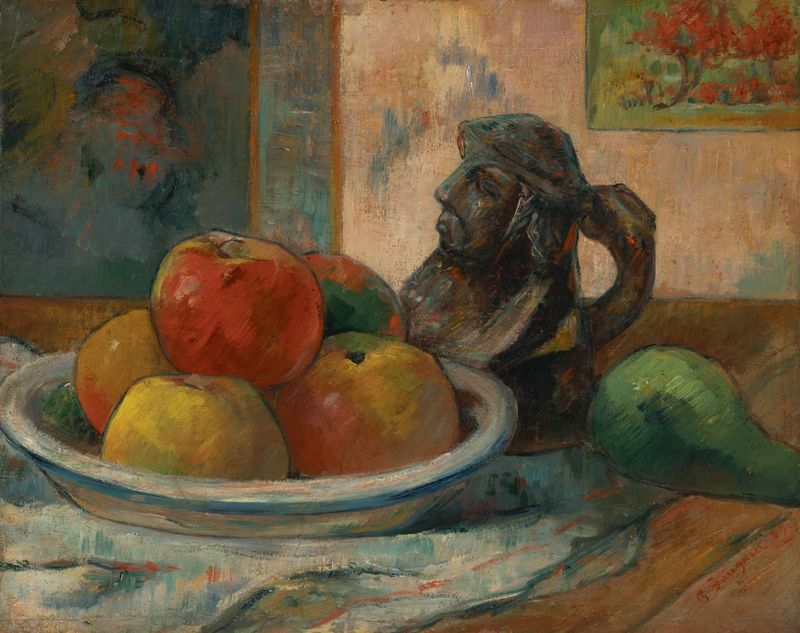
In the stillness of creation, one can feel the weight of unspoken truths and the delicate interplay between existence and absence. Look to the left at the richly textured fabric, where the play of light creates an almost ethereal glow. The meticulous brushwork captures the nuanced folds and shadows of the white linen, inviting the viewer to appreciate not just its surface but the craftsmanship behind it. The subtle color gradations allow the fabric to breathe, evoking a sense of both fragility and strength, as if this ordinary object holds stories waiting to be uncovered. At the heart of this artwork lies a tension between simplicity and depth.
The pristine white linen, often a symbol of purity, contrasts with the darker, shadowy elements that surround it, hinting at the complexities of life within its simplicity. Additionally, the absence of ornate features encourages contemplation, inviting the viewer to reflect on their own narratives woven into the fabric of existence. It prompts a dialogue between creation and the inevitable silence that follows, a poignant reminder of the beauty and melancholy intertwined in any act of making. This piece emerged in 1731, a period when Europe was caught between the elegance of Rococo and the emerging tensions of the Enlightenment.
The artist, though unknown, crafted this work amidst a rich tapestry of artistic exploration, where everyday objects began to find their place alongside grand historical themes. This focus on the mundane reflected a growing appreciation for the ordinary, positioning the viewer to ponder the deeper meanings found within the fabric of daily life.