
Shiva — History & Facts
Can beauty exist without sorrow? The figure of Shiva, carved by an unknown artist in the early 10th century, poses this question with a profound silence that resonates through the ages. Look closely at the intricate details of the sculpture, where each curve and contour speaks of devotion and reverence. Notice how the sculptor has captured the serene yet formidable expression on Shiva's face, a duality reflecting both creation and destruction. The play of light across the textured stone reveals a masterful technique, inviting the viewer to admire not only the physical form but the life imbued within it. Delve deeper into the symbolism of the piece—Shiva, the lord of transformation, embodies the cycles of life and death.
The garlands around his neck speak of offerings, a connection between the divine and the mortal. The juxtaposition of his calm demeanor against the swirling forms of destruction around him invites contemplation on the balance between beauty and chaos, reminding us of the ephemeral nature of existence. This sculpture emerged during a period of dynamic artistic expression in ancient India, around 850 to 930 CE. The era was marked by a flourishing of temple architecture and religious art, reflecting the spiritual fervor of the time.
The unknown artist, likely influenced by the rich traditions of Hindu iconography, created this piece amidst a society deeply engaged in exploring the complexities of life, spirituality, and the human condition.
More Artworks by Unknown Artist
Browse all →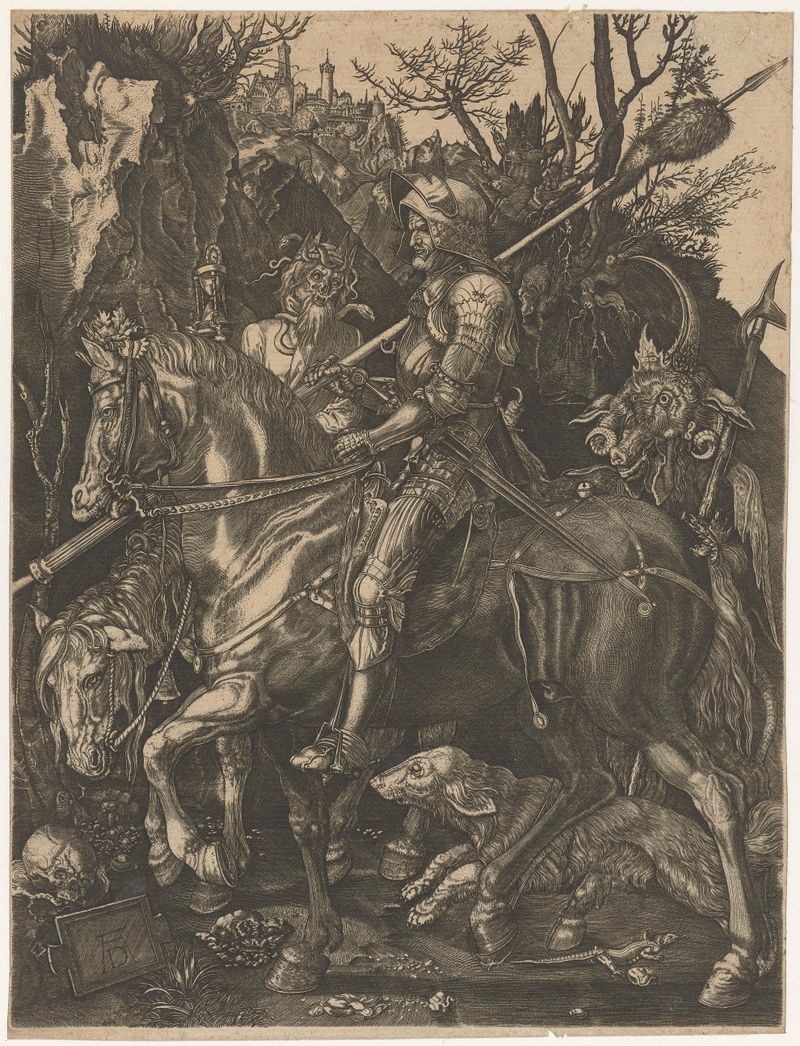
Ridder, Dood en Duivel
Unknown Artist
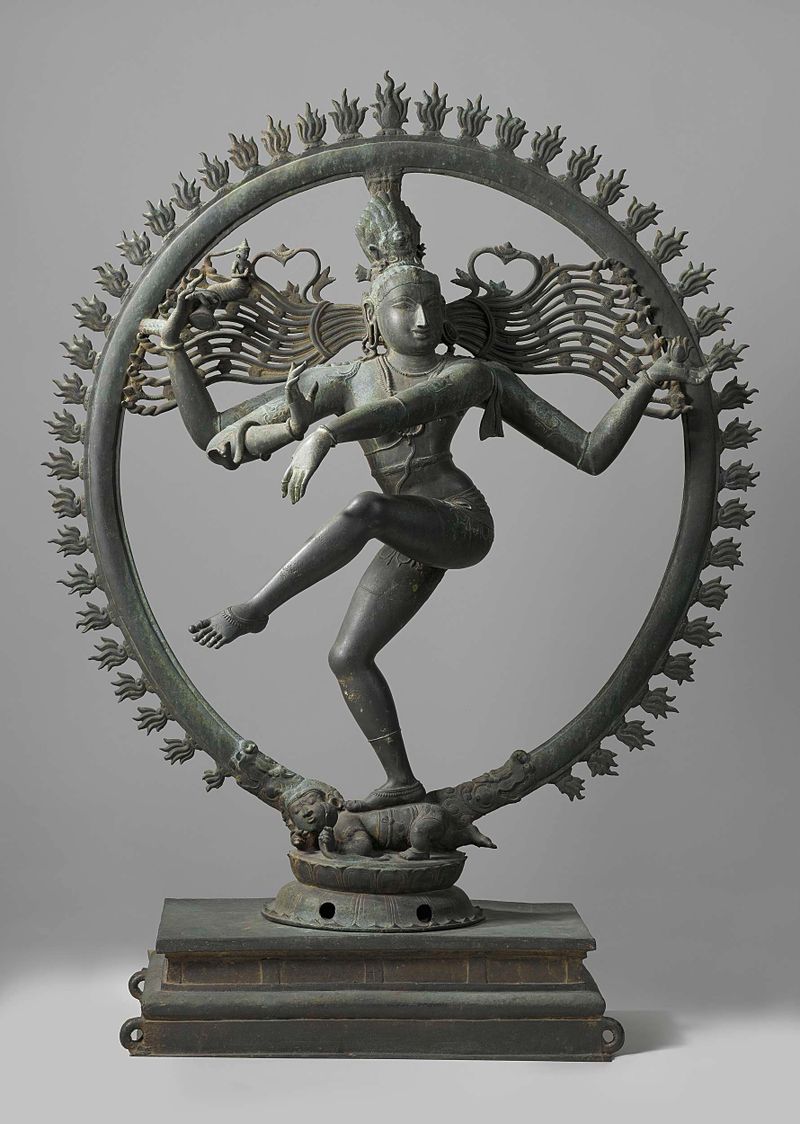
Shiva Nataraja
Unknown Artist
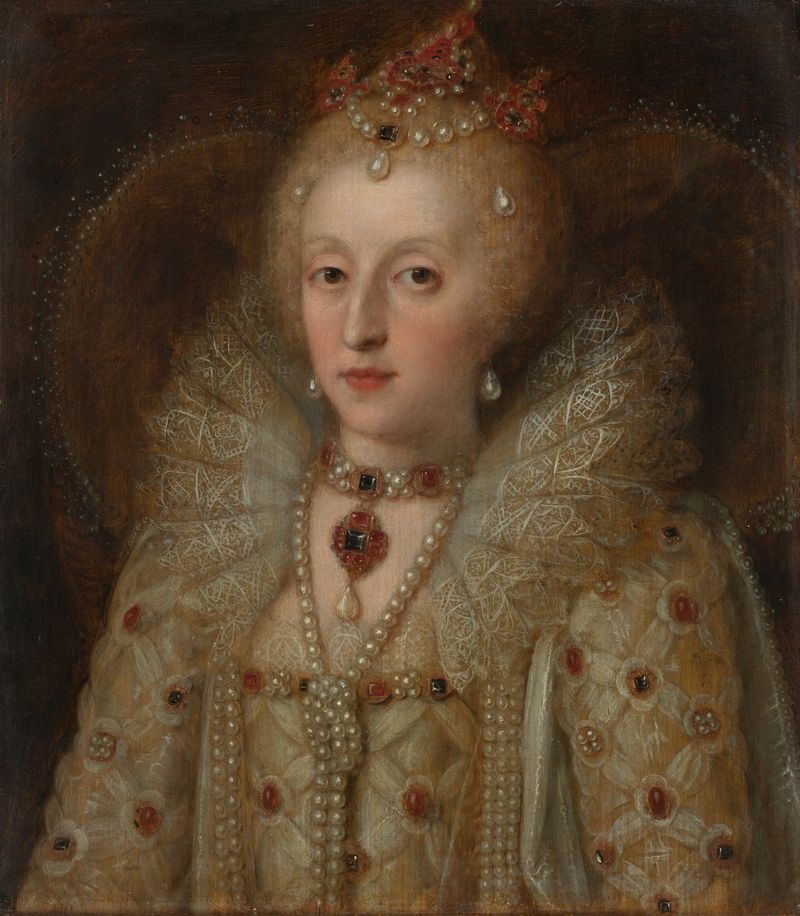
Portrait of Elizabeth I, Queen of England
Unknown Artist
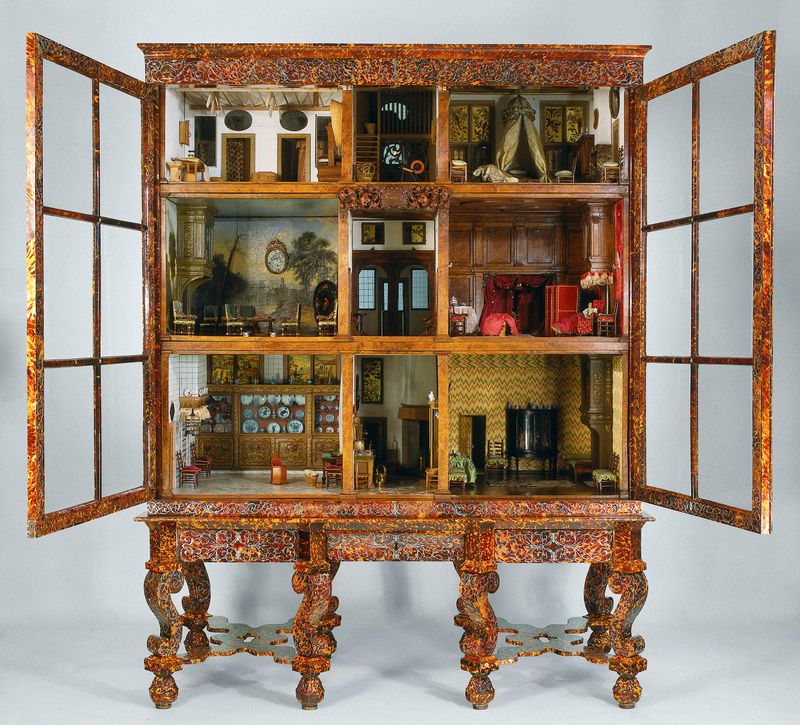
Dolls’ house of Petronella Oortman
Unknown Artist
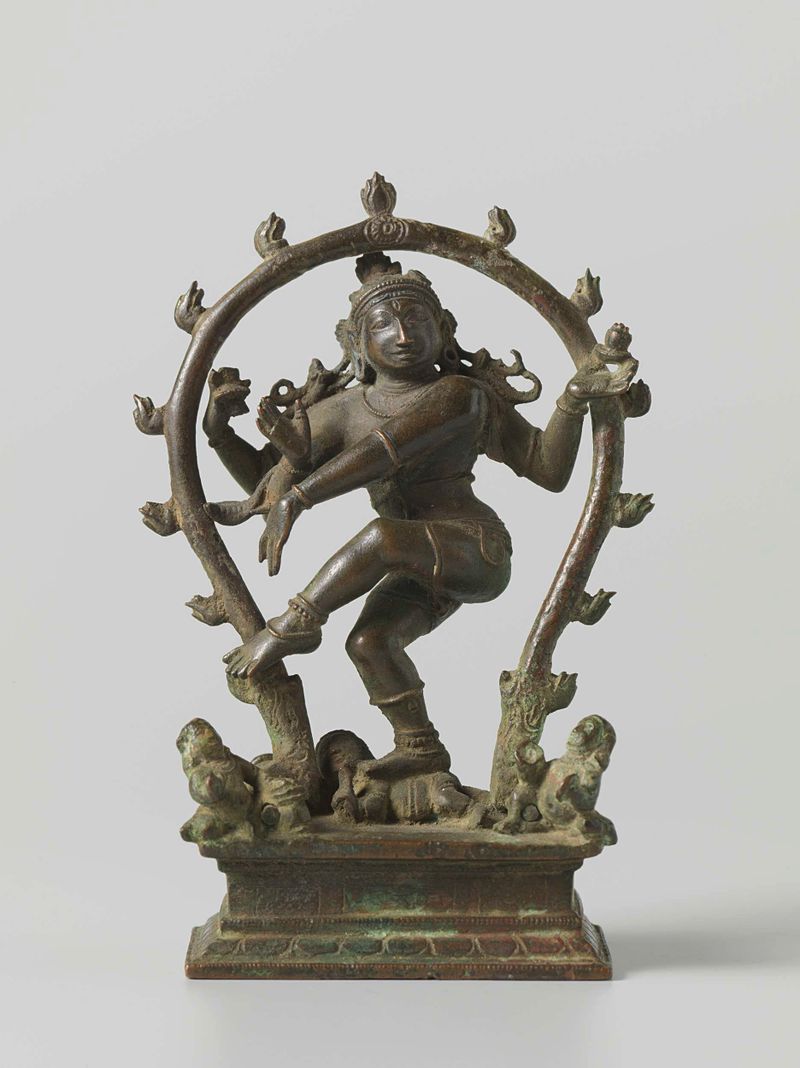
Shiva Nataraja
Unknown Artist

The Tale of Genji
Unknown Artist

The Tale of Genji
Unknown Artist

Cong
Unknown Artist
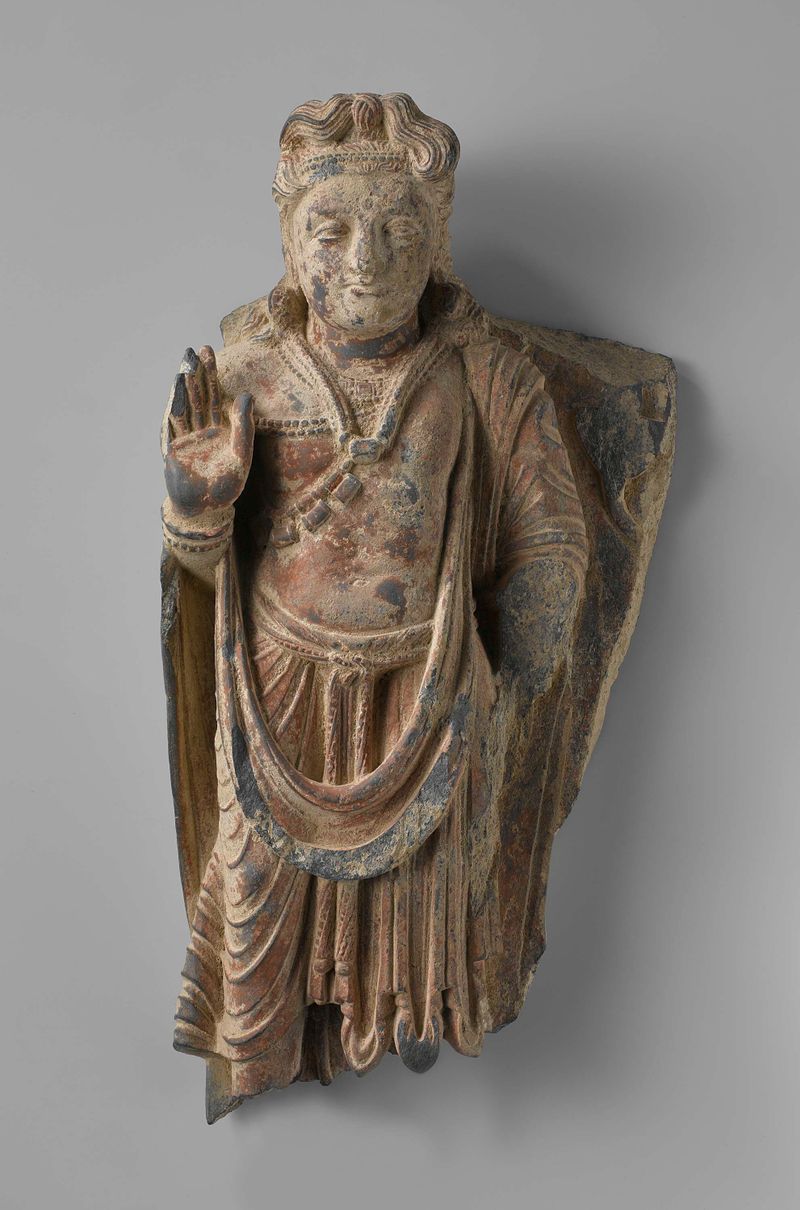
The bodhisattva Maitreya
Unknown Artist

Teabowl with a 'hare's fur' glaze
Unknown Artist
More Religious Art
Browse all →
The Return of the Prodigal Son
Rembrandt van Rijn

The Garden of Earthly Delights
El Bosco

Count Orgaz’ funeral
El Greco

The Hundred Guilder Print: the central piece with Christ preaching, the plate arched
Rembrandt van Rijn

The Descent from the Cross
Rogier van der Weyden

The return of the prodigal son
Rembrandt van Rijn