Sillian Tyrol, July 11, 1821 — History & Facts
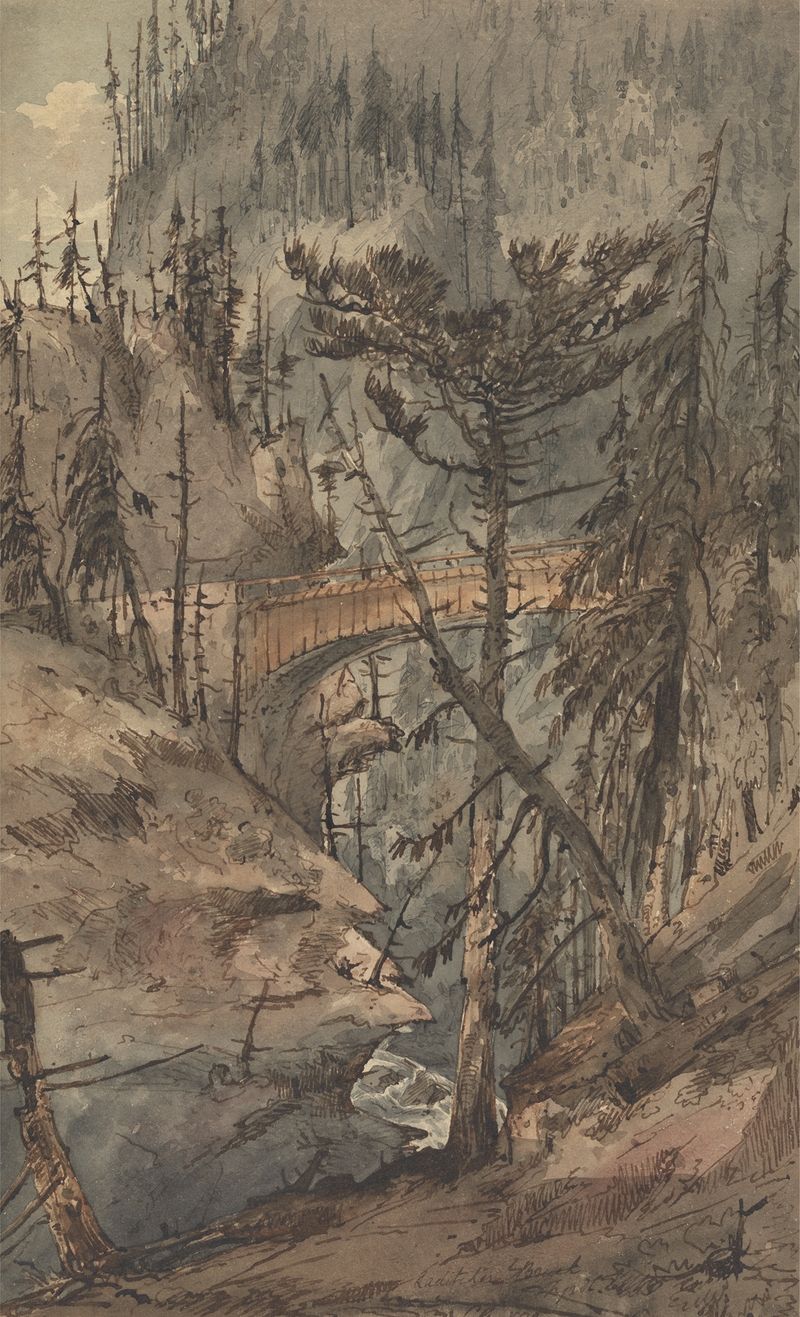
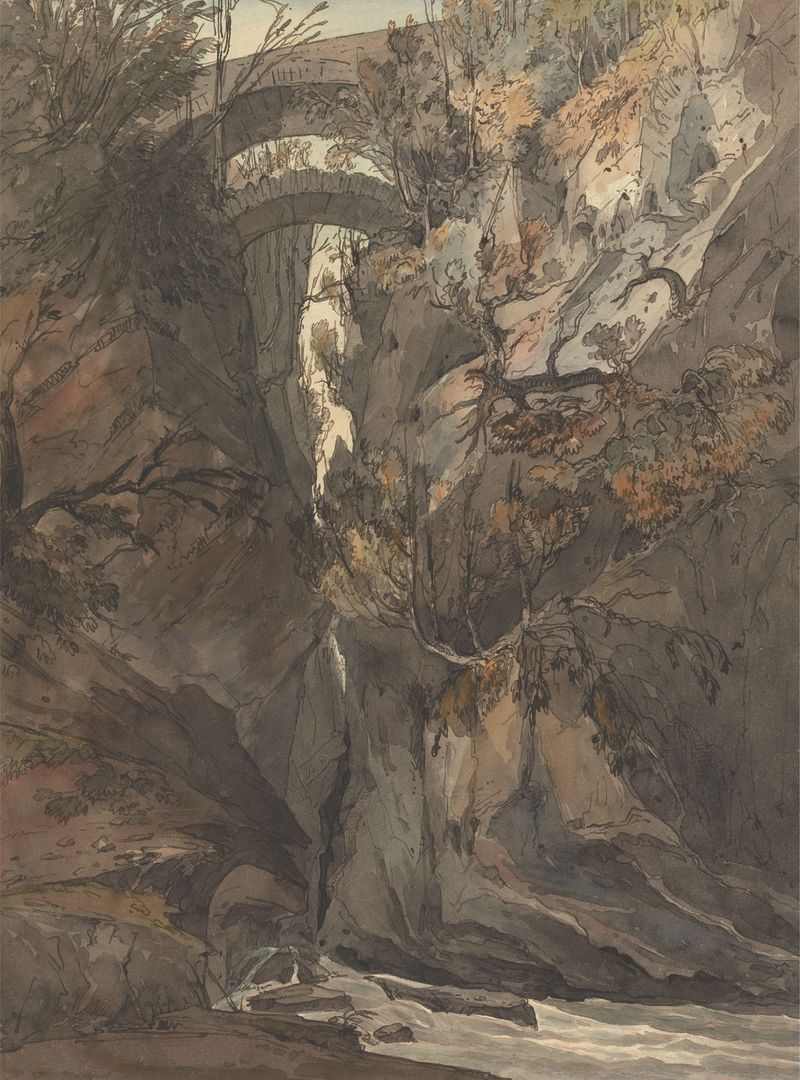
In the echo of a world on the brink of revolution, the artist captures a moment that transcends time, blending tranquility with unspoken tension. Look to the left at the verdant hills, where lush greens merge seamlessly into the azure sky. The gentle strokes evoke a sense of stillness, yet the vibrant hues reflect a simmering potential. Notice how the light dances across the landscape, suggesting the warmth of summer while hinting at the undercurrents of change that lie beneath the serene facade.
The composition invites your gaze to wander across the meadow, where shadows and light create a delicate balance of beauty and foreboding. As you explore the details, consider how the figures, though small against the grandeur of nature, suggest the weight of human experience amidst the backdrop of impending upheaval. Their presence is both grounding and fleeting, emblematic of a world on the precipice of transformation. The contrasts between the calm scenery and the figures’ poses hint at unexpressed emotions, a silent awareness of the societal shifts looming on the horizon. In 1821, Rev.
Charles Annesley created this work while reflecting on a Europe on the brink of political upheaval. Living in a time marked by revolutions and burgeoning national identities, he sought to capture the essence of his surroundings in Tyrol, where nature stood resilient. This artwork reflects not only his personal introspection but also serves as a mirror to the collective consciousness of an era filled with both promise and unrest.