Sirocco — History & Facts
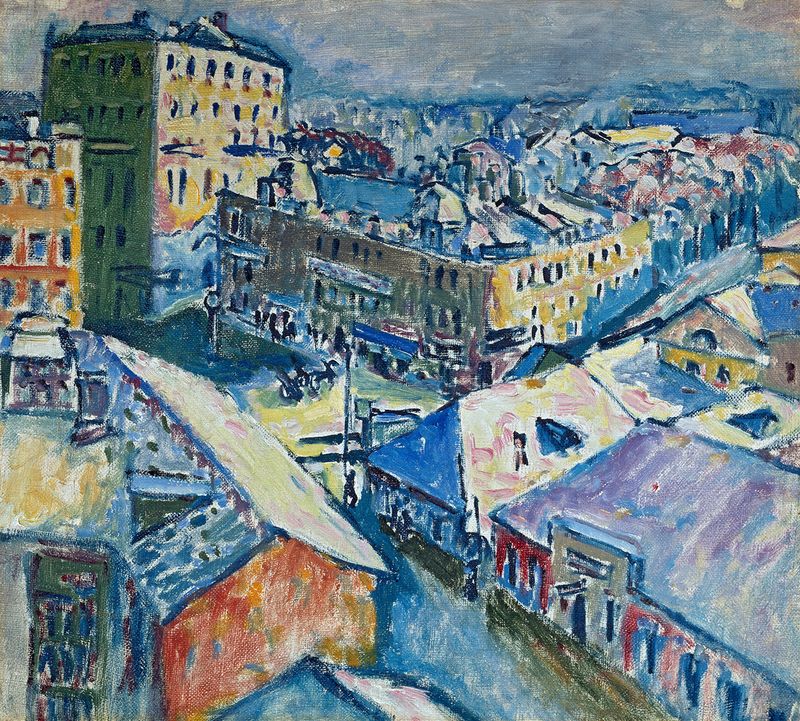
When did color learn to lie? In Sirocco, the tumultuous interplay of vibrancy and despair challenges our perception, inviting us to question the very nature of truth in art. Look to the swirling mass of colors at the center; the brushstrokes pulse with frenetic energy, drawing the eye into a cyclone of hues. The chaotic reds and deep blues clash against soft earth tones, suggesting both turbulence and solace. Notice how the lighter shades dance along the edges, hinting at fleeting moments of clarity amid the turmoil.
The composition, both dense and layered, creates a sense of movement that mirrors an inner storm—one that feels both universal and deeply personal. As you delve deeper, consider the contrasts woven into this piece. The tumult of brushwork might represent life’s chaotic nature, while the softer areas suggest fleeting stability, provoking questions of balance and conflict within ourselves. The tension between the boldness of color and the muted undertones evokes a struggle against chaos, hinting at a profound emotional journey.
Each hue seems to tell its own story, yet together they form a larger narrative that feels disjointed yet poignant—a reflection of the unpredictability of human experience. In 1931, Jan Bohuszewicz painted Sirocco against the backdrop of a world grappling with economic turmoil and societal change. As artistic movements evolved, he was influenced by the surge of expressionism and abstraction, seeking to capture the complexities of emotion through vibrant color and dynamic form. This work emerges as a testament to both personal and collective upheaval, revealing the artist's desire to explore chaos in a rapidly changing world.
More Artworks by Jan Bohuszewicz
Browse all →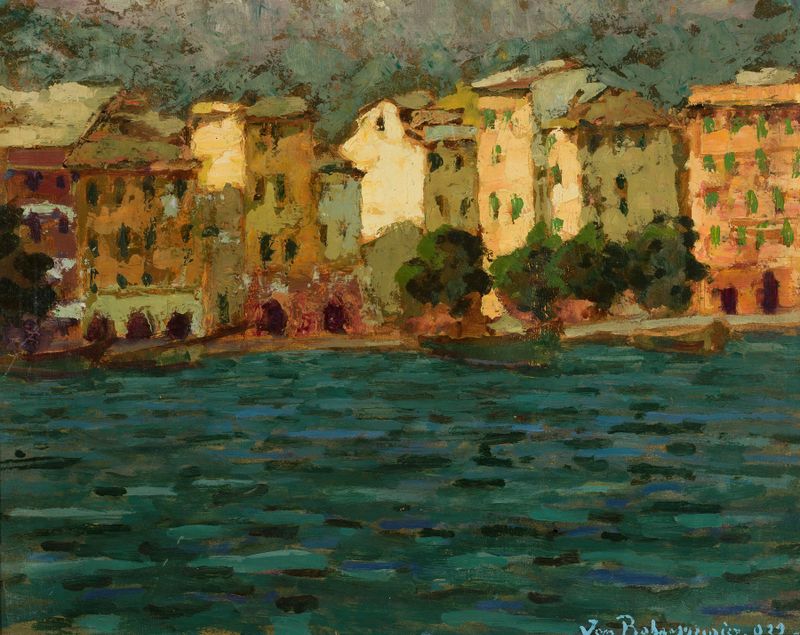
Port in the sunshine
Jan Bohuszewicz

Golden autumn
Jan Bohuszewicz

Larch Trees by the Lake in Dobiacco
Jan Bohuszewicz
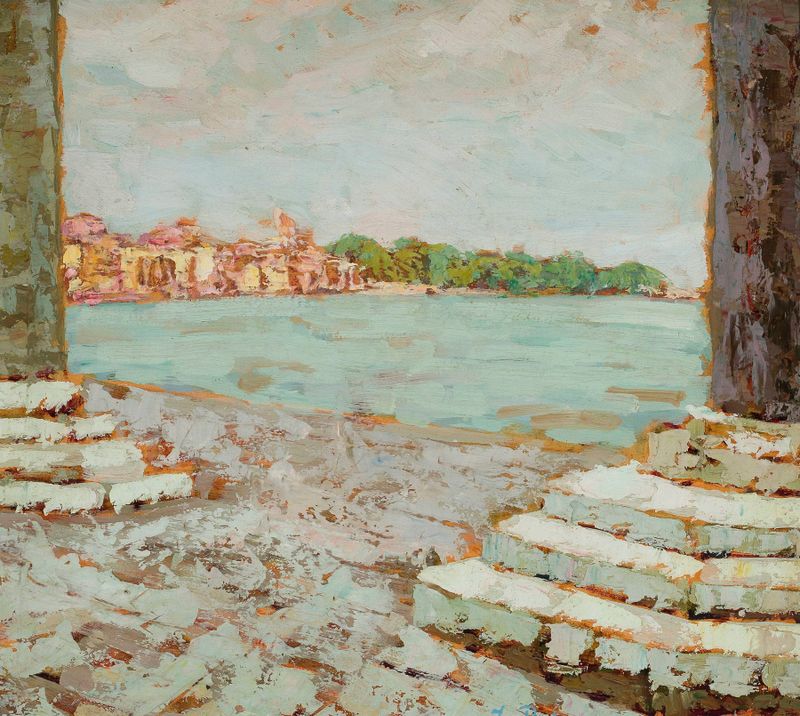
View from Piazzetta in Venice
Jan Bohuszewicz

Polish cottages
Jan Bohuszewicz
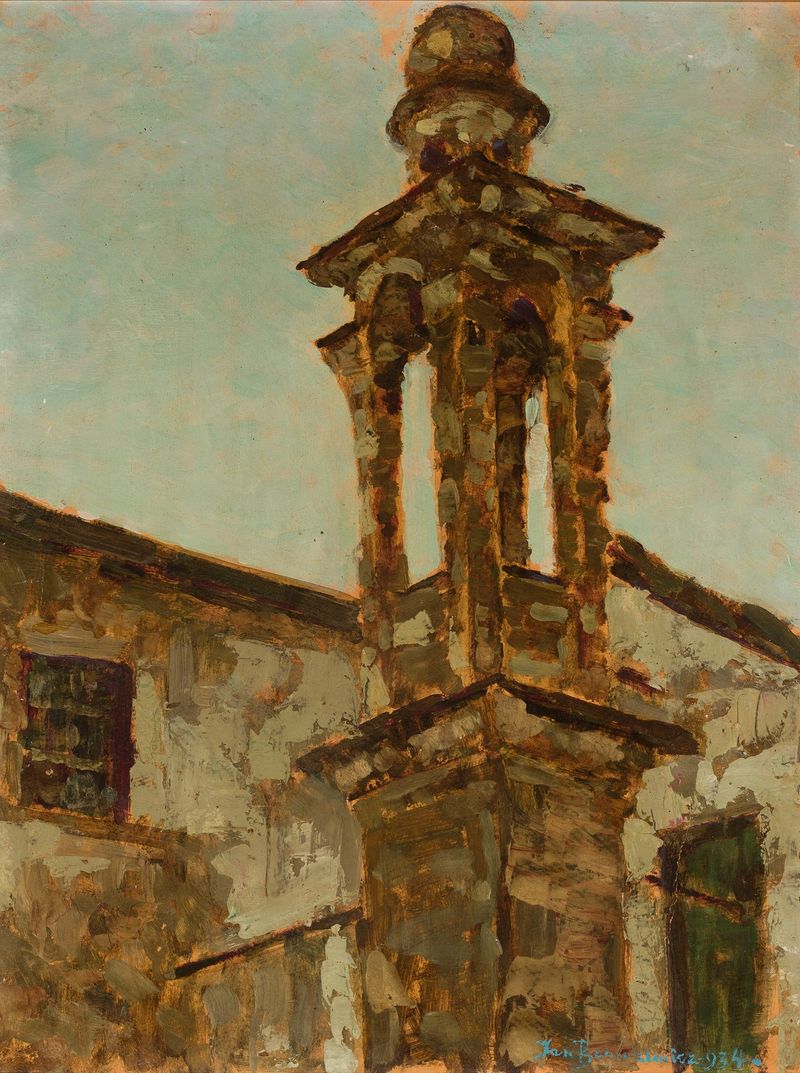
Old bell-tower
Jan Bohuszewicz
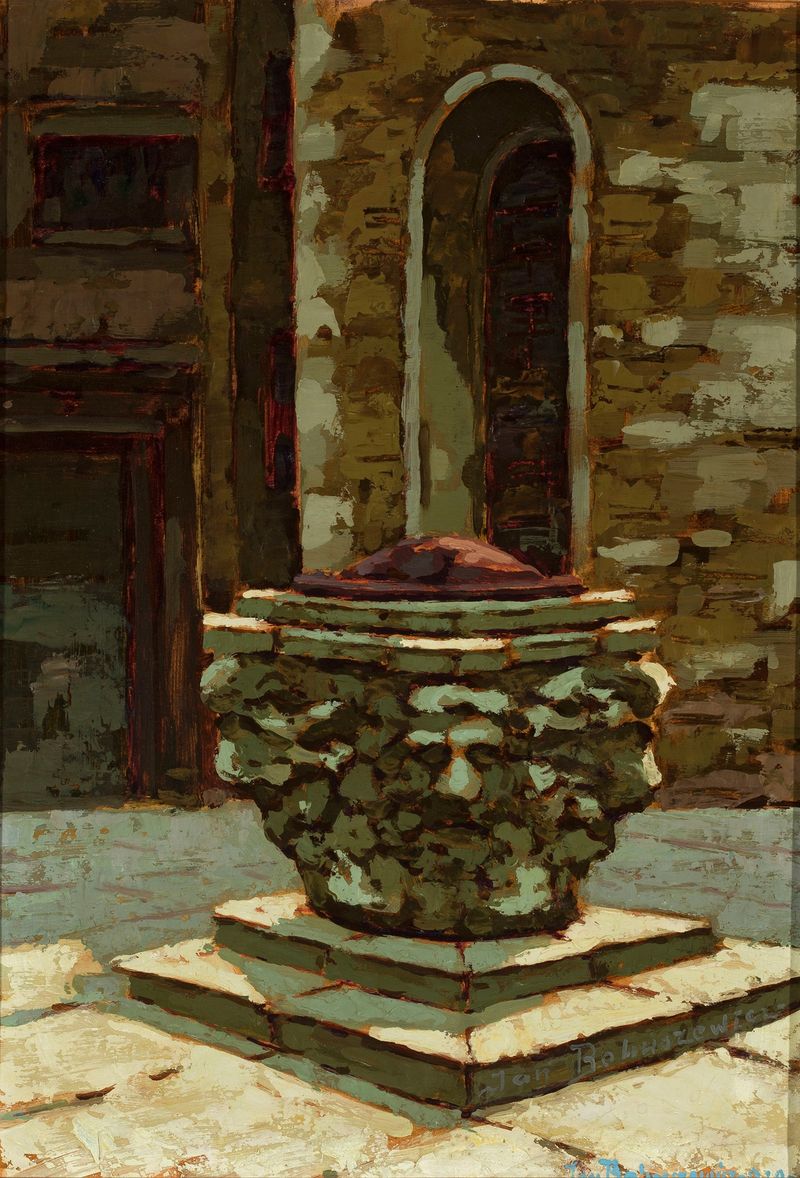
Small well in Venice in the sunshine
Jan Bohuszewicz
Old house with a porch
Jan Bohuszewicz

Shells
Jan Bohuszewicz
Platanus Trees at a Monastery Gate
Jan Bohuszewicz