Sjaal van applicatiekant met witte kloskant op zwarte machinale tule — History & Facts
What if silence could speak through light? In the delicate interplay of fabric and lace, dreams are woven into existence, whispering untold stories. Look closely at the intricate details of the textile. The delicate white lace, meticulously appliquéd to the deep black tulle, draws the eye with its stark contrast. Notice how the light dances over the textures, illuminating the filigree patterns while casting shadows that hint at the fabric's depth.
The composition is a testament to craftsmanship, each stitch a silent nod to the artist's dedication. Beneath the surface, this piece embodies the tension between fragility and strength. The contrasting colors evoke a sense of duality—a celebration of light against darkness, soft against structured. The lace’s ornate patterns can be seen as a metaphor for dreams, ephemeral yet profoundly impactful.
In each curve and line lies an invitation to glimpse into a world where imagination reigns, crafting beauty from the ordinary. Created between 1880 and 1889, this textile emerged during a time when the art of lace-making was deeply valued in Europe. The late 19th century saw a resurgence in decorative arts, influenced by the Aesthetic Movement, which sought to elevate everyday objects into art. The anonymous artist behind this piece skillfully encapsulated the era's spirit, blending traditional techniques with a refined sensibility that speaks to us even today.
More Artworks by Unknown Artist
Browse all →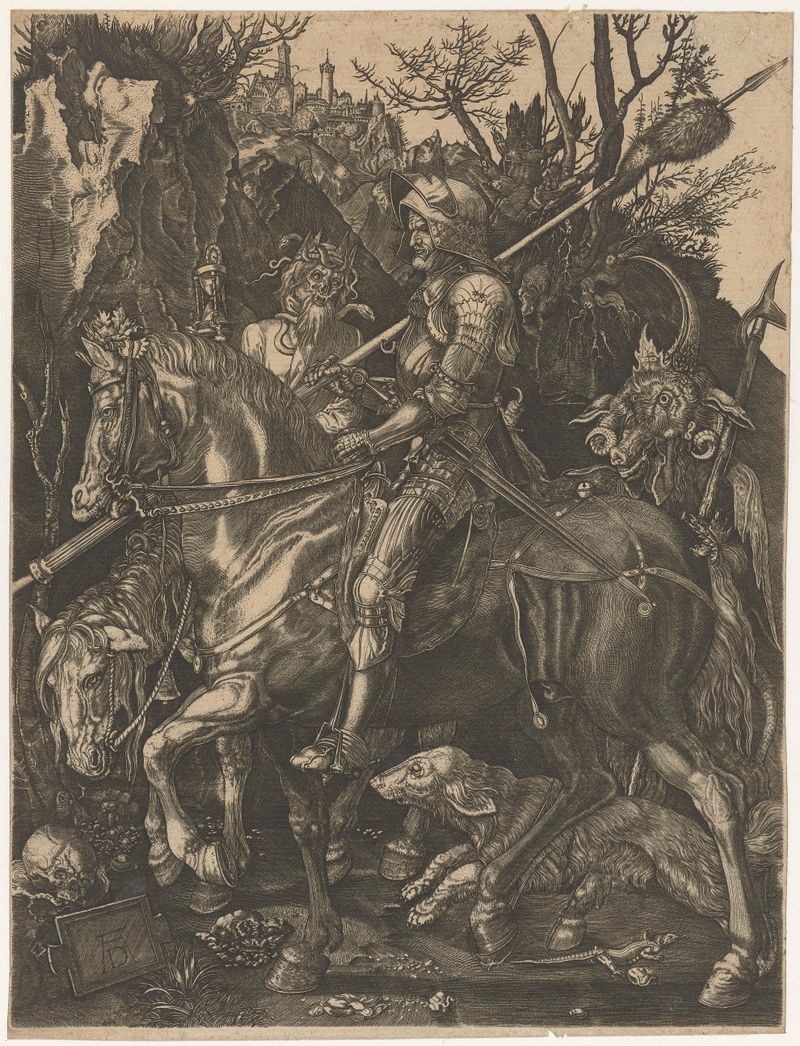
Ridder, Dood en Duivel
Unknown Artist
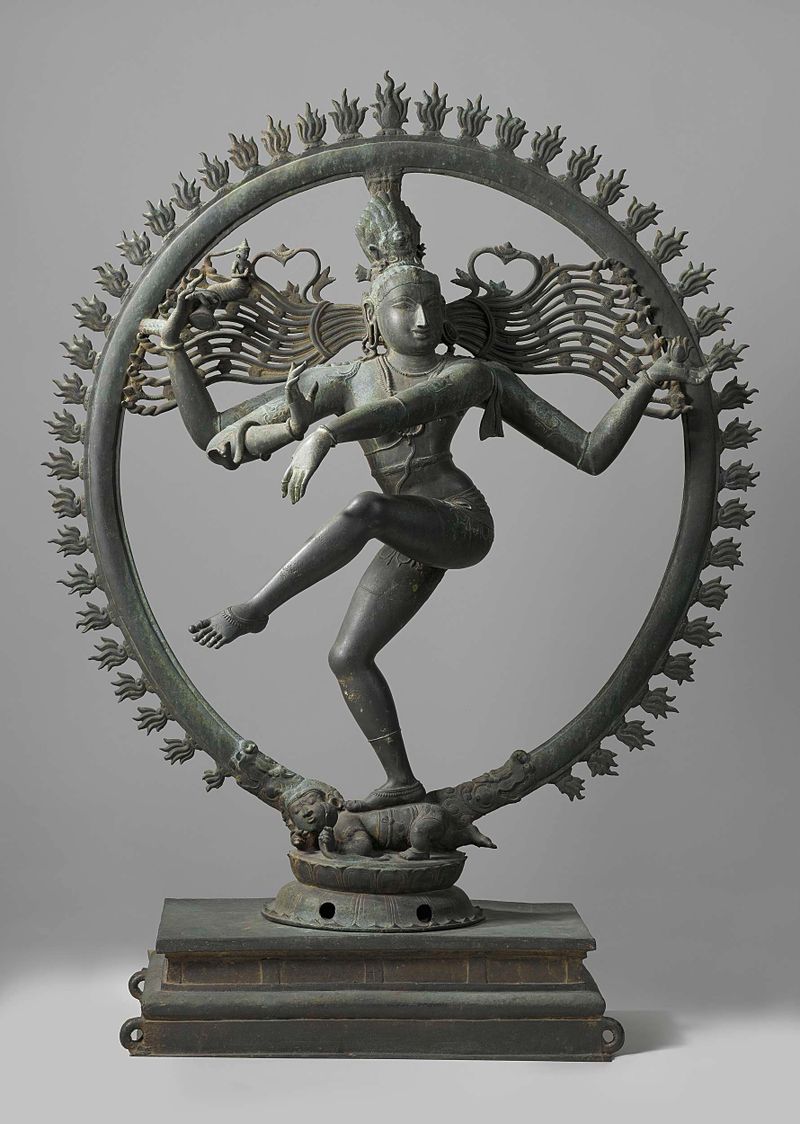
Shiva Nataraja
Unknown Artist
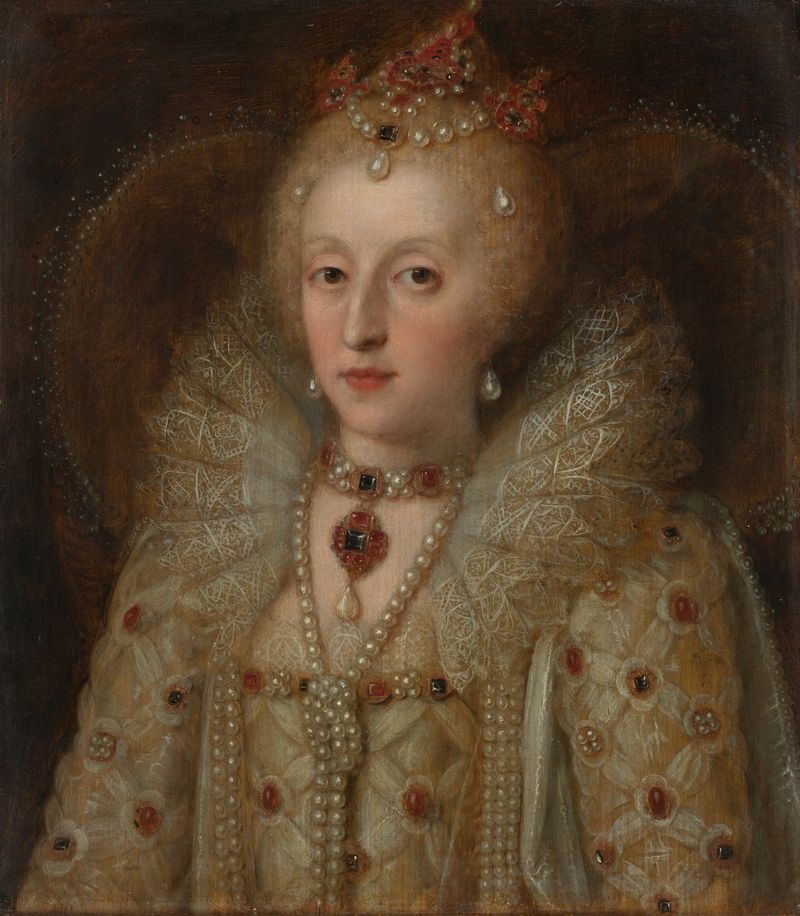
Portrait of Elizabeth I, Queen of England
Unknown Artist
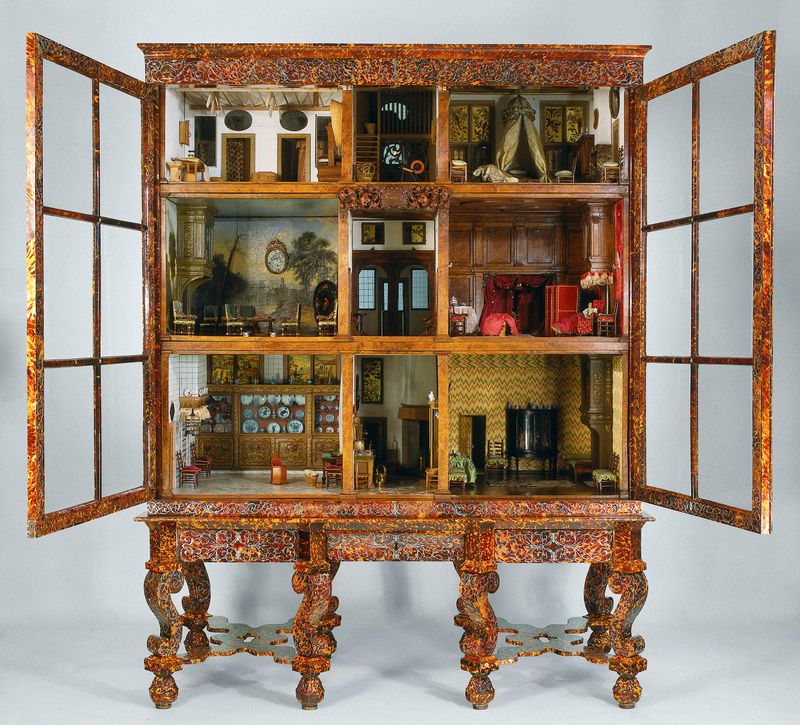
Dolls’ house of Petronella Oortman
Unknown Artist
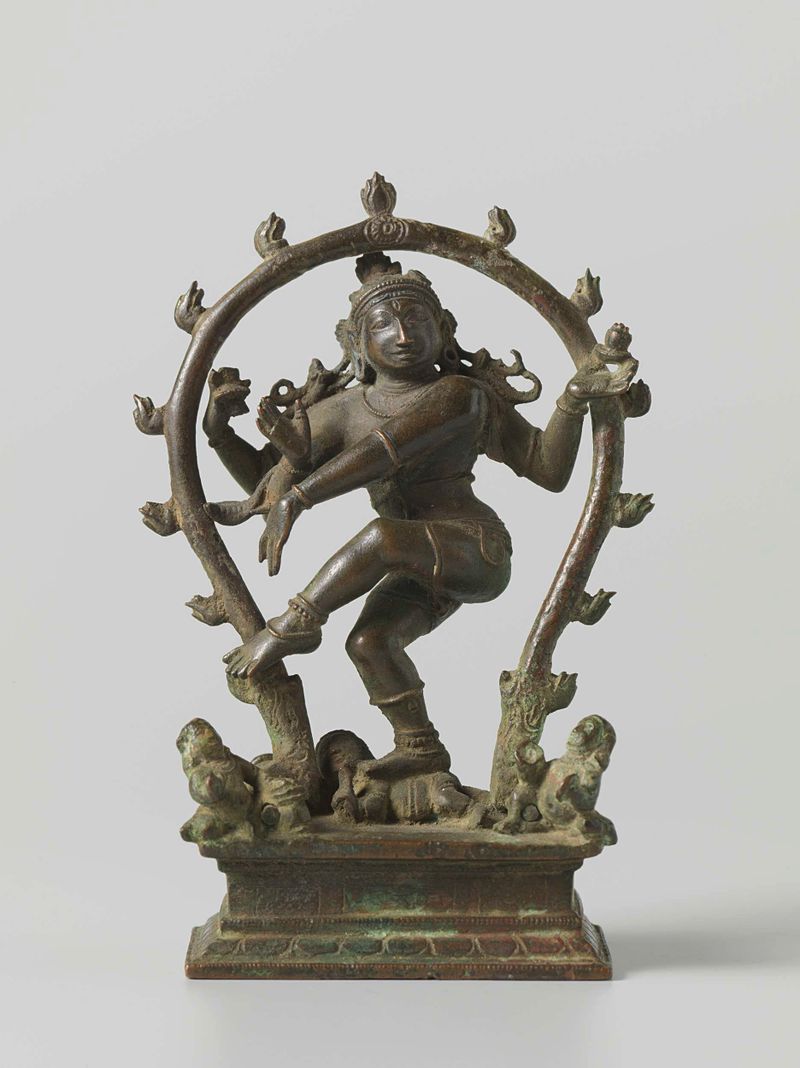
Shiva Nataraja
Unknown Artist

The Tale of Genji
Unknown Artist

The Tale of Genji
Unknown Artist

Cong
Unknown Artist
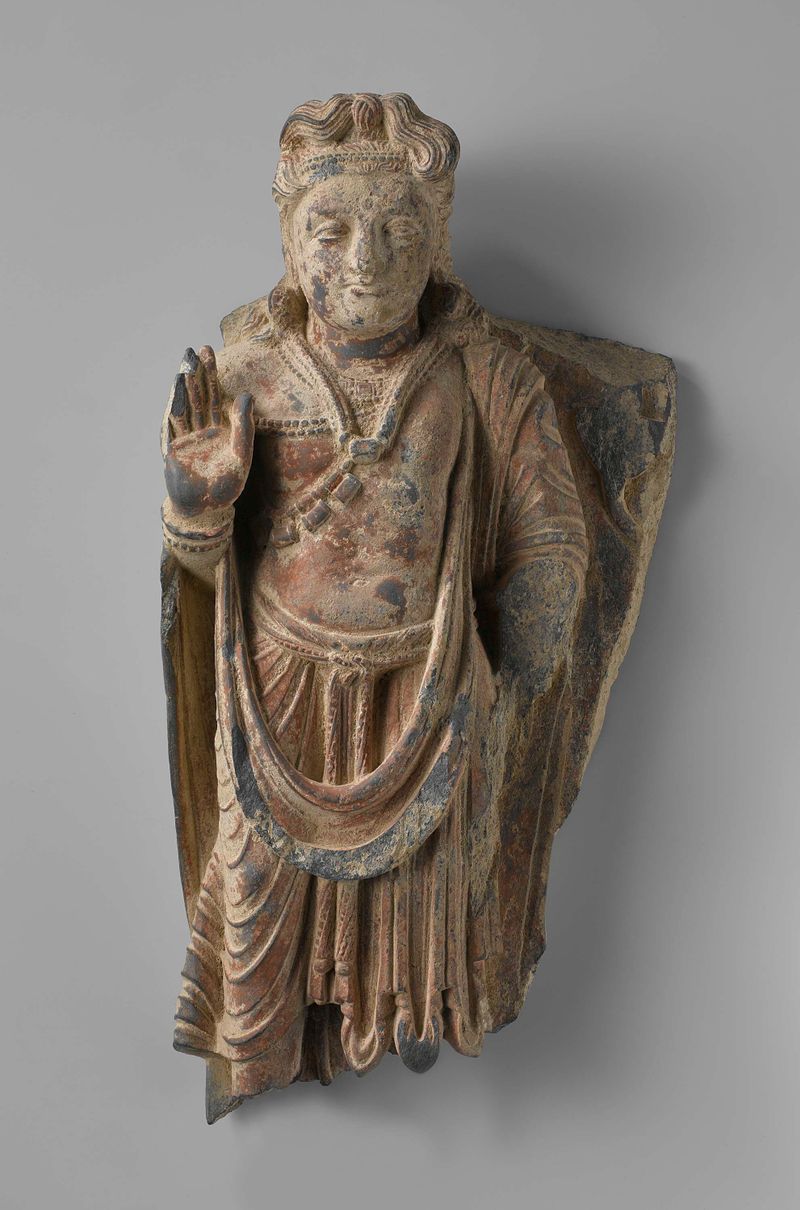
The bodhisattva Maitreya
Unknown Artist

Teabowl with a 'hare's fur' glaze
Unknown Artist