Sjaal van kloskant met golfrand — History & Facts
The canvas doesn’t lie — it simply waits. In the intricate details of lacework lies a story of craftsmanship that transcends time and speaks to the echoes of revolution. Focus on the delicate edges of the lace shawl, where the intricate patterns unfurl like whispers of a bygone era. Each thread and knot captures a moment of creation, revealing the labor and love woven into its very fabric.
Notice how the interplay of light dances across the surface, illuminating the fine contours and casting shadows that enhance its delicate beauty. The soft, muted palette invites the viewer to lean closer, to appreciate the subtle variations that make each inch a world of its own. Beneath its beauty, the lace shawl serves as a reminder of societal shifts — the rise of women's independence intertwined with the artistry of domestic crafts. The fine craftsmanship contrasts sharply with the industrial revolution's march, symbolizing a quiet rebellion against a mechanized world.
The shawl is not merely an accessory; it embodies the tension between tradition and the new freedoms blossoming in society. Created between 1875 and 1899, this piece reflects a time when anonymous artisans preserved their craft amidst rapid change. While the artist remains unknown, the work captures the essence of an era where handmade beauty stood in stark contrast to an increasingly industrialized society. This lace shawl encapsulates a fleeting moment in history, one that resonates with the ongoing dialogue of art, identity, and revolution.
More Artworks by Unknown Artist
Browse all →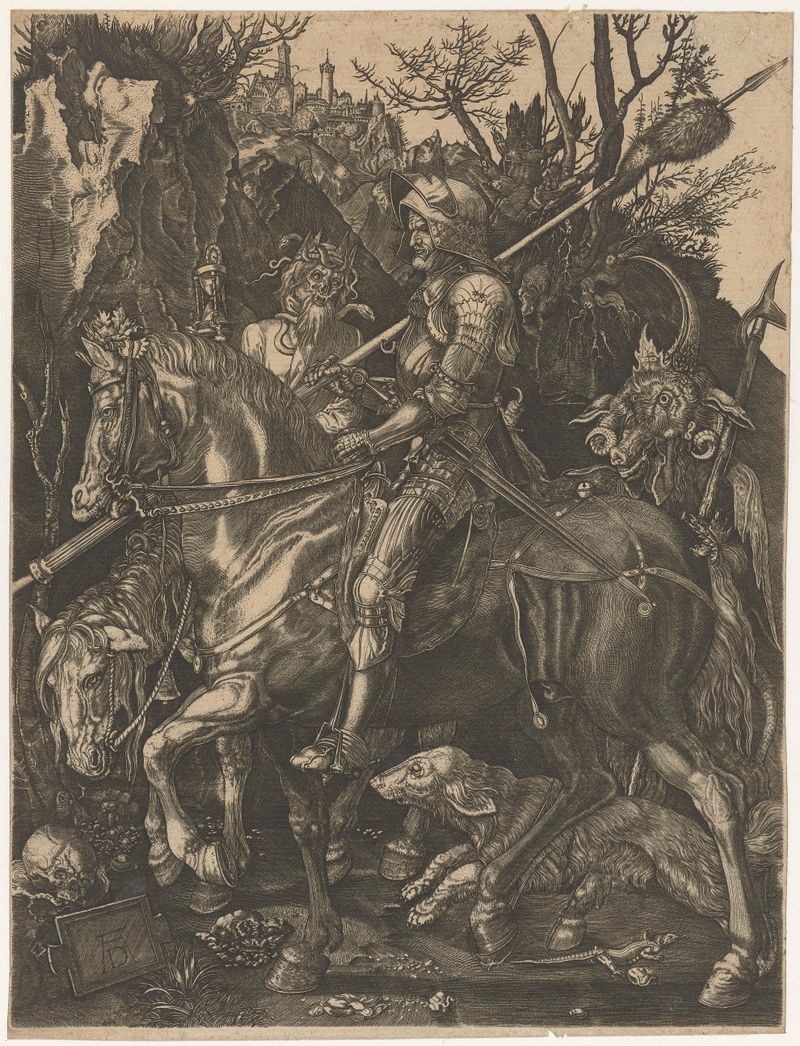
Ridder, Dood en Duivel
Unknown Artist
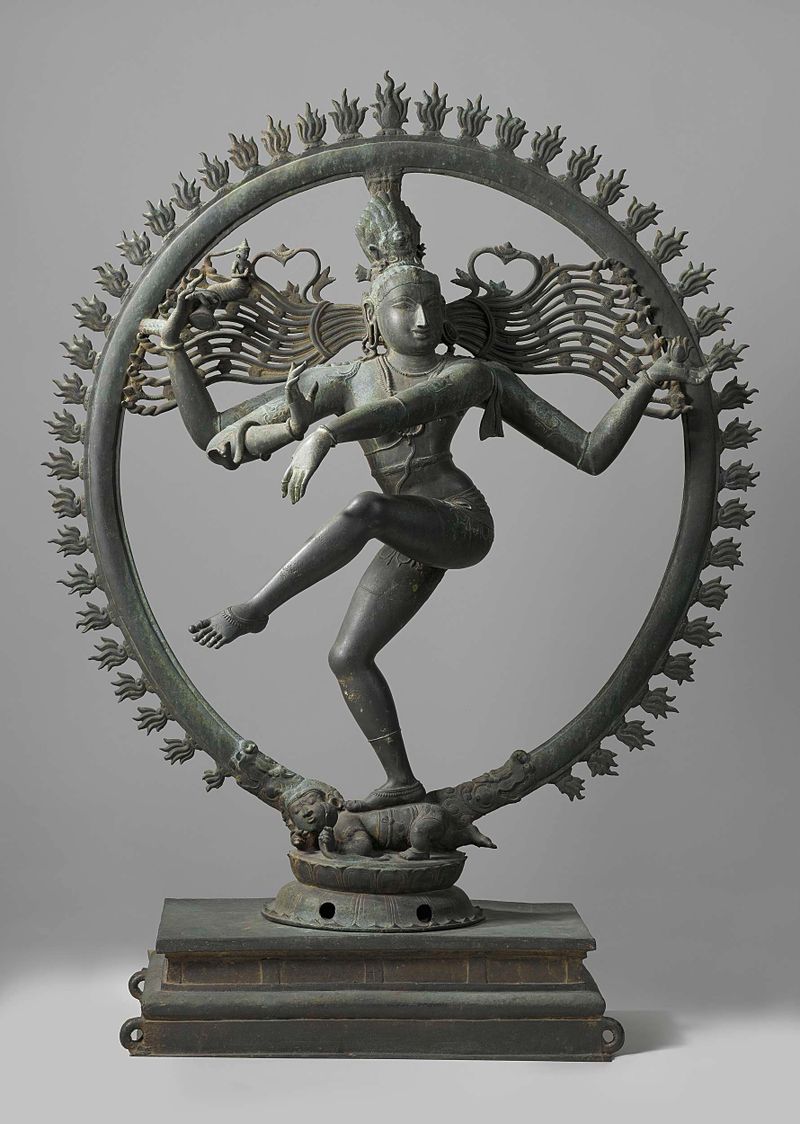
Shiva Nataraja
Unknown Artist
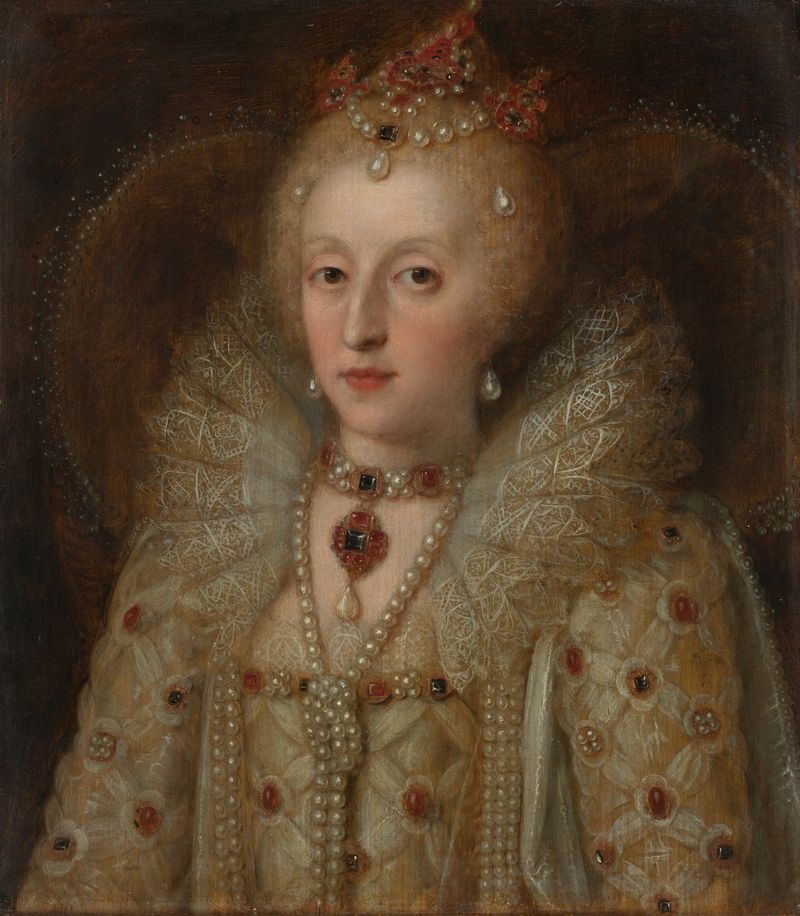
Portrait of Elizabeth I, Queen of England
Unknown Artist
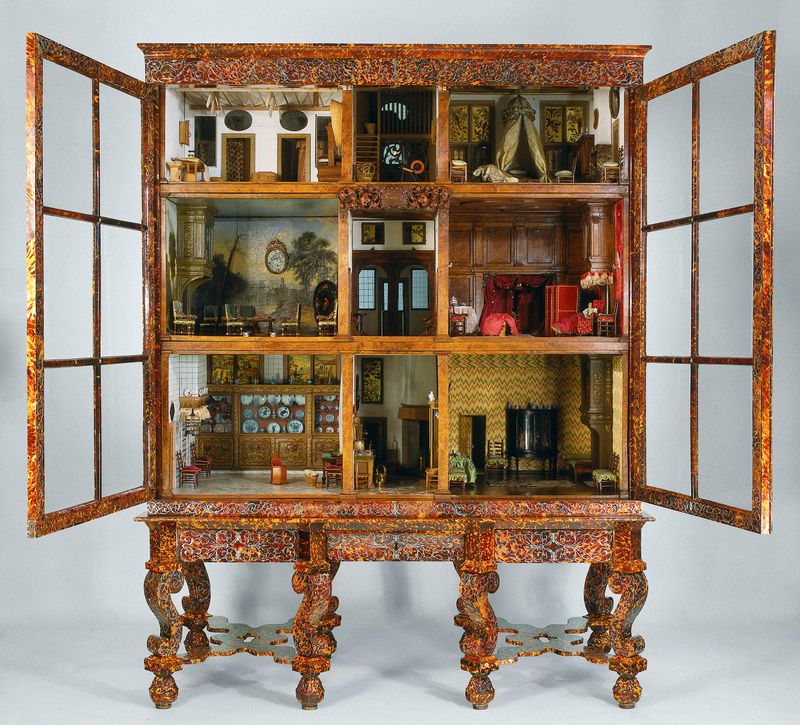
Dolls’ house of Petronella Oortman
Unknown Artist
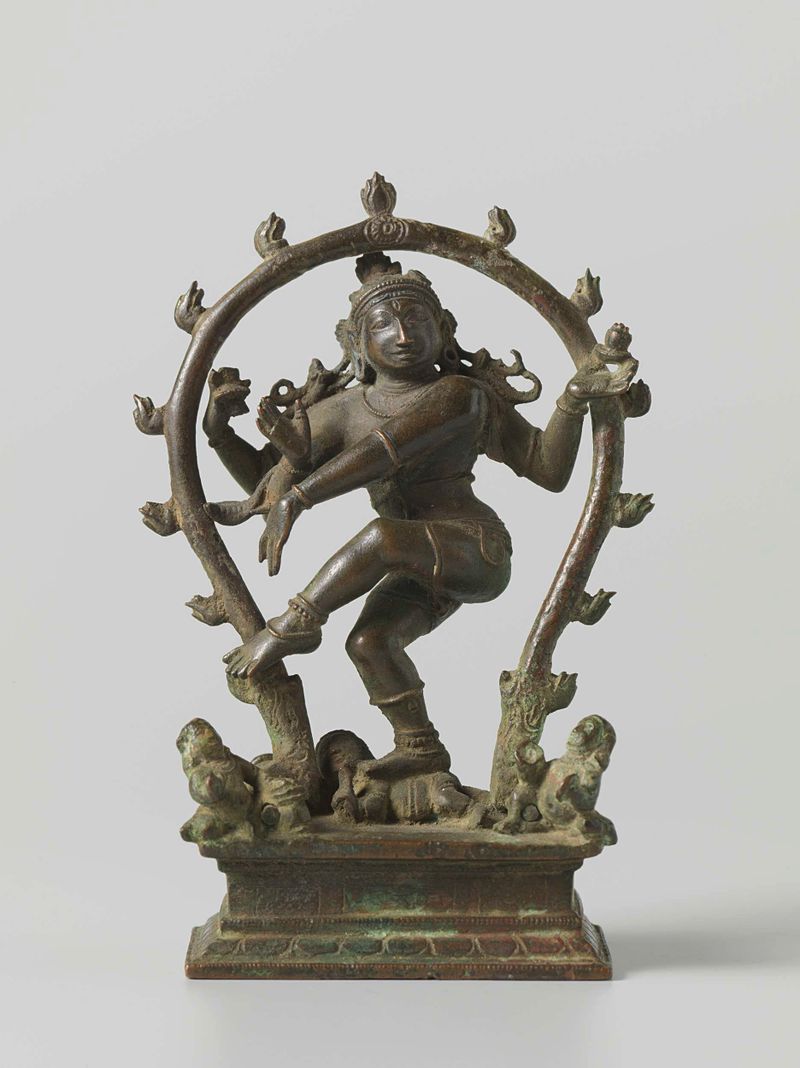
Shiva Nataraja
Unknown Artist

The Tale of Genji
Unknown Artist

The Tale of Genji
Unknown Artist
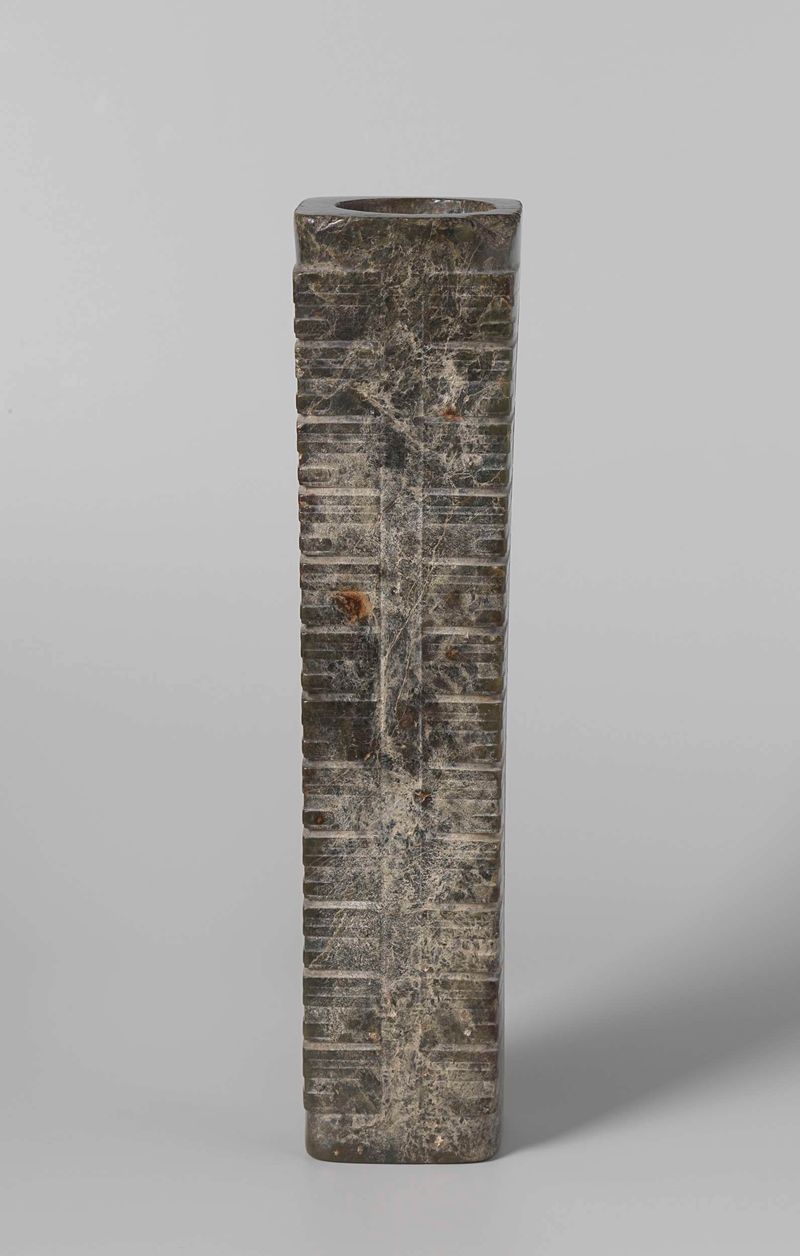
Cong
Unknown Artist
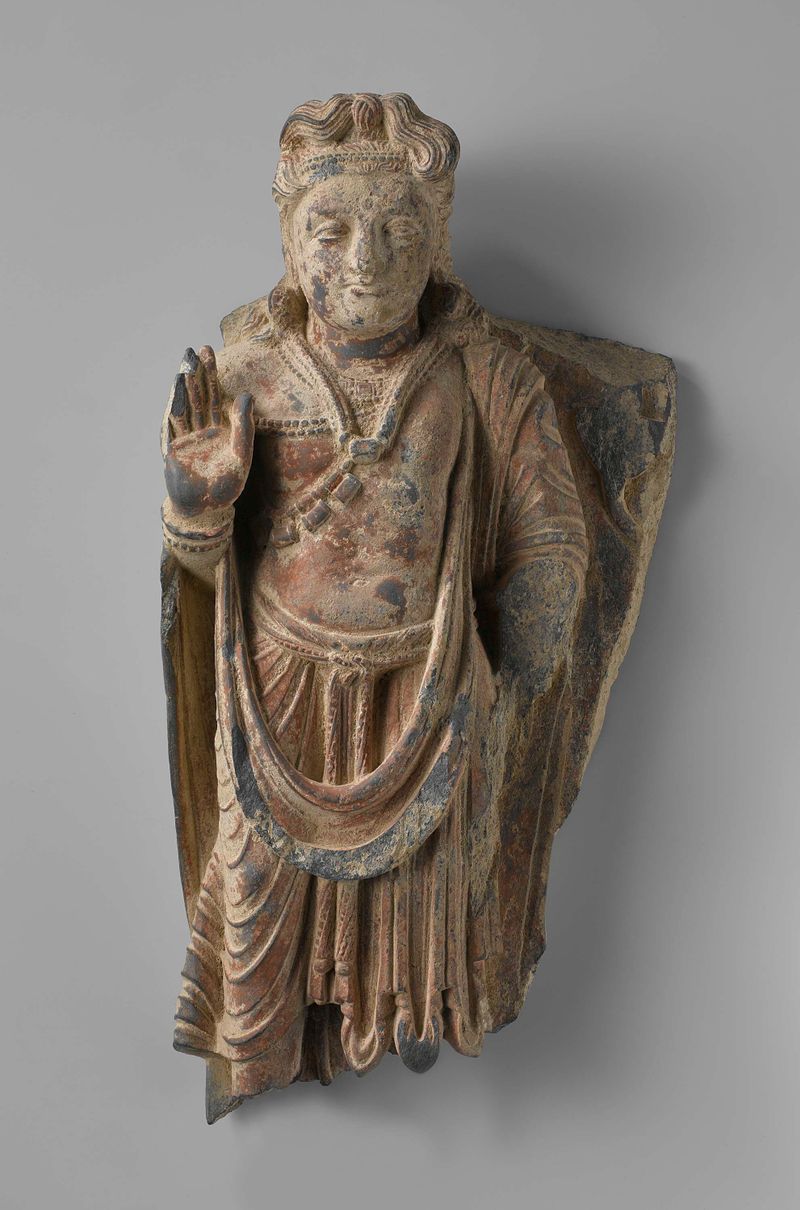
The bodhisattva Maitreya
Unknown Artist
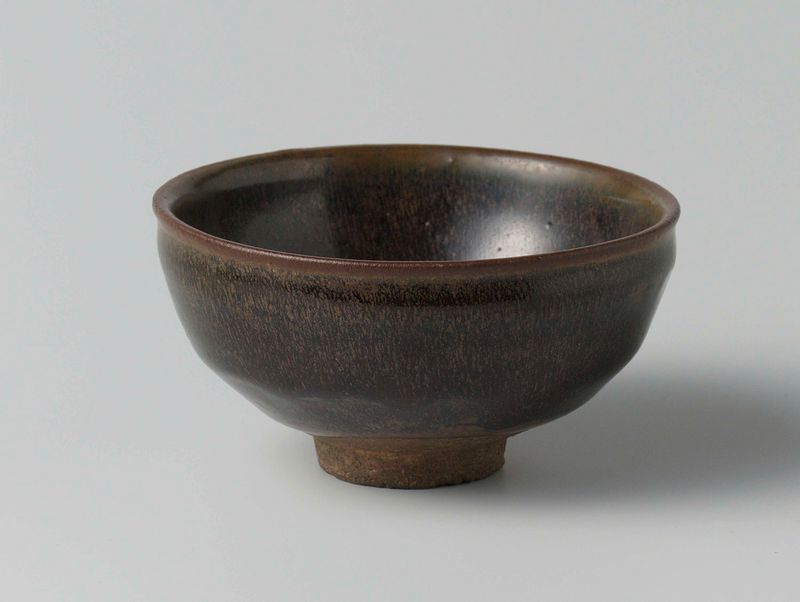
Teabowl with a 'hare's fur' glaze
Unknown Artist