Sjaal van kloskant met halve cirkelbogen — History & Facts
Can paint confess what words never could? In the delicate interplay of threads and hues, the essence of faith weaves a narrative that transcends mere description. Look closely at the intricate lacework that forms the central motif of this textile piece. The half-circle arches, meticulously crafted, draw the eye into a rhythmic dance of repetition and symmetry. The soft cream tones blend seamlessly with the subtle shadows, creating a gentle luminosity that evokes a sense of serenity.
Notice how the delicate edges of the lace flutter like whispers, inviting contemplation and reverence. As you explore further, consider the contrasts at play: the fragility of the lace juxtaposed with the strength of the faith it represents. Each curve and loop is not merely decorative; they symbolize the bonds of community and the shared experiences of devotion. The intricate craftsmanship speaks to the artist’s dedication, a silent testament to the emotional weight that this piece carries for both the creator and the observer. This artwork emerged in the mid-19th century, a time when the decorative arts were witnessing a revival in Europe.
Though the artist remains anonymous, the period was marked by a burgeoning interest in artisan craftsmanship, where personal faith and communal identity were often intertwined in the artistic process. The cultural climate fostered a profound respect for handmade objects, making this piece an embodiment of its time—infused with a spiritual resonance that still echoes today.
More Artworks by Unknown Artist
Browse all →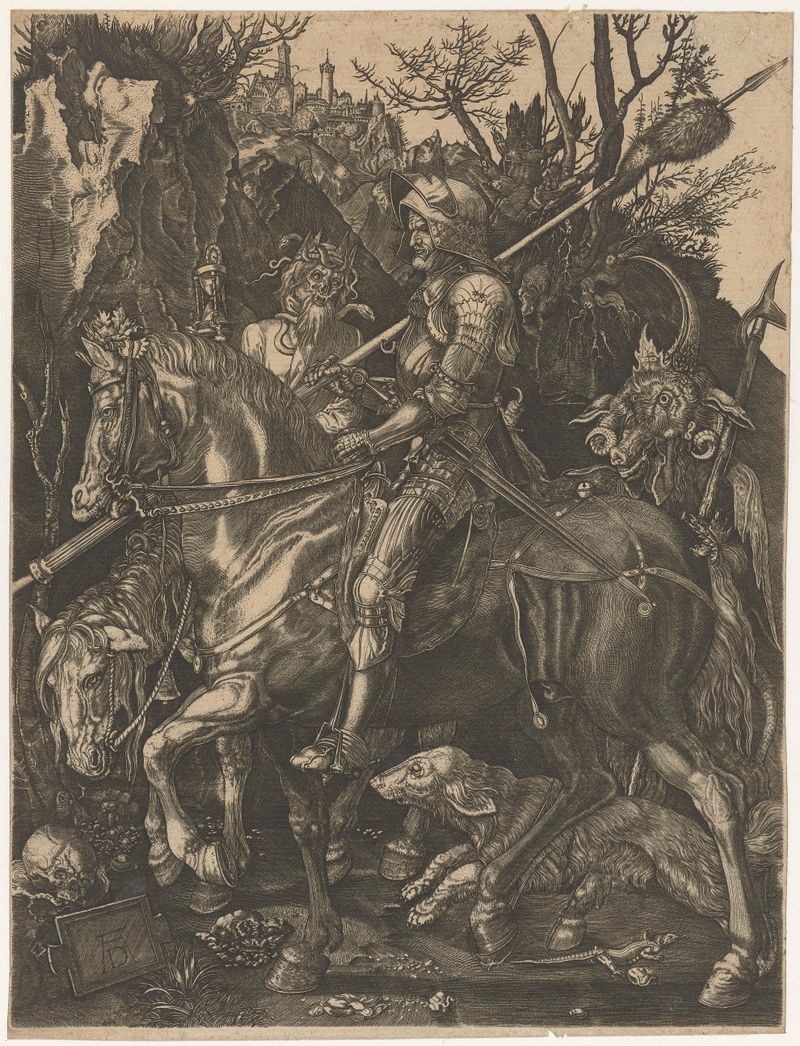
Ridder, Dood en Duivel
Unknown Artist
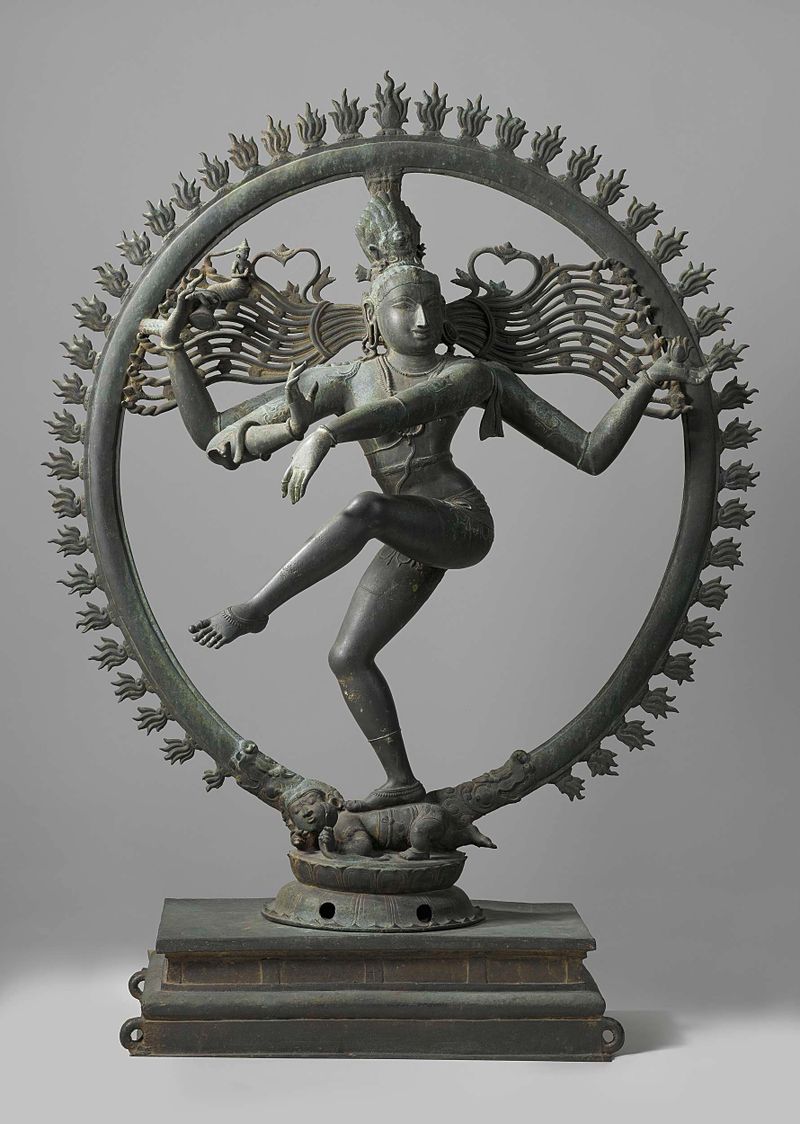
Shiva Nataraja
Unknown Artist
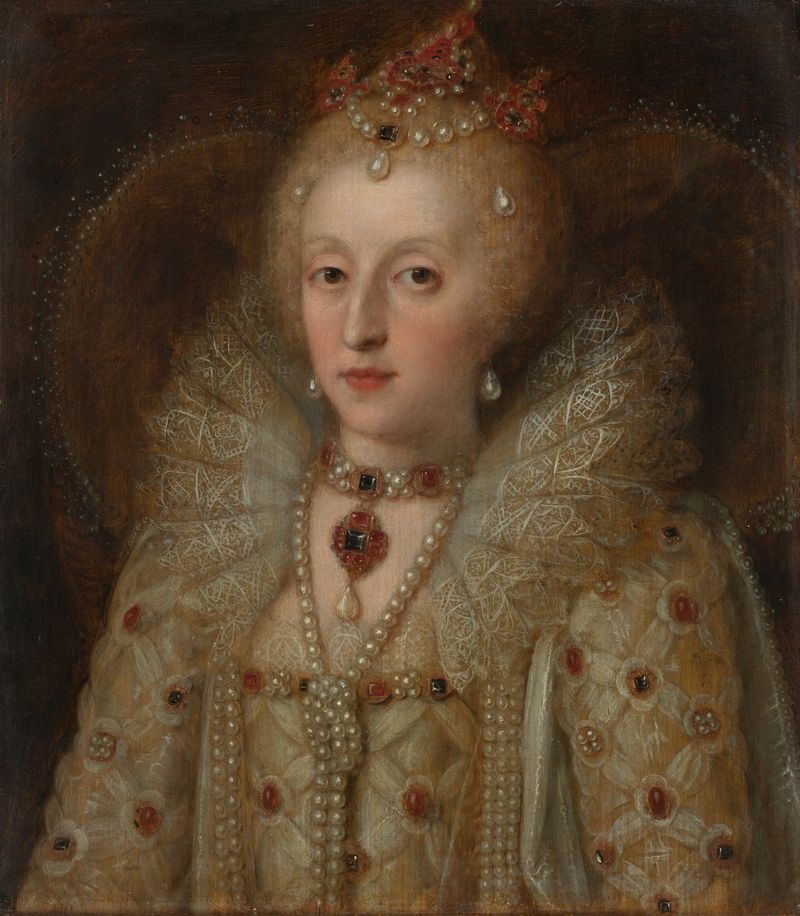
Portrait of Elizabeth I, Queen of England
Unknown Artist
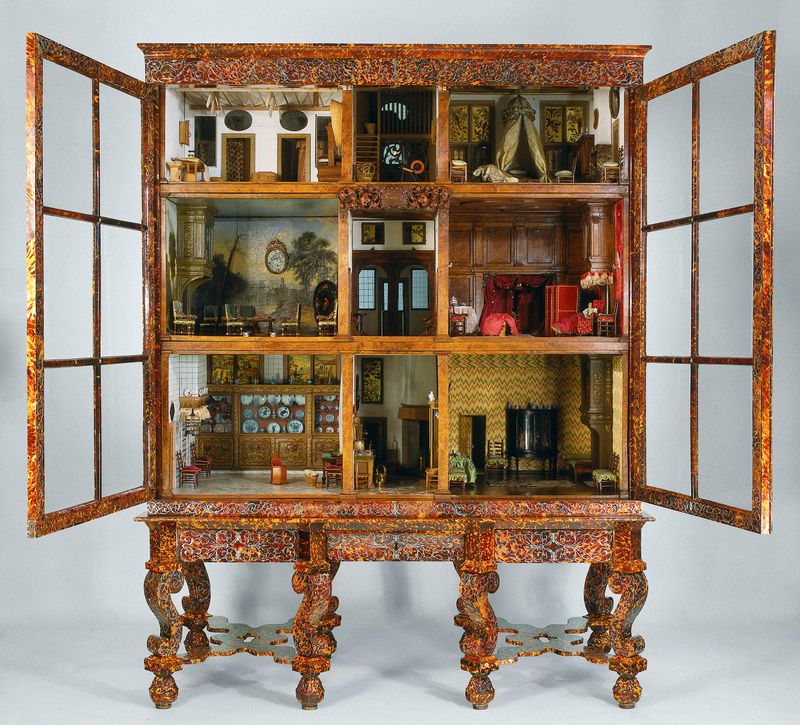
Dolls’ house of Petronella Oortman
Unknown Artist
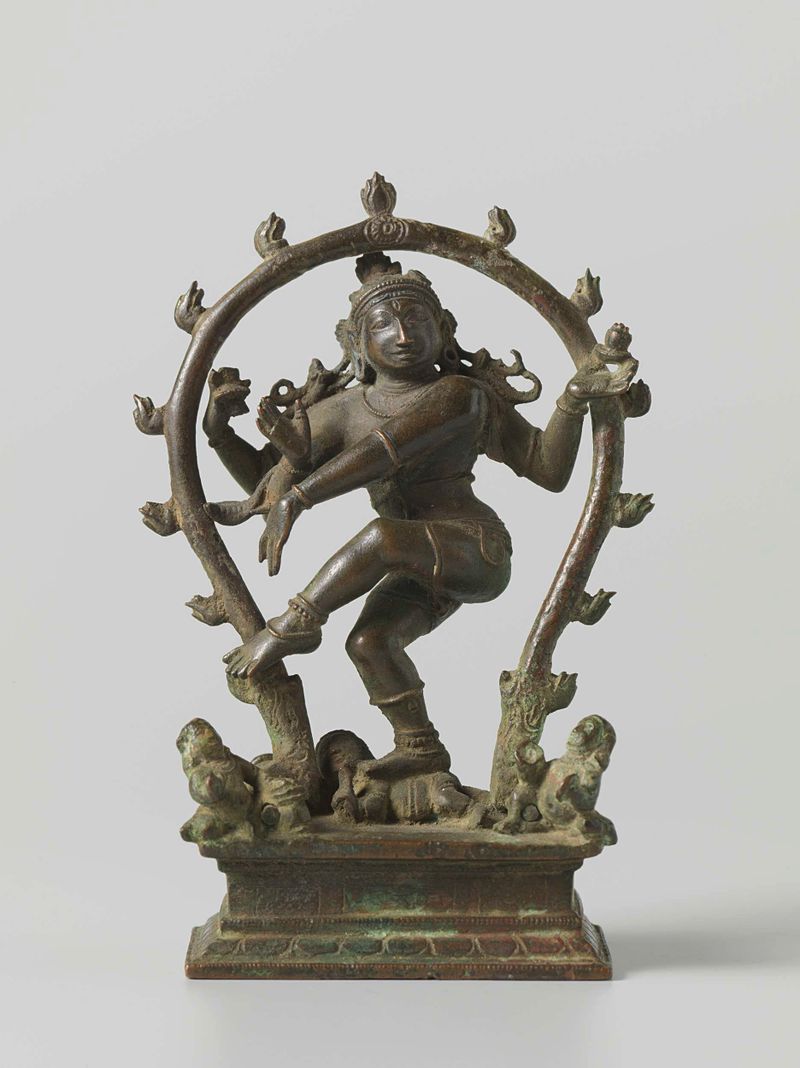
Shiva Nataraja
Unknown Artist

The Tale of Genji
Unknown Artist

The Tale of Genji
Unknown Artist

Cong
Unknown Artist
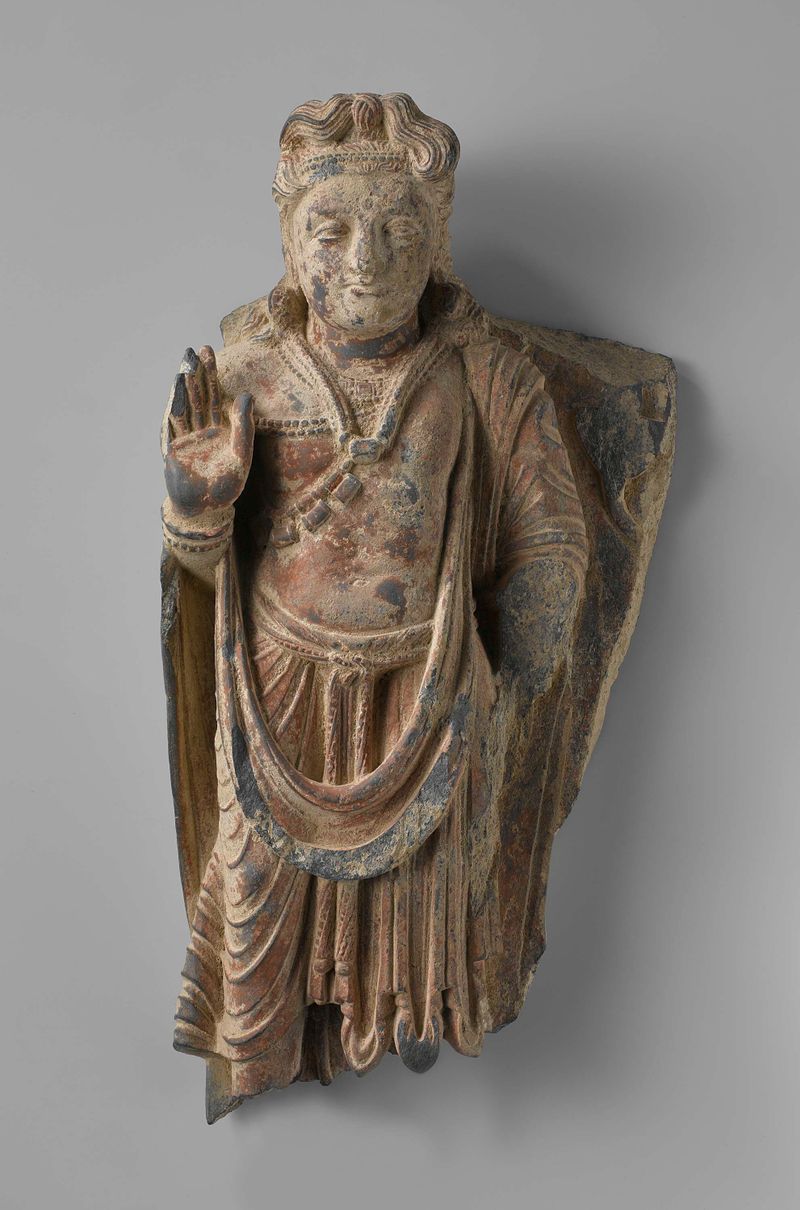
The bodhisattva Maitreya
Unknown Artist

Teabowl with a 'hare's fur' glaze
Unknown Artist