
Skanderborg — History & Facts
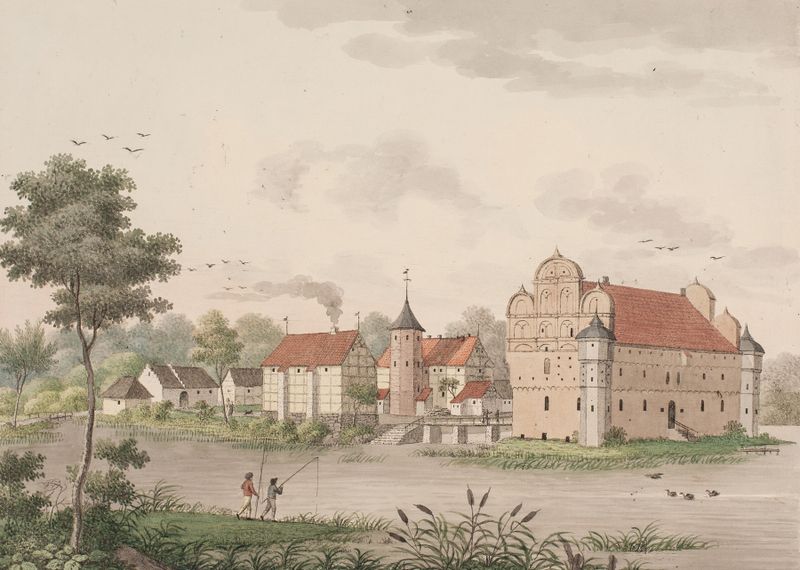
What if beauty was never meant to be finished? In the quiet solitude of Skanderborg, a landscape unfolds that both captivates and unsettles, whispering of an elusive perfection that dances at the edge of perception. Look to the left, where the soft, muted greens of the trees merge seamlessly with the bluish hues of the distant hills. Notice how the light filters through the foliage, casting dappled shadows on the ground, creating a fragile interplay of illumination and darkness. The composition draws the eye toward a tranquil lake at the center, its still waters mirroring the sky, yet hints of agitation ripple beneath the surface, invoking a sense of unease.
The palette, dominated by cool tones, adds to the tension, suggesting an undercurrent of fear lurking in the beauty. Yet, beneath its calm exterior, the painting reveals deeper emotional complexities. The encroaching shadows of the trees loom as if to warn against the fleeting nature of tranquility, while the subtle hints of turbulence in the water reflect an unavoidable change. The juxtaposition of serenity and anxiety captures the fragility of existence—beauty, after all, is often intertwined with fear of its transience.
The viewer is left to ponder what lies just beyond the frame, a reminder that peace is never wholly unthreatened. Søren L. Lange painted Skanderborg between 1822 and 1823 during a period marked by burgeoning Romanticism in Denmark. As a landscape artist, he was influenced by the natural beauty surrounding him, yet the era also resonated with personal and societal transformations.
With increased interest in exploring emotional depth through art, Lange’s painting reflects not only his artistic journey but also the turbulent undercurrents of a rapidly changing world, reminding the viewer that beauty and fear can coexist in a delicate balance.
More Artworks by Søren L. Lange
Browse all →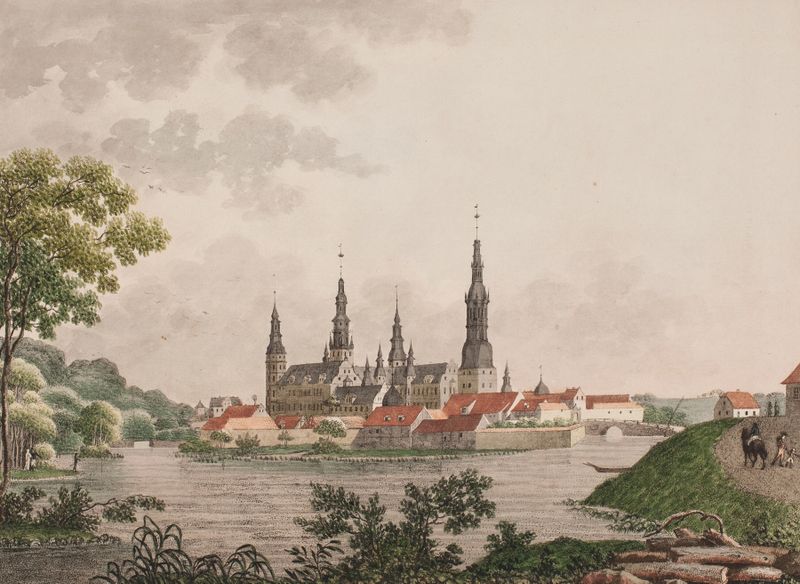
Prospekt af det kongelige slot Frederiksborg på Sjælland
Søren L. Lange
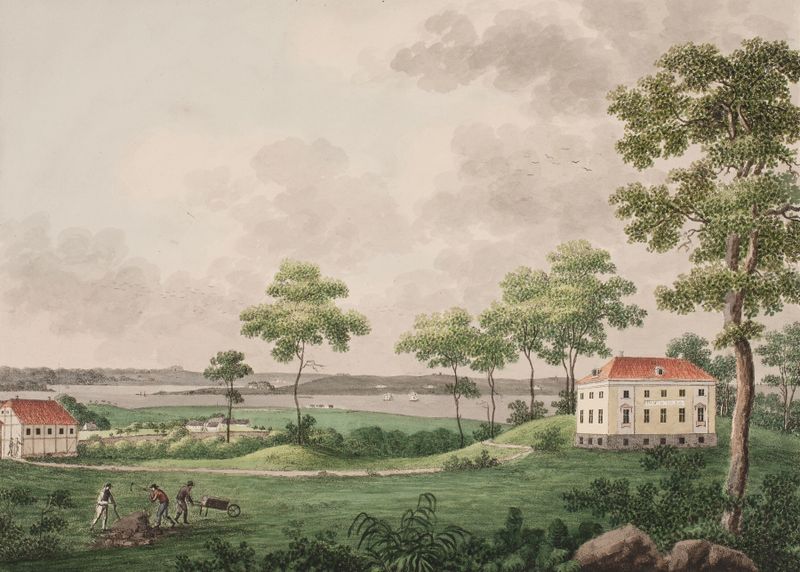
Udsigt af en Parcelle ved Grønsund på Falster under det Classenske Agerdyrknings Institut
Søren L. Lange
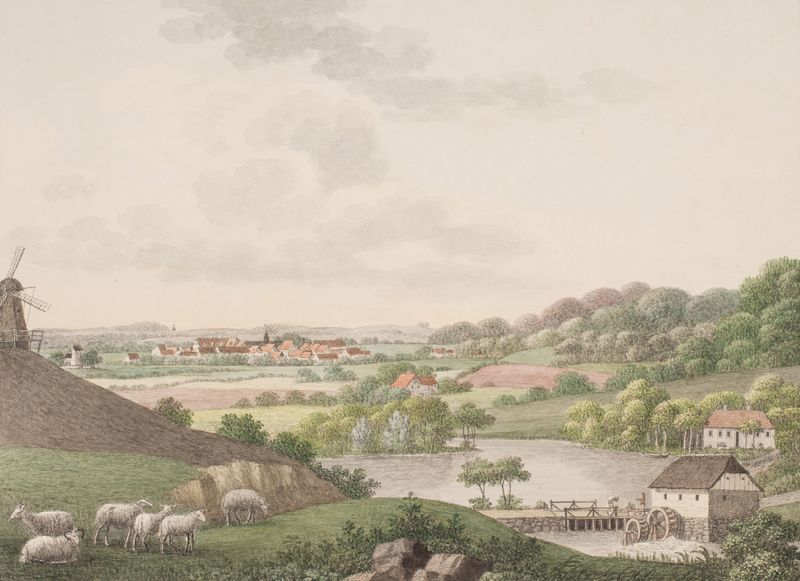
Christiansfeld, fra den østlige side
Søren L. Lange
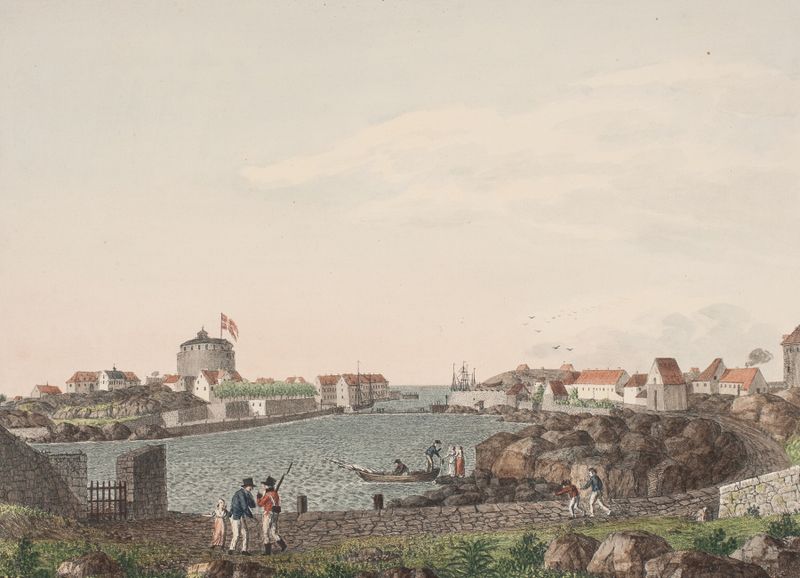
Christiansø. Nordhavnen
Søren L. Lange
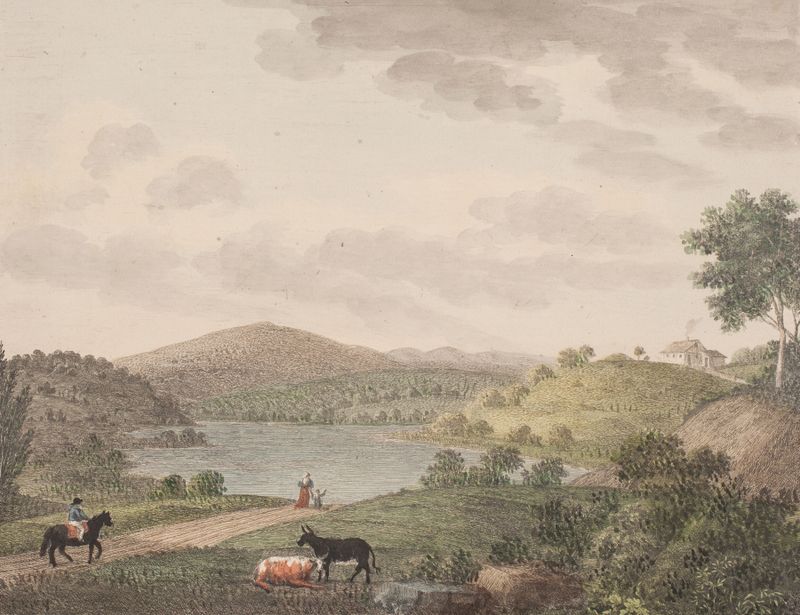
Aborrebjerget. En udsigt på Møn
Søren L. Lange
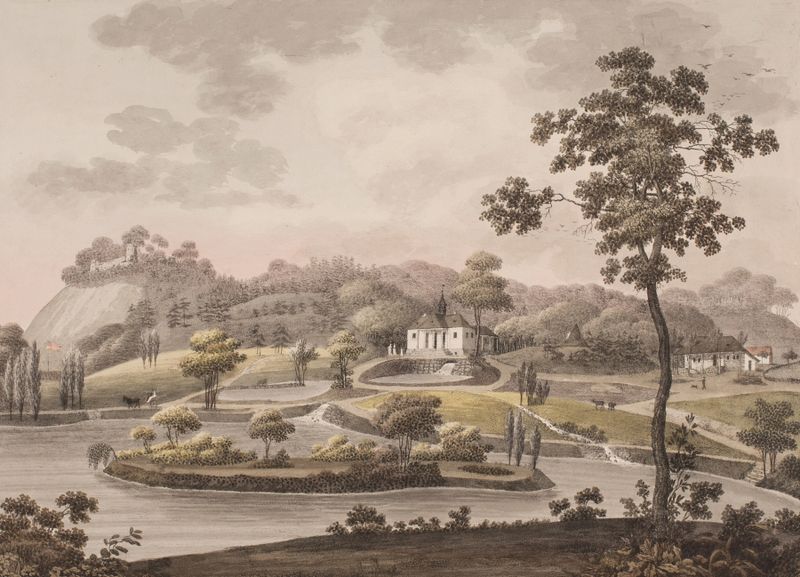
Liselund på Møn i Danmark
Søren L. Lange
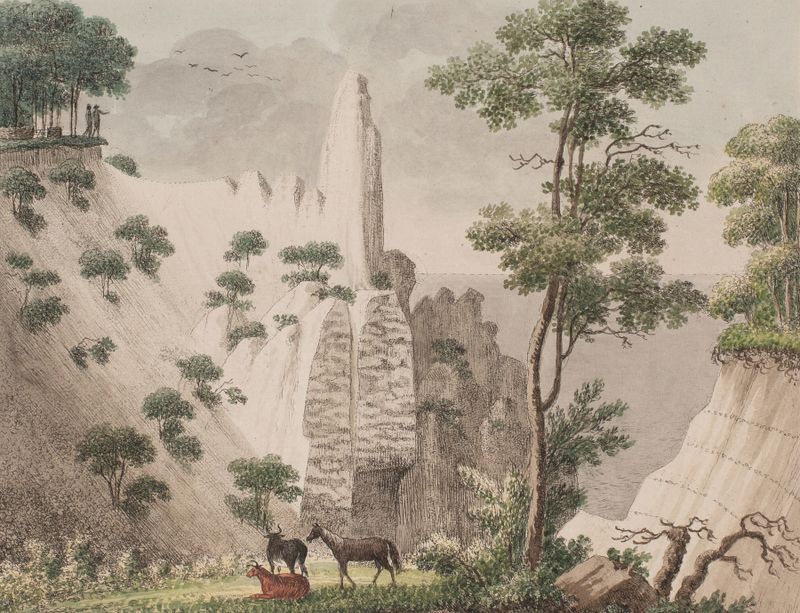
Udsigt af Sommerspiret i kridtbjergene på Møn
Søren L. Lange
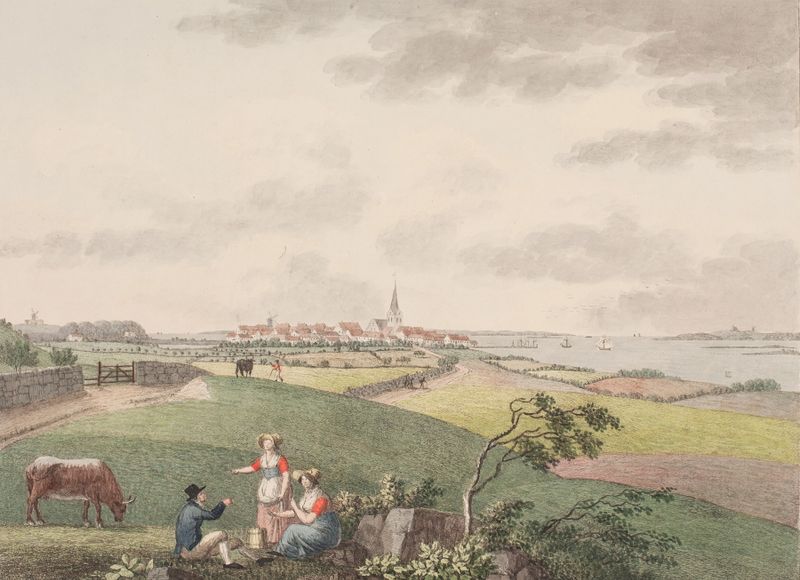
Rudkøbing på Langeland
Søren L. Lange
Hesselagergaard på Fyn
Søren L. Lange
En udsigt ved Liselund på Møen
Søren L. Lange





