Sketchbook #3 — History & Facts
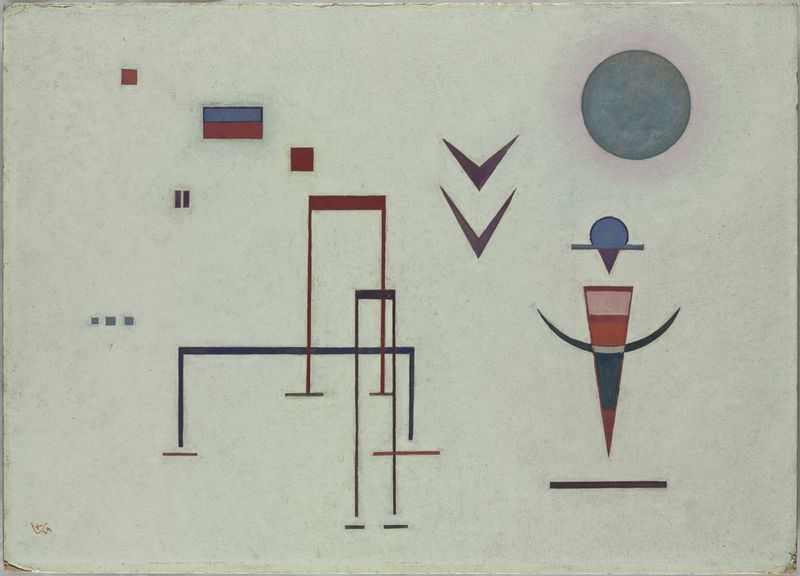
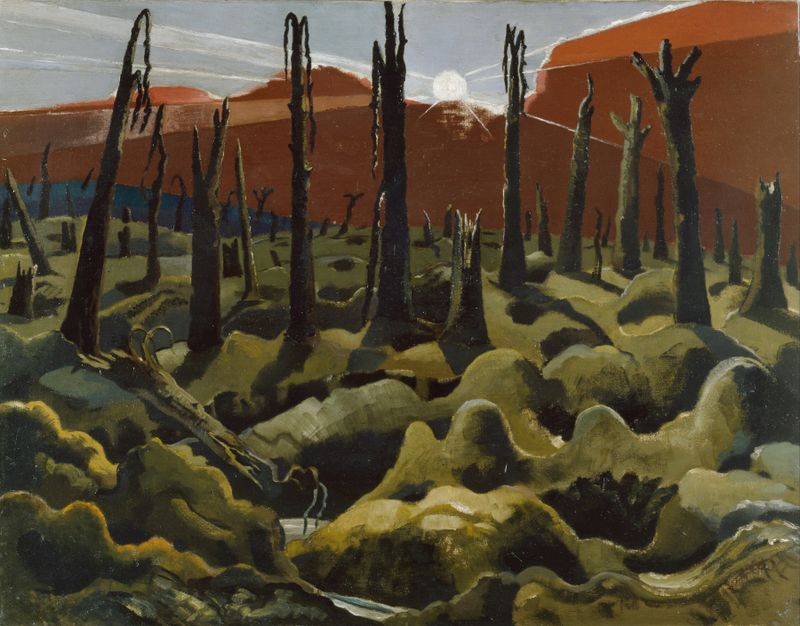
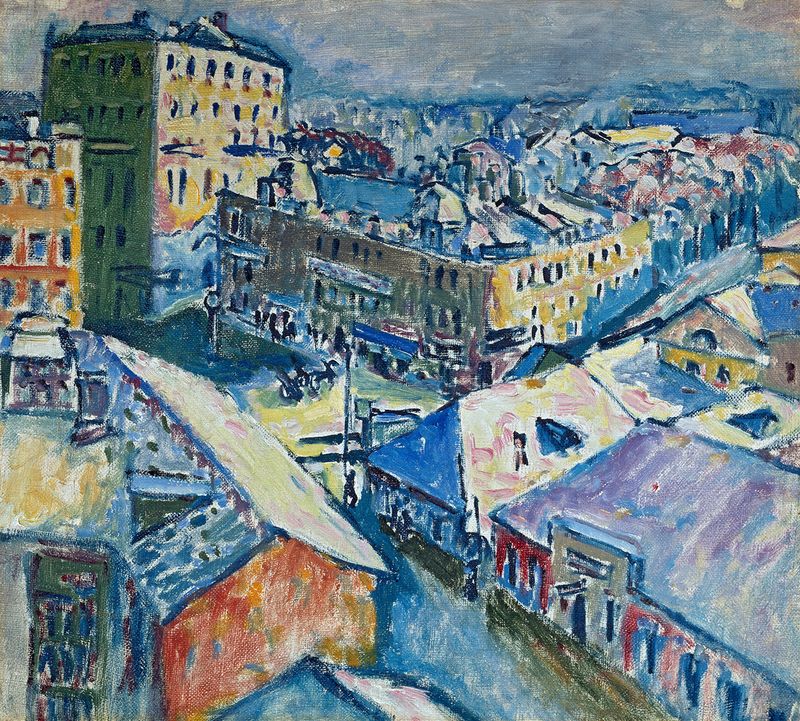
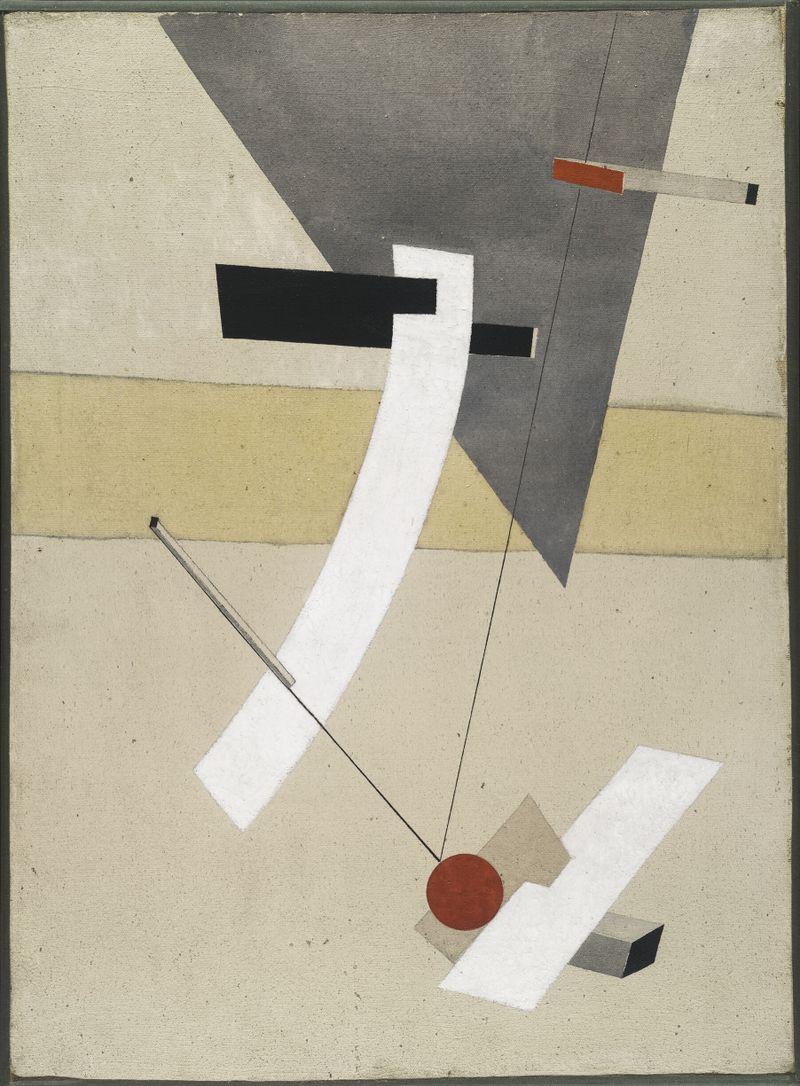
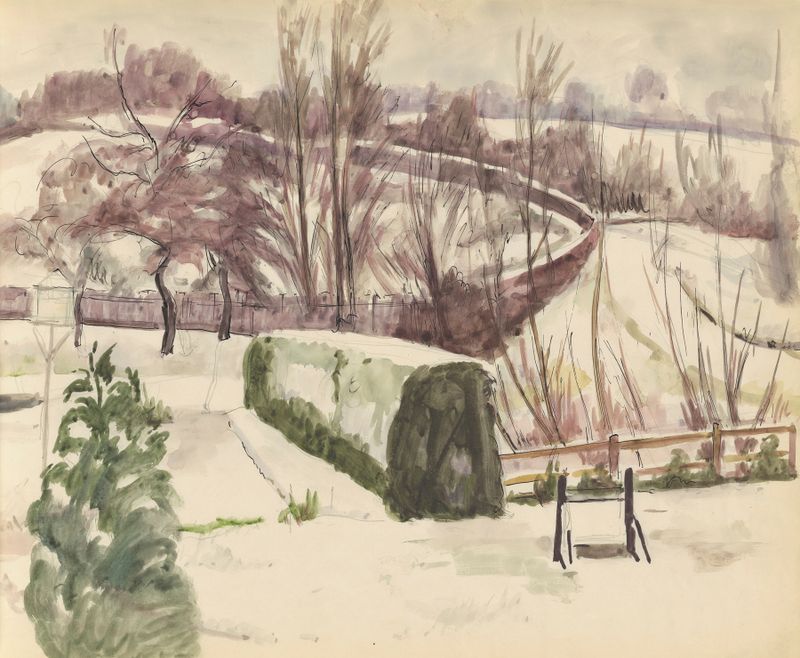
When did color learn to lie? As we navigate the vast realms of artistic expression, this question lingers, challenging our perceptions of truth and illusion. Look to the vibrant hues that pulse across the canvas; they are alive, almost breathing. The bold strokes create a dynamic interplay between chaos and control, drawing your gaze to the swirling forms that seem to dance. Notice how the warm tones of orange and red juxtapose against cool blues and greens, evoking a sense of movement and emotional depth.
Each layer reveals the artist’s hand, inviting you to decipher the underlying narrative and emotions expressed through color. Upon closer inspection, hints of contradictions emerge—light seemingly radiates from shadows, creating a tension between hope and despair. The frenetic energy of the brushwork suggests creation in the throes of chaos, capturing the essence of artistic struggle. Within this vibrant chaos, one might uncover the quiet reflections of a passionate artist wrestling with their own truths, manifesting the desire to break free from convention. In the 1930s, Frederick Porter created Sketchbook #3 during a time of artistic experimentation and turbulence in America.
He was influenced by the burgeoning modernist movement, where abstraction and expressionism began to take hold. Amidst this shifting landscape, Porter sought to explore the boundaries of color and form, documenting the essence of his creative journey in a world that was both tumultuous and invigorating.
More Artworks by Frederick Porter
Browse all →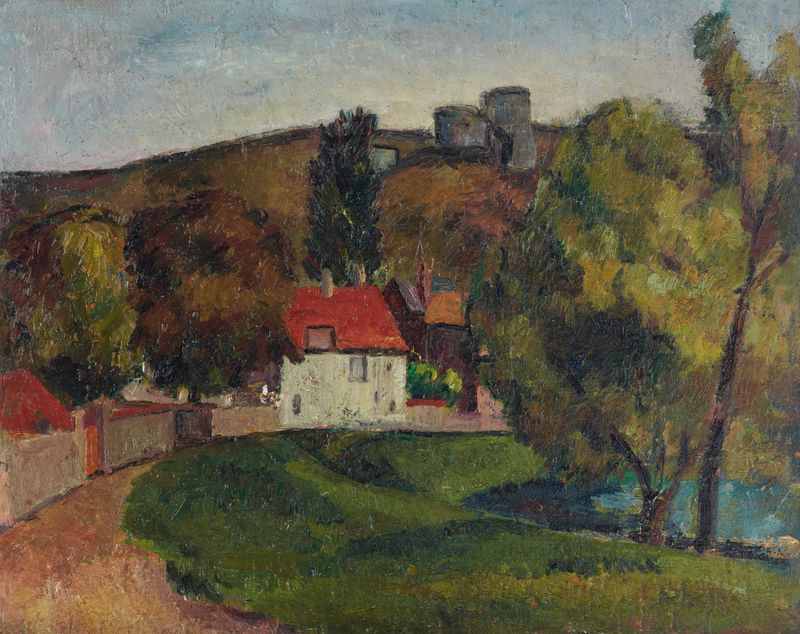
Landscape Village beneath the ruins
Frederick Porter

Sketchbook of Fred J Porter #15
Frederick Porter
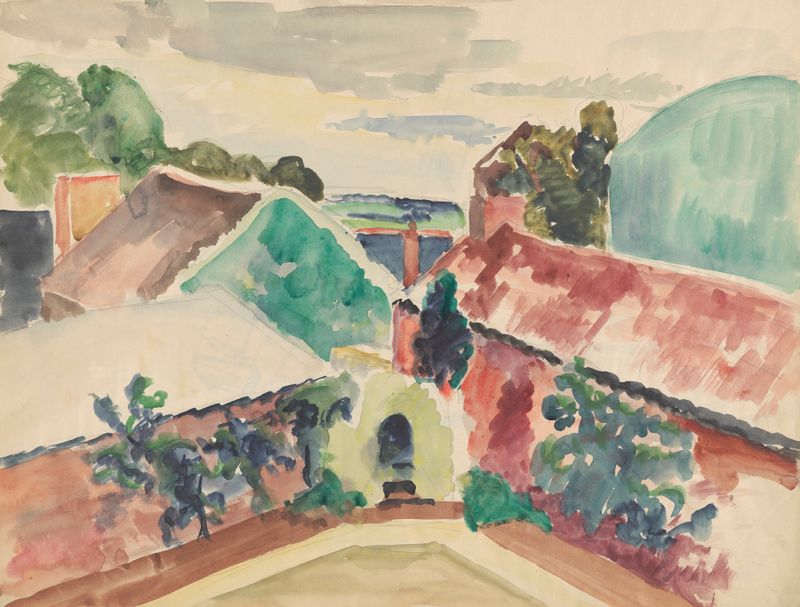
Sketchbook #2
Frederick Porter

Sketchbook of Fred J Porter #5
Frederick Porter
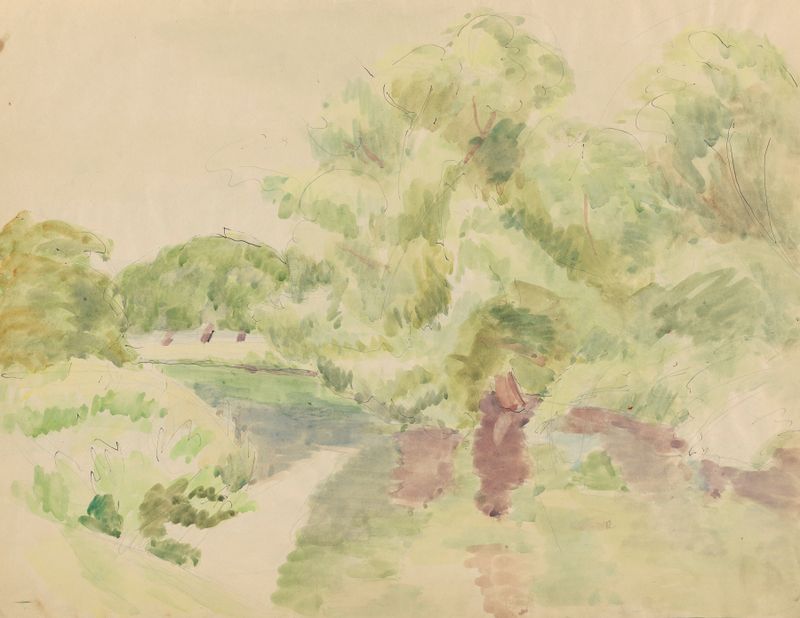
Sketchbook #4
Frederick Porter

Sketchbook of Fred J Porter #14
Frederick Porter
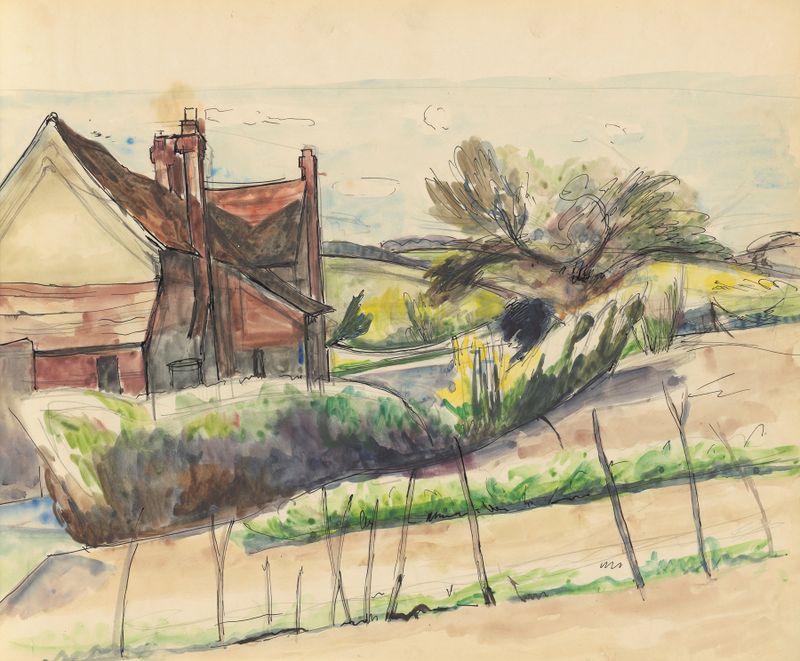
Sketchbook of Fred J Porter #13
Frederick Porter

Sketchbook of Fred J Porter #9
Frederick Porter
Sketchbook of Fred J Porter #16
Frederick Porter

Sketchbook #1
Frederick Porter