Slob(?)kous van turquoise zijden tricot, zonder voet, bij de klink lange ecrukleurige linnen linten — History & Facts
When did color learn to lie? Beneath the surface of fabric and thread, a world unfolds that blends the tangible with the ephemeral, evoking an awe that lingers. Look closely at the interplay of the turquoise silk tricot, where folds and shadows dance in a delicate simulation of movement. The gentle draping against the ecru-colored linen ribbons creates a soft contrast, guiding your gaze across the fabric's textured surface. Notice how the light plays along the contours, accentuating the lush hues while concealing the truth of their origins, leaving you mesmerized by the illusion of depth and softness. Hidden within this intricate assembly lies a tension between the artificial and the authentic.
The absence of a foot suggests an incomplete story, prompting whispers of curiosity about the object’s purpose and the identity of its maker. The juxtaposition of silk and linen may symbolize the divide between opulence and modesty, while the fluidity of the fabric hints at the elusive nature of beauty itself. Here, aesthetics become a mirror to humanity’s desires and complexities. This artwork, likely crafted between the late 17th and early 18th century, emerged in a period rich with experimentation in textiles and fashion.
The unknown artist navigated the changing tides of cultural expression, where the interplay of luxury and functionality began to define the era's aesthetic sensibilities. Amidst a world captivated by burgeoning trade and the allure of exotic materials, this creation captures a moment woven from both innovation and yearning.
More Artworks by Unknown Artist
Browse all →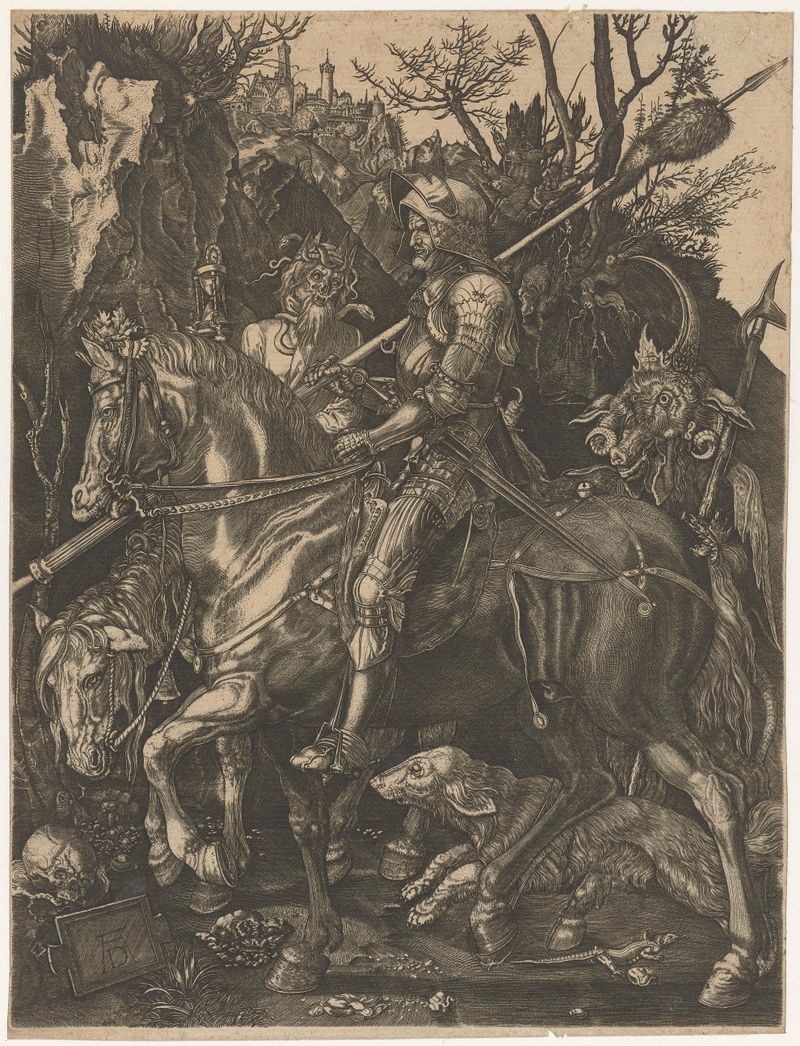
Ridder, Dood en Duivel
Unknown Artist
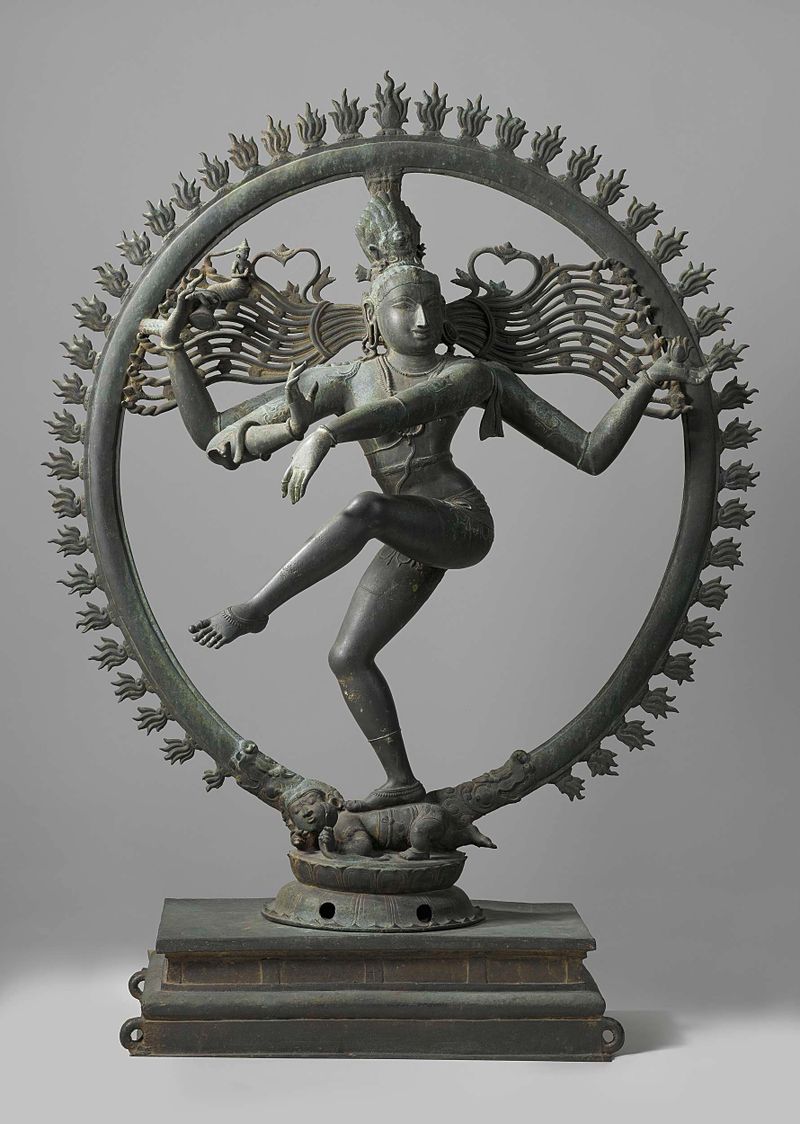
Shiva Nataraja
Unknown Artist
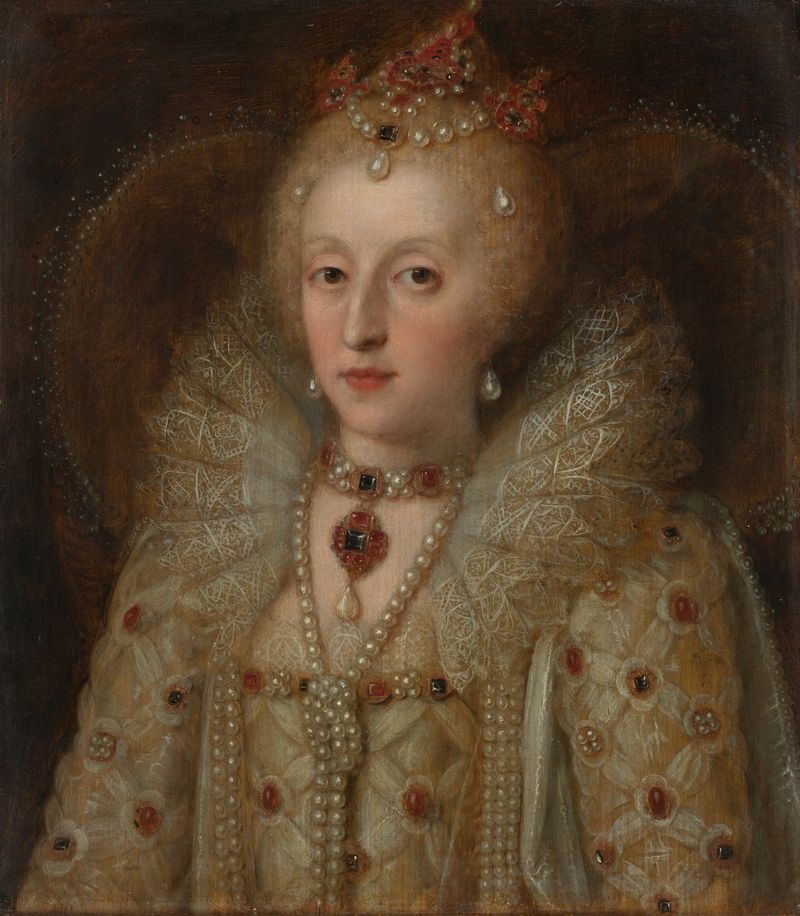
Portrait of Elizabeth I, Queen of England
Unknown Artist
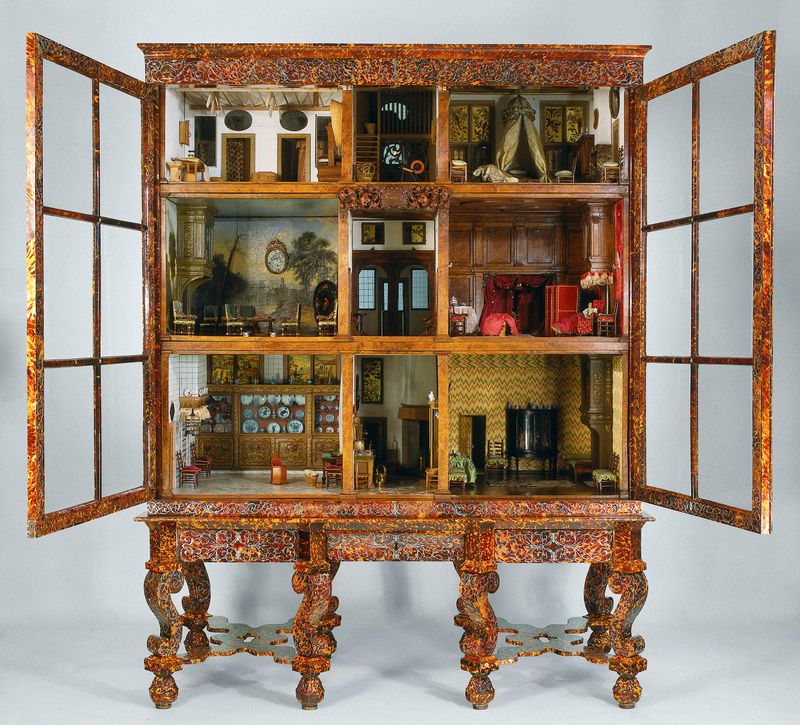
Dolls’ house of Petronella Oortman
Unknown Artist
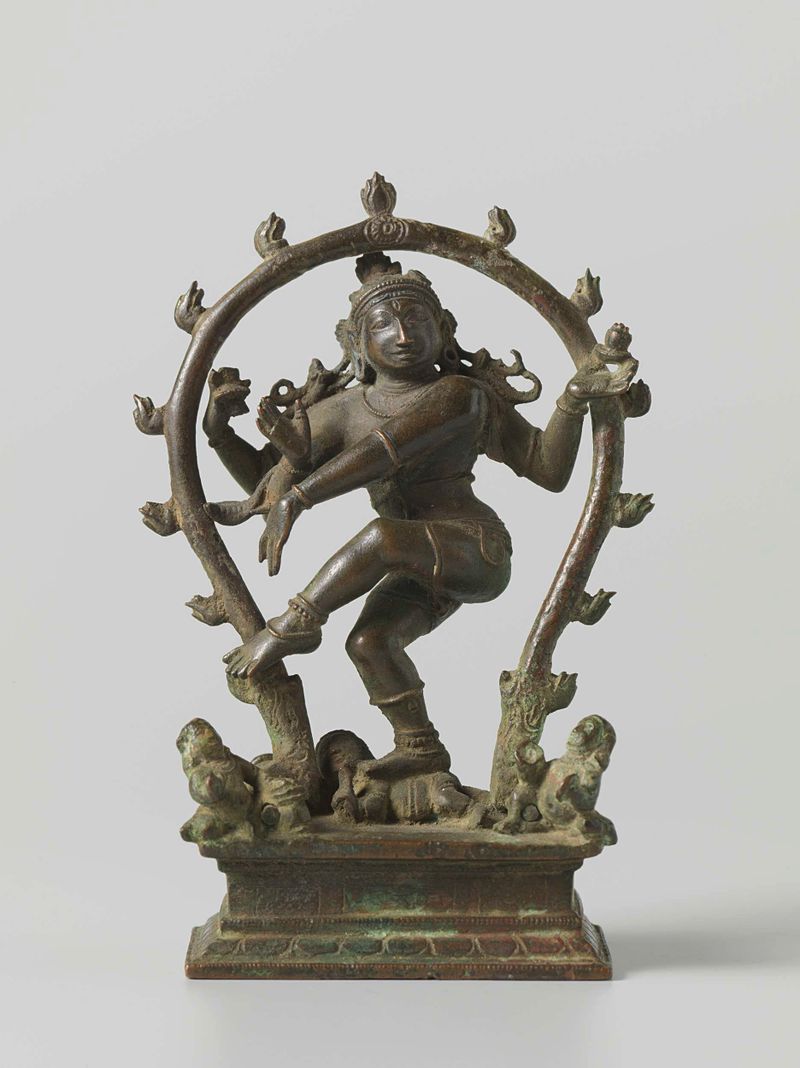
Shiva Nataraja
Unknown Artist

The Tale of Genji
Unknown Artist

The Tale of Genji
Unknown Artist

Cong
Unknown Artist
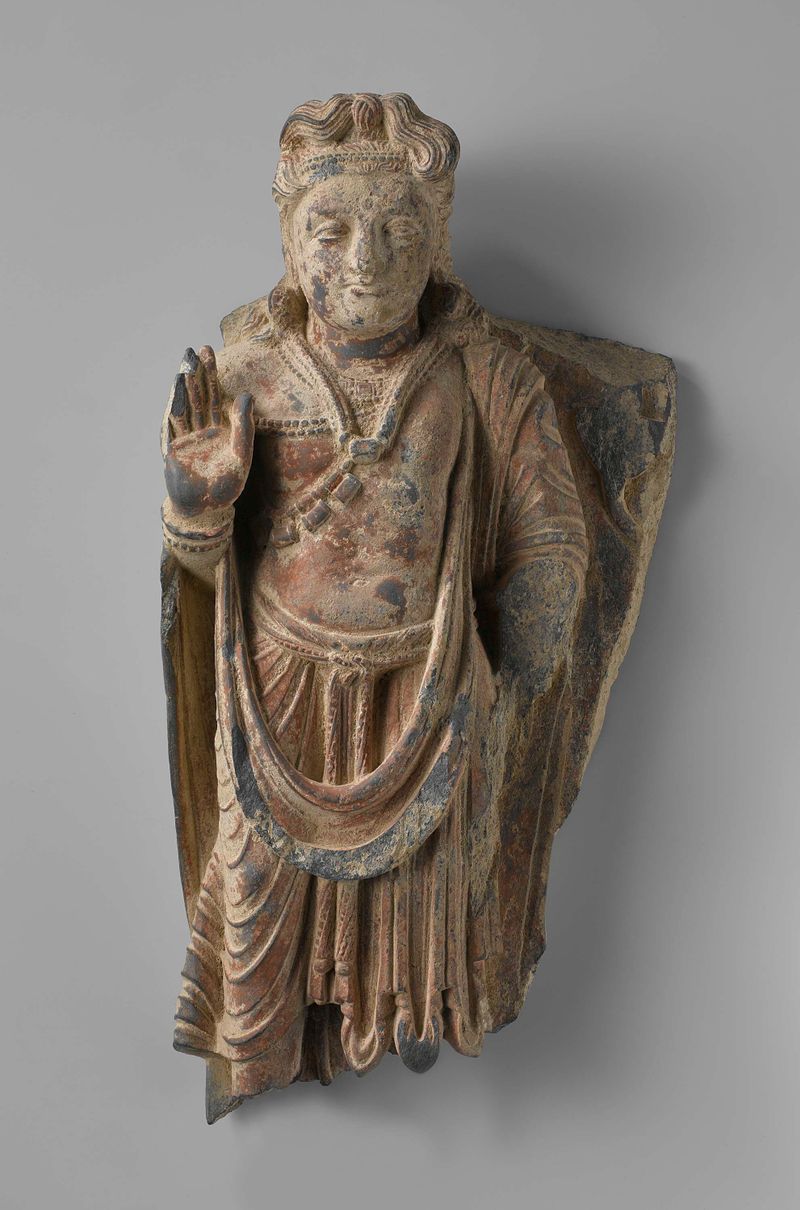
The bodhisattva Maitreya
Unknown Artist

Teabowl with a 'hare's fur' glaze
Unknown Artist