Snow Landscape — History & Facts
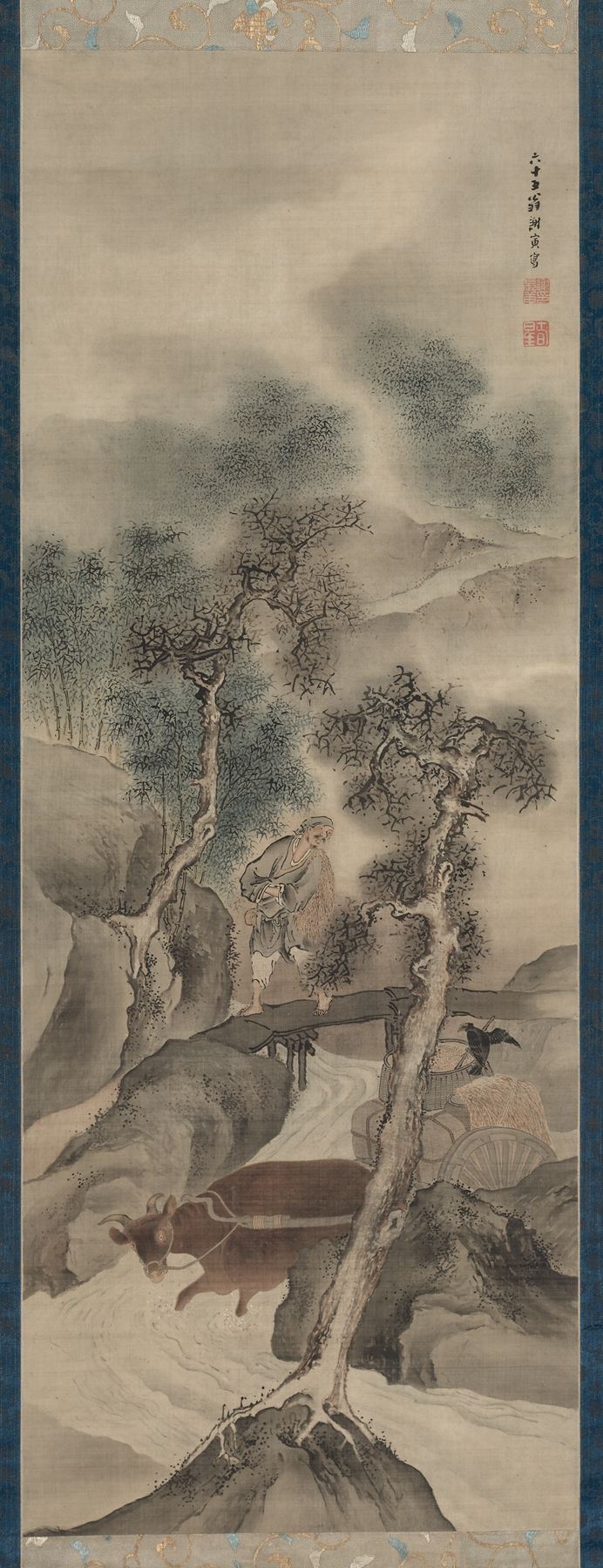
In the frozen embrace of winter, the landscape breathes a quiet awakening, as if the world has paused to ponder its own existence. Focus on the soft undulations of the snow, where gentle strokes merge to form an ethereal expanse. The muted palette of whites and grays harmonizes with delicate hints of blue, inviting the viewer to trace the contours of the land. Notice how the trees, rendered with elegant simplicity, stand as silent guardians, their branches lightly dusted, evoking a sense of tranquil resilience.
The subtle play of light and shadow creates an atmosphere that is both serene and contemplative, drawing you deeper into its stillness. Hidden within this winter wonderland are symbols of rebirth and renewal. The untouched snow can represent new beginnings, a canvas waiting to be imprinted upon. The sparse details hint at the solitude of nature, yet there is a palpable energy, a whisper of life lurking beneath the surface.
It speaks to the delicate balance between desolation and beauty, urging the viewer to reflect on their own moments of stillness and introspection. Yosa Buson painted this work in the 1770s, a time when Japan was embracing the richness of its cultural heritage amidst the evolving art scene of ukiyo-e. As an artist deeply influenced by haiku poetry, he sought to capture the essence of fleeting moments, intertwining the visual with the poetic. This particular landscape emerged during a period marked by a contemplative spirit, showcasing the harmony between nature and human emotion that defines much of his oeuvre.