Snowbound — History & Facts
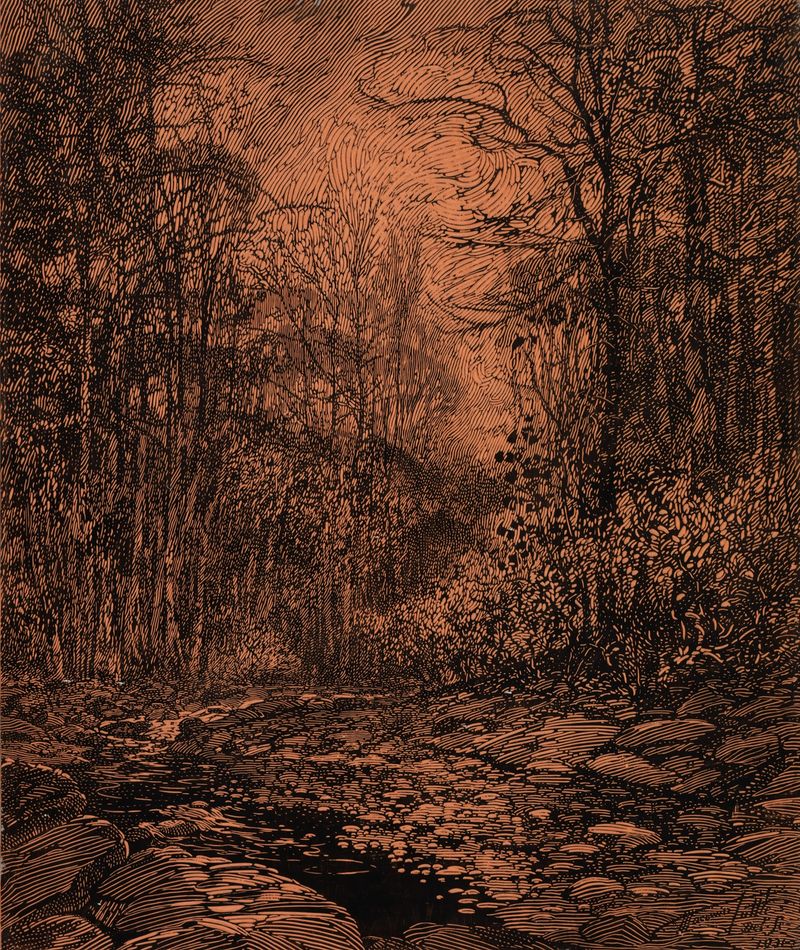
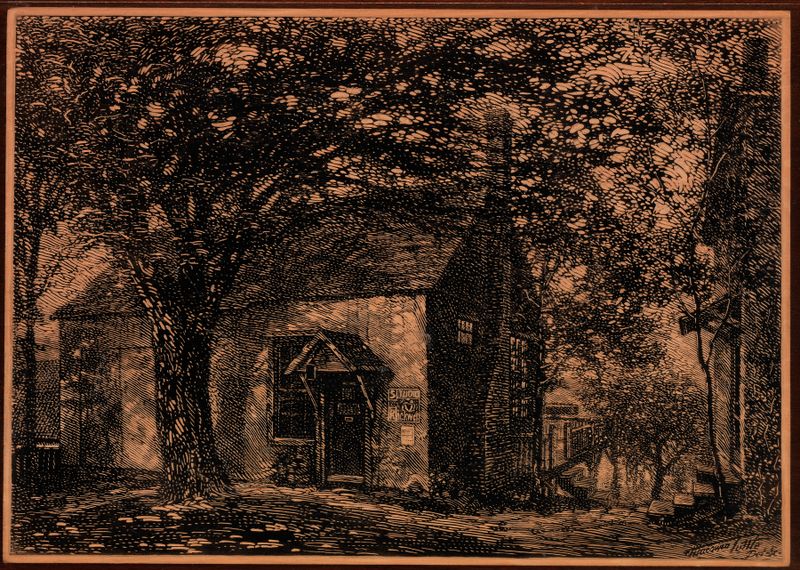
In the quiet embrace of memory, a stillness emerges, inviting contemplation of moments long past yet deeply felt. Nostalgia, that bittersweet companion, whispers through every brushstroke, urging us to reflect on what once was, and what remains in the echoes of our hearts. Focus first on the frosted landscape, where a blanket of white softly envelops the ground, stretching toward a horizon tinged with the melancholy hues of dawn. Look closely at the delicate interplay of light and shadow, the sun’s tentative rays gently warming the icy surface, creating a shimmering effect that feels both ethereal and fleeting.
The muted palette, rich in blues and grays, serves to amplify the sense of isolation, while the sparse trees standing vigilant add a whisper of life to the otherwise desolate scene. Linger on the subtle details: a single bird’s track etched in the snow, the ghostly silhouette of a cabin in the distance, and the way the branches twist under the weight of the snow. Each element holds a story; the footprints symbolize fleeting moments, the cabin suggests a place of refuge, and the trees embody resilience against the harshness of winter. This tension between solitude and solace, cold and warmth, encapsulates an emotional landscape that resonates with anyone who has ever yearned for connection amidst isolation. While the specific date of creation remains uncertain, Snowbound came to life during a time when Macowin Tuttle was deeply exploring themes of memory and emotion.
Operating in a world increasingly driven by the present, the artist sought to capture the essence of nostalgia, reflecting on both personal experiences and broader societal shifts. The painting resonates as an evocative reminder that even in stillness, life holds the potential for profound reflection.