
Soleil Levant Á Saint Maurice — History & Facts
Who listens when art speaks of silence? In Soleil Levant à Saint Maurice, a delicate interplay unfolds, revealing the quiet treachery hidden within nature's beauty. The canvas whispers secrets, inviting viewers to confront the duality of serenity and underlying unrest. Look to the horizon where the sun, just above the waterline, casts a radiant glow across the tranquil river. The gentle ripples reflect hues of orange and gold, drawing your gaze toward the merging of sky and water.
Notice how Lebourg employs soft brushstrokes to create an ethereal quality, giving life to the landscape while suggesting a fleeting moment captured in time. The cool blues and warm tones contrast sharply, invoking both peace and an unsettling sense of transience, as if the scene is alive yet on the brink of change. Delve deeper into this serene façade, and you’ll find layers of emotional tension lurking beneath the surface. The almost dreamlike quality evokes nostalgia, while the quiet ripples suggest whispers of betrayal — the landscape may be beautiful, yet it conceals a deeper truth.
The juxtaposition of light and shadow hints at the fragility of this moment, prompting reflections on the impermanence of beauty and the hidden pains that often accompany it. In 1903, while painting Soleil Levant à Saint Maurice, Lebourg was firmly rooted in the Impressionist movement, exploring the nuances of light and atmosphere. Working in the picturesque town of Saint Maurice, he sought to capture the essence of the landscape during a time when artists were increasingly turning their attention to scenes of everyday life. This period marked a transition in his style, aligning with a broader exploration of emotional depth within visual art.
More Artworks by Albert Lebourg
Browse all →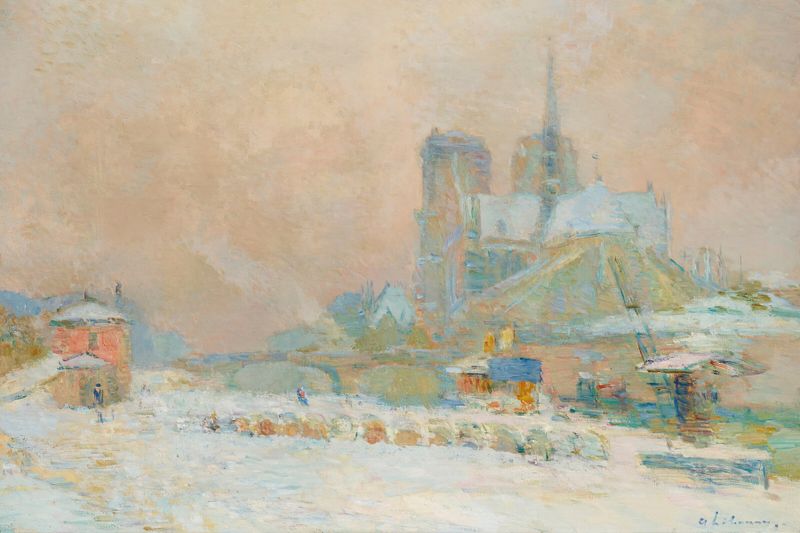
Notre Dame de Paris, vue du Quai de la Tournelle, effet de neige
Albert Lebourg
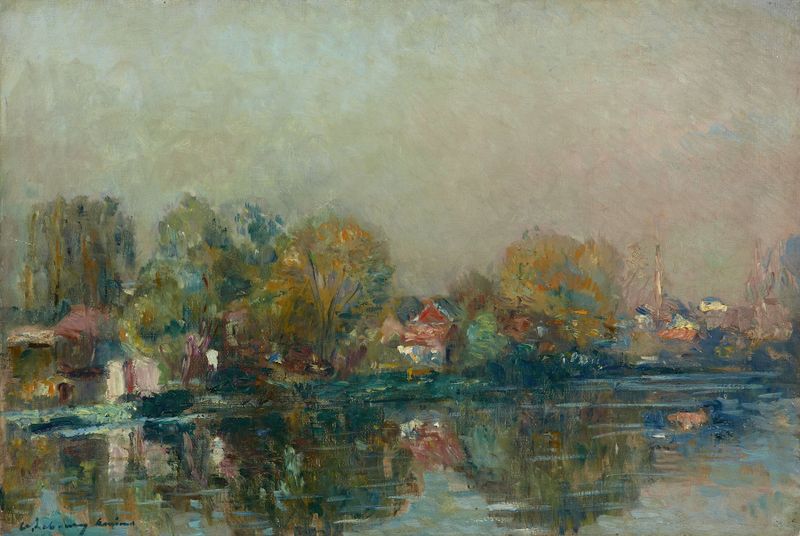
Amiens, bords de rivière
Albert Lebourg
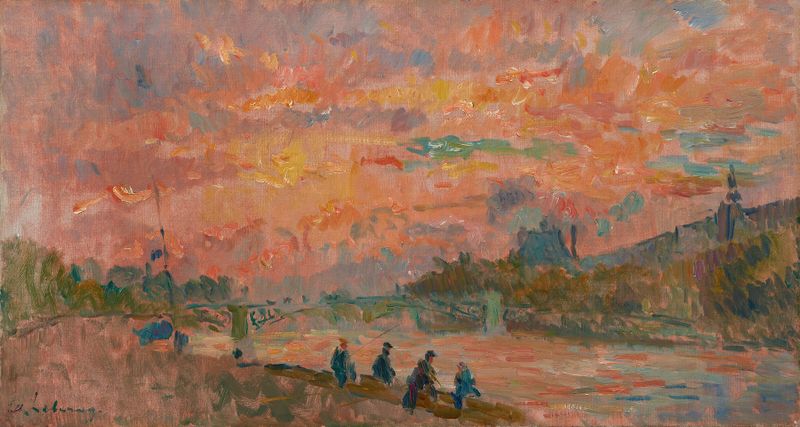
Coucher de soleil sur la Seine, à Paris
Albert Lebourg
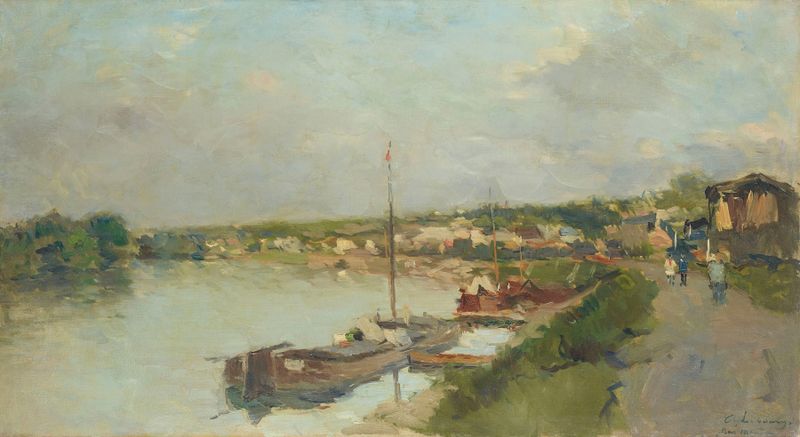
La Seine au Bas-Meudon
Albert Lebourg
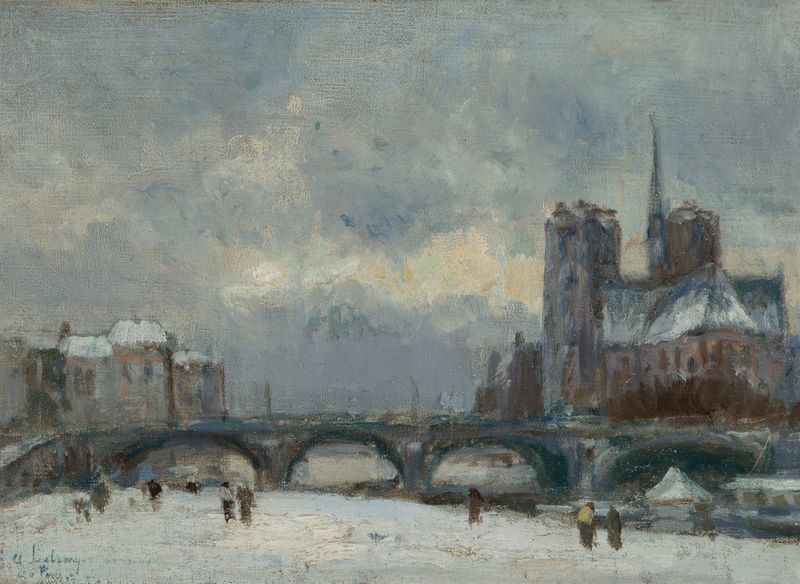
Paris, Notre-Dame, neige
Albert Lebourg
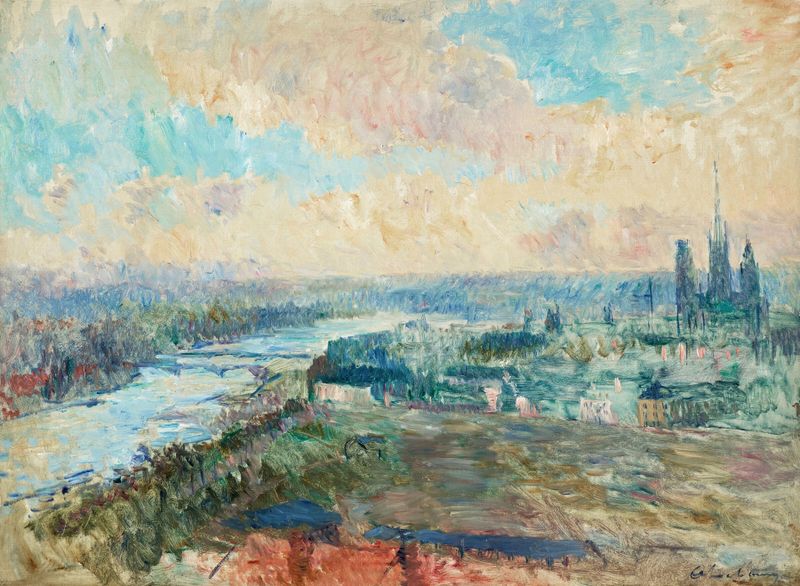
La Seine à Rouen
Albert Lebourg
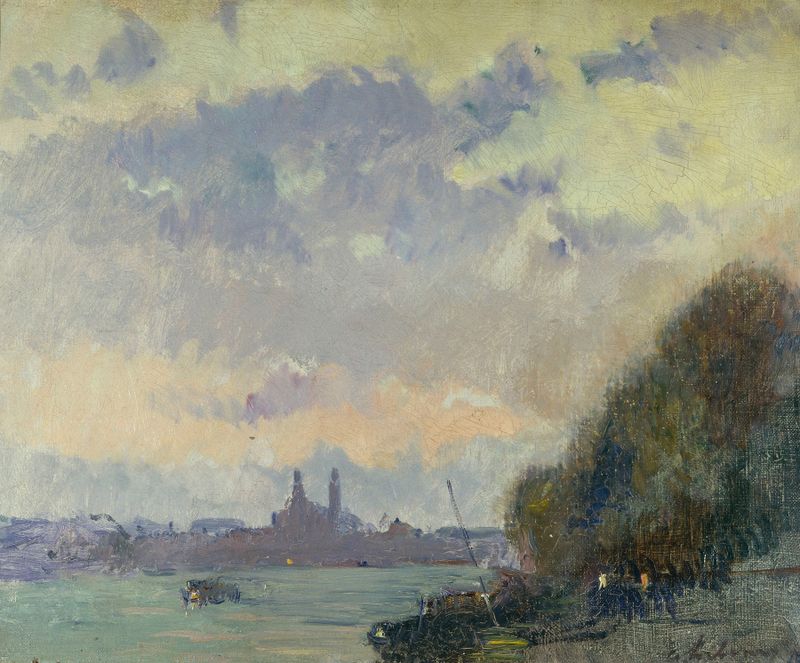
La Seine et l’ancien Trocadéro
Albert Lebourg
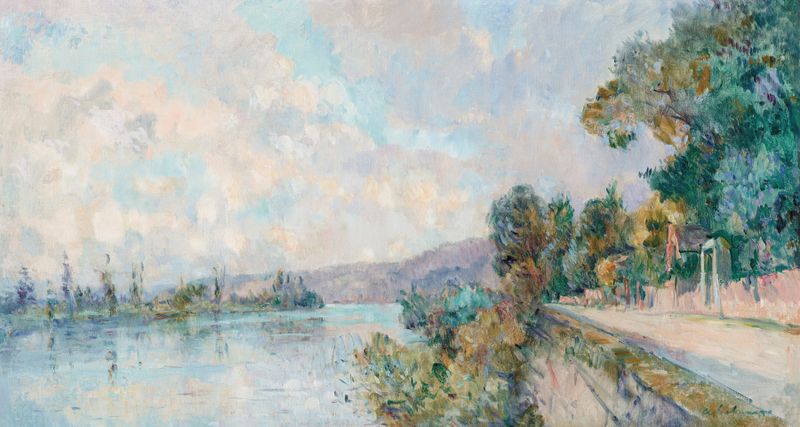
La Seine et les coteaux de Dieppedalle, vue prise de Croisset, près Rouen
Albert Lebourg
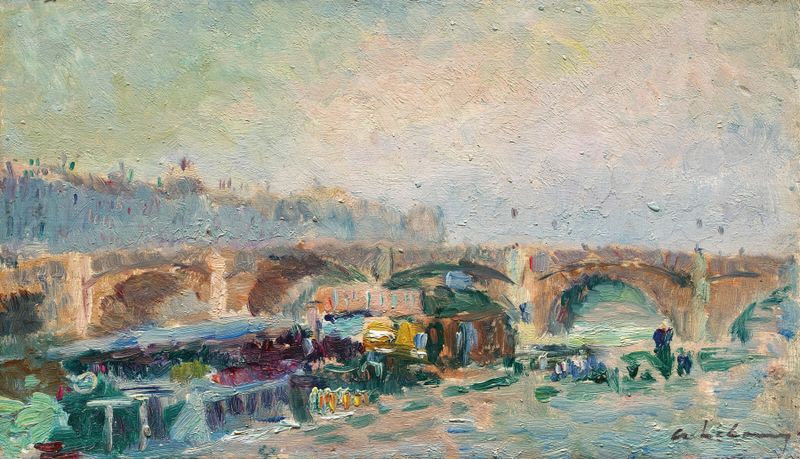
Le Pont de la Tournelle et le quai de Béthune
Albert Lebourg
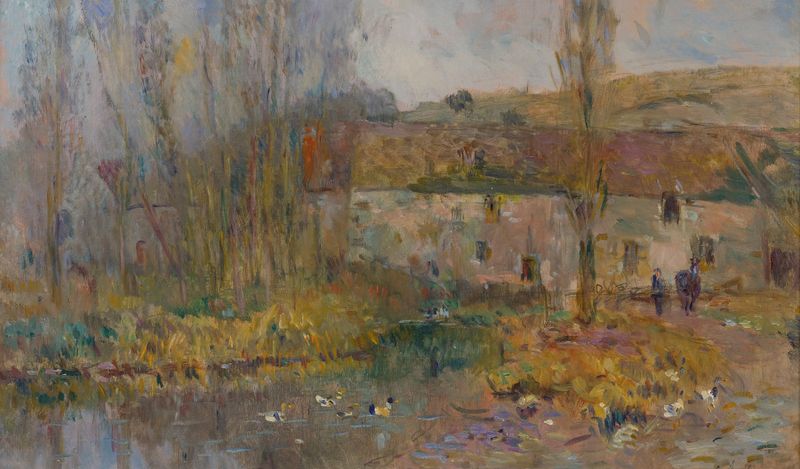
Moulin En Normandie
Albert Lebourg





