Solitary Horse — History & Facts
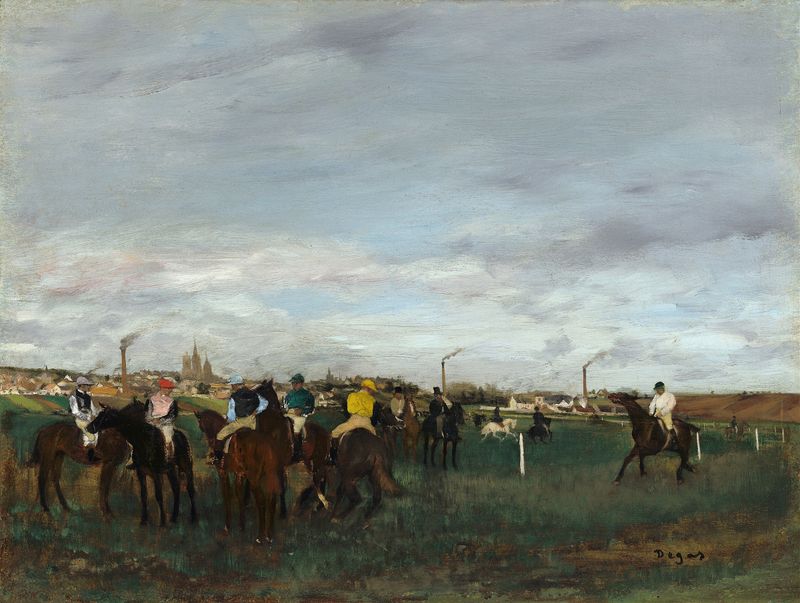
In the stillness of a solitary moment, we find divinity interwoven with solitude, beckoning us to reflect on the power of isolation. The gentle brushstrokes evoke an emotional landscape that invites deep introspection and reverence. Focus on the majestic figure of the horse, standing with noble grace against a muted backdrop. Notice how the soft interplay of colors—rich browns, muted grays, and hints of white—creates a palpable sense of calm.
The horse’s posture, both proud and contemplative, captures a poignant balance between strength and vulnerability. The subtle gradients draw your eye toward its expressive gaze, inviting a connection that transcends the canvas. Beneath the surface, the artwork conveys themes of transcendence and the divine nature of existence. The horse, often a symbol of freedom and power, stands alone yet serene, suggesting a journey towards inner truth.
The stark background enhances the feeling of isolation while also alluding to a broader existential quest—what does it mean to find one's place in the world? This duality of presence and absence resonates deeply, reminding us of the beauty and complexity of solitude. In 1940, Violet Nakashima created this piece during a tumultuous period marked by global conflict and personal upheaval. Living in California, she grappled with her identity as an artist while navigating the shifting tides of modernism and tradition. This painting reflects not only her artistic exploration but also the broader cultural shifts of her time, as society sought to redefine itself amidst chaos.