Sonnet: "When I have fears that I may cease to be" — History & Facts
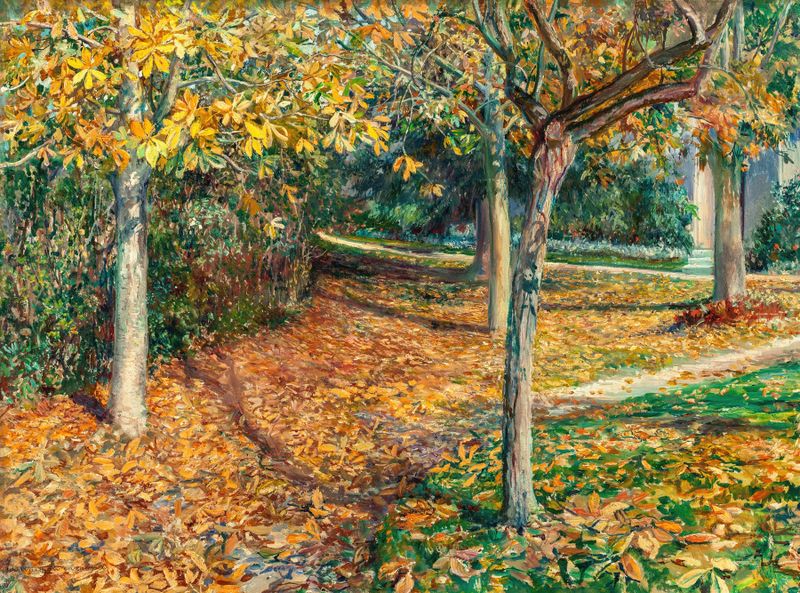
In the delicate interplay of light and shadow, the artist captures the fragile essence of existence and the illusory nature of time. This poignant reflection prompts the viewer to consider both the fleeting beauty of life and the haunting specter of mortality. Look to the center of the canvas, where a solitary figure stands beneath a vast sky, the horizon stretching infinitely. Notice how the soft, muted colors meld together, with ethereal blues and gentle whites echoing the dreams of a life yet to unfold.
The brushwork conveys a sense of movement, as if the clouds themselves are whispering secrets to the protagonist, who seems both lost and profoundly aware of their surroundings. As you explore further, subtle contrasts emerge: the ethereal nature of the figure juxtaposed with the solid earth beneath their feet. This disjunction creates an emotional tension, inviting introspection about ambition and the inevitability of time’s passage. The figure’s gaze, both contemplative and yearning, reflects a universal anxiety—the fear of dreams unfulfilled and the desire to leave a mark on a transient world. Completing this work in 1887, the artist was influenced by the aesthetic movements of his time, which embraced the complexities of human emotion.
As he painted in Paris, a hub of artistic innovation, he found himself grappling with the symbolism of existence while exploring the techniques that would soon define modern art. This piece embodies the transitional spirit of an era awakening to profound questions about life and legacy.