Southbound — History & Facts
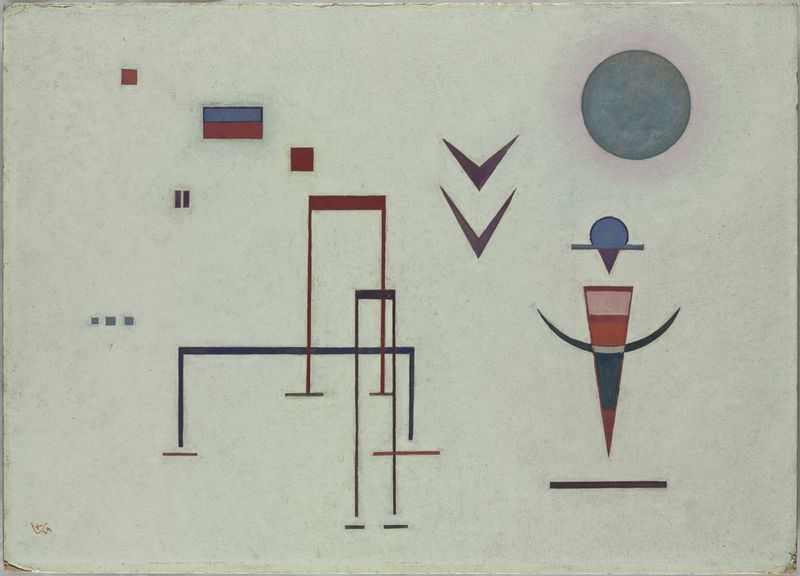
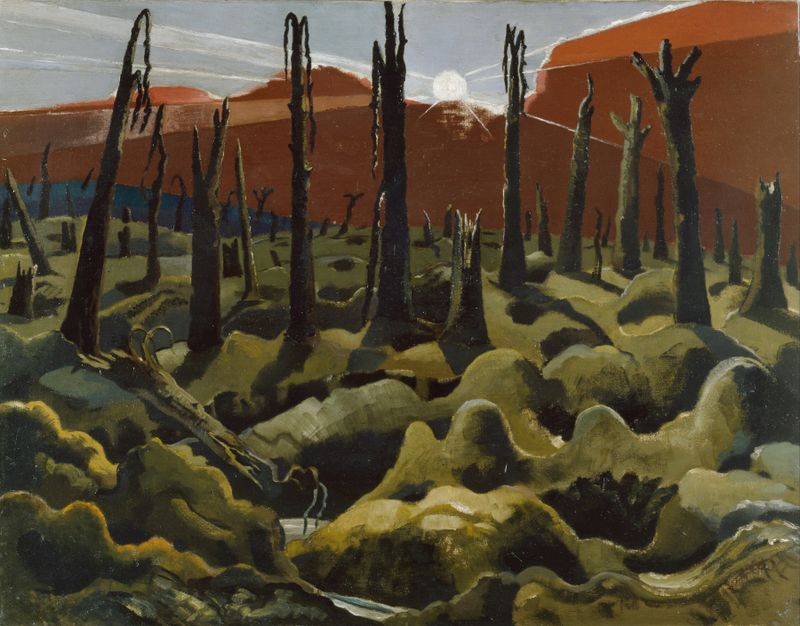
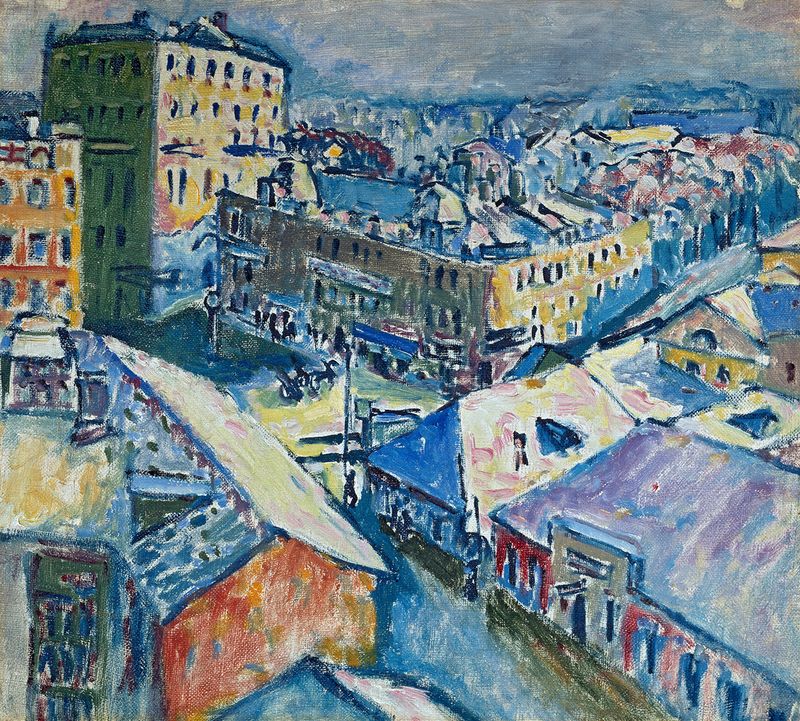
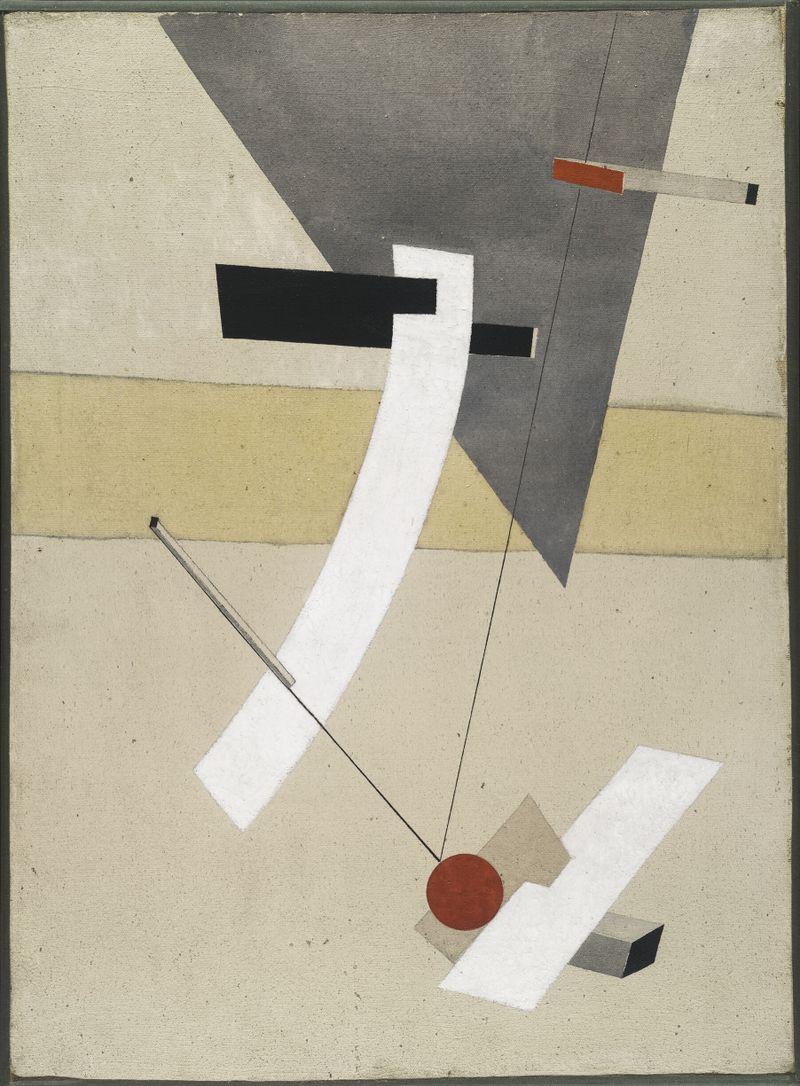
In a world where chaos often reigns, the act of creating can be an anchor in the storm of madness. Focus first on the swirling colors that dominate the canvas, a tempest of blues and greens that pull the viewer into a vortex of emotion. The brushstrokes are frenetic, each one layered and textured, conveying a sense of urgency and dynamic movement. Notice how the light dances across the surface, illuminating patches of stark white that break through the storm, suggesting moments of clarity amid turmoil.
It’s as if Belfiore invites us to explore the disarray and find our way through the chaos. Deeper still, the painting exudes a tension between serenity and chaos, as if it captures a fleeting moment of lucidity in a world gone awry. The contrasting colors mirror the duality of existence - joy interwoven with despair, hope alongside madness. Subtle details, such as the juxtaposition of sharp edges against soft flows, hint at the thin line between sanity and the tempest of emotions that often lurk beneath the surface. In 1939, Belfiore was navigating a tumultuous chapter in his life, having recently returned to Argentina after time spent in Europe.
The rise of totalitarian regimes and the approaching shadows of war heavily influenced many artists of the era. This period of dislocation and uncertainty found its expression in Southbound, where the artist encapsulated the tensions of his time through a visceral, frenetic lens, reminding us of the delicate balance between light and darkness.