Speeton Cliffs, Filey, Yorkshire — History & Facts
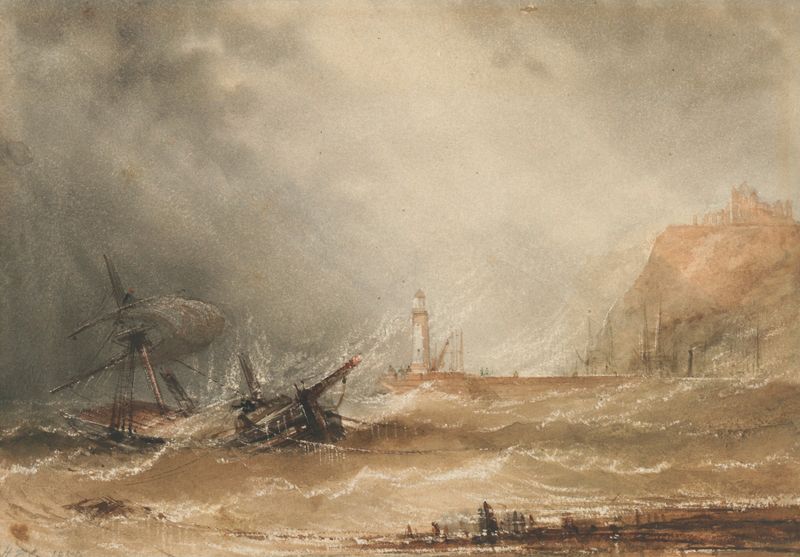
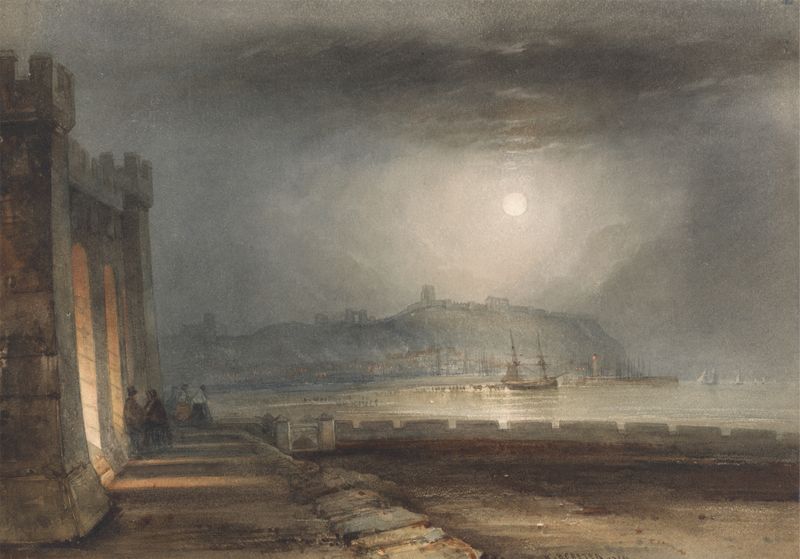
Can paint confess what words never could? In the sweeping embrace of nature, the legacy of time unfurls with every brushstroke, inviting reflection on the untamed beauty of the English coastline. Focus on the bold cliffs rising dramatically to the left, their rugged edges softened by the gentle touch of moss and lichen. Notice how the light cascades across the scene, illuminating the deep greens and browns of the land, while the sea below shimmers, a dance of blues and whites that captures the restless spirit of the waves. The sky looms above, a soft gradient of greys and blues, suggesting both tranquility and the brewing tempest—a juxtaposition that commands attention. Look closely at the distant figures, seemingly dwarfed by the grandeur of the cliffs, evoking a sense of solitude and the human experience in nature's expansive grasp.
The wildflowers dotting the foreground offer a delicate contrast to the imposing landscape, symbolizing resilience amid the relentless forces of nature. This interplay of scale and detail hints at the transience of human life against the eternal backdrop of the earth, a poignant reminder of our fleeting existence. Henry Barlow Carter painted this work between 1840 and 1860, a period marked by the Industrial Revolution's rapid encroachment on the British landscape. As urbanization transformed the environment, Carter sought to capture the enduring beauty of untouched nature.
His dedication to depicting the coastal scenes of Yorkshire reflects both a personal affinity for the region and a broader artistic movement that celebrated the sublime power of the natural world.