
Spätnachmittag (Haus im Olivenhain) — History & Facts
Can beauty exist without sorrow? In Spätnachmittag (Haus im Olivenhain), the delicate interplay of light and shadow invites viewers to ponder this profound question. Look to the left at the dimly lit olive trees, their gnarled branches stretching outward, casting intricate patterns across the ground. The house, nestled between them, is awash in soft hues of ochre and muted greens, creating a serene yet melancholic atmosphere. Notice how the light filters through the foliage, illuminating the house's façade while leaving parts shrouded in rich darkness, suggesting a duality between comfort and concealment. The painting reveals an emotional tension between tranquility and unease.
The vibrant greens of the olive grove contrast starkly with the muted tones of the home, hinting at the complexities of domestic life overshadowed by nature's relentless presence. The choice of an afternoon setting symbolizes the fleeting moments of joy that inevitably give way to dusk, echoing the passage of time and the ephemeral nature of happiness. Paul Kleinschmidt created Spätnachmittag in 1939, amid the turbulent prelude to World War II. Living in Germany during this time, the artist faced societal change and uncertainty that deeply influenced his work.
As Europe teetered on the brink of conflict, his landscapes often mirrored the inner struggles of existence, capturing not just beauty, but the underlying sorrows that accompany it.
More Artworks by Paul Kleinschmidt
Browse all →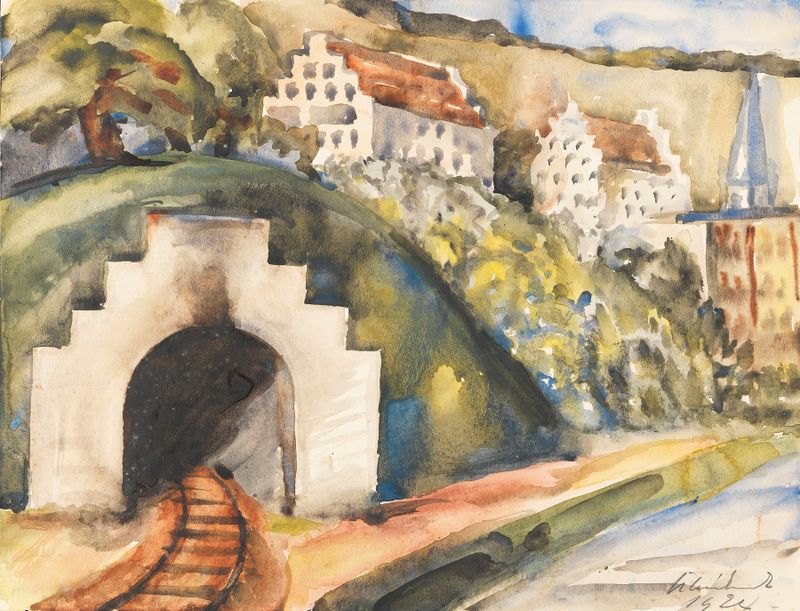
Tunnel bei Wasserburg am Inn
Paul Kleinschmidt

Landschaft vor Sturm
Paul Kleinschmidt
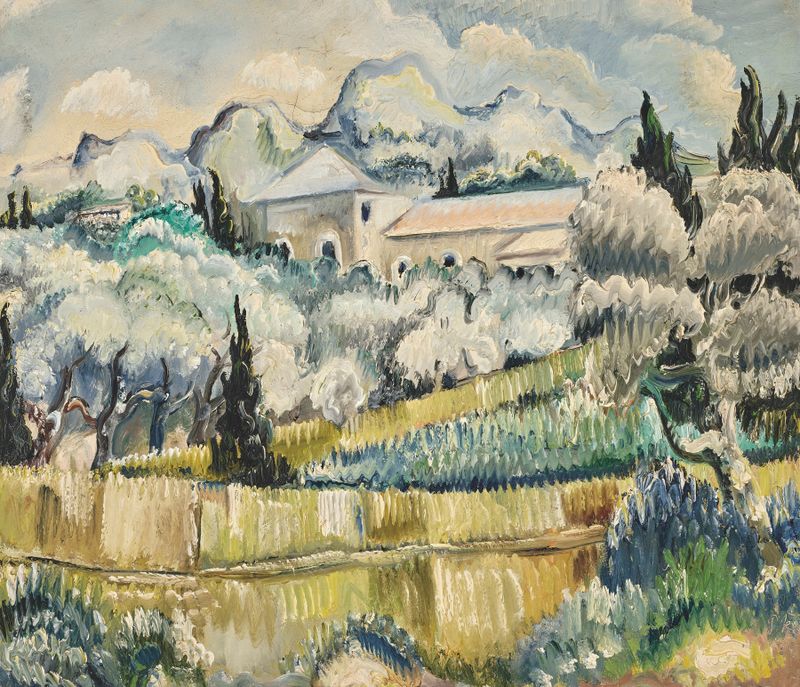
Landschaft in Südfrankreich
Paul Kleinschmidt
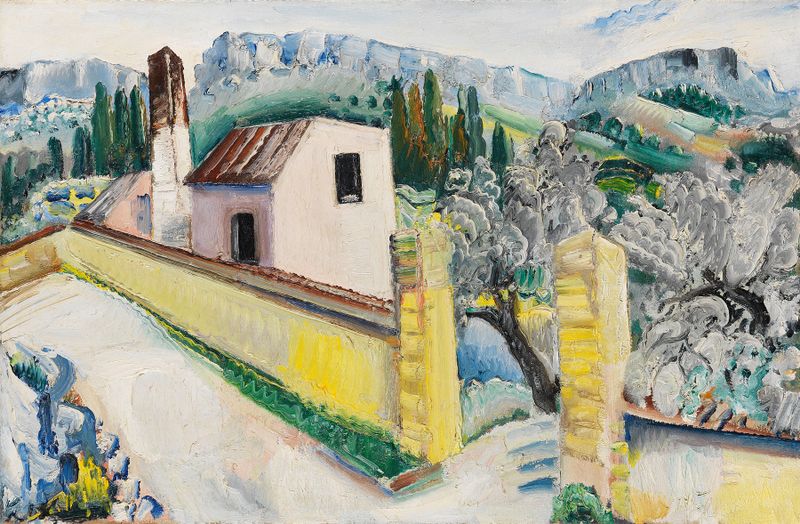
Landschaft bei Cassis
Paul Kleinschmidt

Unterführung in Ulm
Paul Kleinschmidt

Südfranzösische Landschaft mit Bäumen
Paul Kleinschmidt
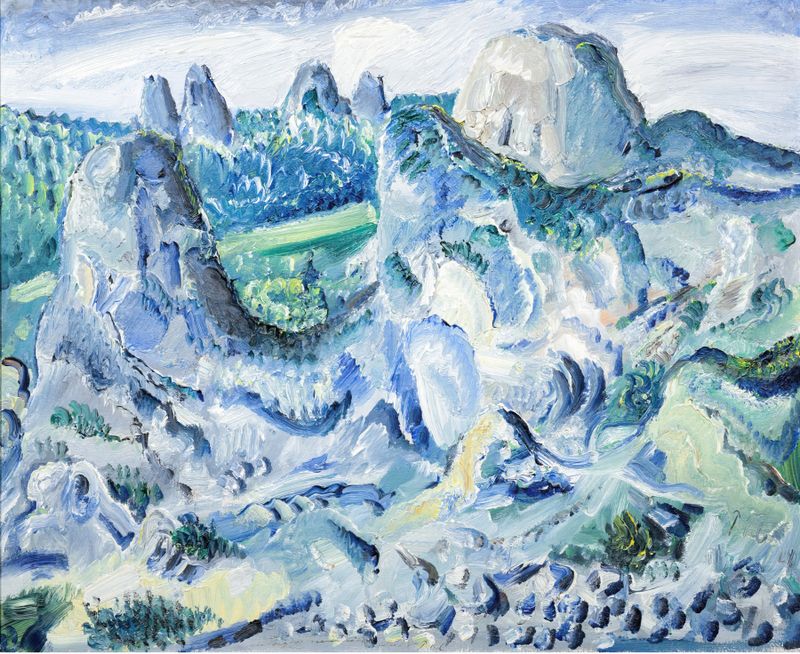
Landschaft mit Felsen – Felsen bei Blaubeuren
Paul Kleinschmidt
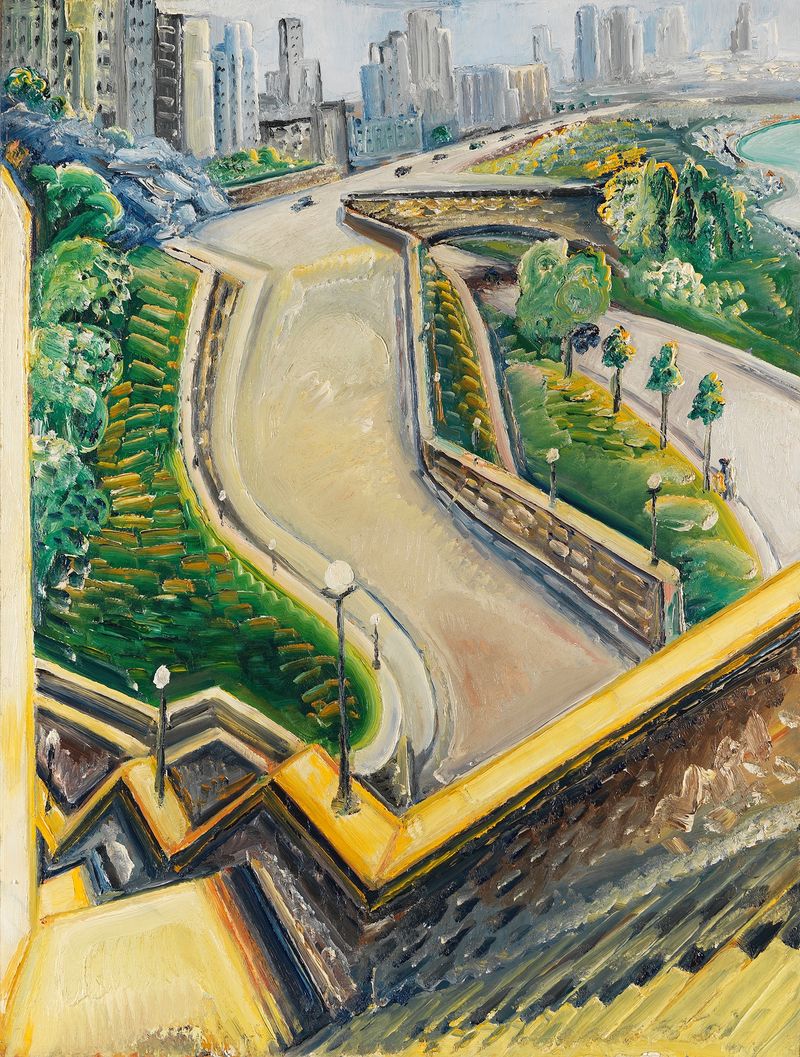
New York Riverside Drive
Paul Kleinschmidt
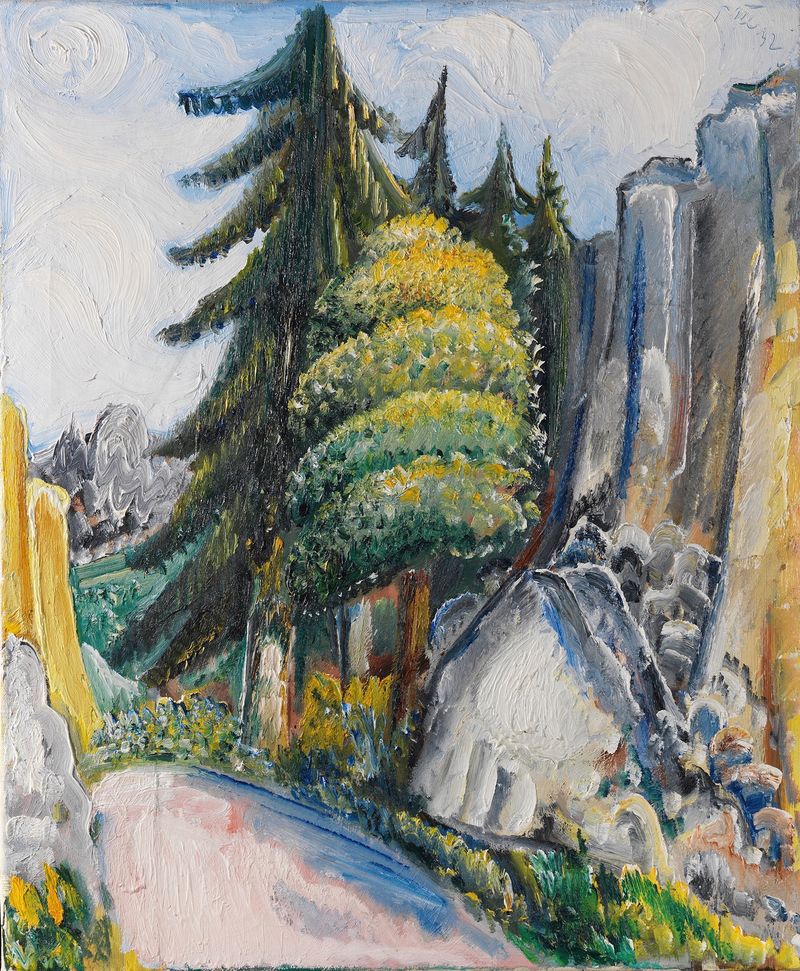
Alblandschaft
Paul Kleinschmidt
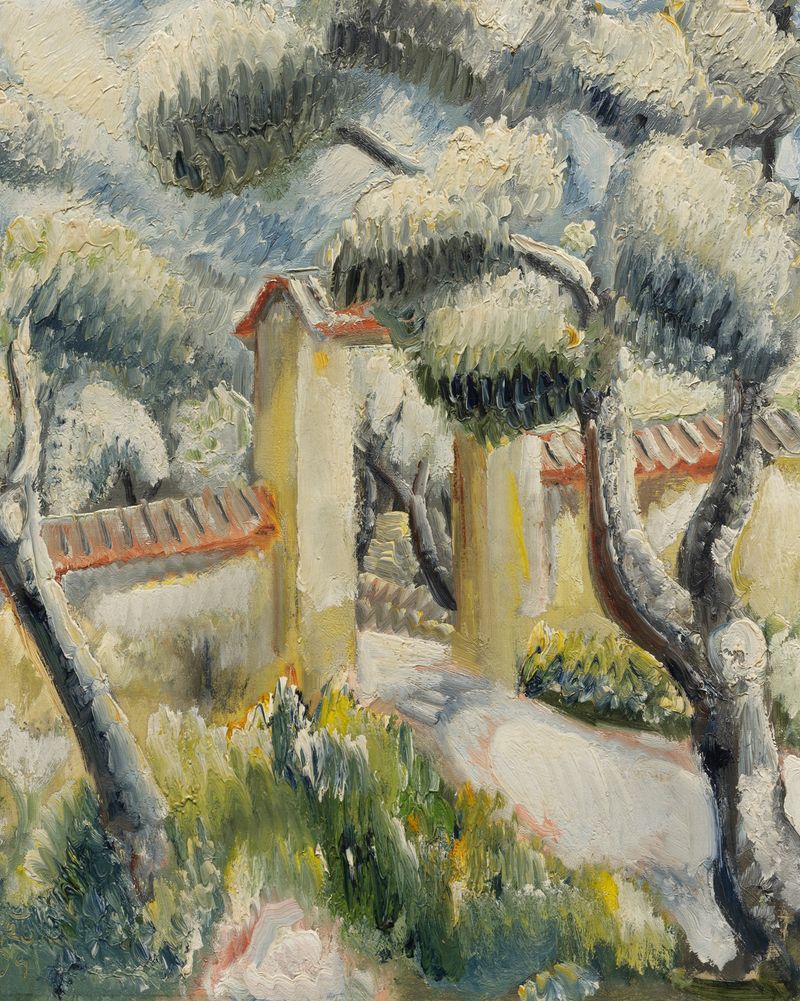
Landschaft in Südfrankreich (Parkausgang)
Paul Kleinschmidt





