Square tea bowl with grasses — History & Facts
What secret hides in the quiet of the canvas? In this simple yet profound square tea bowl, we find an invitation to pause and reflect on the beauty of the everyday. Look to the delicate curves of the bowl, where light dances along its edges, casting soft shadows that create depth and intrigue. The muted colors of the glaze capture a subtle harmony, with earthy tones that evoke a sense of calm. Notice the intricate depiction of grasses that adorn the surface; they rise gently, as if swaying in an unseen breeze, inviting the viewer to ponder their presence amidst the stillness. The contrast between the bowl's structured form and the delicate, almost ephemeral nature of the grass symbolizes the balance between the man-made and the natural world.
Each brushstroke reveals an intimate connection to tradition, reflecting not only the aesthetic of the time but also a deeper appreciation for the fleeting moments of beauty in life. This dialogue between stability and transience resonates quietly, echoing the tranquility of tea time itself. Created between 1750 and 1799, this piece emerges from a period rich in Japanese porcelain craftsmanship. The artist, whose name remains lost to history, contributed to a flourishing art scene that celebrated both utility and artistic expression.
During this time, the world was experiencing profound cultural shifts, and the emphasis on aesthetics in everyday objects was a testament to a society that valued harmony, simplicity, and nature.
More Artworks by Unknown Artist
Browse all →
Ridder, Dood en Duivel
Unknown Artist
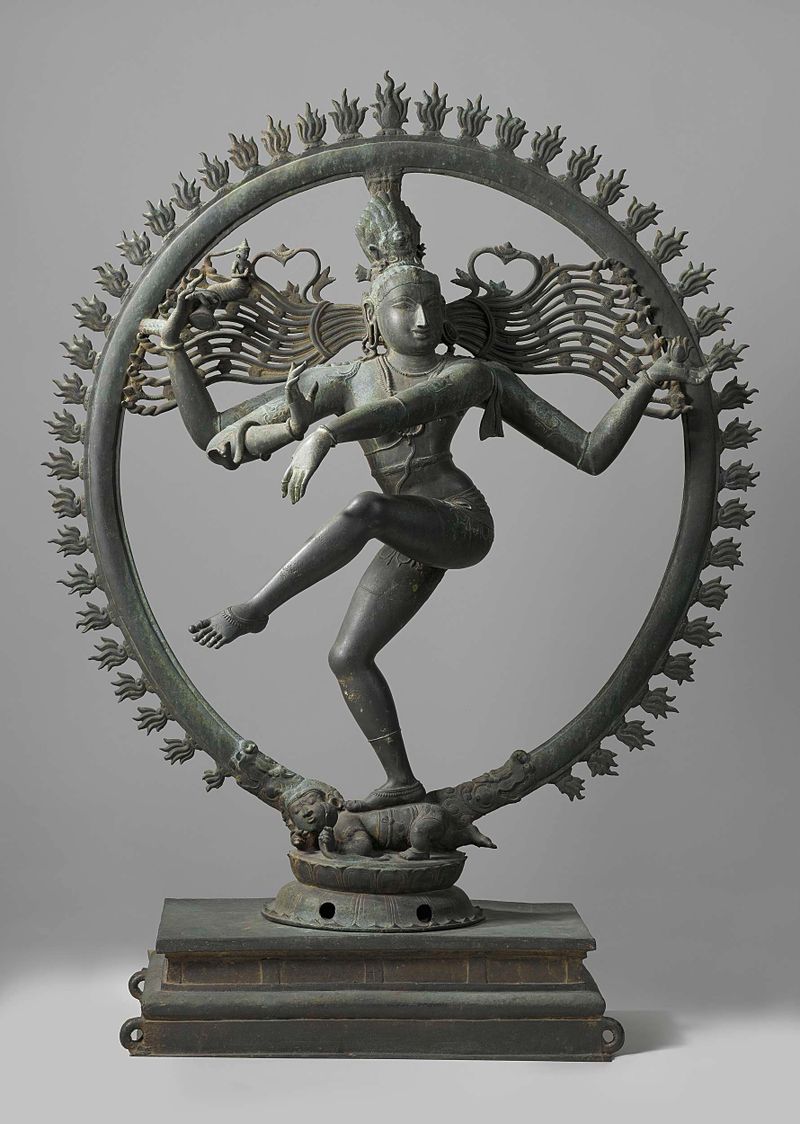
Shiva Nataraja
Unknown Artist

Portrait of Elizabeth I, Queen of England
Unknown Artist
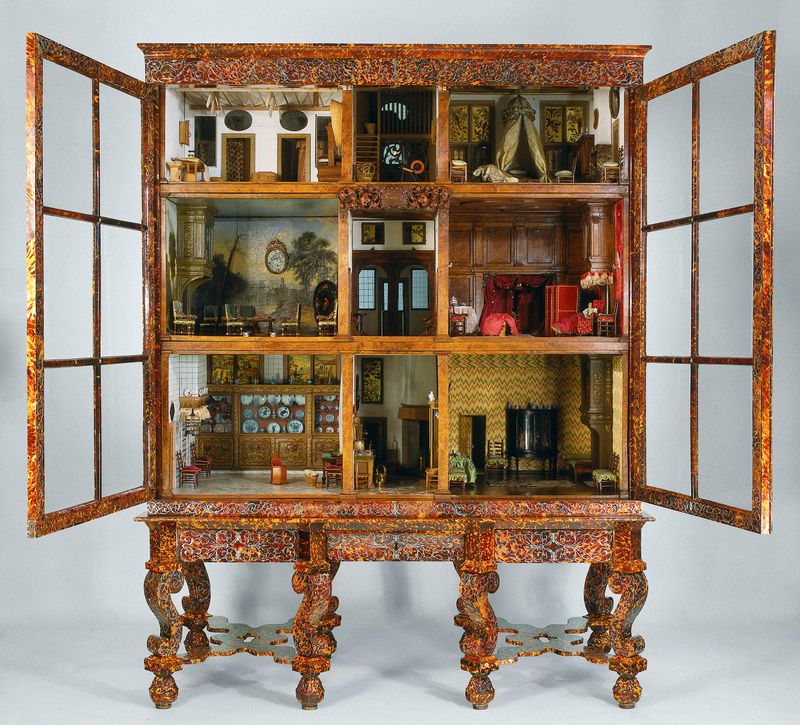
Dolls’ house of Petronella Oortman
Unknown Artist
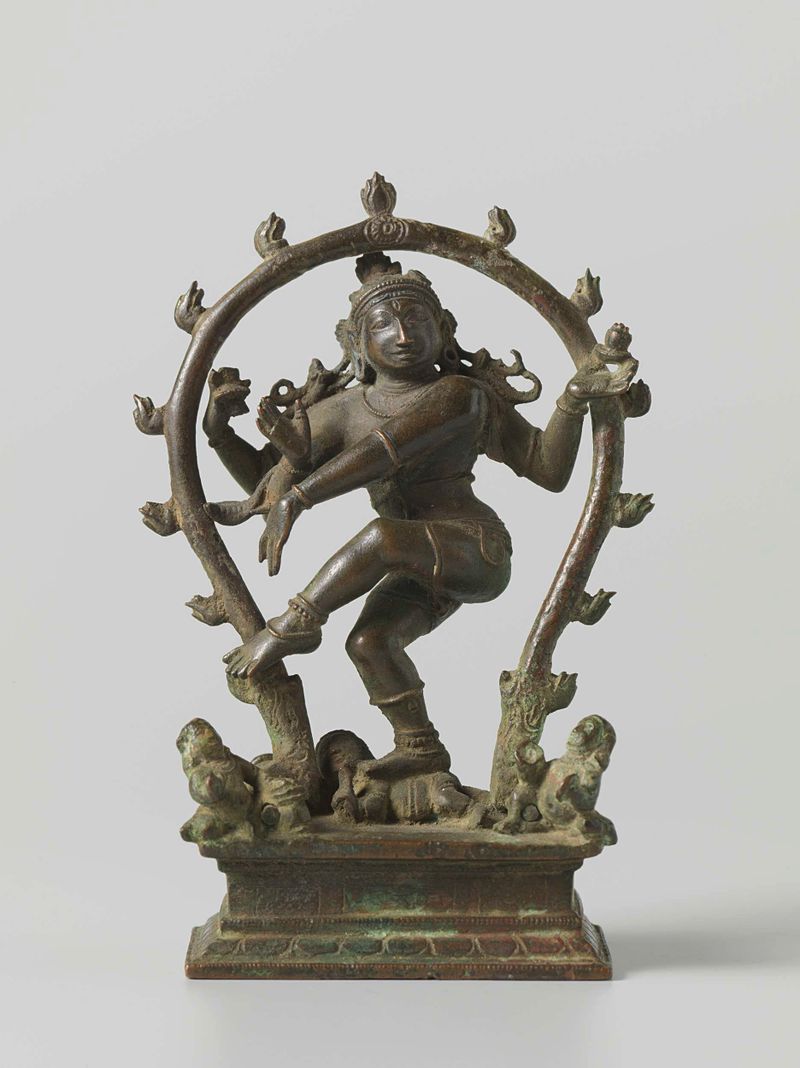
Shiva Nataraja
Unknown Artist

The Tale of Genji
Unknown Artist

The Tale of Genji
Unknown Artist

Cong
Unknown Artist
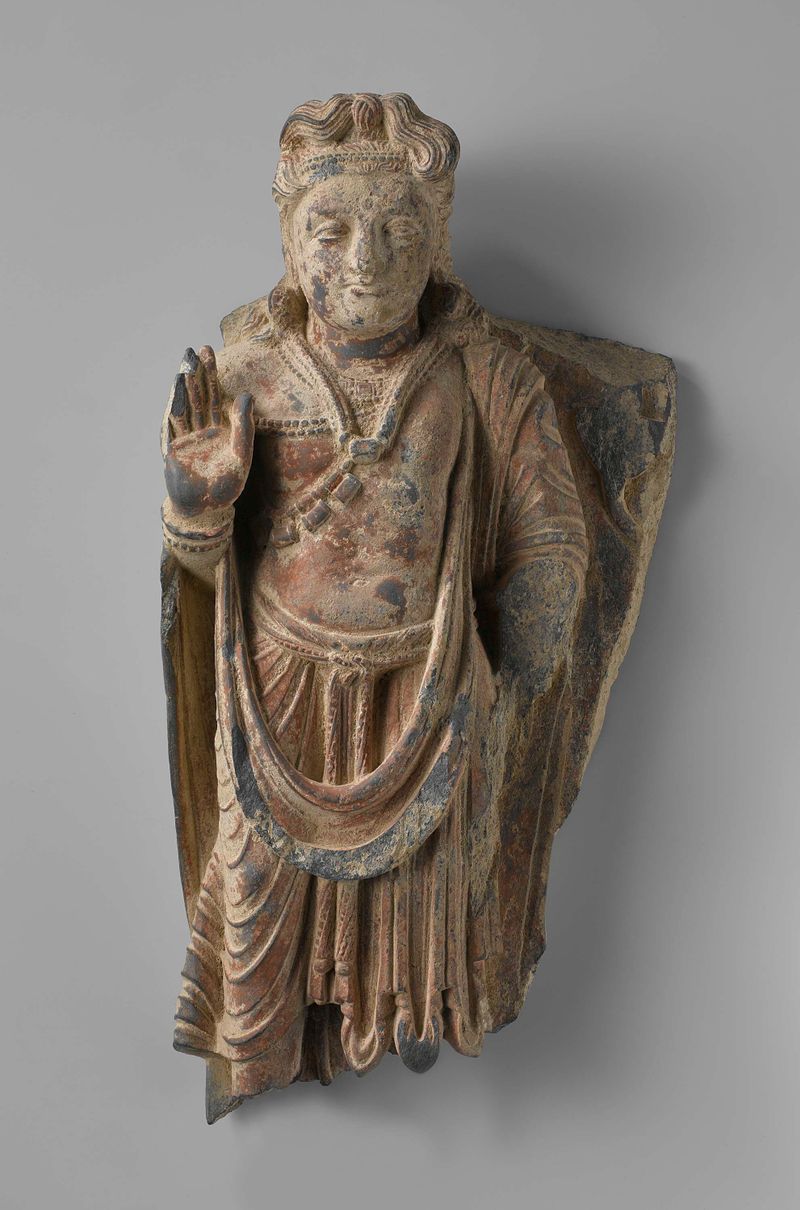
The bodhisattva Maitreya
Unknown Artist

Teabowl with a 'hare's fur' glaze
Unknown Artist