Squirrel Lane, near Magham Down, Sussex — History & Facts
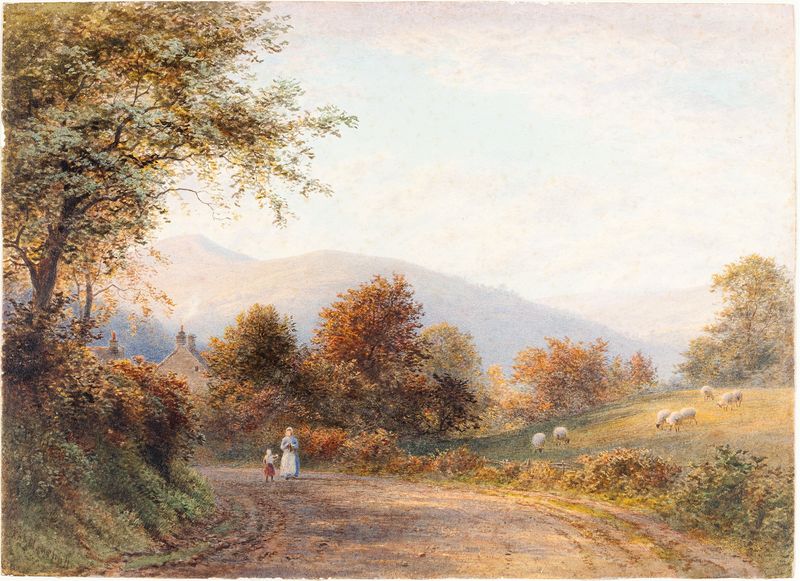
What if silence could speak through light? In the stillness of a sunlit lane, the soft whispers of dusk embrace the landscape's destiny, urging us to listen closely. Focus first on the gentle curve of the lane, leading your eyes through a tapestry of greens and browns that sway in harmonious dialogue. Notice how the light dappled by the trees dances upon the ground, revealing textures that invite exploration. The subtle interplay of shadow and illumination draws you deeper, while the horizon hints at secrets yet to be discovered beyond the frame. Hidden within this serene moment are layers of emotion; the tranquility belies an underlying tension of anticipation, as if the stillness is pregnant with possibility.
The muted colors—earthy greens mingling with soft yellows—evoke a feeling of nostalgia and yearning, suggesting the passage of time and the fleeting nature of beauty. Each brushstroke captures a fleeting moment of connection between the viewer and the surrounding world, urging contemplation of our place within the landscape’s unfolding story. Roberto Angelo Kittermaster Marshall created this piece during a time when artists were drawn to the beauty of nature, seeking solace and inspiration from the landscapes around them. The exact date of this work remains unclear, but his focus on capturing the essence of the English countryside reflects a broader movement in art, where the natural world served as both muse and sanctuary amid the evolving urban landscapes of the late 19th and early 20th centuries.