
St Anna an der Straße nach Trebinje — History & Facts
Can beauty exist without sorrow? In St Anna an der Straße nach Trebinje, the quiet yet poignant landscape whispers the answer through its evocation of loneliness. Focus on the small figure seated at the roadside, cradled by the embrace of rolling hills and a vivid but somber sky. The muted greens and browns dominate the palette, creating an atmosphere that pulses with both serenity and desolation. Notice how the soft light catches the contours of the figure's silhouette, casting elongated shadows that stretch across the earth, drawing your gaze towards the path that meanders into the distance. This solitary scene hints at deeper narratives of isolation and yearning.
The juxtaposition of the surrounding beauty against the figure's stillness intensifies the emotional weight. Each brushstroke reveals a story of longing, as the traveler appears both at peace and profoundly alone, pondering life's transience. The broken road serves as a metaphor for the journey of existence—filled with potential yet fraught with uncertainty. Anton Perko painted this work during a time marked by personal and artistic introspection, likely in the early 20th century, as he explored the lush landscapes of his homeland, Slovenia.
The period was characterized by emerging Modernist sensibilities, yet Perko's technique remained deeply rooted in tradition, reflecting a tension between the past and the evolving art world.
More Artworks by Anton Perko
Browse all →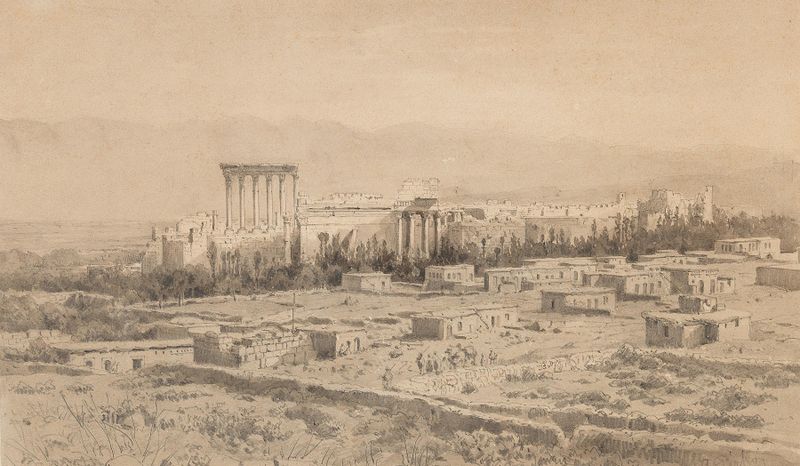
Der Tempel von Baalbek
Anton Perko

Blick auf Ragusa
Anton Perko
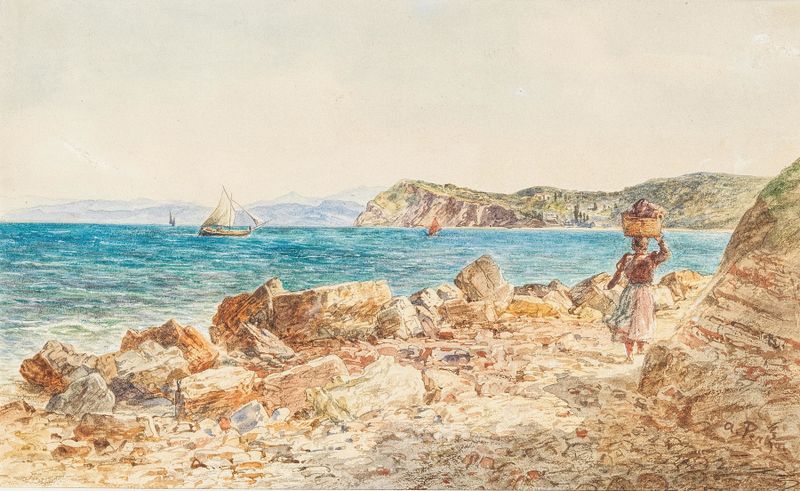
Küstenmotiv Durazzo
Anton Perko
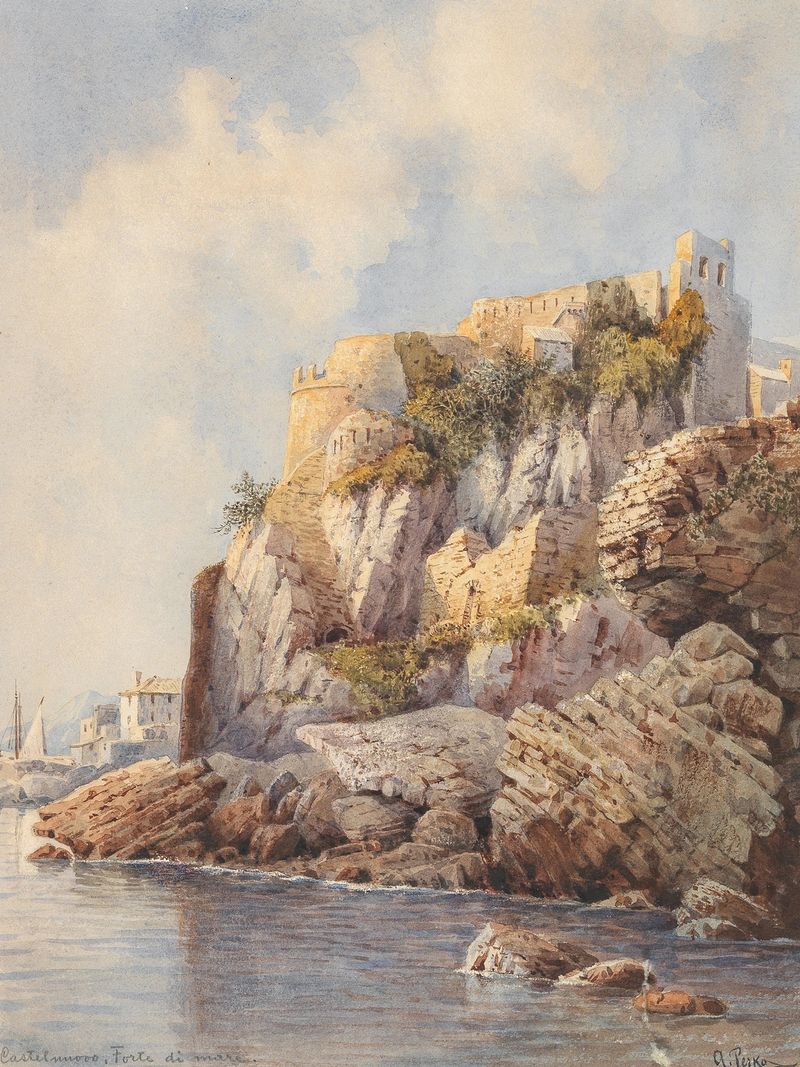
Castelnuovo, Forte di Mare
Anton Perko
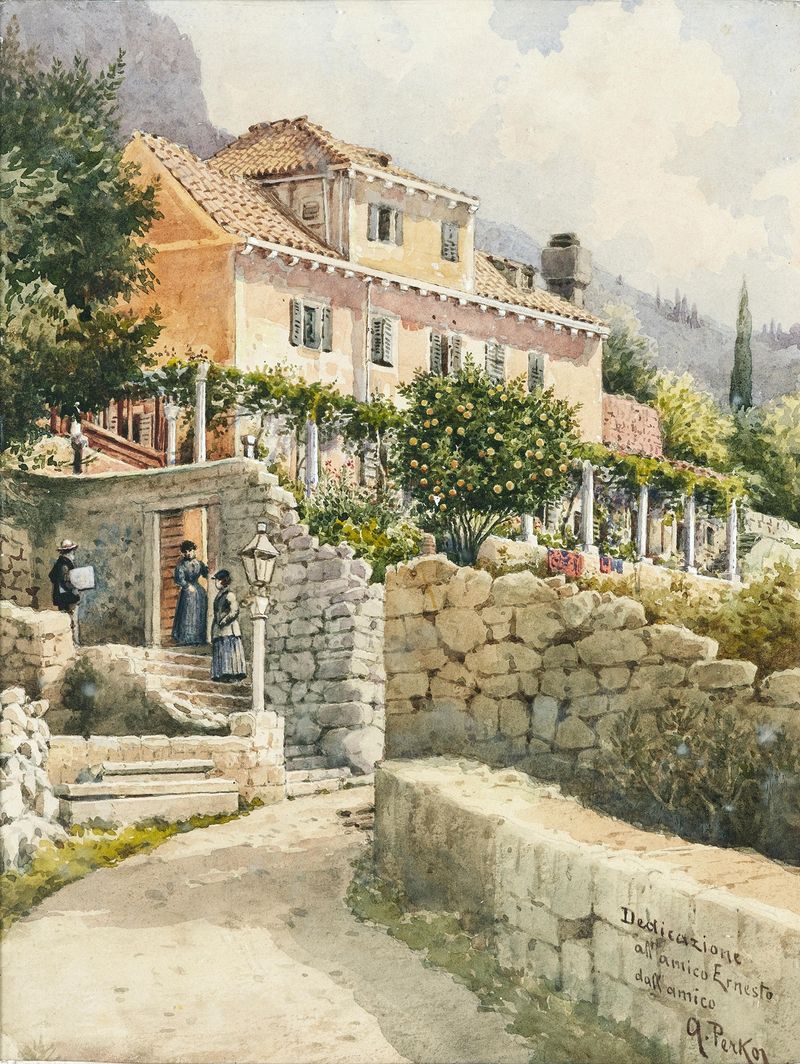
A motif of South Dalmatia
Anton Perko
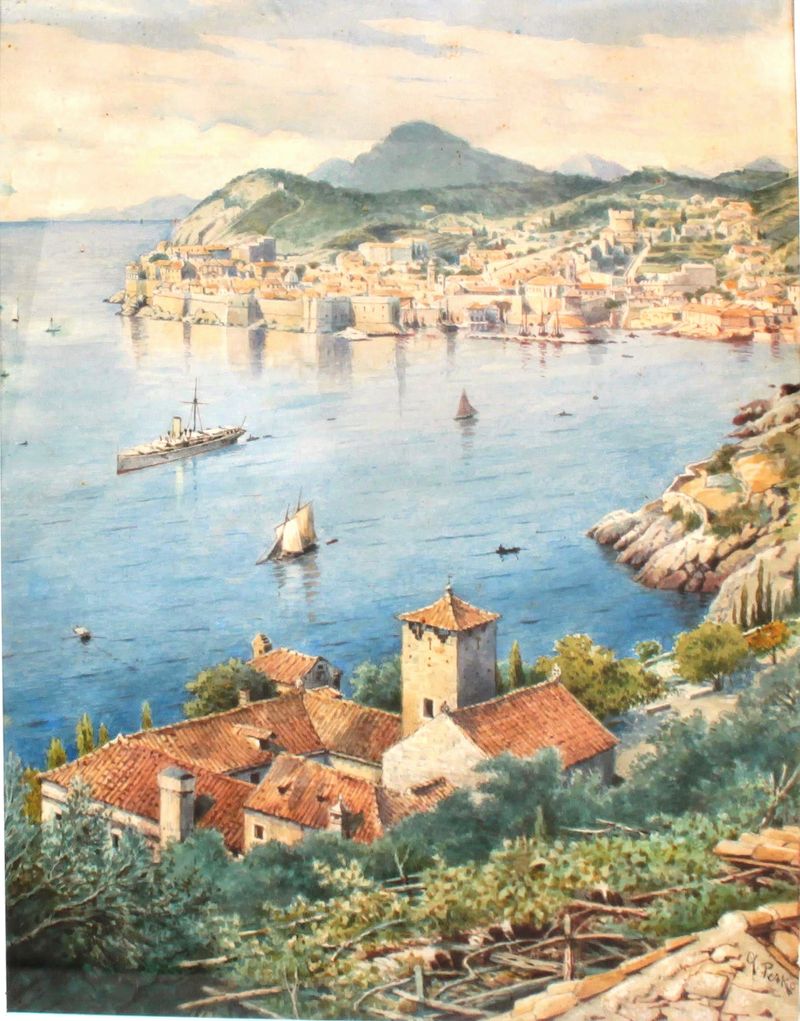
A View Of Dubrovnik
Anton Perko

Bucht von Cattaro
Anton Perko
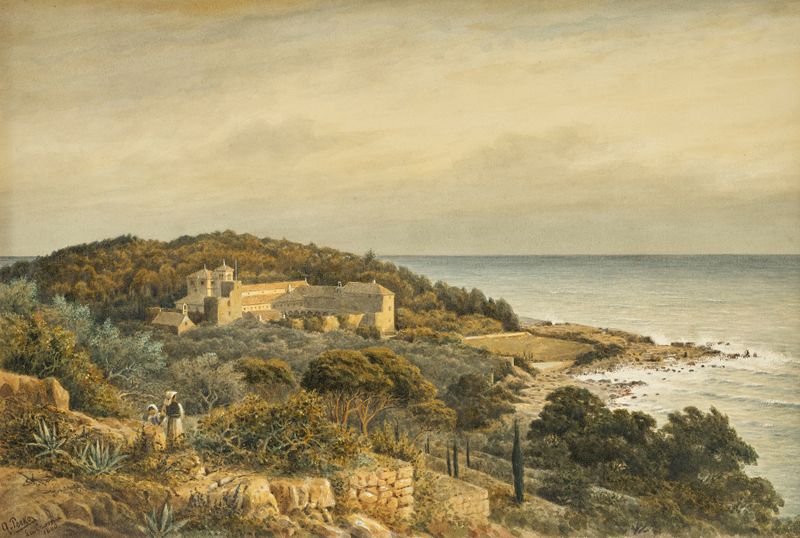
Lacroma in Dalmatien
Anton Perko

Alter Palast in der Ombla bei Gravosa
Anton Perko
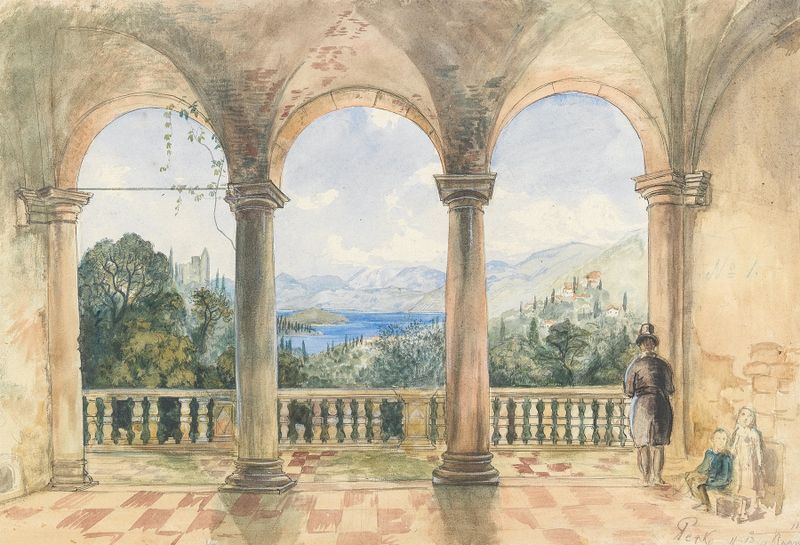
A view from a loggia
Anton Perko





