
St. Blaise — History & Facts
In a world where vibrant hues often drown out nuance, the quiet spaces between them can evoke a profound emptiness that resonates deeply. Look to the center of the canvas where the figure of St. Blaise stands, cloaked in muted tones that seem to absorb rather than reflect light. The softness of the brushwork creates an almost ethereal quality, inviting your gaze to linger on the serene expression that fills his face.
Notice how the gentle gradients of color blend seamlessly, each stroke carefully chosen to convey the depth of his stillness, while the surrounding darkness cradles him in solitude. Delve deeper into the juxtaposition of the saint’s calm presence against the void around him. This emptiness can be interpreted as a symbol of spiritual contemplation and isolation, a sanctuary for introspection in a chaotic world. The subtle interplay between the figure and the background speaks to the tension between faith and loneliness, suggesting that enlightenment often arises from the depths of solitude. The artist painted this work during a period marked by personal exploration and artistic experimentation, though the exact date remains uncertain.
Crafting St. Blaise at a time when the role of spirituality in art was undergoing significant transformation, he sought to capture not only the figure's sacred essence but also the emotional landscapes that are often overlooked in the pursuit of vibrant expression. Jacottet’s choice of a restrained palette and intimate composition reflects a moment of introspection within the larger canvas of 19th-century art.
More Artworks by Jean Jacottet
Browse all →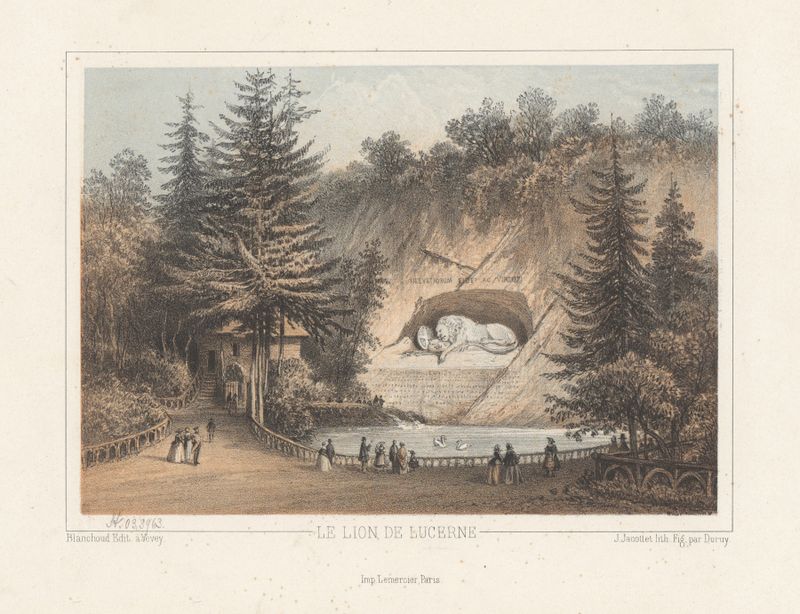
Le lion de Lucerne
Jean Jacottet
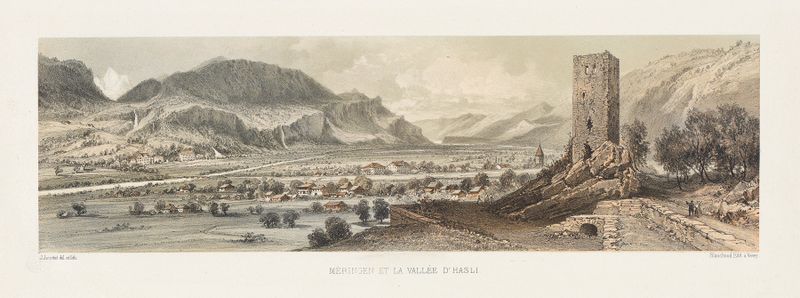
Méringen et la vallée d’Hasli
Jean Jacottet
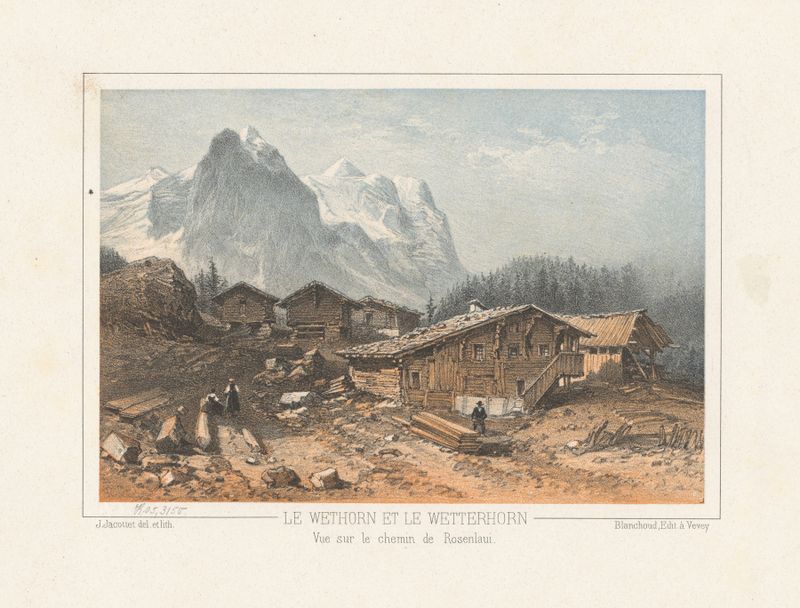
Le Wethorn et le Wetterhorn Vue sur le chemin de Rosenlaui
Jean Jacottet
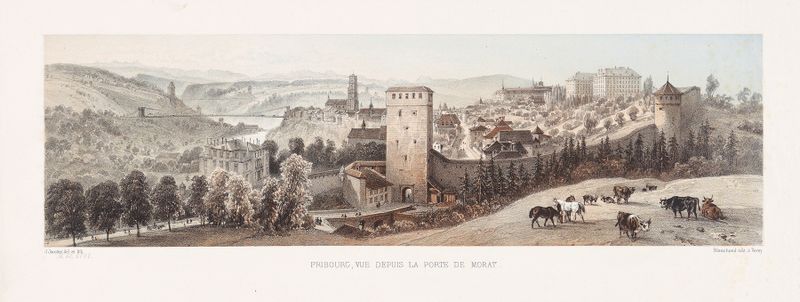
Fribourg, vue depuis la porte de Morat
Jean Jacottet
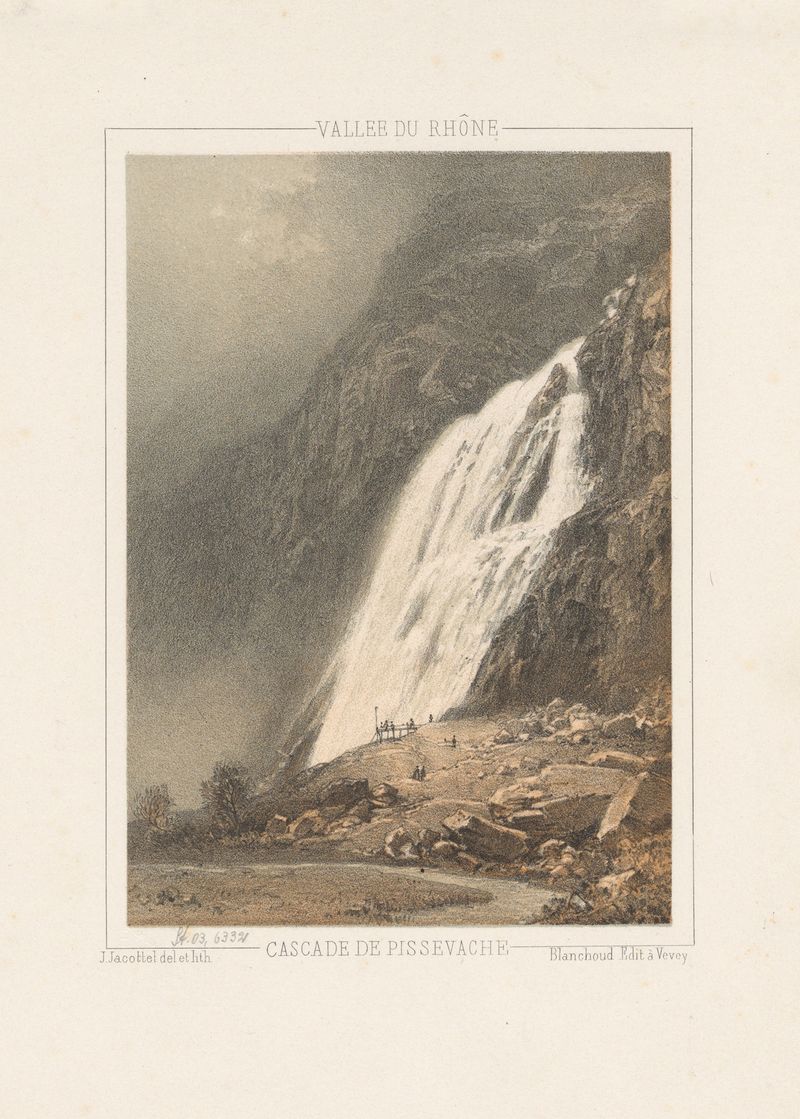
Cascade de Pissevache
Jean Jacottet
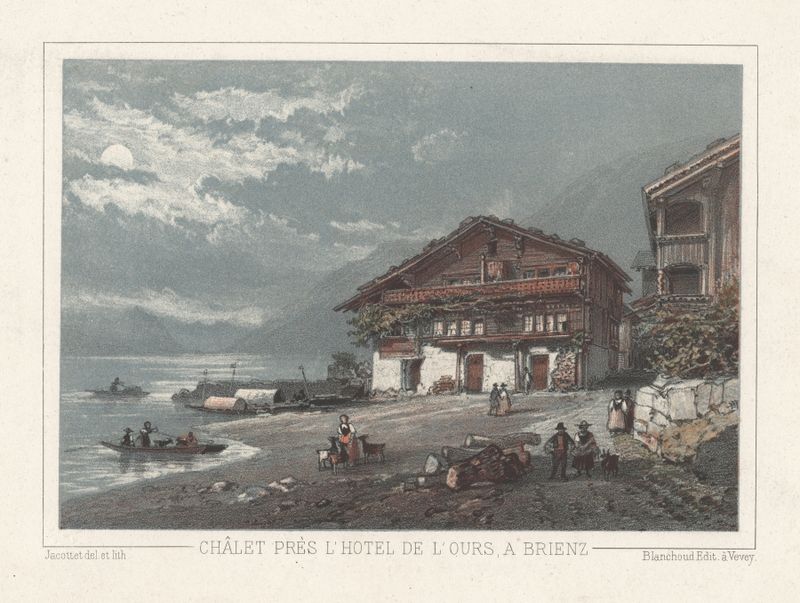
Châlet près l’Hotel de l’Ours, a Brienz
Jean Jacottet
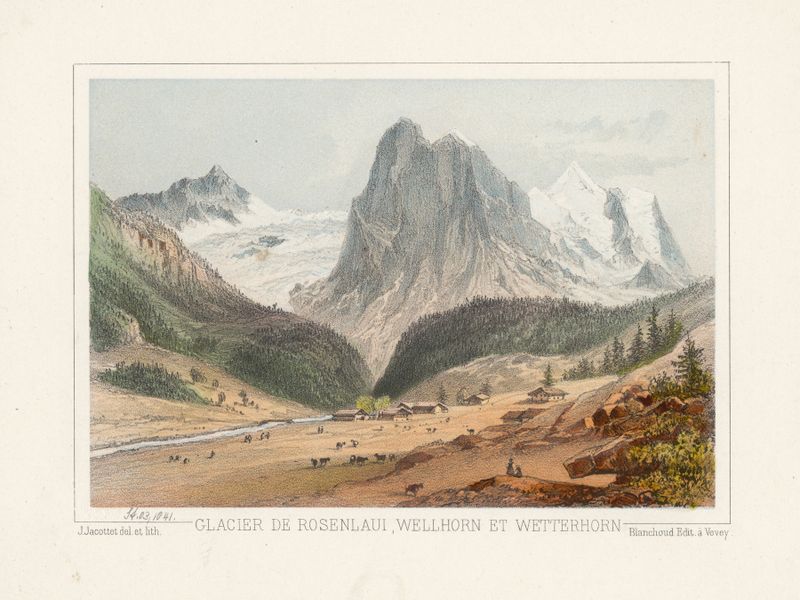
Glacier de Rosenlaui, Wellhorn et Wetterhorn
Jean Jacottet
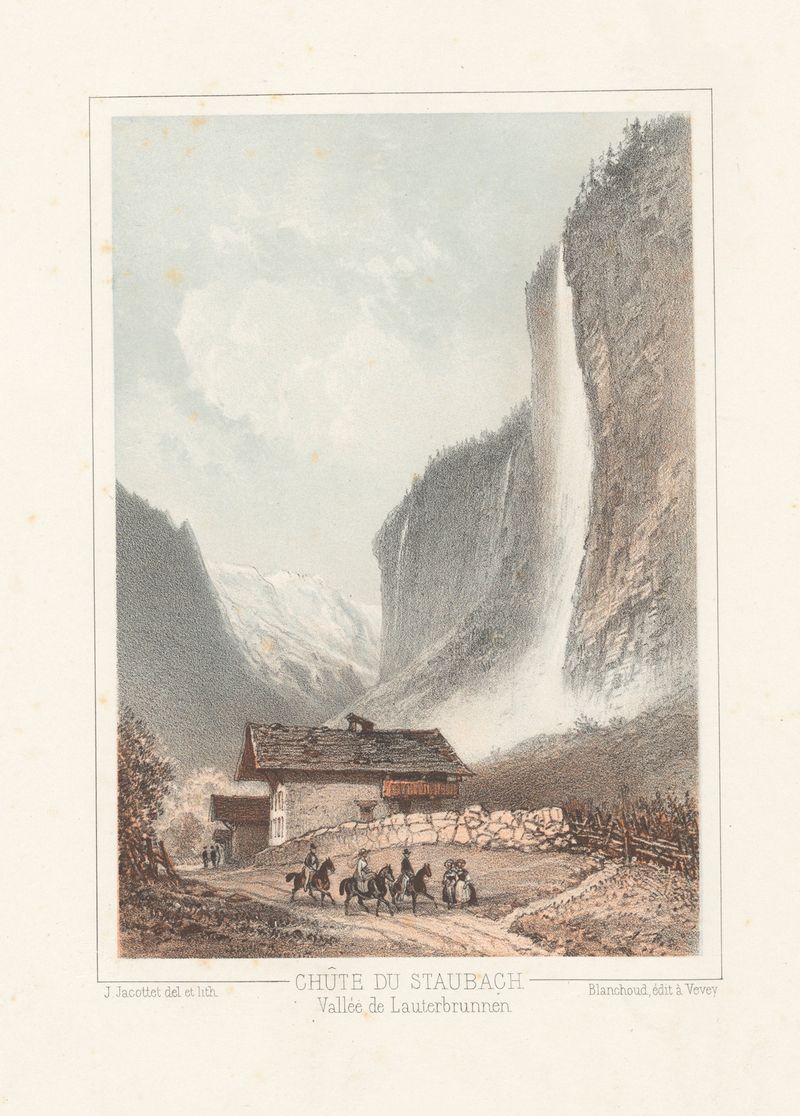
Chûte du Staubach Vallée de Lauterbrunnen
Jean Jacottet
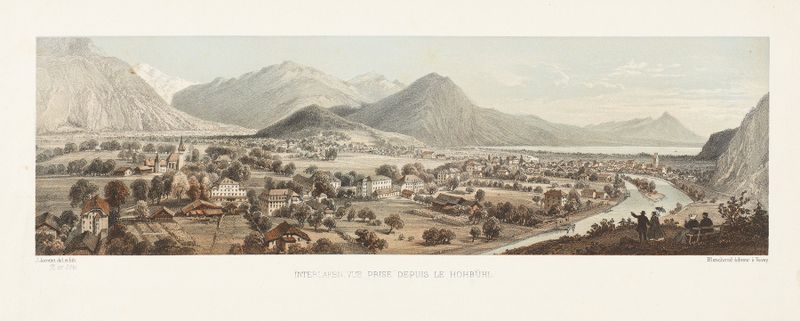
Interlaken, vue prise depuis le Hohbühl
Jean Jacottet
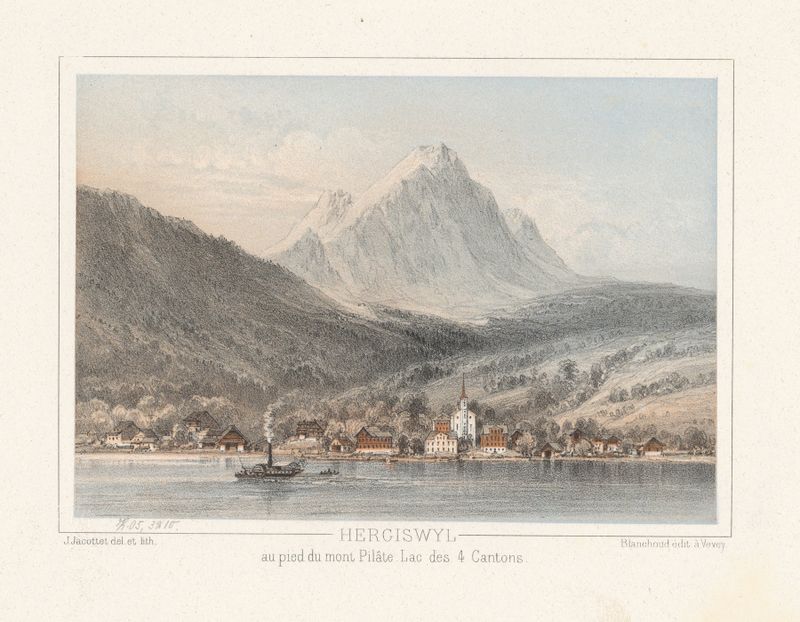
Hergiswyl au pied du mont Pilâte. Lac des 4 Cantons
Jean Jacottet
More Religious Art
Browse all →
The Return of the Prodigal Son
Rembrandt van Rijn

The Garden of Earthly Delights
El Bosco

Count Orgaz’ funeral
El Greco

The Hundred Guilder Print: the central piece with Christ preaching, the plate arched
Rembrandt van Rijn

The Descent from the Cross
Rogier van der Weyden

The return of the prodigal son
Rembrandt van Rijn