
St Francis — History & Facts
What secret hides in the quiet of the canvas? Beneath the serene visage of a saint lies a deeper narrative of vulnerability and betrayal, waiting to be unearthed. Look closely at the figure of St. Francis, perched gracefully at the center, his gentle expression softened by the subtle play of light across his face. The muted palette of browns and golds envelops him, evoking a sense of tranquility, yet the shadowy background looms ominously, hinting at an unseen threat.
Notice the delicate brushwork that highlights the textures of his robe, contrasting the softness of his skin, a visual metaphor for the duality of his existence—devotion versus isolation. As you delve deeper, consider the symbolism surrounding him: the animals at his feet may represent both companionship and the fragility of trust, while the faint outline of a cross in the background speaks to sacrifice. There is an unsettling tension between the peaceful serenade of nature and the underlying currents of betrayal, as if the saint is both revered and forsaken. It invites contemplation on the price of compassion in a world fraught with human frailty. Created between 1480 and 1500, this work emerged during a time of significant transition in art, as the Northern Renaissance sought to balance spiritual themes with the precision of realism.
The artist, known as the Master of Koudewater, worked within a milieu that emphasized religious devotion while grappling with the complexities of human emotion, arguably reflective of the societal shifts and spiritual introspection of the period.
More Artworks by Master of Koudewater
Browse all →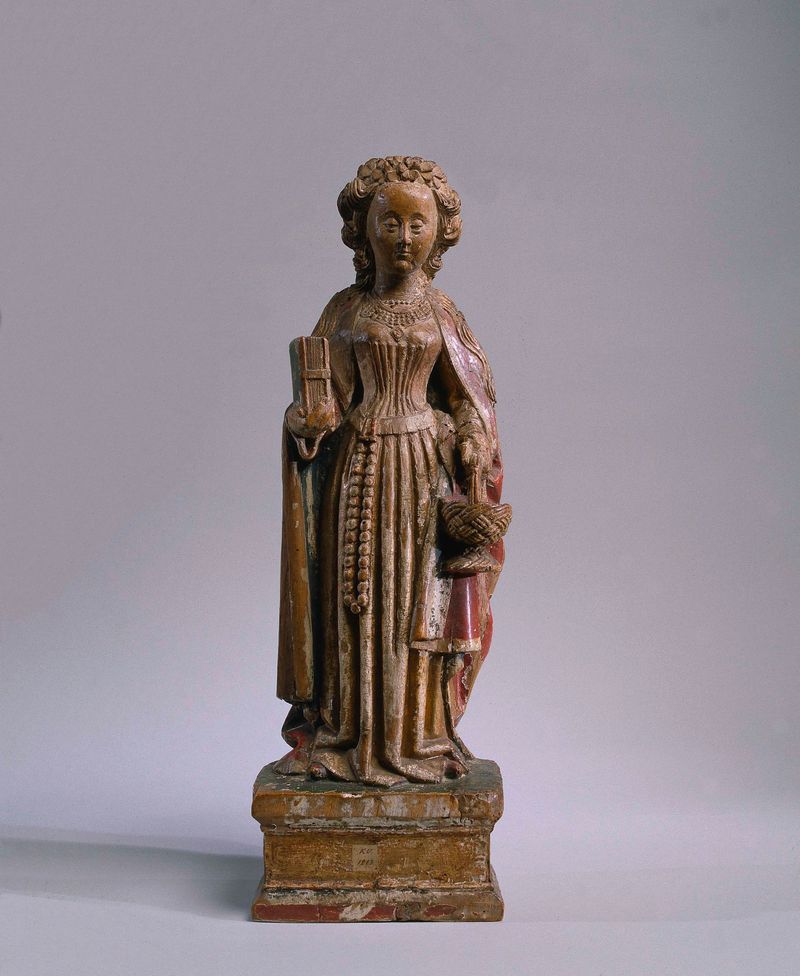
More Religious Art
Browse all →
The Return of the Prodigal Son
Rembrandt van Rijn

The Garden of Earthly Delights
El Bosco

Count Orgaz’ funeral
El Greco

The Hundred Guilder Print: the central piece with Christ preaching, the plate arched
Rembrandt van Rijn

The Descent from the Cross
Rogier van der Weyden

The return of the prodigal son
Rembrandt van Rijn