Discover insights about this artwork
St. Jerome in an Italian Landscape — History & Facts
In St. Jerome in an Italian Landscape, Rembrandt van Rijn presents a tranquil scene filled with rich colors. The painting features St.
Jerome, depicted in a contemplative pose, surrounded by a lush Italian landscape. The sky is painted in soft blues and whites, while the greenery and earth tones create a harmonious backdrop. This combination of elements invites the viewer into a serene moment of reflection. The painting is executed in oil on canvas, a medium that allows for rich texture and depth.
Rembrandt’s characteristic use of light and shadow, known as chiaroscuro, is evident in the way he models St. Jerome’s figure and the surrounding landscape. The brushwork is expressive, with visible strokes that add dynamism to the scene.
This technique enhances the emotional impact of the work, drawing the viewer's eye across the canvas. Created during the Dutch Golden Age, this work reflects Rembrandt's deep interest in religious themes and human emotion. Interestingly, St. Jerome in an Italian Landscape showcases the artist's ability to blend portraiture with landscape, a departure from traditional representations of saints.
The painting is believed to have been completed around c. 1645, a period when Rembrandt was exploring new artistic directions. This work remains a notable example of his innovative approach to composition and subject matter.
More Artworks by Rembrandt van Rijn
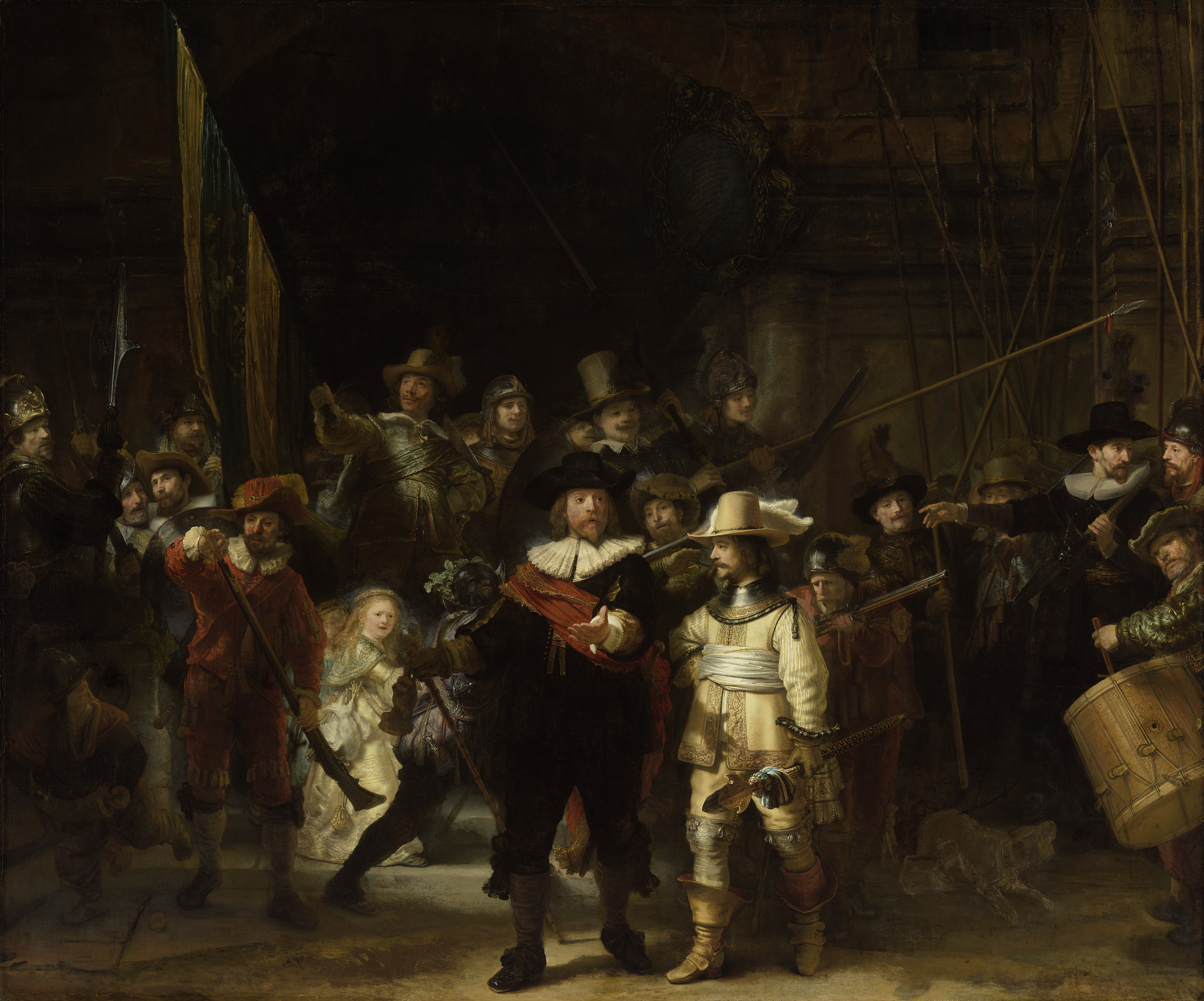
The Night Watch Militia Company of District II under the Command of Captain Frans Banninck Cocq
Rembrandt van Rijn
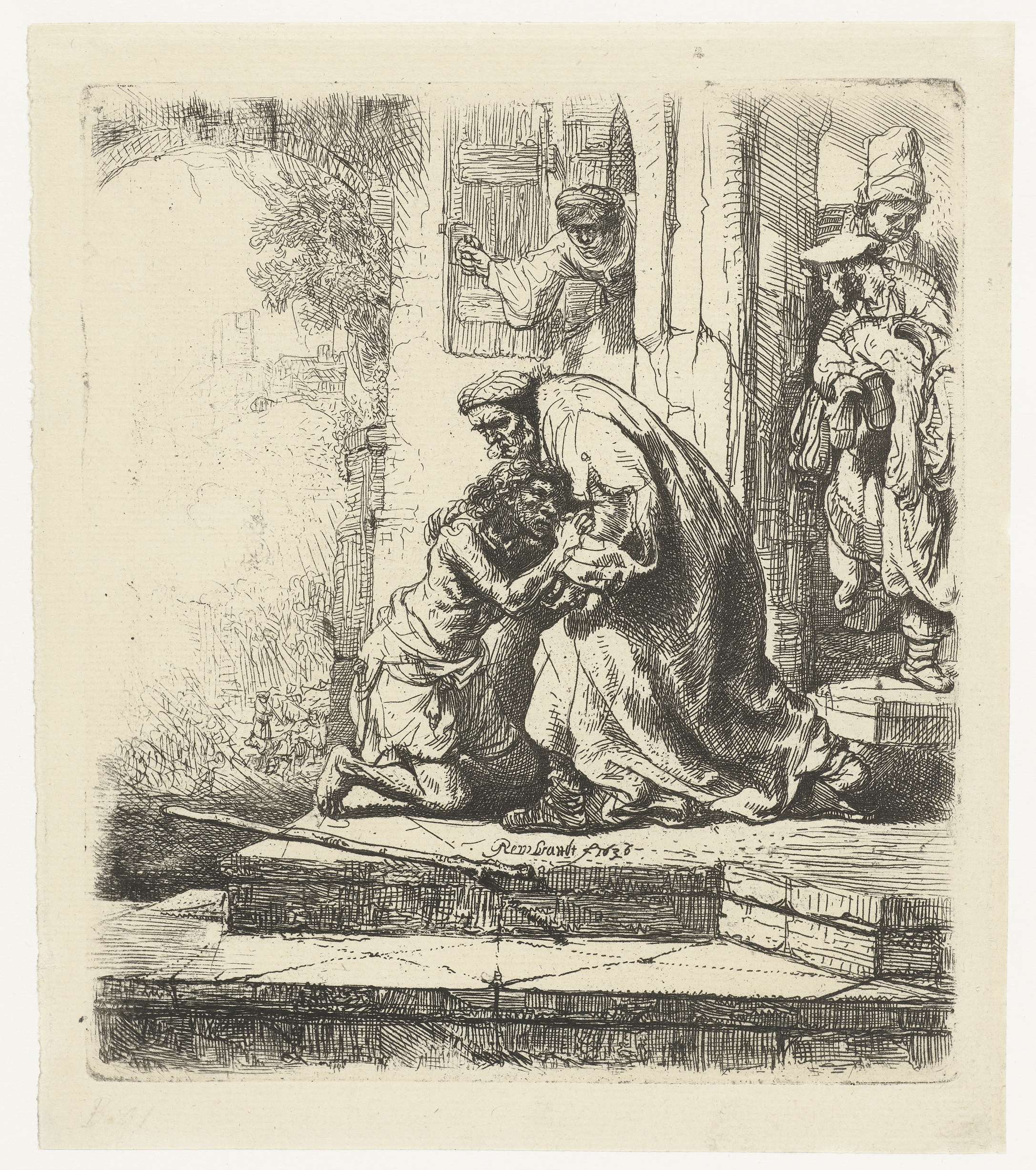
The Return of the Prodigal Son
Rembrandt van Rijn
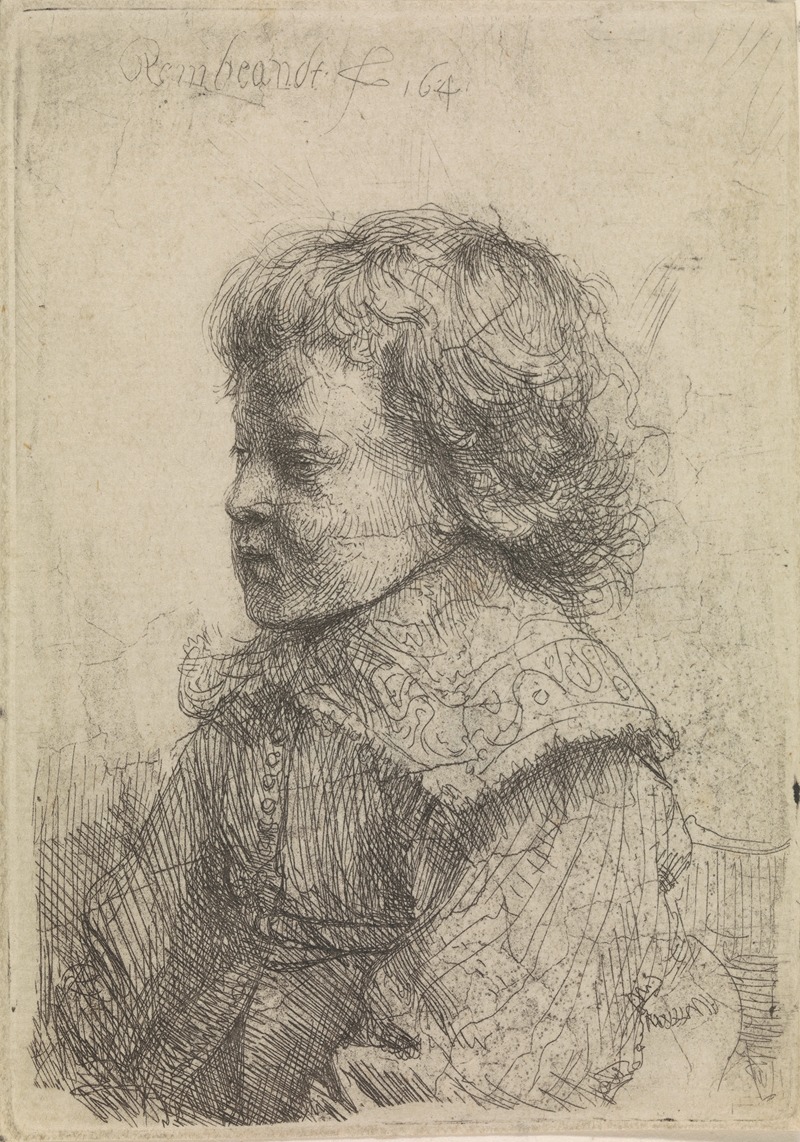
Portrait of a boy in profile
Rembrandt van Rijn
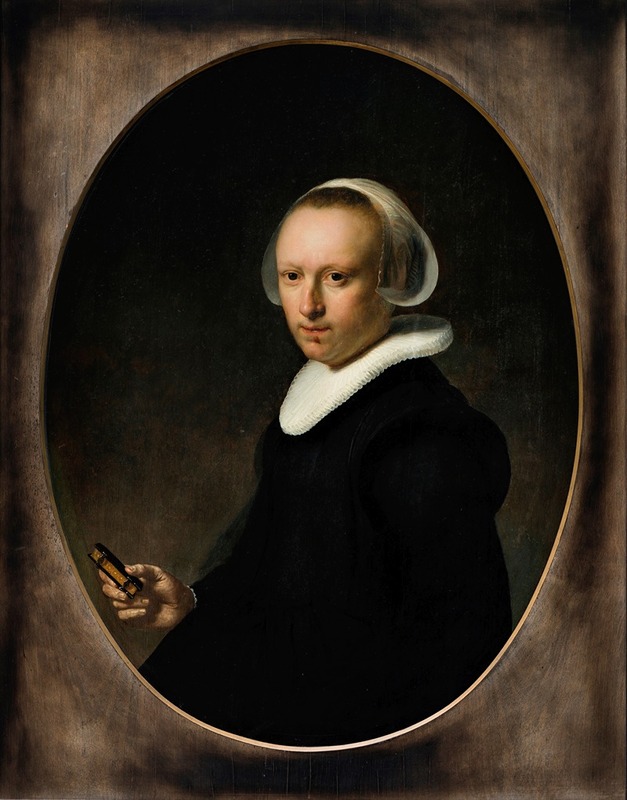
Portrait of a 39-year-old Woman
Rembrandt van Rijn
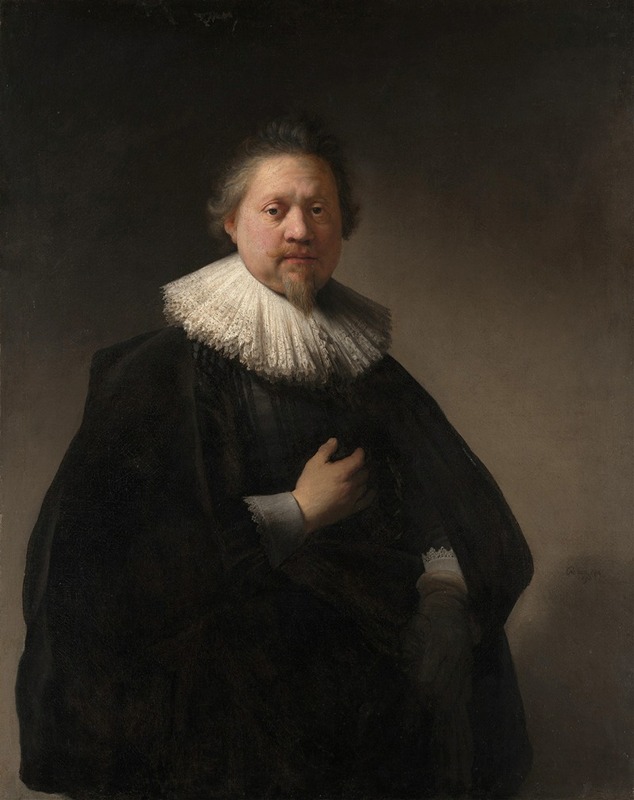
Portrait of a Man
Rembrandt van Rijn
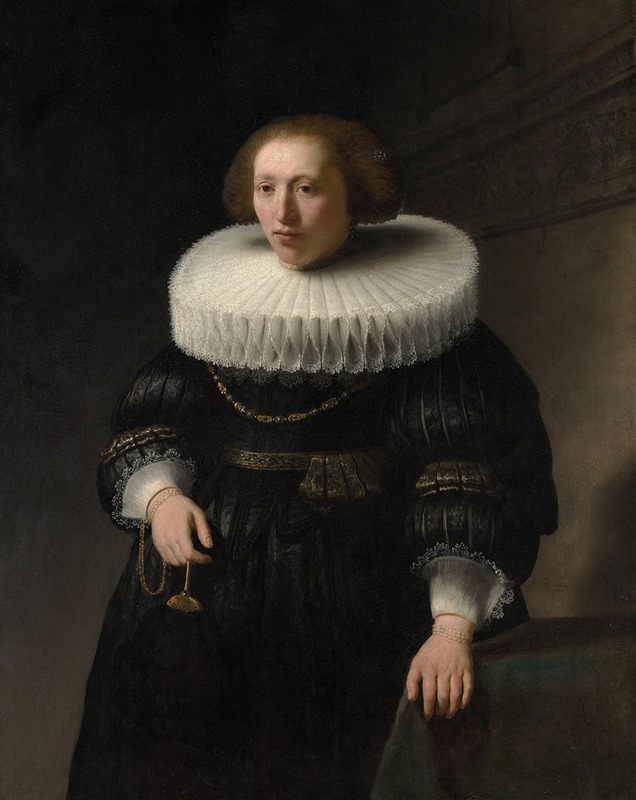
Portrait of a Woman
Rembrandt van Rijn
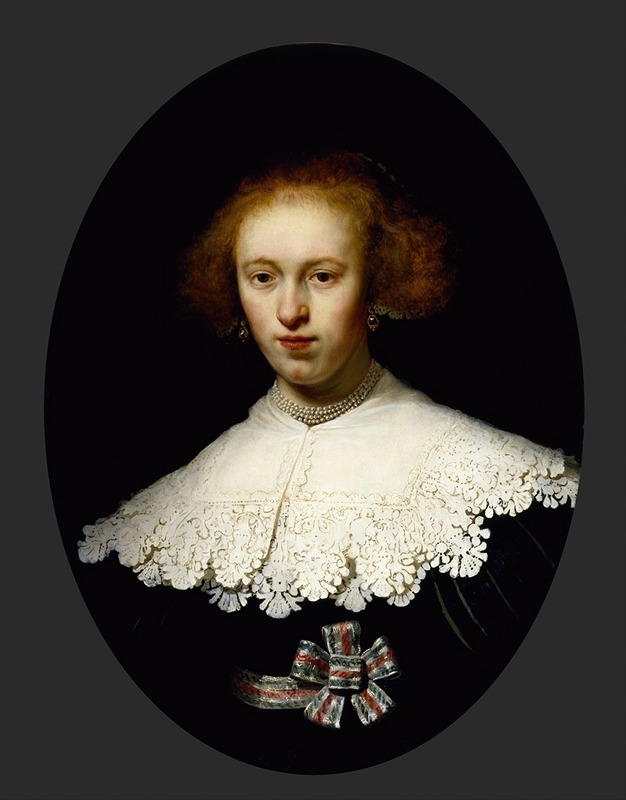
Portrait of a Young Woman
Rembrandt van Rijn
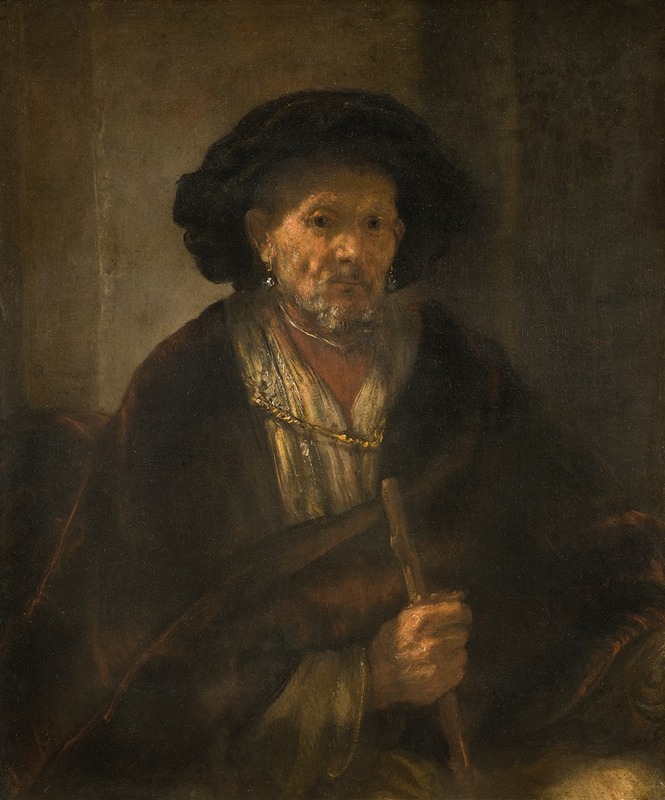
Portrait of an Old Man
Rembrandt van Rijn
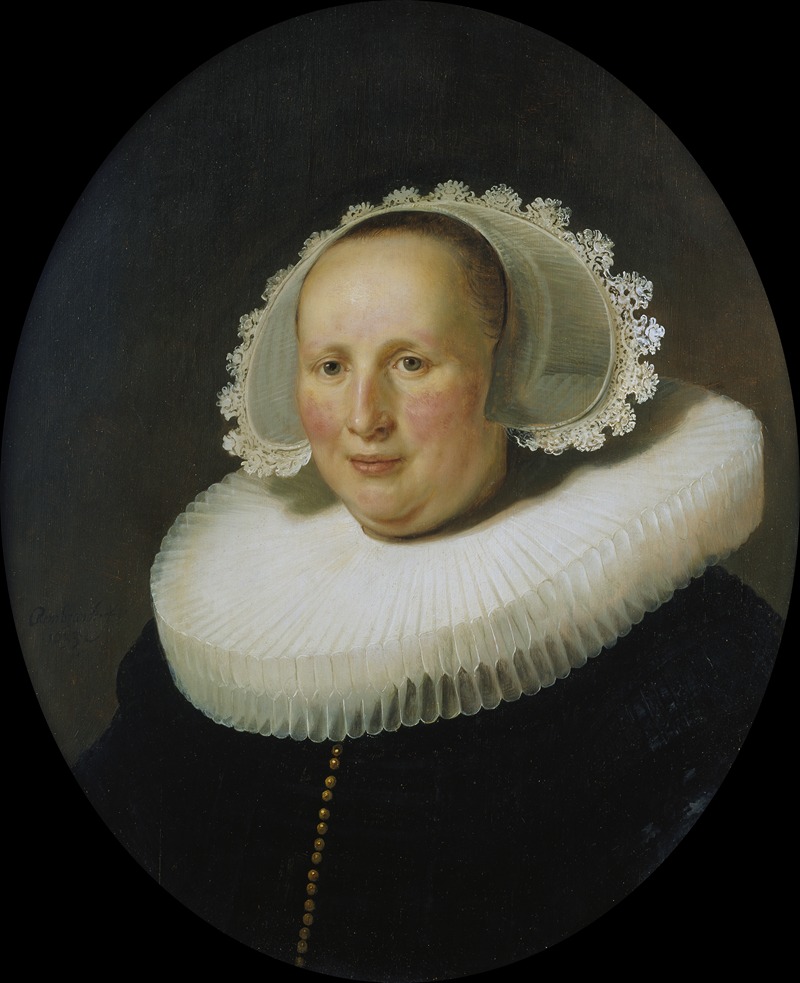
Portrait of Maertgen van Bilderbeecq
Rembrandt van Rijn
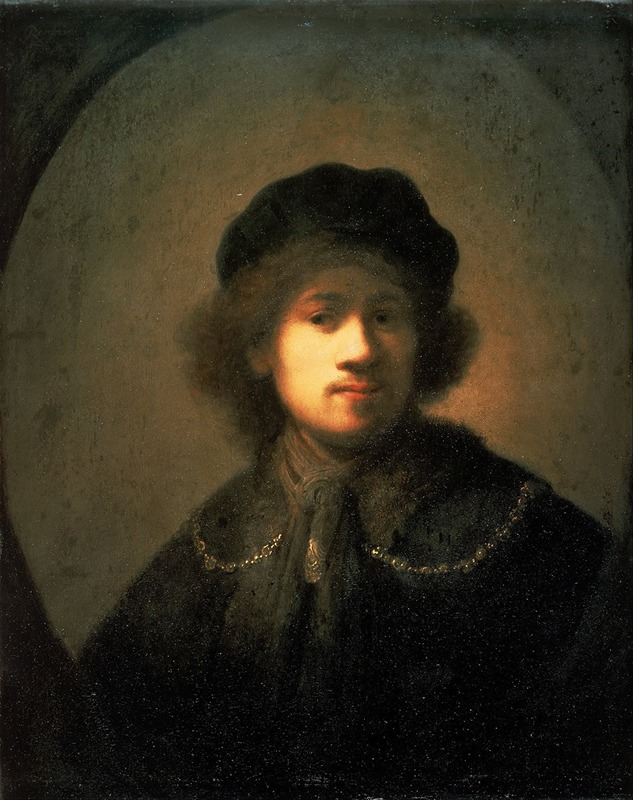
Portrait of the Artist as a Young Man
Rembrandt van Rijn