
March — History & Facts
Who listens when art speaks of silence? In March, transformation resides in every brushstroke, inviting us to contemplate the unseen shifts of the earth beneath the weight of time. Look to the center, where a field unfurls beneath the fractured light of an overcast sky. The muted greens and browns create a tapestry of early spring, suggesting a world awakening from the somber grips of winter. Notice how the light filters softly through the clouds, casting a melancholic glow that dances upon the emerging blossoms, hinting at renewal yet to come.
The horizon, a mere whisper of color, draws the eye outward, evoking a sense of longing for the promise of spring. Beneath the surface, the painting reflects a duality of stillness and movement. The serenity of the landscape contrasts sharply with the undercurrent of change; it is a silent reminder of nature’s cyclical journey. Each stroke captures the tension between the remnants of winter and the budding life ahead, an emotional tug-of-war that resonates within us.
This juxtaposition serves as a metaphor for personal transformation, inviting viewers to reflect on their own transitions, the quiet moments of introspection that often precede significant change. In 1776, Hendrik Meijer was deeply entrenched in the Dutch art scene, a time when Romanticism was beginning to emerge as a powerful influence. Painting March during this transitional period, he sought to capture the essence of nature and its profound ability to reflect human sentiment. The world was on the brink of revolutions, both socially and artistically, mirroring the transformations depicted in his work.
More Artworks by Hendrik Meijer
Browse all →
Watermolen en dorpskerk
Hendrik Meijer
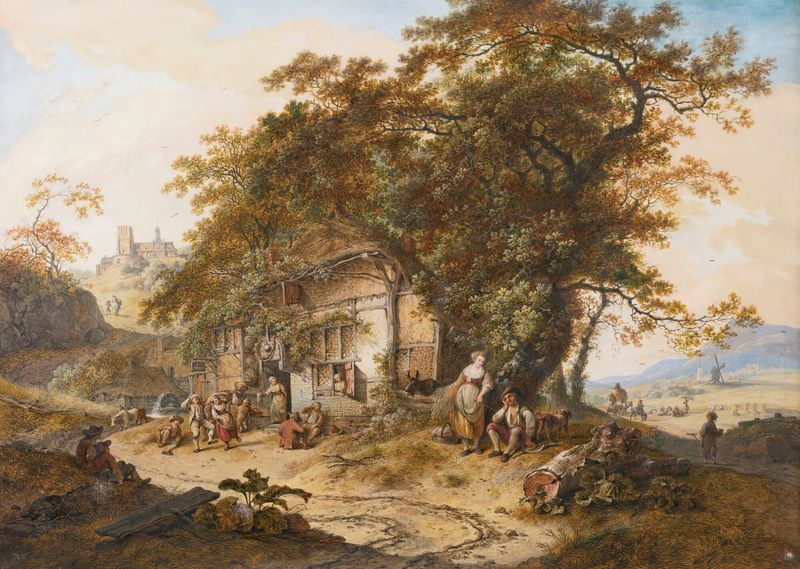
Extensive Landscape With Peasants Resting Before A Tavern, Others Harvesting In The Distance, And A Church On A Hill Behind
Hendrik Meijer
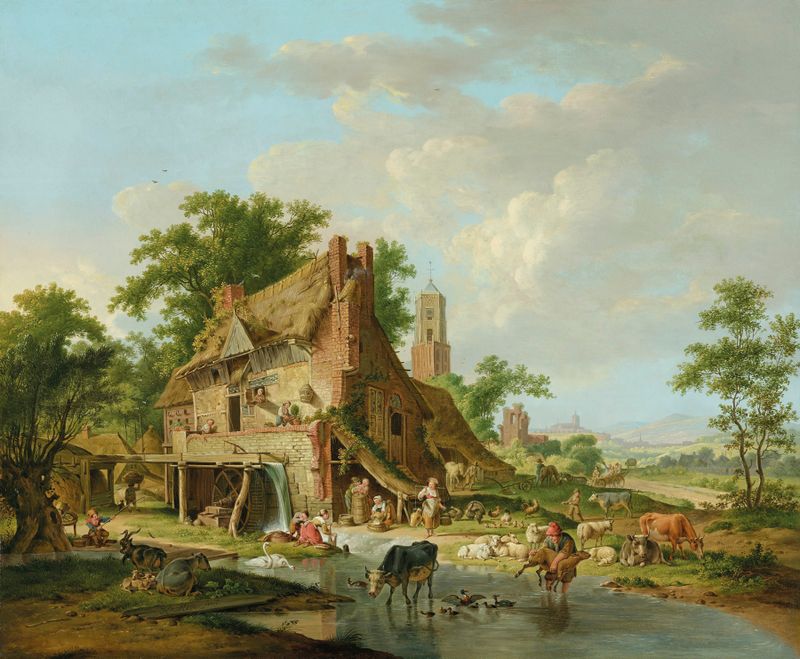
A watermill with farmyard animals and peasants, a landscape beyond
Hendrik Meijer
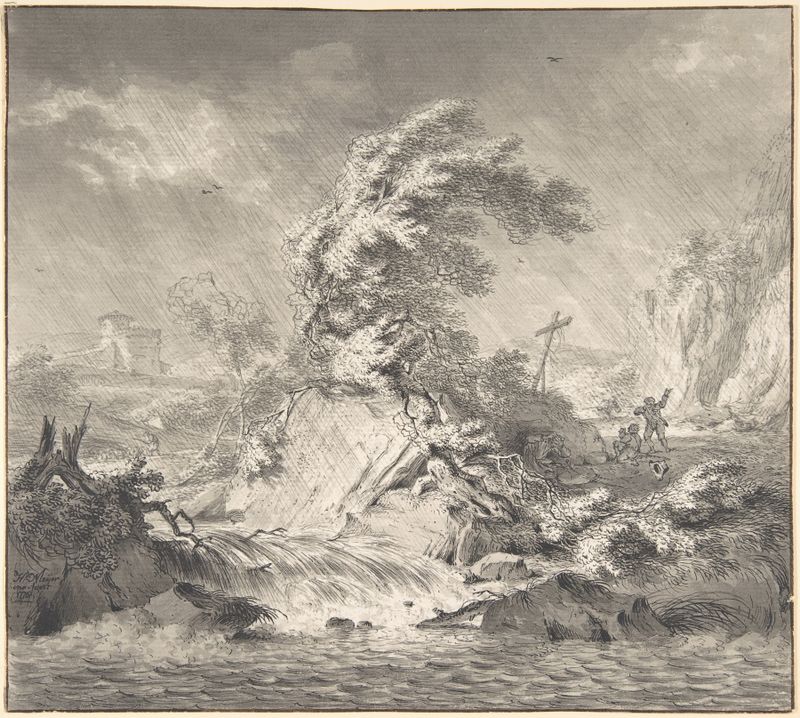
Stormy Landscape
Hendrik Meijer

The Twelve Months
Hendrik Meijer
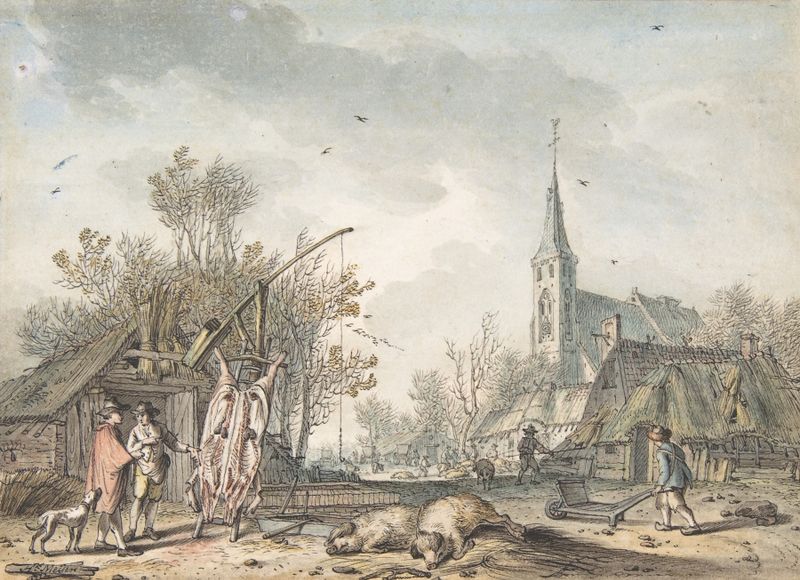
November
Hendrik Meijer

September
Hendrik Meijer

December
Hendrik Meijer
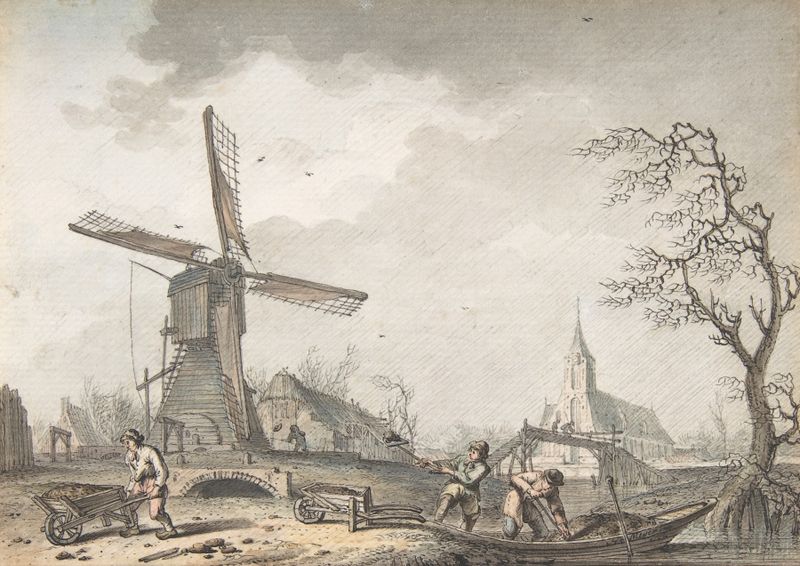
February
Hendrik Meijer
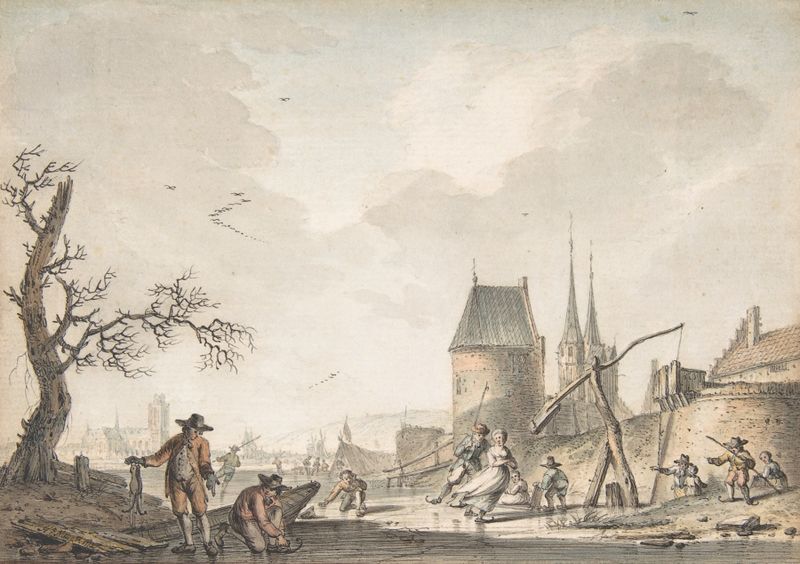
January
Hendrik Meijer





