
St. Michael — History & Facts
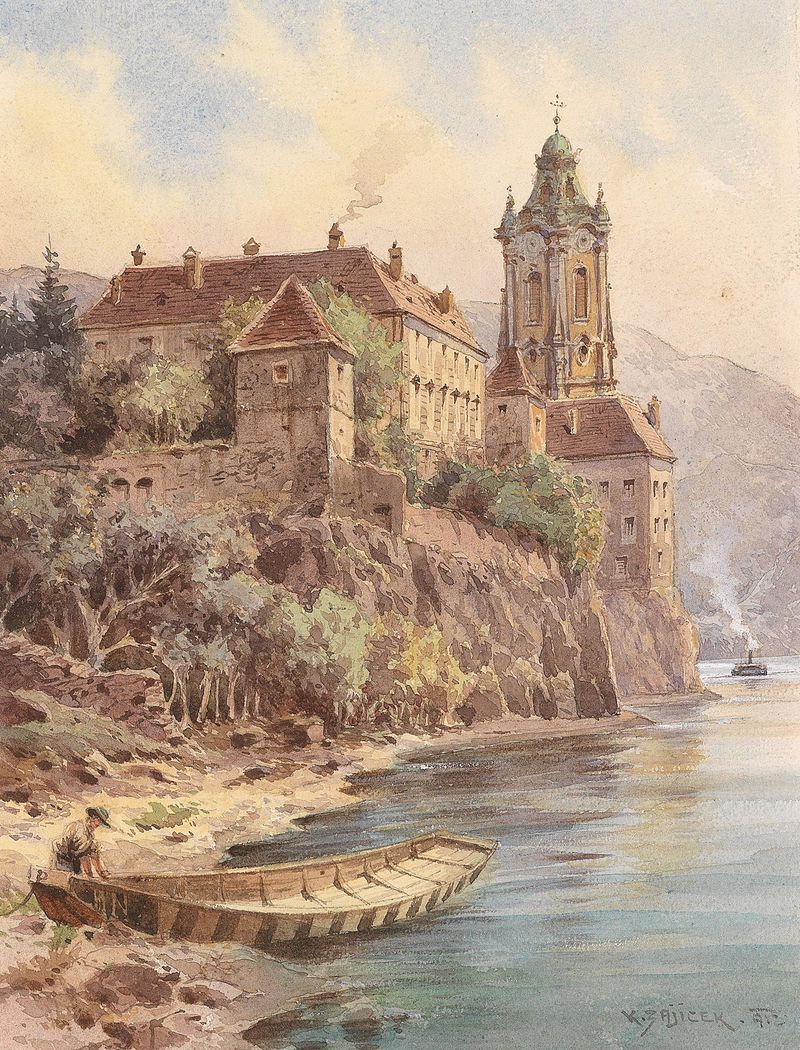
In St. Michael, an intricate dance of illusion unfolds, drawing the viewer into a world where divinity intertwines with earthly existence. The painting serves as a gateway, inviting contemplation of the eternal struggle between light and shadow, good and evil. Look to the center, where the figure of St.
Michael is poised in a commanding stance, a gleaming sword raised high. Notice how the artist employs a rich palette, with deep blues and golds contrasting sharply against the muted earth tones of the background. The dramatic chiaroscuro highlights the muscular form, accentuating both strength and grace, while the sweeping drapery around him creates a sense of dynamic movement.
Each brushstroke seems to breathe life into the canvas, inviting the viewer to engage with the moment, frozen yet vibrant. Yet, beyond the immediate allure lies a deeper narrative of conflict and protection. The delicate balance of light illuminates not just the saint but also the ominous figures that lurk in the shadows, representing the ever-present threat of chaos and despair. This tension between the heroic and the sinister captures the duality of existence, asking us to reflect on our own battles against unseen forces.
The intricate details in the background — a subtle hint of a turbulent sky and distant figures — further amplify this underlying conflict, suggesting that every hero’s journey is fraught with trials. Carl Wenzel Zajicek painted St. Michael in the Wachau region, a time marked by a growing interest in religious iconography and human emotion in the late 19th century. He was deeply influenced by both the Romantic and Baroque movements, striving to convey the spiritual through dramatic realism.
As art transitioned towards Modernism, his work stood as a testament to enduring themes of faith and heroism amidst a rapidly changing world.
More Artworks by Carl Wenzel Zajicek
Browse all →


More Religious Art
Browse all →
The Return of the Prodigal Son
Rembrandt van Rijn

The Garden of Earthly Delights
El Bosco

Count Orgaz’ funeral
El Greco

The Hundred Guilder Print: the central piece with Christ preaching, the plate arched
Rembrandt van Rijn

The Descent from the Cross
Rogier van der Weyden

The return of the prodigal son
Rembrandt van Rijn