
Stadhuis in Capodistria — History & Facts
Who listens when art speaks of silence? In Stadhuis in Capodistria, the hushed grandeur of a town hall stands as a testament to the awakening of a new era in architectural appreciation. Look to the center of the canvas where the stately building rises, its intricate façade softly illuminated by the warm glow of late afternoon sun. Notice how the artist skillfully uses a palette of muted earth tones, allowing shadows and light to play across the stone, enhancing the rich textures that define the architecture. The composition draws the eye upward, inviting contemplation of the structure's elegant lines that reach for the heavens, echoing the aspirations of a community. Yet, amidst this serenity, contrasts emerge.
The stillness of the town hall is juxtaposed against the expressive brushstrokes in the surrounding foliage, suggesting nature's quiet insistence on reclaiming space. The absence of human figures suggests a moment of pause, where the weight of history lingers in the air, and the viewer is left to reflect on the stories embedded within these walls. This evokes a sense of melancholy, as if the building holds secrets of bygone days, waiting patiently for a listener. Carel Nicolaas Storm van 's-Gravesande painted Stadhuis in Capodistria in 1902 while residing in the Netherlands.
At this time, he was experimenting with a more impressionistic style, blending traditional realism with a fresh perspective on light and color. This period marked a significant shift in the art world, as artists sought new ways to convey emotion and experience, paving the way for modernism.
More Artworks by Carel Nicolaas Storm van 's-Gravesande
Browse all →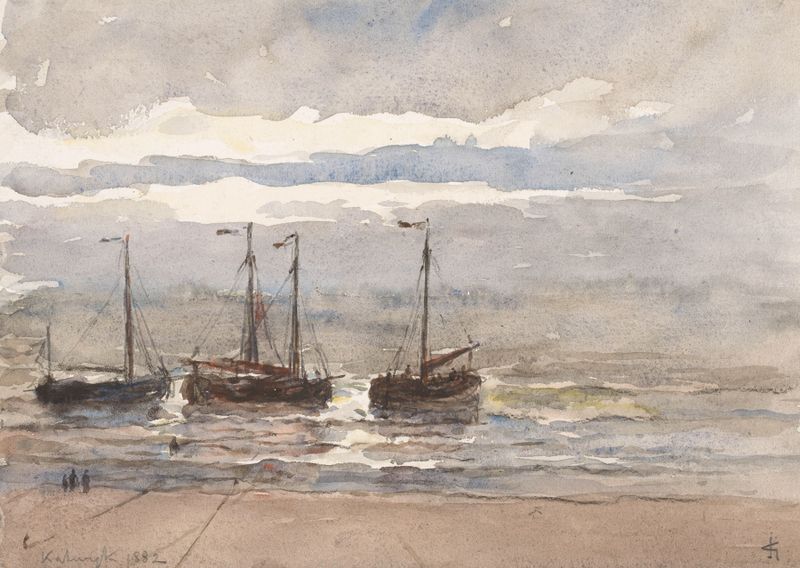
Vissersschepen op het strand van Katwijk bij opkomende vloed
Carel Nicolaas Storm van 's-Gravesande
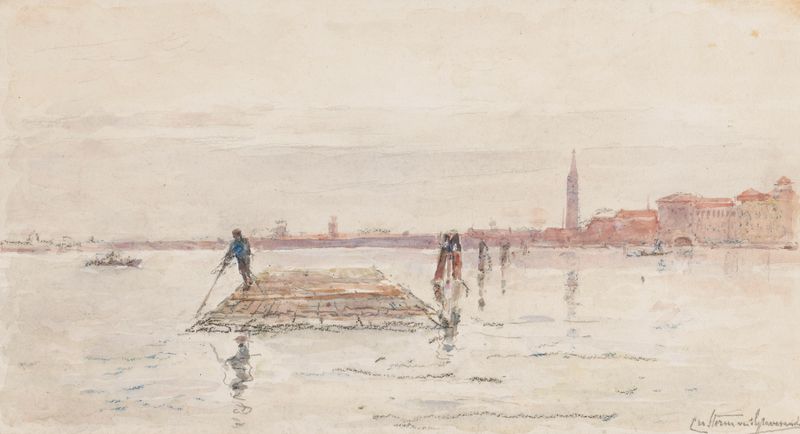
Gezicht op Venetië vanaf het water, met op de voorgrond in het water een houten vlot
Carel Nicolaas Storm van 's-Gravesande
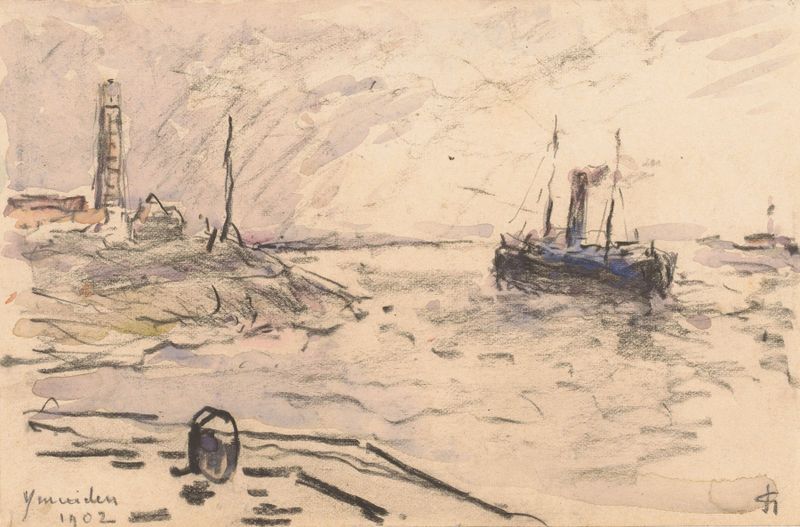
Gezicht op de kust van IJmuiden met vuurtoren en schip
Carel Nicolaas Storm van 's-Gravesande
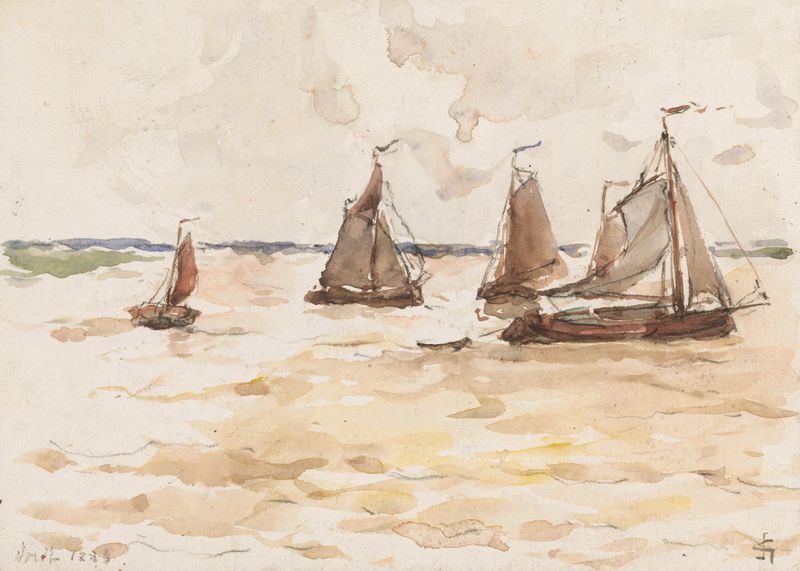
Vissersschepen op een rivier
Carel Nicolaas Storm van 's-Gravesande
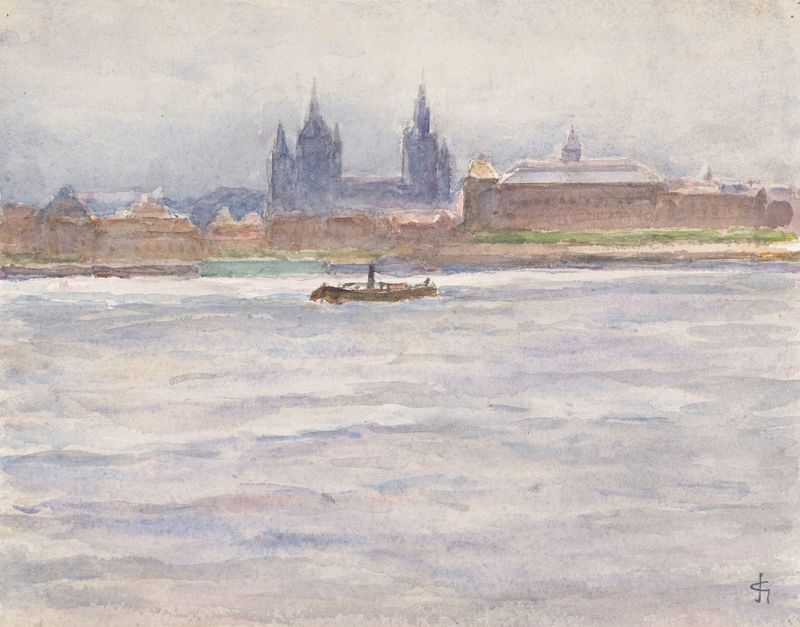
Gezicht op Mainz vanaf de rivier
Carel Nicolaas Storm van 's-Gravesande
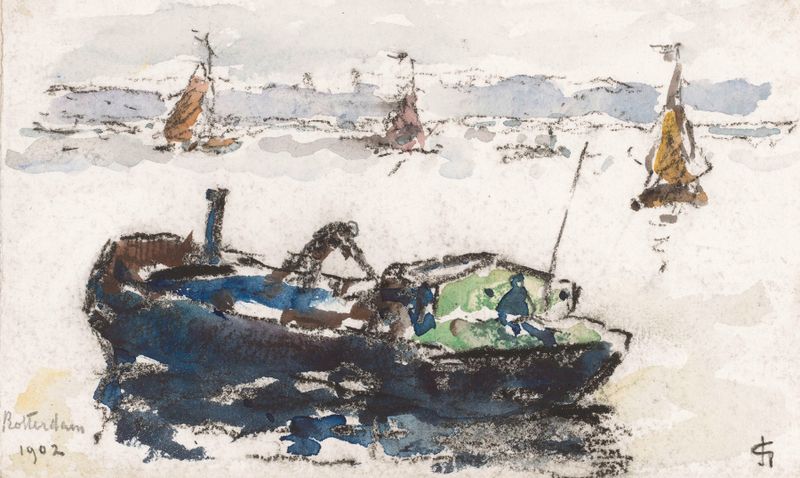
Gezicht op de Maas bij Rotterdam
Carel Nicolaas Storm van 's-Gravesande
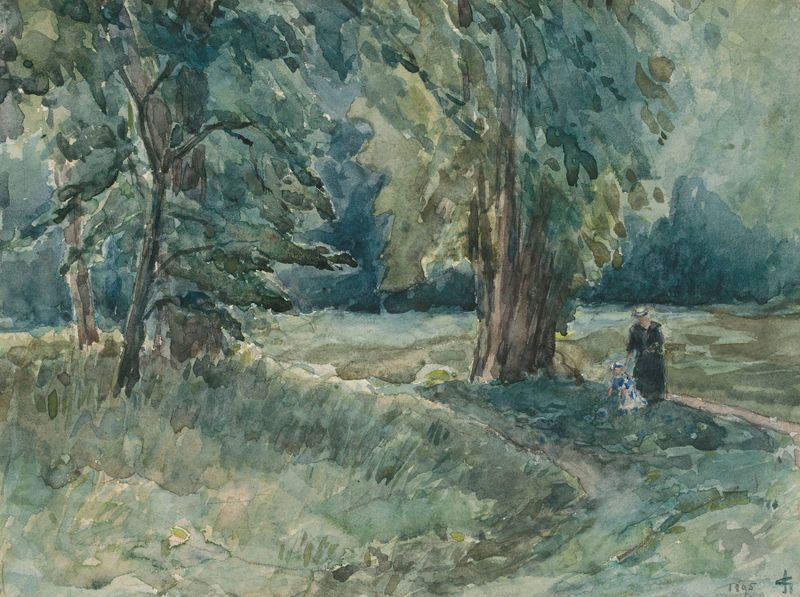
Mevrouw Storm van ‘s Gravesande geboren Clifford met haar dochter in het park van Bieberich
Carel Nicolaas Storm van 's-Gravesande
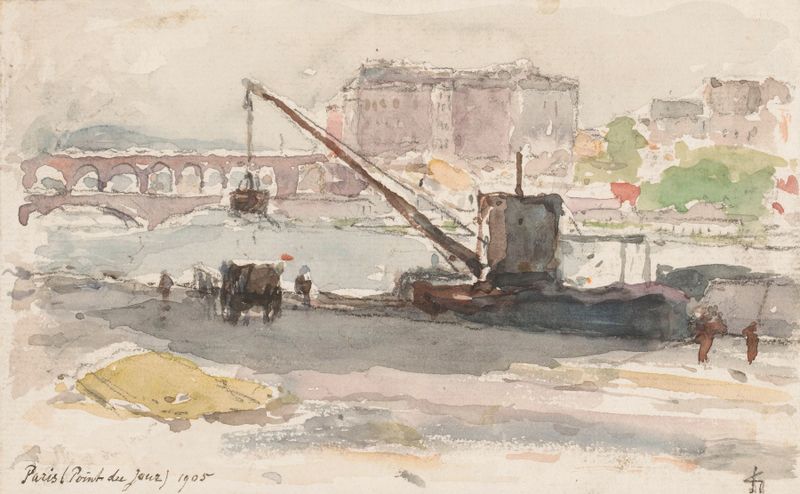
Point du Jour, Parijs
Carel Nicolaas Storm van 's-Gravesande
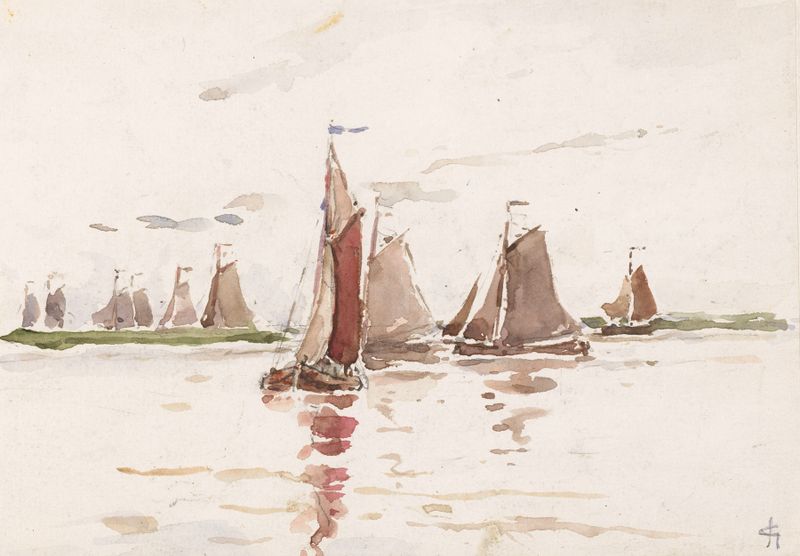
Vissersschepen op een rivier
Carel Nicolaas Storm van 's-Gravesande
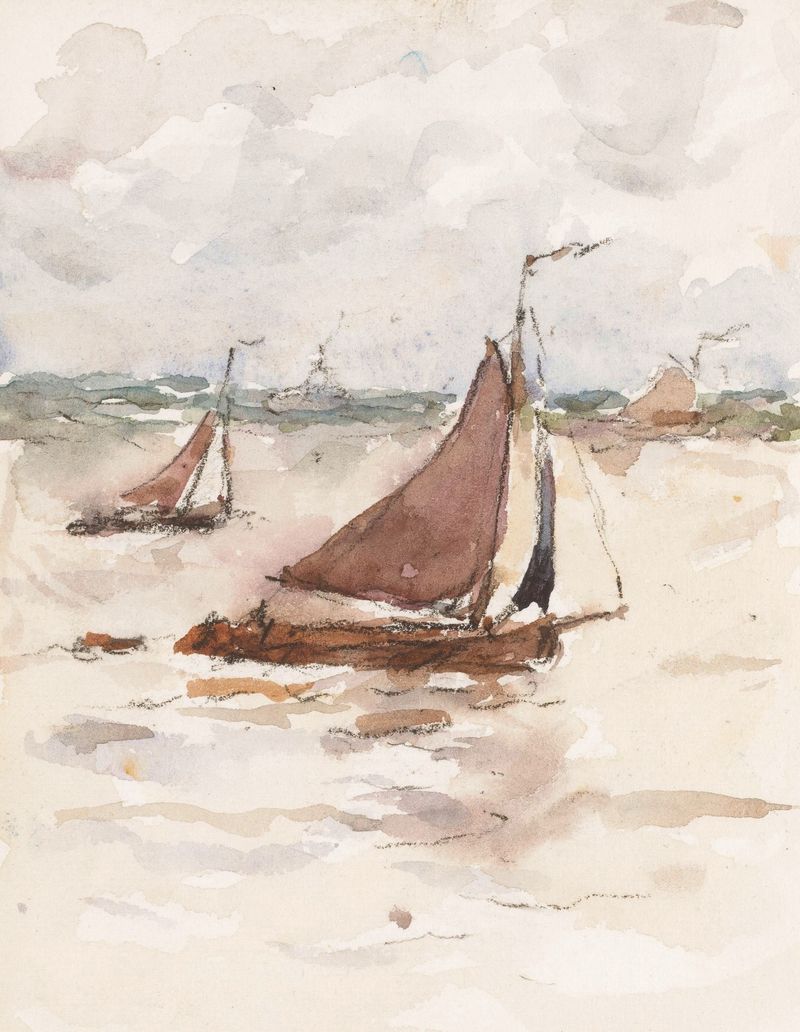
Zeilende vissersschepen op de Schelde
Carel Nicolaas Storm van 's-Gravesande
More Architecture Art
Browse all →
The statue of Liberty
Frédéric Auguste Bartholdi

View of Houses in Delft, Known as ‘The Little Street’
Johannes Vermeer

View of Houses in Delft, Known as ‘The Little Street’
Johannes Vermeer

The Cathedral in Rouen. The portal, Grey Weather
Claude Monet

The yellow house
Vincent van Gogh

The Church in Auvers-sur-Oise, View from the Chevet
Vincent van Gogh