
Stadsgezicht in de winter — History & Facts
Is this a mirror — or a memory? The canvas whispers tales of a winter's day, where the chill in the air wraps around the viewer like a forgotten dream, evoking a sense of melancholy that lingers long after the gaze has shifted. Look to the left at the delicate touch of snow blanketing the rooftops, each flake meticulously rendered, reflecting the gentle hues of a muted winter sky. Notice how the icy river meanders through the scene, its surface capturing glimpses of the somber landscape, while the figures, small and distant, wander as if lost in their own thoughts. The use of soft, muted colors creates a serene yet somber atmosphere, inviting contemplation rather than action. Beneath the tranquil exterior lies a contrast between the vibrancy of life and the stillness of winter.
The clusters of people, caught in their daily rhythms, evoke a sense of isolation within the grandeur of the landscape. Their gestures, subtle yet expressive, suggest stories untold, hinting at the emotional weight of solitude amidst the bustling city. This tension between the liveliness of human presence and the cold embrace of the season speaks to the deeper human experience of yearning and nostalgia. Martinus Schouman painted this landscape during the early 19th century, a time when the Neoclassical movement was yielding to Romanticism, marking a shift in artistic expression.
Living in the Netherlands, he was influenced by the stark beauty of his surroundings, capturing the essence of Dutch winter scenes. As industrialization began to reshape society, his work reflects a yearning for the past, encapsulating both the beauty and the melancholy of an era in transition.
More Artworks by Martinus Schouman
Browse all →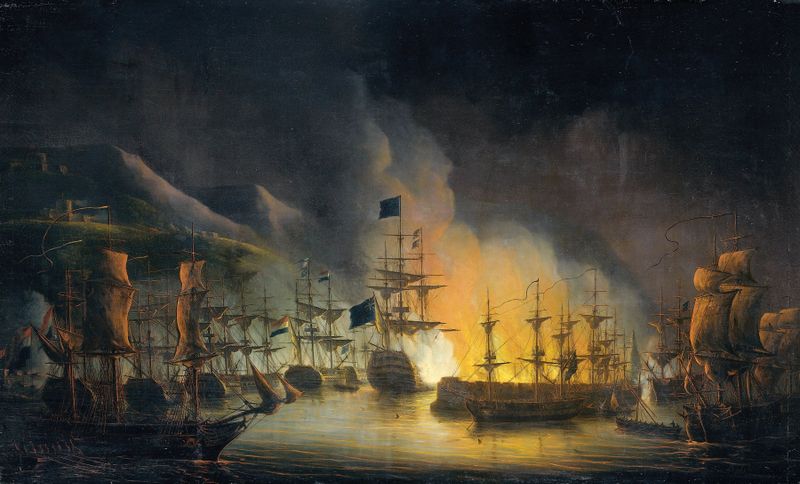
The Bombardment of Algiers (26-27 August 1816)
Martinus Schouman
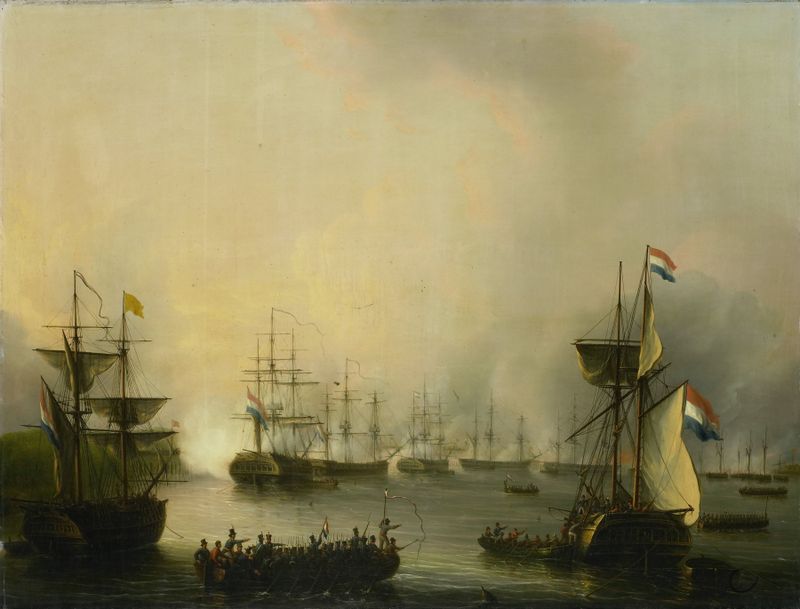
The Bombardment of Palembang, Sumatra, 24 June 1821
Martinus Schouman
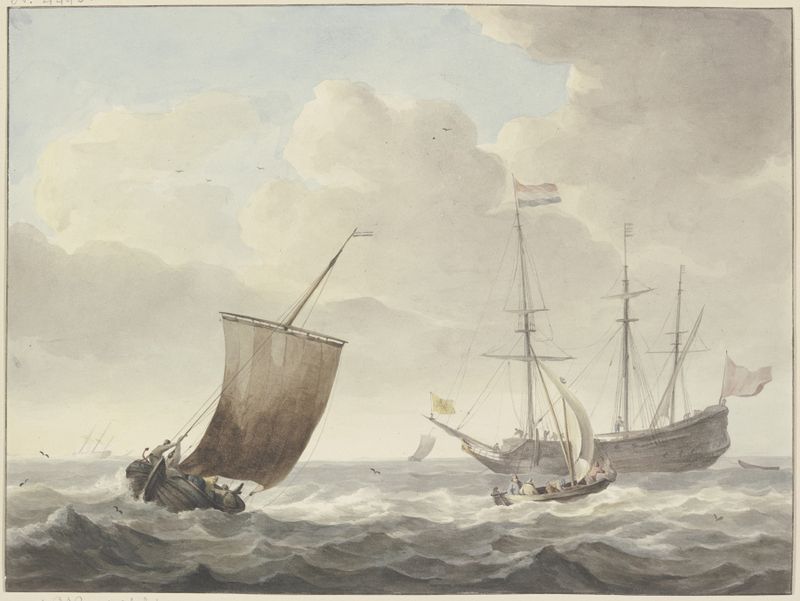
Bewegte See mit Schiffen, gelbe Flagge mit goldenem Löwen
Martinus Schouman

The Explosion of Gunboat nr 2, under Command of Jan van Speijk, off Antwerp, 5 February 1831
Martinus Schouman
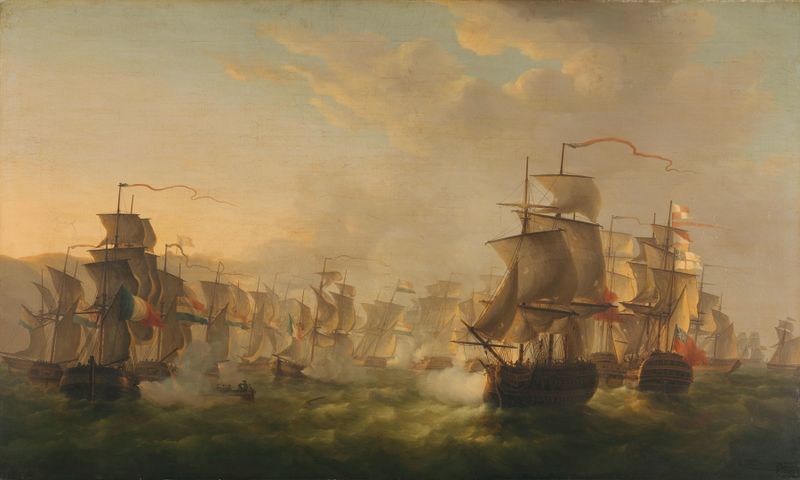
Clash of the Dutch and British Fleets during the Passage of the Dutch Flotilla to Boulogne (1804)
Martinus Schouman
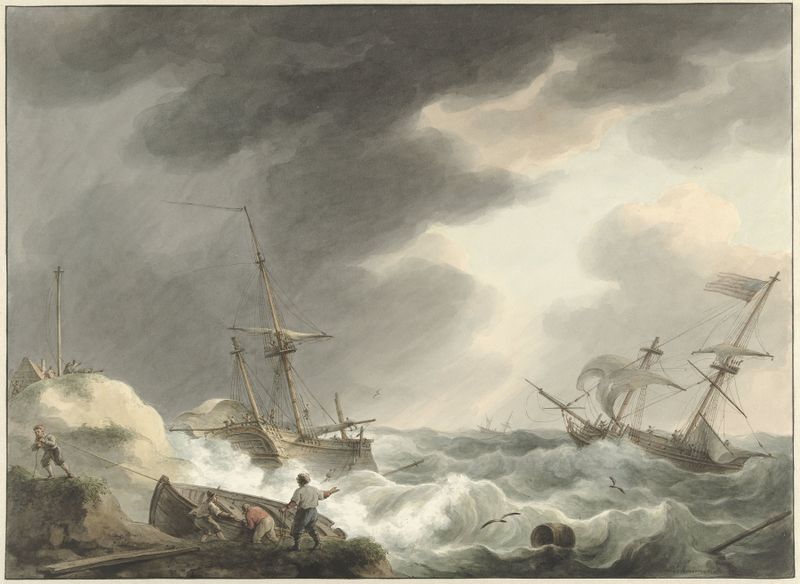
Schipbreuk van twee schepen, waarvan één onder Amerikaanse vlag, op een duinenkust
Martinus Schouman
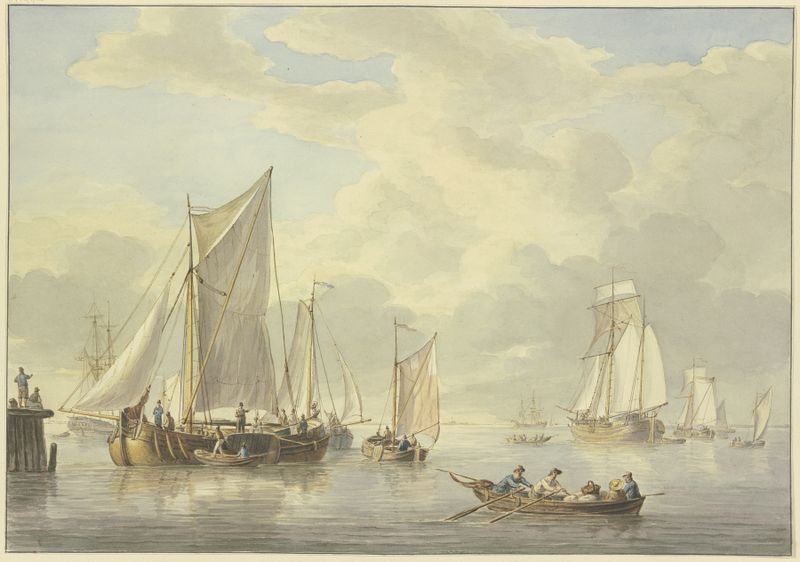
Ruhige See mit vielen Schiffen, vorne ein Boot mit drei Ruderern und einer Frau
Martinus Schouman
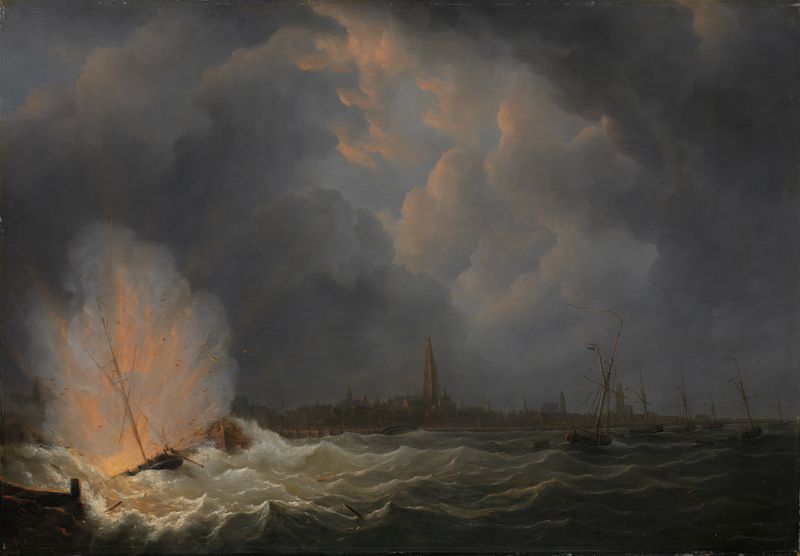
The Explosion of Gunboat nr 2, under Command of Jan van Speyk, off Antwerp, 5 February 1831
Martinus Schouman
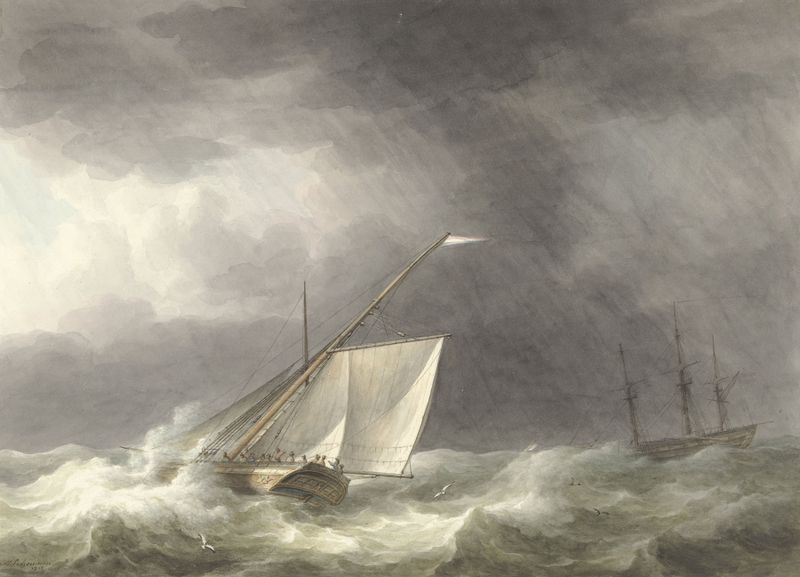
Twee zeilschepen op woelige zee
Martinus Schouman
Riviergezicht met afgemeerde schepen
Martinus Schouman





