
Steengroeve — History & Facts
Could a single brushstroke hold eternity? In the delicate layers of Steengroeve, the viewer is invited to explore a world where revelation lies hidden beneath the surface, waiting to be unearthed. Look closely at the center of the painting, where the rough textures of the quarry contrast sharply with the smoothness of the workers’ skin. The earthy palette of browns and grays conveys both the weight of labor and the beauty of the landscape, while the dappled light filtering through the trees creates an intimate connection between man and nature. Each element is meticulously rendered, guiding the eye towards the men at work, their gestures both strenuous and determined. The emotional tension between toil and tranquility defines the scene.
The laborers, deeply engrossed in their task, evoke a sense of reverence for the natural world and their place within it. This interplay highlights the artist's commentary on the relationship between humanity and the earth, suggesting that from hardship springs a profound appreciation of beauty. Additionally, the shadows lurking at the edges symbolize the relentless passage of time, reminding us of the impermanence of both labor and landscape. Abraham Teerlink created Steengroeve during a period of significant transition in the art world, between 1810 and 1857.
Living in the Netherlands, he was influenced by the Romantic movement, which emphasized emotion and nature. This era witnessed a growing fascination with industrialization, prompting Teerlink to capture the dignity of labor within the emerging landscape of modernity, reflecting the changing societal values of his time.
More Artworks by Abraham Teerlink
Browse all →
Italian Landscape
Abraham Teerlink

Winterlandschaft, Schlittschuhläufer bei Zelten auf dem Kanal, ein Husar umarmt ein Getränke haltendes Mädchen
Abraham Teerlink
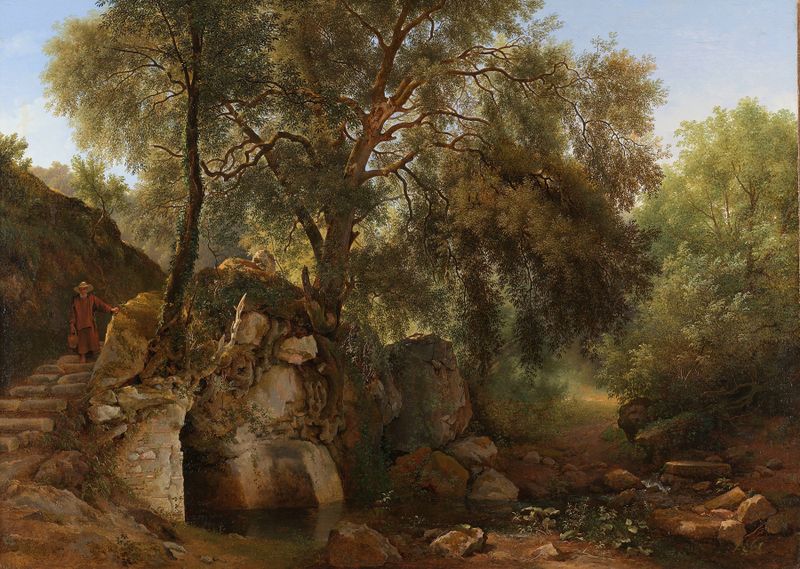
View in the Park of the Villa Chigi at Ariccia
Abraham Teerlink
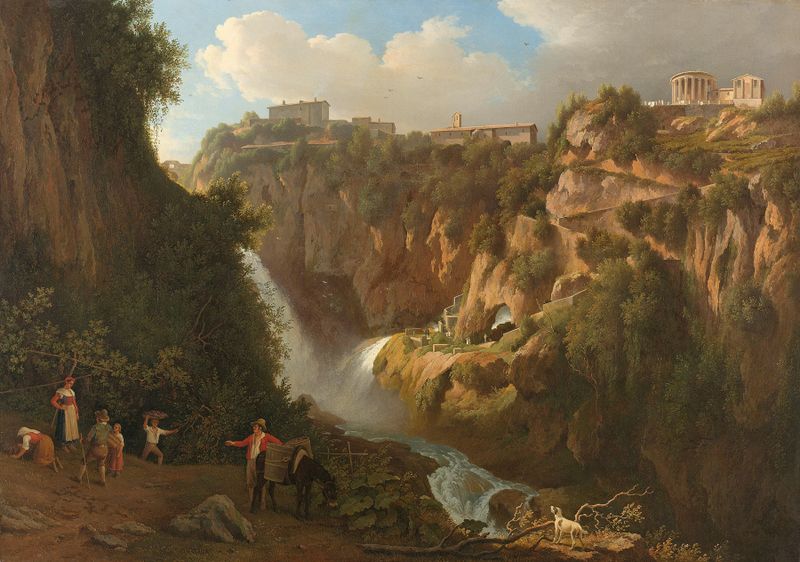
The Waterfall at Tivoli
Abraham Teerlink

The Cascades at Tivoli, with a Storm Approaching
Abraham Teerlink
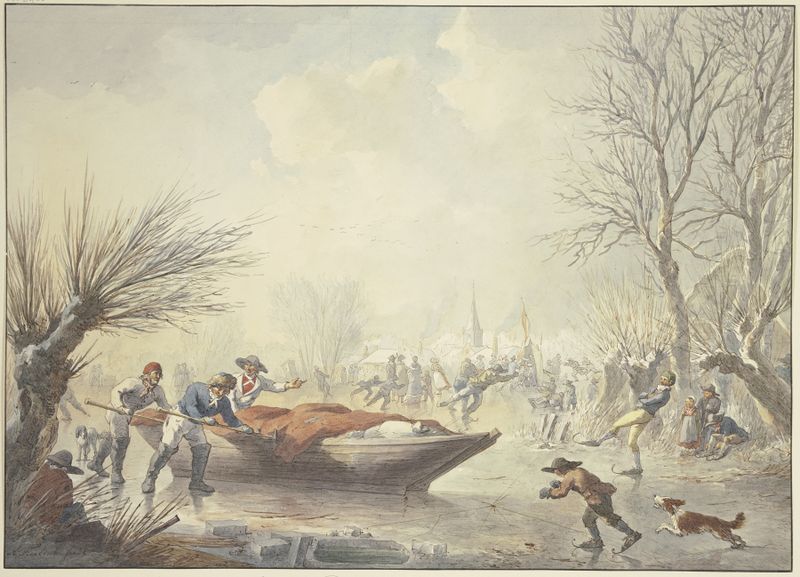
Winterlandschaft, auf dem Eis schieben drei Männer ein Boot dem Land zu, rechts ein Schlittschuhläufer, den ein Hund verfolgt
Abraham Teerlink

Links begegnet ein Schafhirte einem Milchmädchen, rechts in einem Kahn drei Fischer, und einer in Uniform hinter einem Weidenbaum
Abraham Teerlink
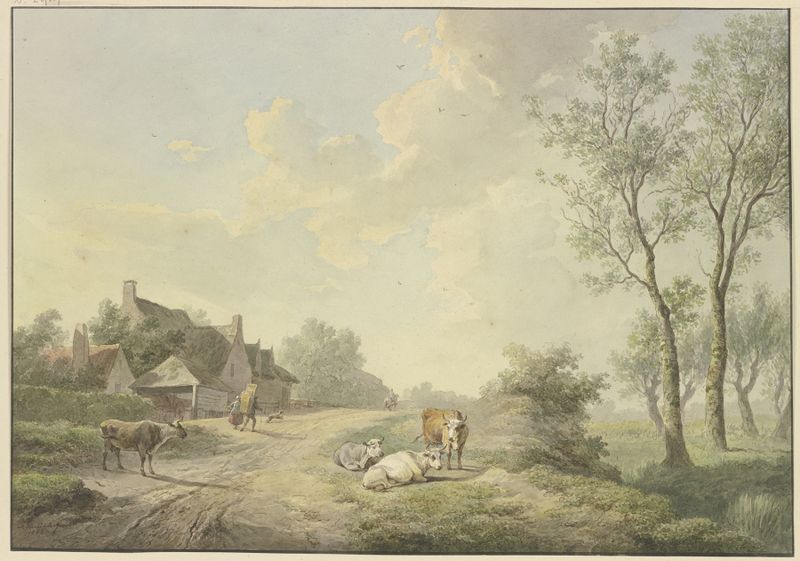
An einem Weg bei Bauernhäusern vier Kühe
Abraham Teerlink
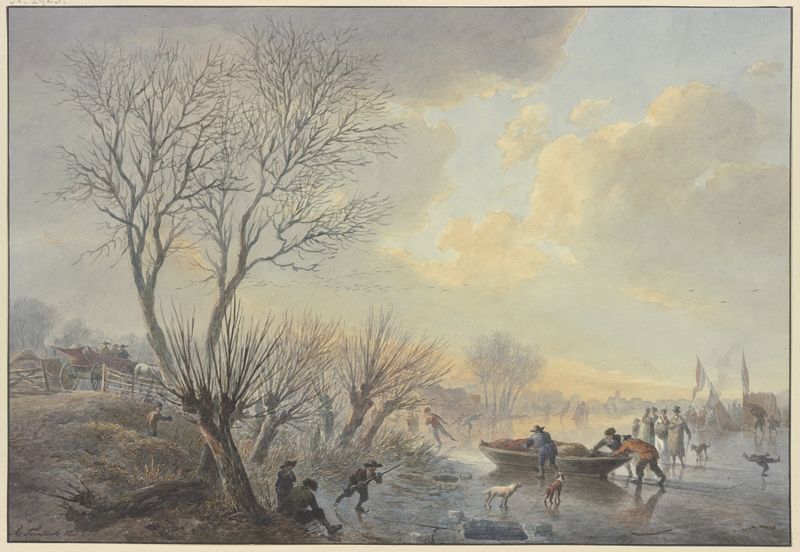
Winterlandschaft, auf dem Eis schieben drei Männer ein Boot dem Land zu, dabei zwei Hunde stehend
Abraham Teerlink
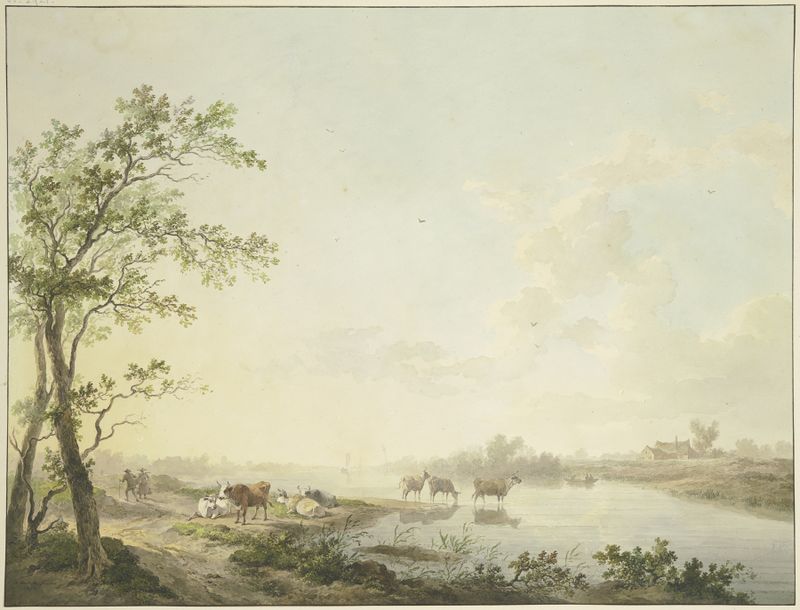
Nebliger Morgen an einem Flusse, am Ufer sieben Kühe, zum Teil im Wasser stehend
Abraham Teerlink





