Stijgbeugel — History & Facts
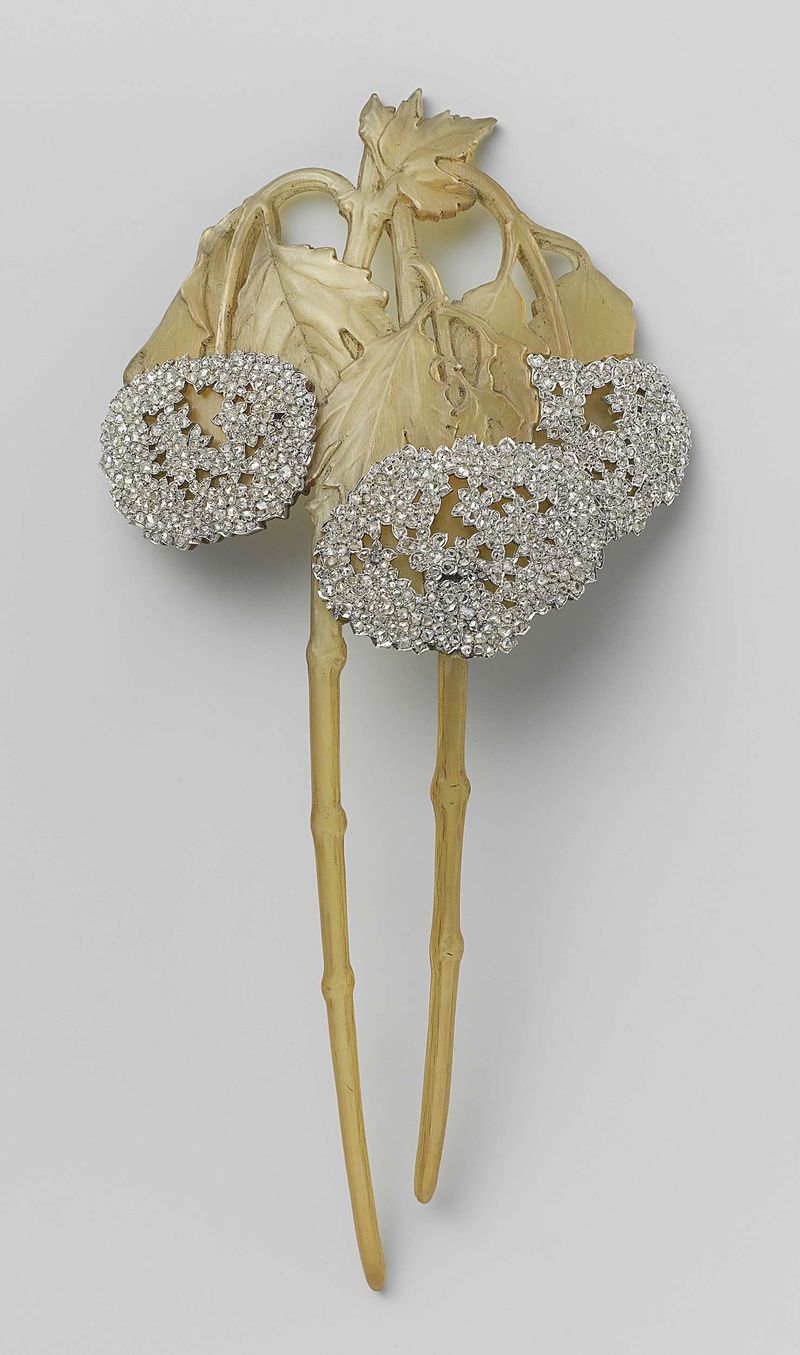
What if beauty was never meant to be finished? The act of creation often lies in the movement of the hand, the fleeting moment where inspiration dances between intention and chaos. Focus on the intricate design of the stirrup, its gleaming surfaces catching the light in a way that suggests both functionality and artistry. Notice how the curves and angles converge, merging practicality with an elegance that belies its utility. The color palette, muted yet rich, emphasizes the craftsmanship while inviting a contemplation of the object’s purpose within the equestrian world. Look closer at the delicate engravings that adorn the metal, whispering tales of horse and rider, of journeys undertaken and victories celebrated.
These small details, often overlooked, evoke a deeper connection to a bygone era. The stirrup stands not just as an object, but as a symbol of movement—both physical and metaphorical—and the freedom found in the saddle. It speaks to the unending pursuit of beauty in the everyday, where even the most functional items carry significance. Created between 1775 and 1825, this work hails from a time when the arts were being redefined amid the societal shifts of the Enlightenment.
The unknown artist, likely influenced by the burgeoning interest in craftsmanship and design, produced a piece that marries utility with aesthetic pleasure, reflecting the changing values of their contemporaries. In an era focused on progress and exploration, this stirrup embodies the spirit of movement that permeated both art and life.
More Artworks by Unknown Artist
Browse all →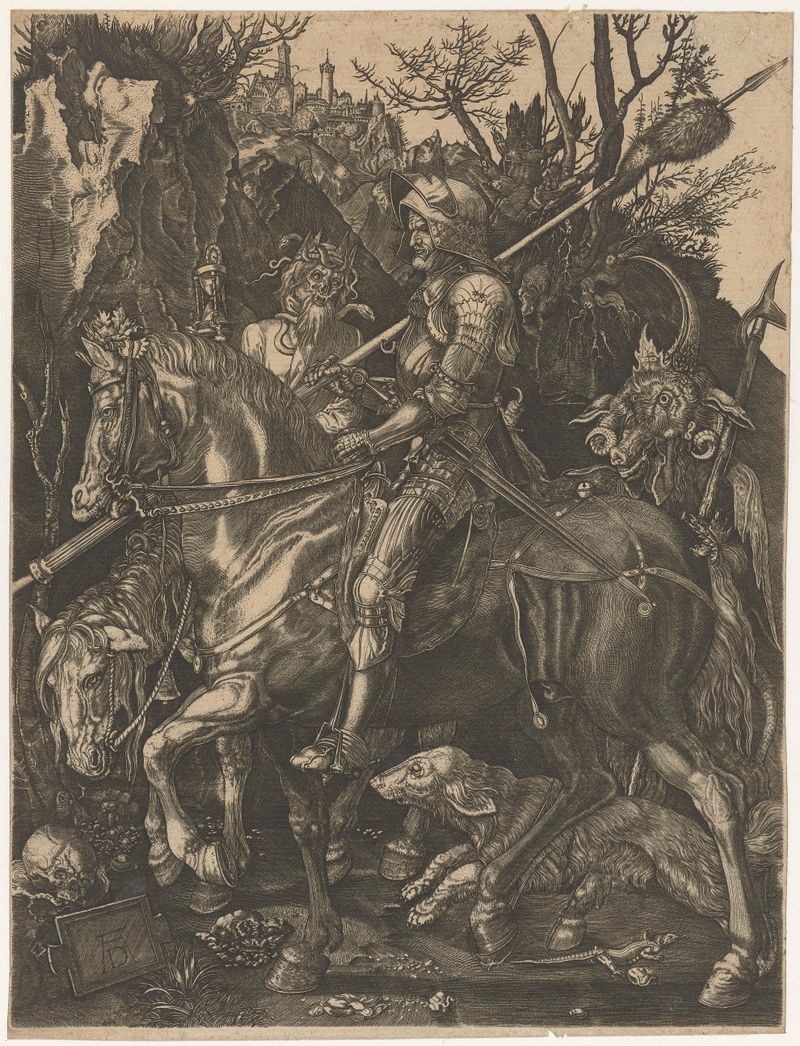
Ridder, Dood en Duivel
Unknown Artist
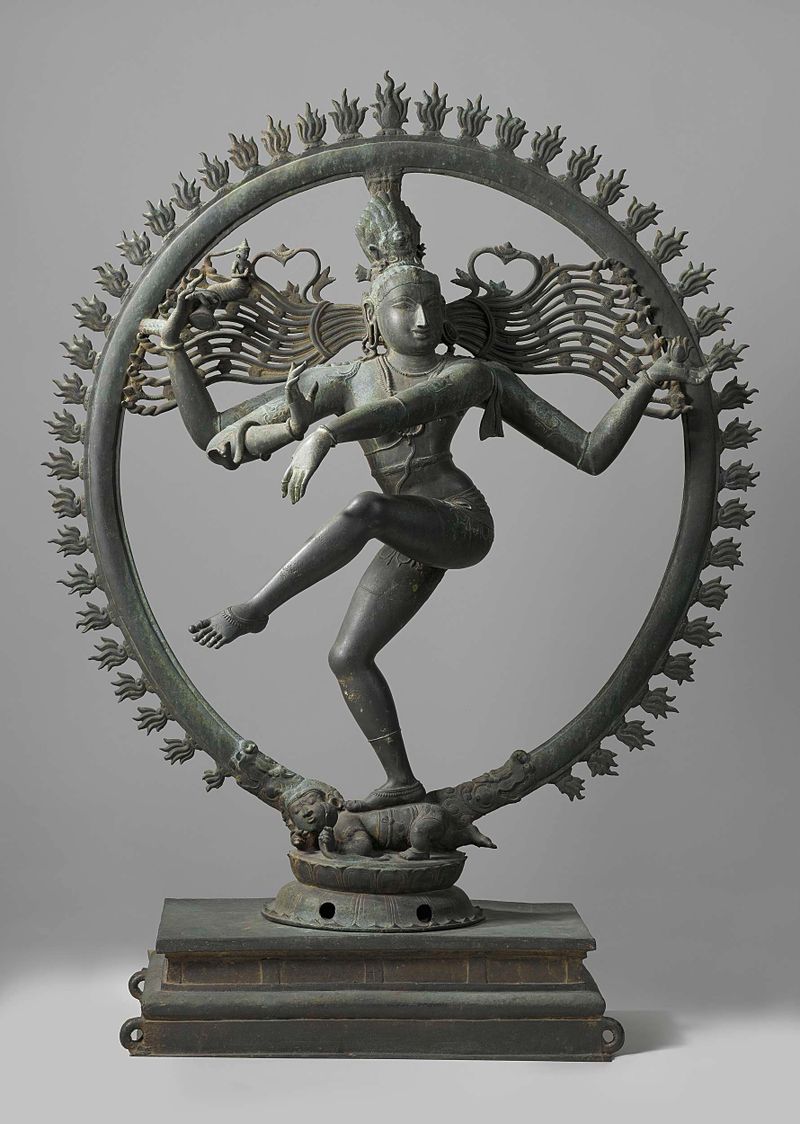
Shiva Nataraja
Unknown Artist
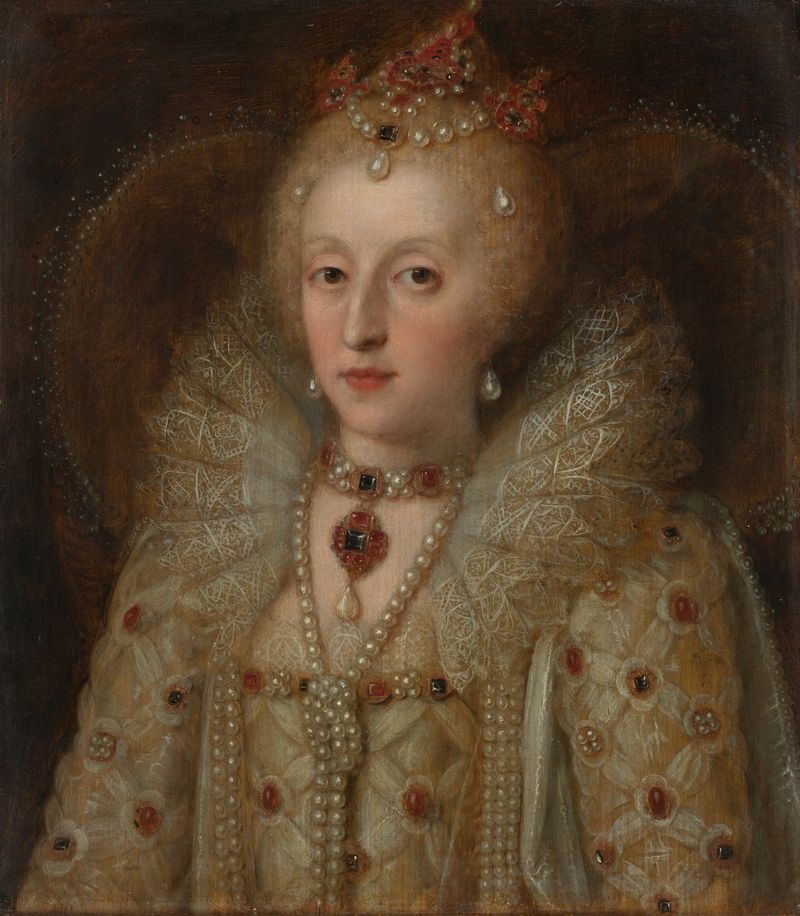
Portrait of Elizabeth I, Queen of England
Unknown Artist
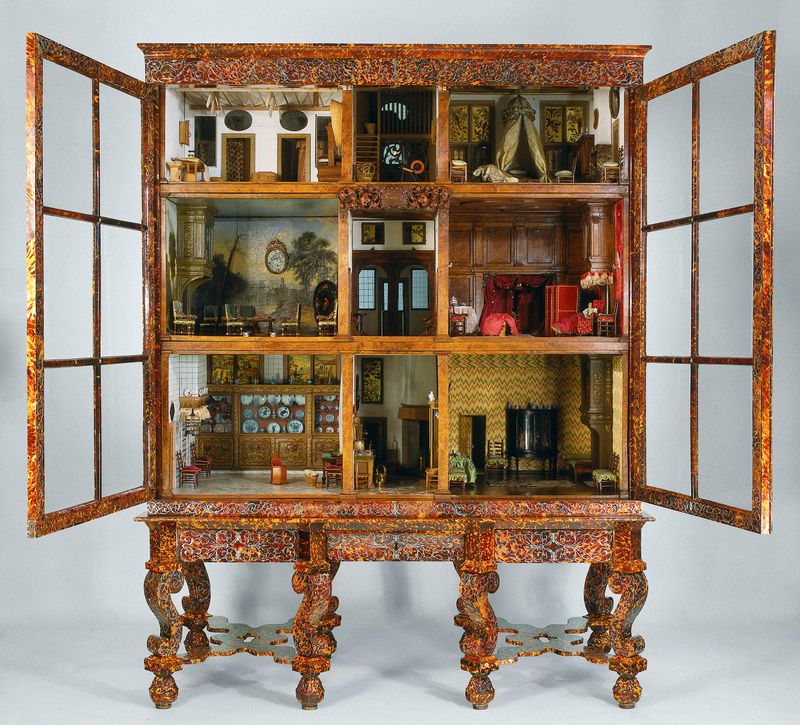
Dolls’ house of Petronella Oortman
Unknown Artist
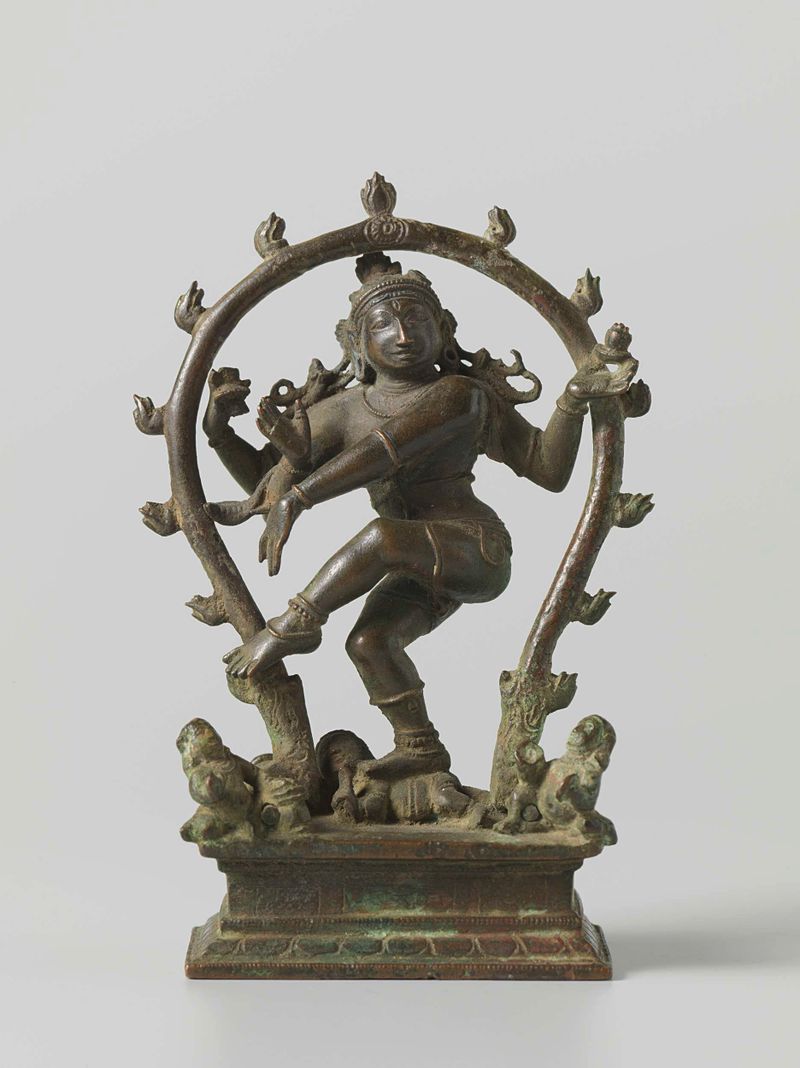
Shiva Nataraja
Unknown Artist

The Tale of Genji
Unknown Artist

The Tale of Genji
Unknown Artist

Cong
Unknown Artist
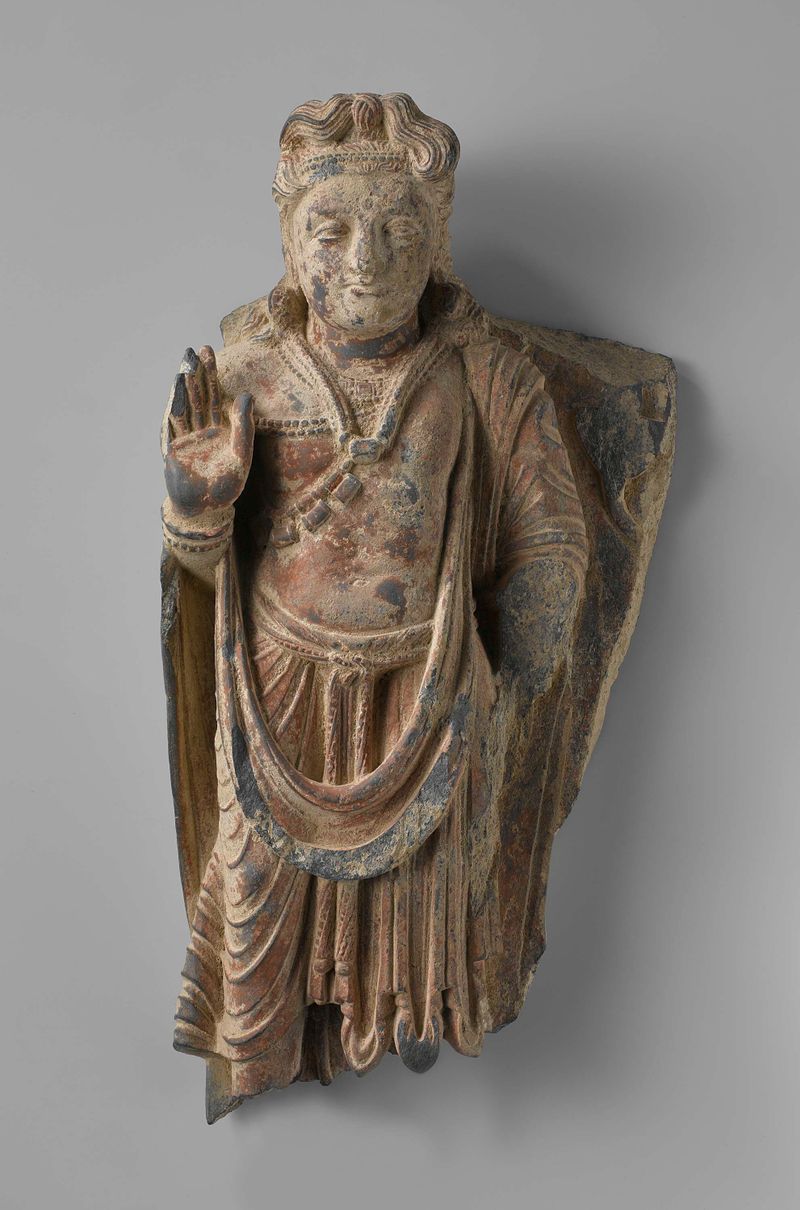
The bodhisattva Maitreya
Unknown Artist

Teabowl with a 'hare's fur' glaze
Unknown Artist