Stone Quarry — History & Facts
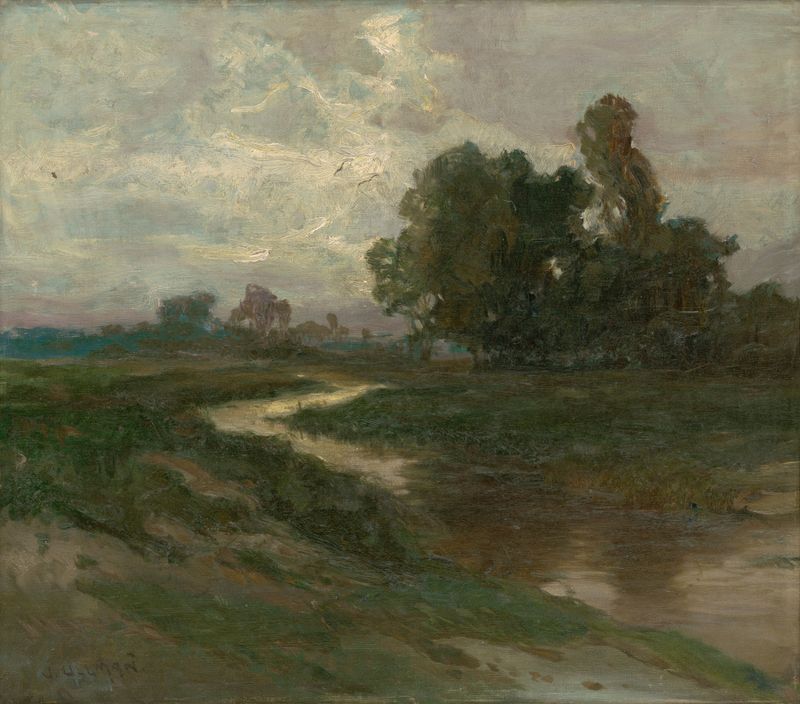
What if beauty was never meant to be finished? In the haunting stillness of Stone Quarry, we confront the unresolved dialogue between creation and decay, where grief lingers like a shadow over the landscape. Focus on the central mass of jagged stones, where light dances across the surface, revealing an interplay of textures that speaks to both strength and fragility. Look closely at the muted palette; somber grays and earthy browns dominate, yet hints of soft blues suggest an elusive serenity. The composition draws the eye into a labyrinth of shapes, each stone telling a story of labor, loss, and the passage of time. Yet, it is in the quiet details that the emotional weight becomes apparent.
Notice the cracks coursing through the stone, like lines of sorrow etched by time, and the scattered fragments that hint at a history of upheaval. This is not merely a quarry; it is a testament to nature's constant metamorphosis and a metaphor for the human experience—where every break signifies both an end and a new beginning. Josef Ullmann painted Stone Quarry during a time when the world around him was grappling with the aftermath of war, navigating personal and collective grief. The artwork emerged from a period steeped in reflection, as Ullmann sought to express the complexities of existence through the raw, unrefined beauty of the natural world.
In creating this piece, he carved out a space for contemplation amid the chaos, ensuring that the unfinished remained achingly profound.