
Storm in the Alps — History & Facts
This notion echoes in the turbulent brushstrokes of a landscape that teeters on the edge of chaos and serenity, inviting us to confront the relentless passage of existence. In Storm in the Alps, the artist captures not just a moment but an obsession, a longing to hold onto nature’s raw power and beauty before it slips away. Look to the center of the canvas, where dark, brooding clouds swirl ominously over the jagged peaks, their shadows contrasting dramatically against the pale, almost ethereal snow-capped summits. The tumultuous sky is alive with movement, a cacophony of grays and deep blues, while hints of white light suggest a fleeting calm.
Each brushstroke is purposeful, embodying the tension between serenity and impending storm, inviting the viewer into a dialogue with the mountain’s formidable presence. Within this volatile landscape lies a deeper exploration of humanity's struggle against nature. The jagged lines of the mountains symbolize resilience, standing firm against the encroaching storm, while the interplay of light and darkness reflects the duality of hope and despair. The details—a solitary peak barely illuminated, a valley that seems swallowed by shadow—serve as metaphors for the depths of obsession, the desire to conquer or at least understand the sublime forces that govern our world. Edmund Foerster & Co.
created Storm in the Alps in 1872 during an era marked by the Romantic response to nature. Living in the aftermath of the Industrial Revolution, artists sought to reconnect with the natural world, often depicting its grandeur and fury. The work embodies a moment when the tension between human ambition and the untamed wilderness was increasingly palpable, a reflection of both personal and collective yearning within the art world.
More Artworks by Edmund Foerster & Co.
Browse all →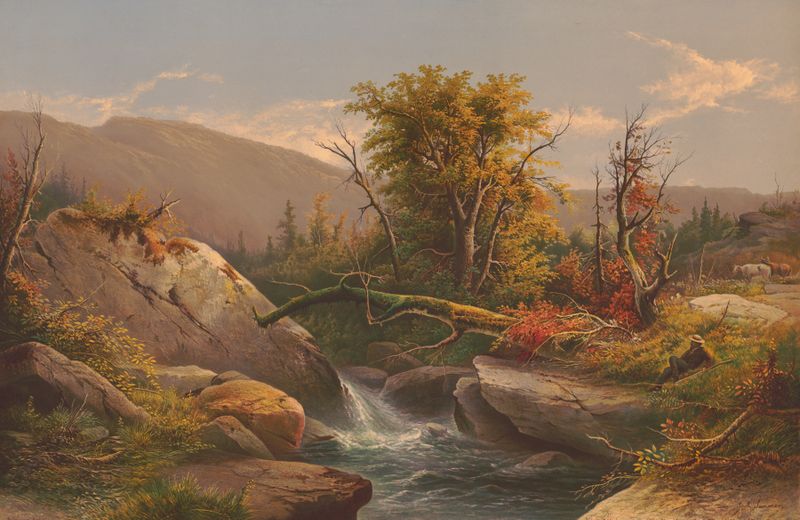
Autumn in the Catskill Mountains
Edmund Foerster & Co.

Bridal Veil Falls
Edmund Foerster & Co.

Castle Landeck
Edmund Foerster & Co.

Andernach a Rhein
Edmund Foerster & Co.

Morning in the Adirondacks
Edmund Foerster & Co.

West Point
Edmund Foerster & Co.
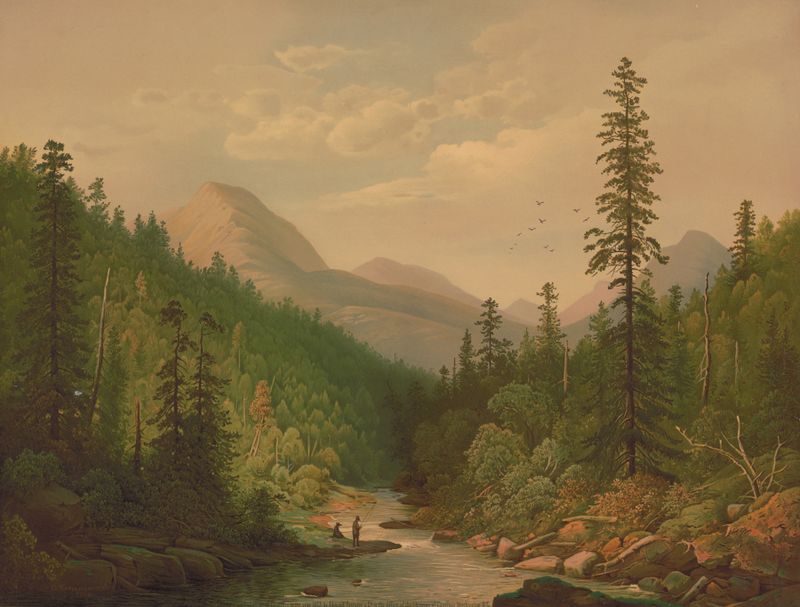
Wilderness scene with two people fishing in a river
Edmund Foerster & Co.

Beverly Dock, opposite West Point on the Hudson River
Edmund Foerster & Co.
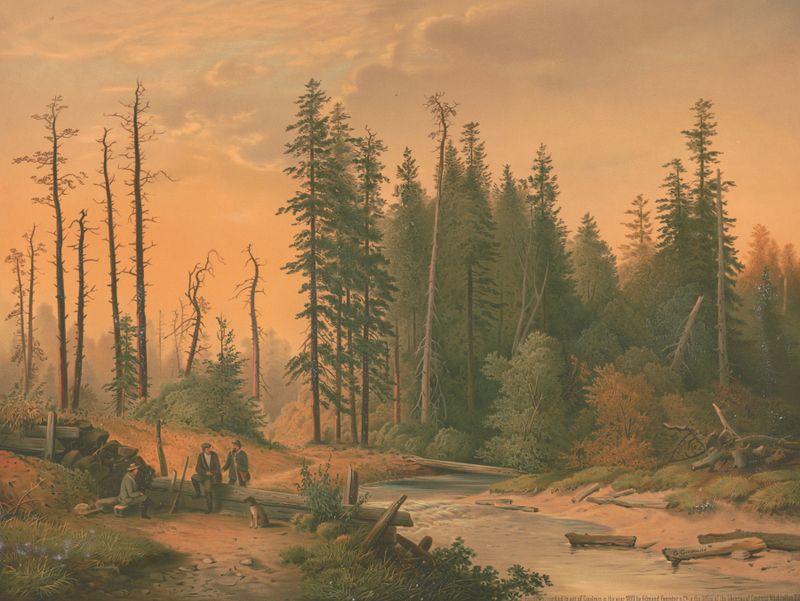
Tobyhanna Creek
Edmund Foerster & Co.

Cathedral Rocks (California)
Edmund Foerster & Co.





