
Strečno na Váhu — History & Facts
Can paint confess what words never could? In Strečnо na Váhu, the visceral interplay between tranquility and tumult speaks to the violence hidden beneath the serene surface of nature. Look to the foreground, where the river meanders lazily, its water capturing soft reflections of the surrounding cliffs. Notice how the vibrant greens of the trees contrast sharply with the rugged, jagged rocks looming above, a visual reminder of nature's duality. The brushwork creates a textured quality, inviting the viewer to run their fingers along the edges of the landscape, where the calmness belies an undercurrent of tension. The artwork’s emotional depth lies in these contrasts.
The serene water, a subtle blue-green, embraces the viewer with a sense of peace, yet the looming cliffs suggest a threat—an ever-present reminder of nature’s raw power. In the distances, the sky melds into warm hues, hinting at an approaching storm, capturing the moment just before chaos disrupts the tranquility. These elements collectively evoke a sense of unease, reflecting the violence of nature, both seen and unseen. In 1924, as Tavík František Šimon painted this evocative piece, he was deeply influenced by the shifting political landscape of Europe.
Living in Czechoslovakia, the artist absorbed the tensions of modernity, which manifested in his focus on the dramatic interplay between landscape and emotion. This period in art emphasized realism and a heightened awareness of the environment, capturing not just beauty but also the looming spectral forms of conflict.
More Artworks by Tavík František Šimon
Browse all →
Charles Bridge
Tavík František Šimon
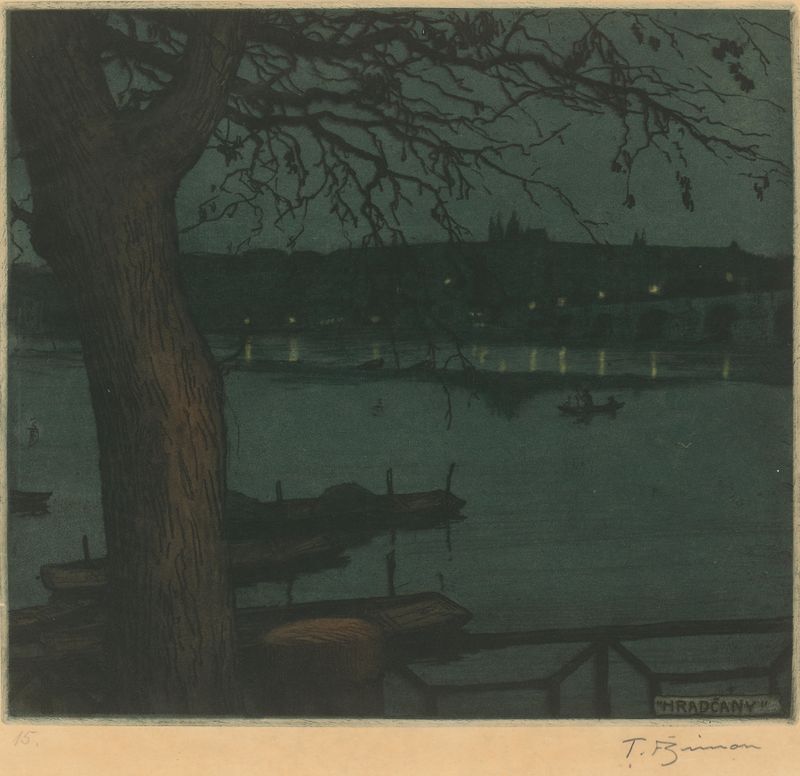
Pohľad na Hradčany z nábrežia
Tavík František Šimon
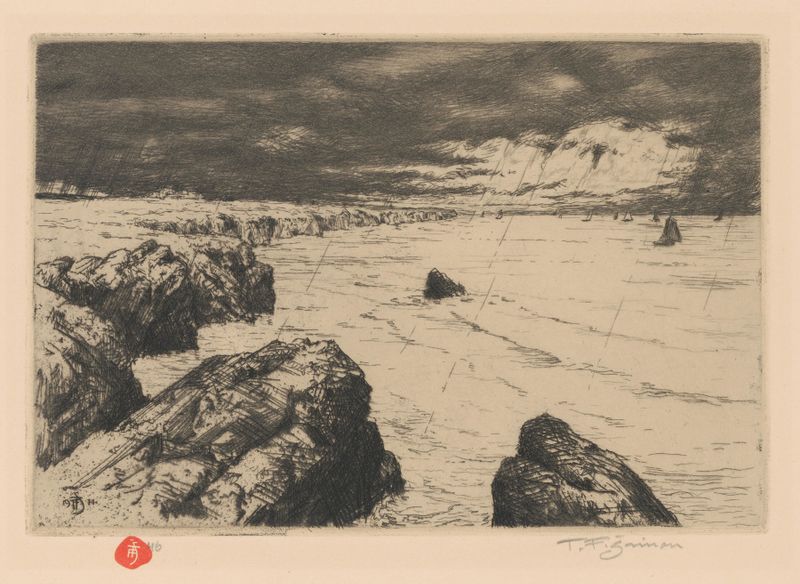
Bretónske brehy
Tavík František Šimon

Staromestská radnica
Tavík František Šimon
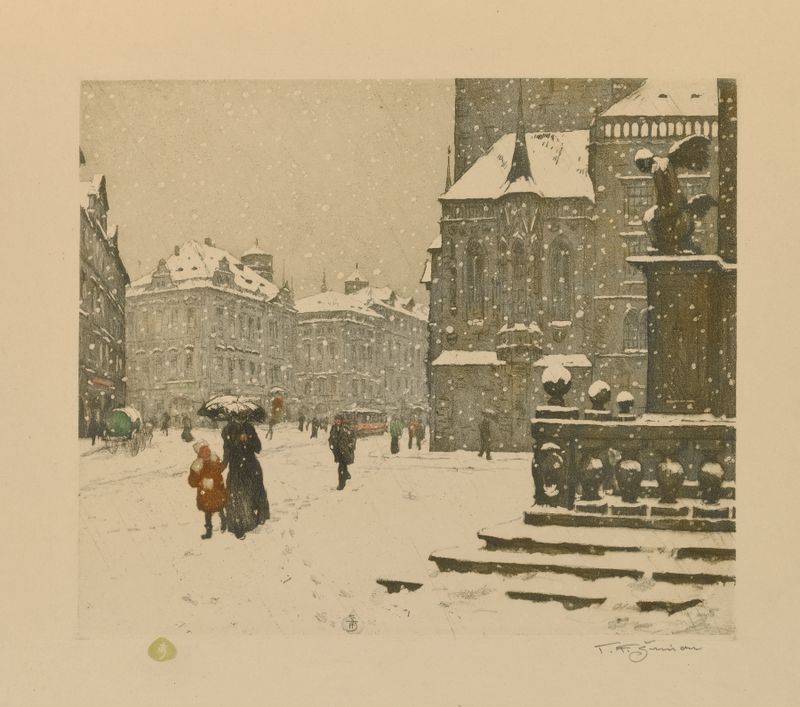
Prague
Tavík František Šimon
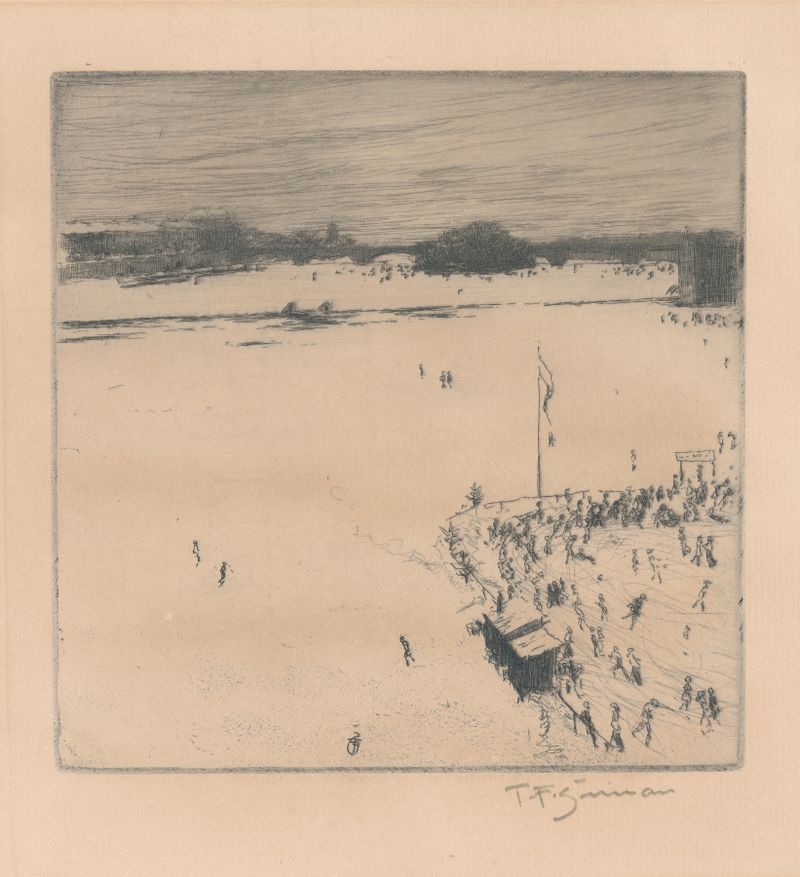
Klzisko pod Karlovým mostom
Tavík František Šimon

The Knights of the Cross Square with the Charles Bridge
Tavík František Šimon

The towers of the Hradčany
Tavík František Šimon

The entrance into the Týn Court
Tavík František Šimon
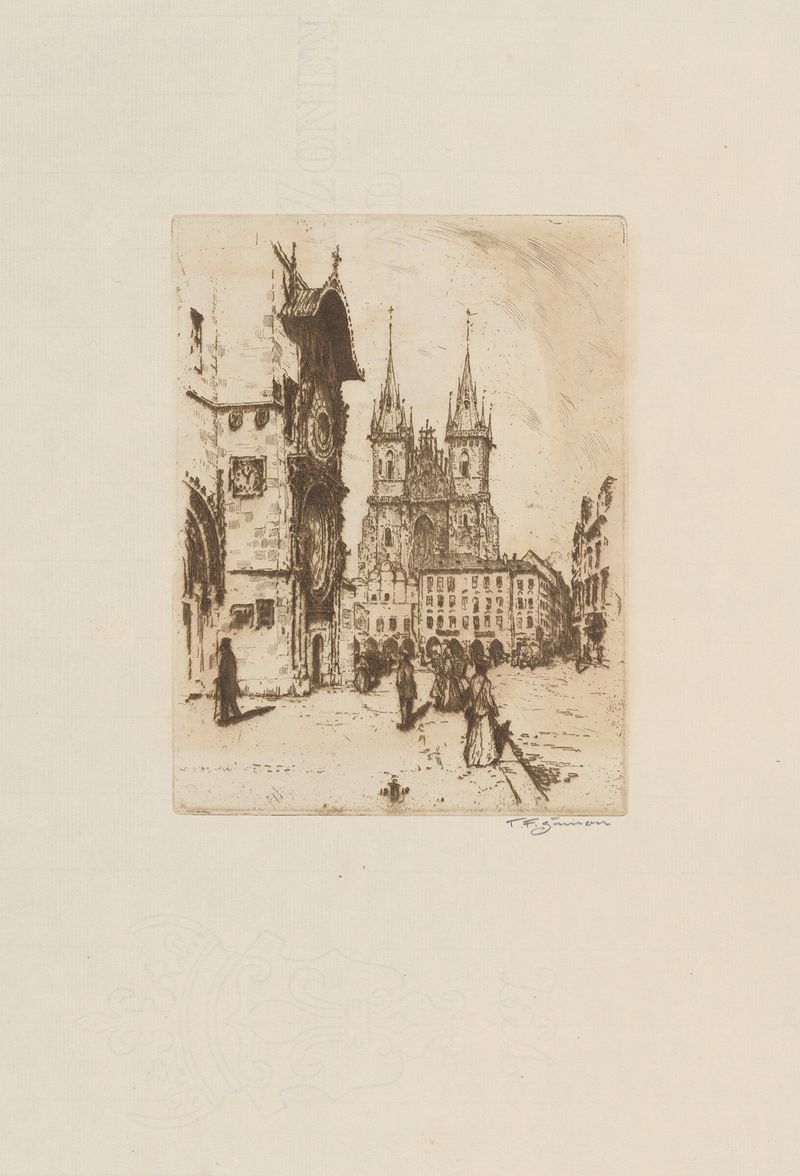
The Old Town City Hall with the Týn Cathedral
Tavík František Šimon





