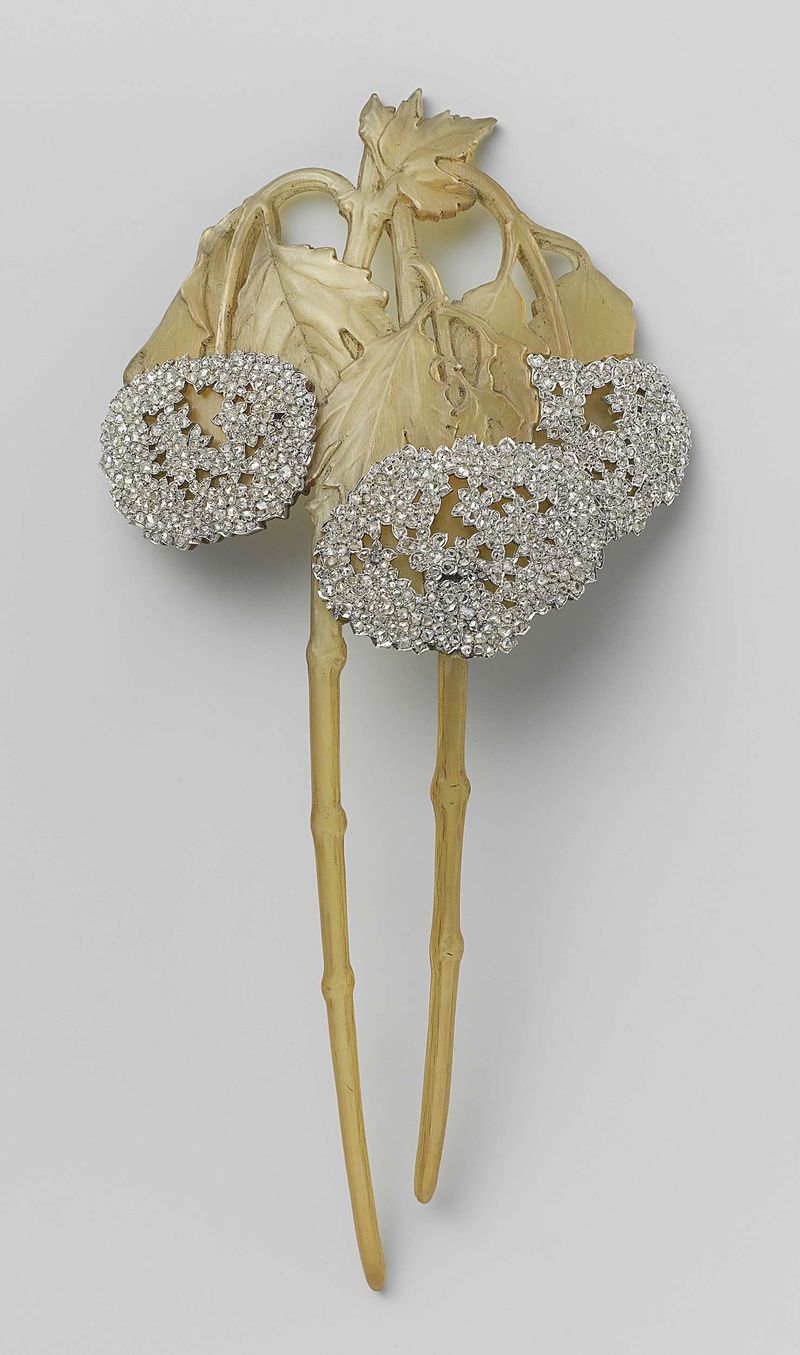
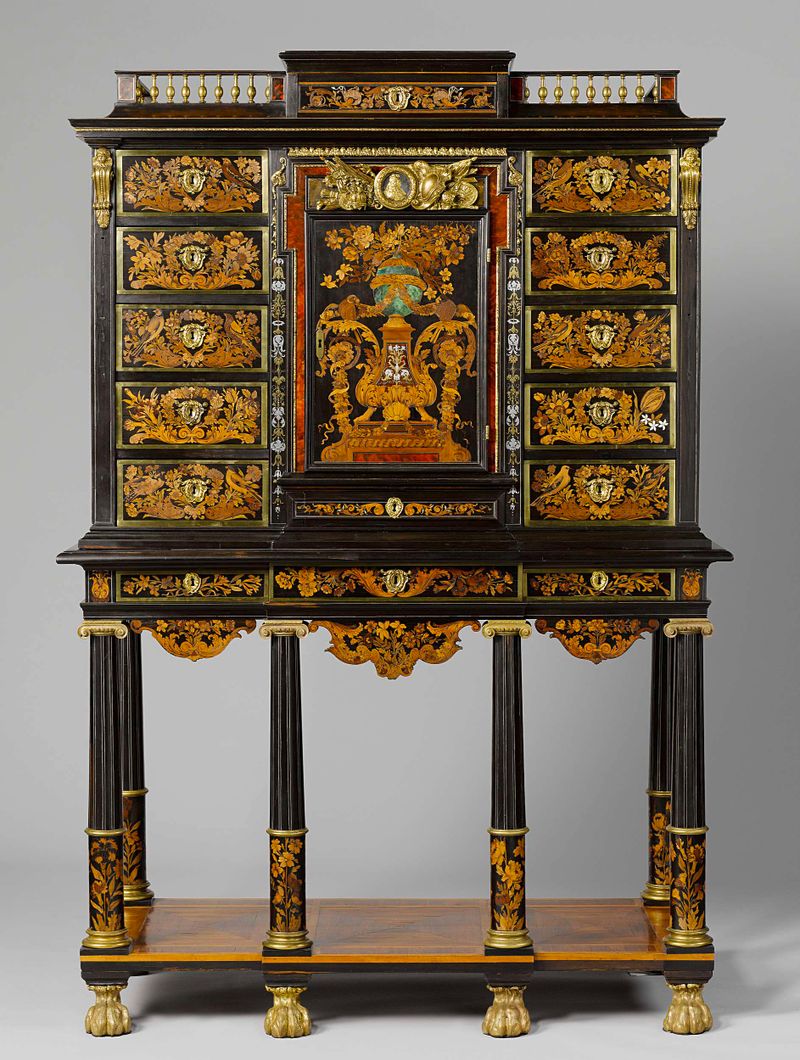
Strook kloskant met drie besjes aan een takje — History & Facts
In the delicate play of light upon the surface, something profound whispers beneath the stillness of this piece. Focus on the intricate lacework in the foreground, where the fine threads intertwine with an air of elegance. The meticulous detail of the delicate lace appears almost ethereal, as if it's both a tactile object and a fleeting moment suspended in time. Notice the subtle glimmer of light that dances across the texture, emphasizing the craftsmanship while casting delicate shadows that hint at the lace's fragility. The interplay between light and shadow in this work evokes a sense of intimacy—a conversation between the viewer and the object.
The three berries resting gently on the lace are not mere embellishments; they symbolize the continued passage of time, juxtaposing the enduring nature of human artistry with the ephemeral beauty of life. Each berry, in its vibrant color, draws a stark contrast against the soft whites and creams of the lace, provoking reflections on nature and art's transient essence. This artwork is believed to have been created in the late 19th century, a period when craftsmanship in decorative arts flourished. The artist, though remaining unknown, likely worked during a time of artistic revival in Europe, when intricate lacework was both a personal and communal skill, cherished in homes across the continent.
The artistry displayed here echoes the sentiments of a society captivated by both the beauty of nature and the intricacies of human creation.
More Artworks by Unknown Artist
Browse all →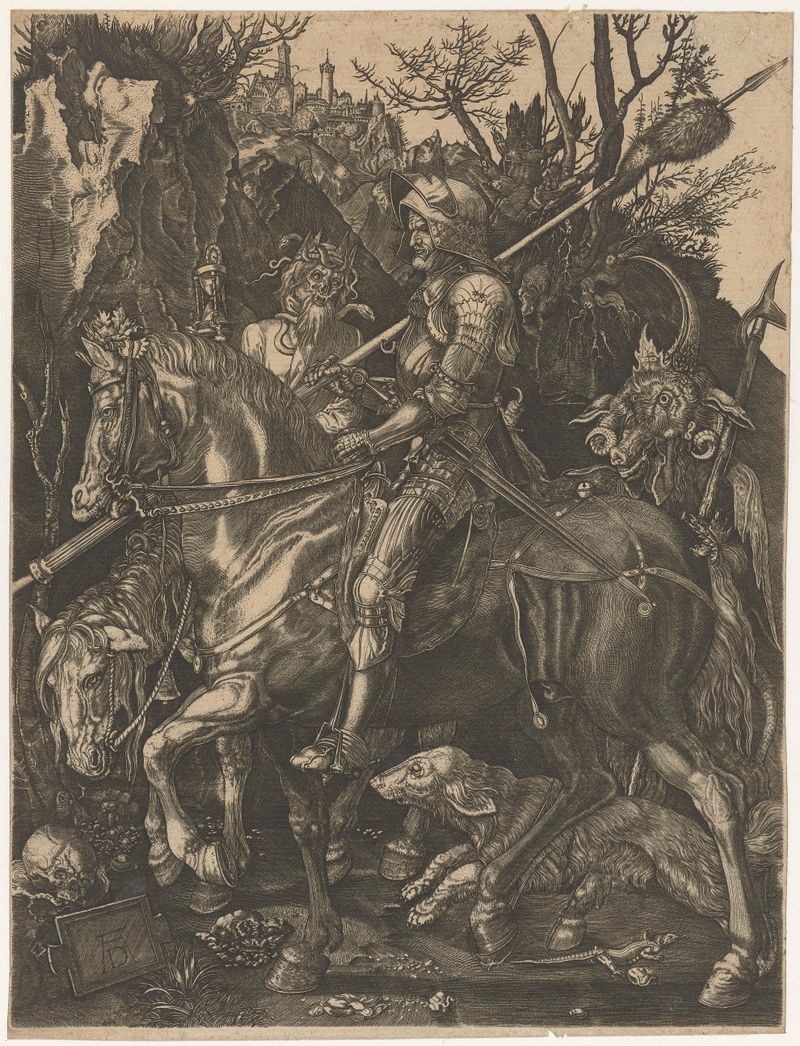
Ridder, Dood en Duivel
Unknown Artist
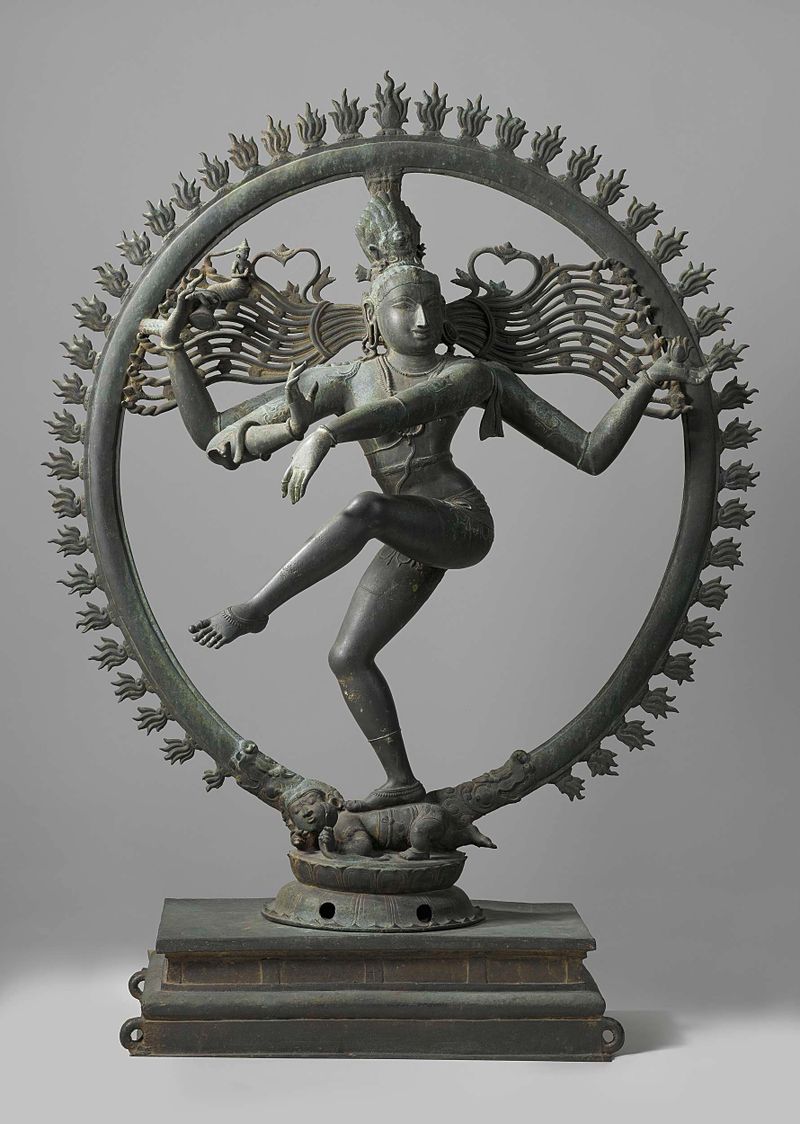
Shiva Nataraja
Unknown Artist
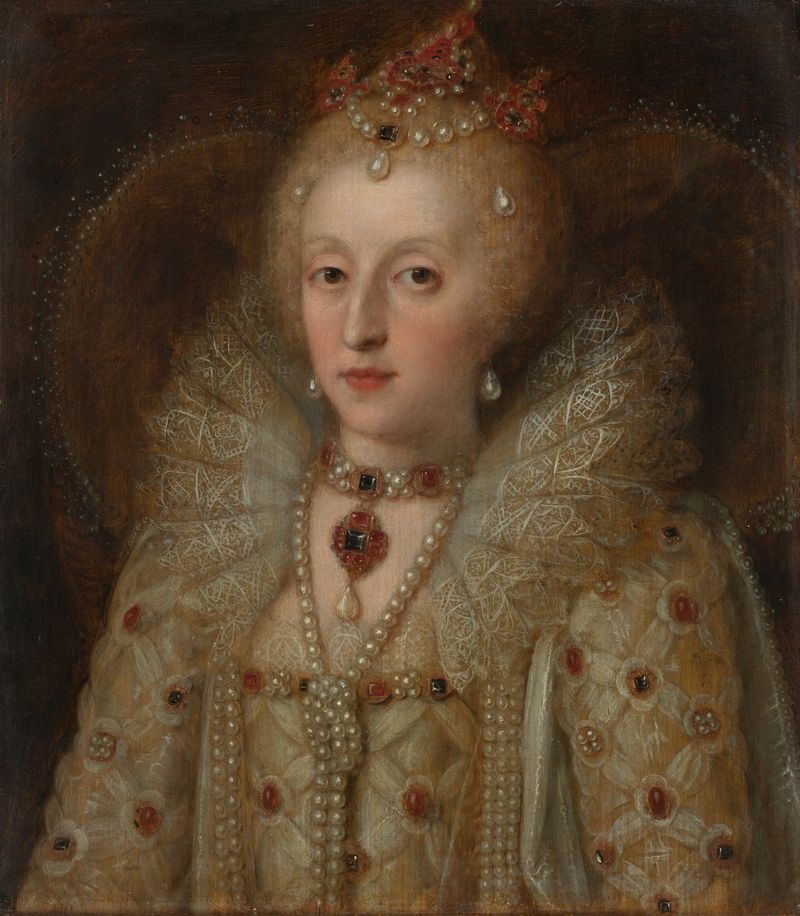
Portrait of Elizabeth I, Queen of England
Unknown Artist
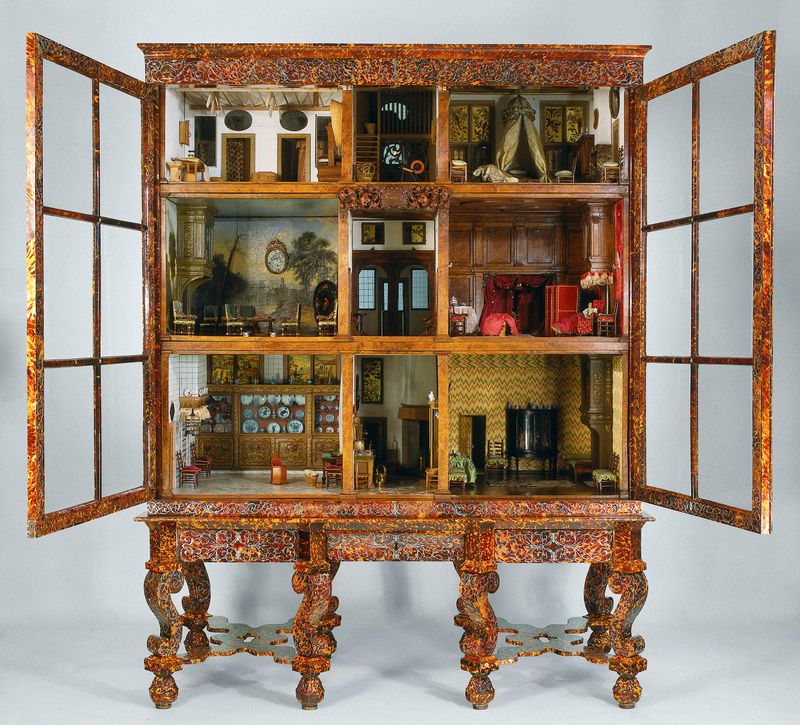
Dolls’ house of Petronella Oortman
Unknown Artist
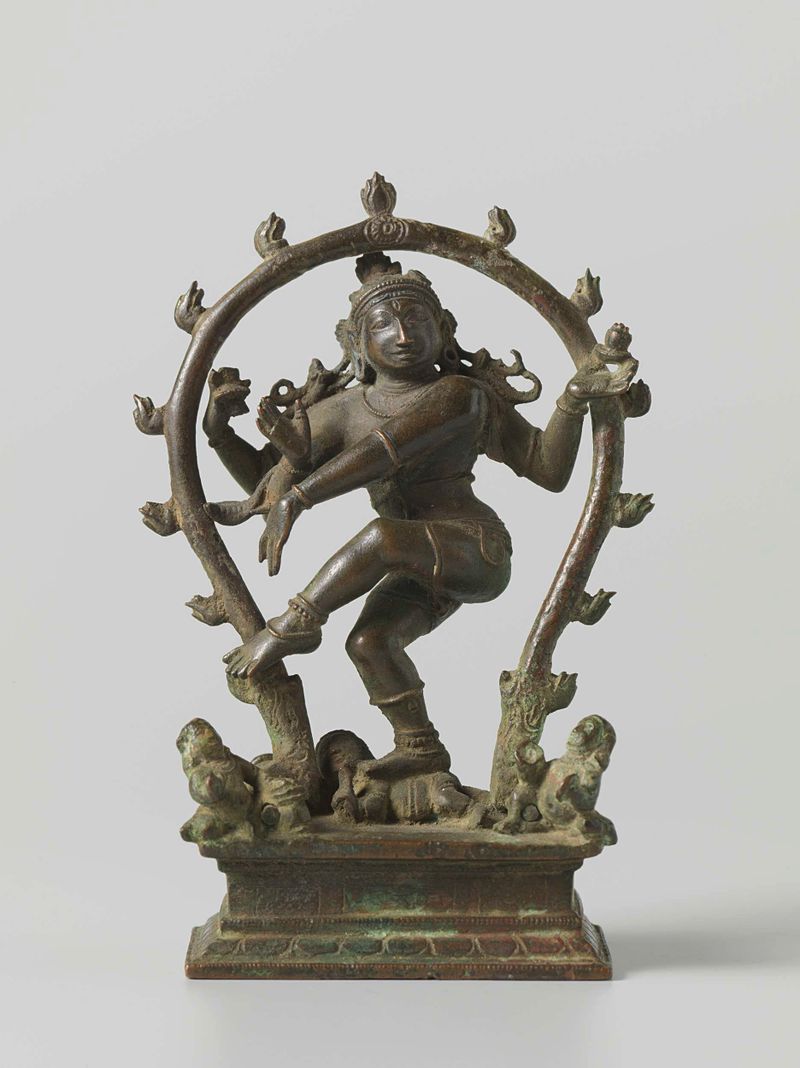
Shiva Nataraja
Unknown Artist

The Tale of Genji
Unknown Artist

The Tale of Genji
Unknown Artist

Cong
Unknown Artist
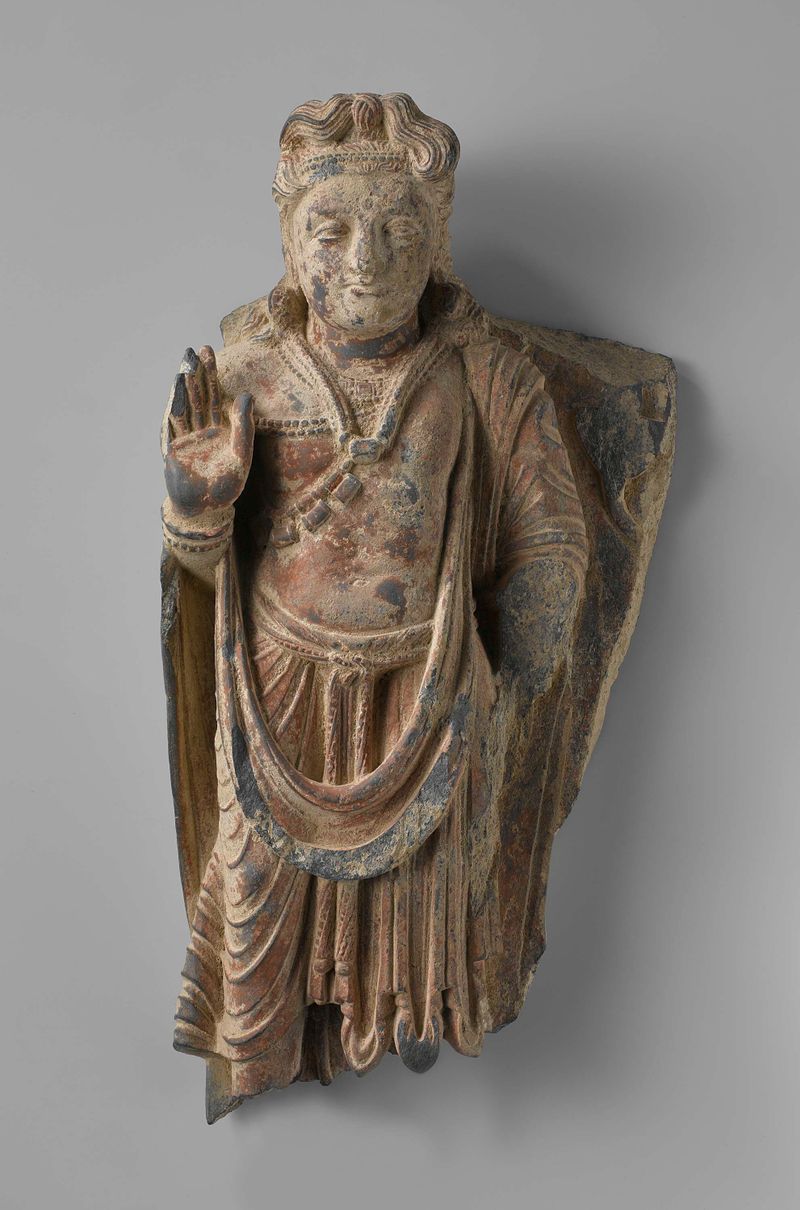
The bodhisattva Maitreya
Unknown Artist

Teabowl with a 'hare's fur' glaze
Unknown Artist