Strook kloskant met driehoekige mazen — History & Facts
When did color learn to lie? In the stillness of woven threads, a tale of hope and resilience unfolds, capturing the intricate dance between reality and illusion. Focus on the delicate lacework that sprawls across the canvas, its triangular meshes shimmering softly against a muted backdrop. Observe the subtle variations in tone—creamy whites intermingled with faint hints of lavender and pale peach—each stitch narrating a story of craftsmanship and human ambition. The meticulous technique draws the eye inward, revealing the artist's adeptness in manipulating light and shadow to imbue lifeless threads with a breath of vitality. Hidden within this intricate composition are layers of meaning, each thread a metaphor for connection and aspiration.
The triangular shapes symbolize stability, while the delicate nature of lace speaks to the fragility of dreams. Together, they evoke a sense of longing, as if the artist sought to capture not merely the beauty of lace but the pervasive hope woven into the fabric of life itself. This piece, created by an unknown artist between 1875 and 1899, reflects an era where fine craftsmanship was revered and artistry was often shrouded in anonymity. During this time, the world was experiencing immense social changes, with the Industrial Revolution influencing the arts and crafts movement.
Amidst these transformations, the artist poured their dedication into every stitch, creating a timeless narrative that celebrates the intricate interplay of hope against a backdrop of uncertainty.
More Artworks by Unknown Artist
Browse all →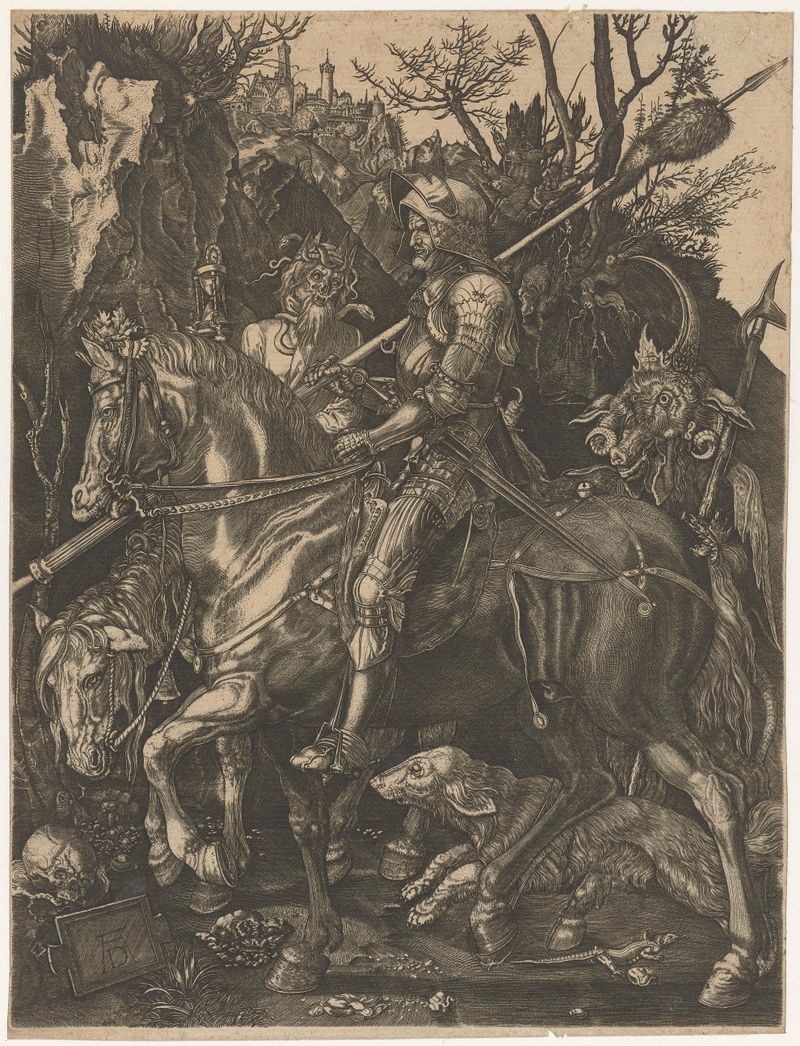
Ridder, Dood en Duivel
Unknown Artist
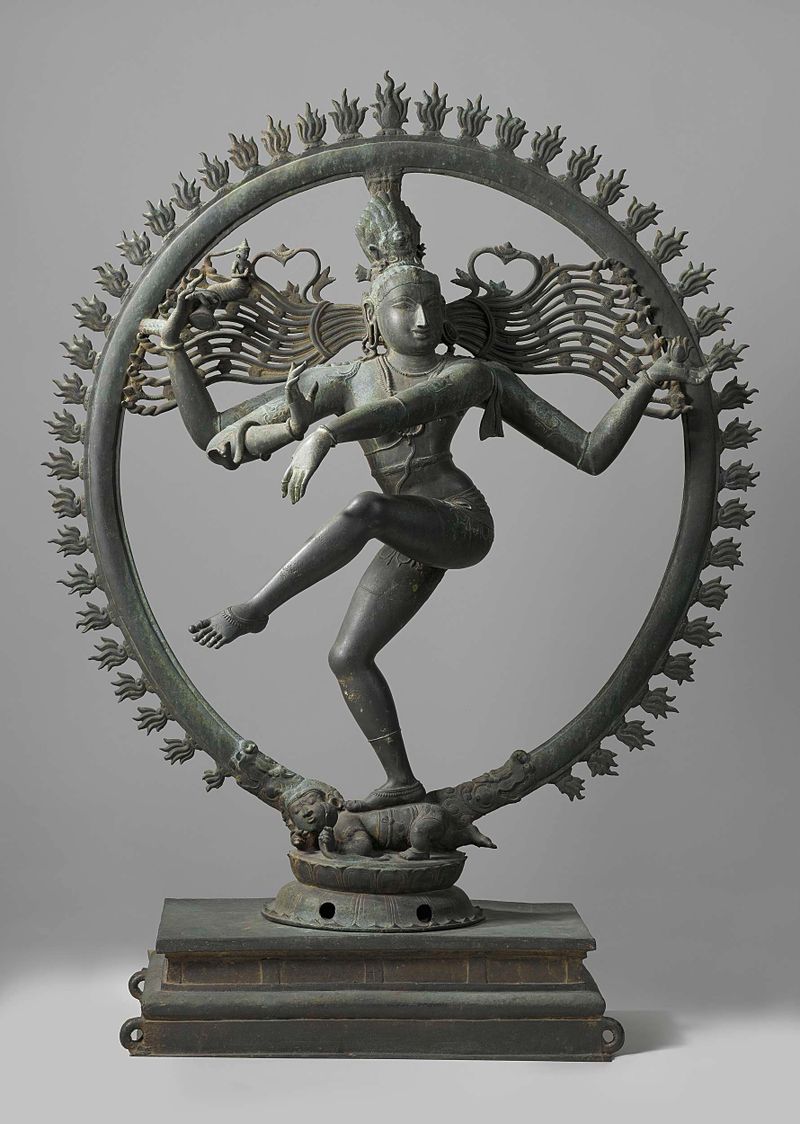
Shiva Nataraja
Unknown Artist
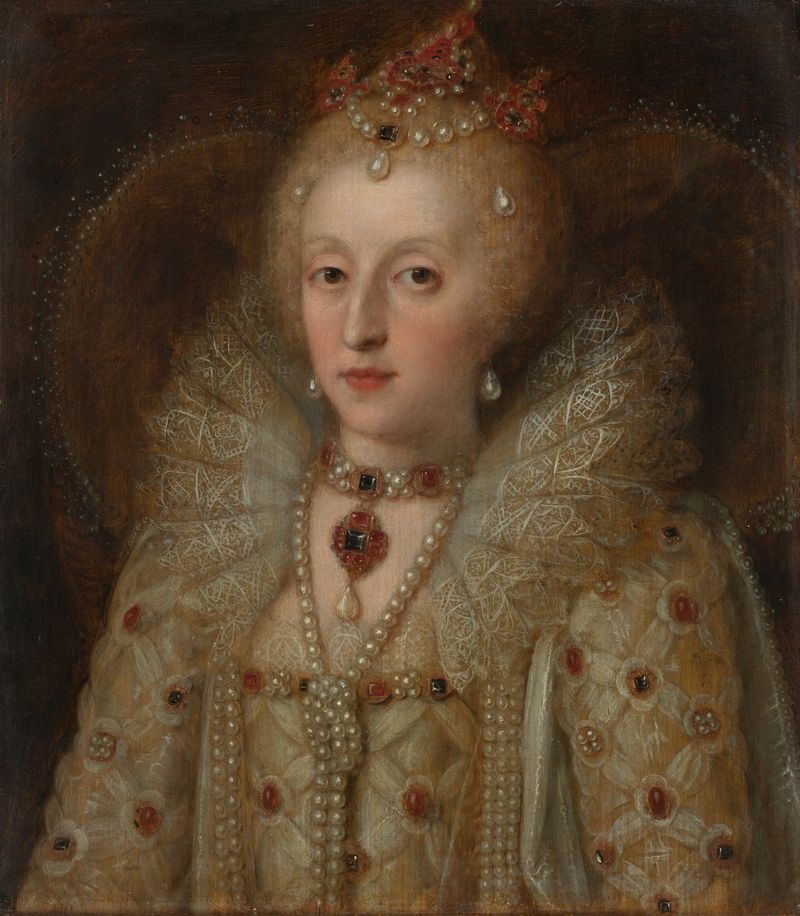
Portrait of Elizabeth I, Queen of England
Unknown Artist
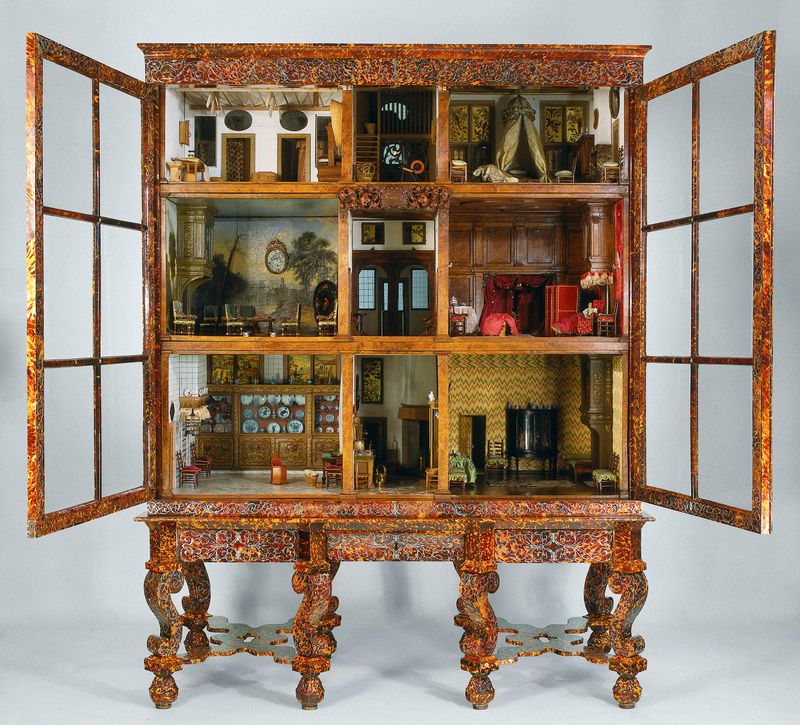
Dolls’ house of Petronella Oortman
Unknown Artist
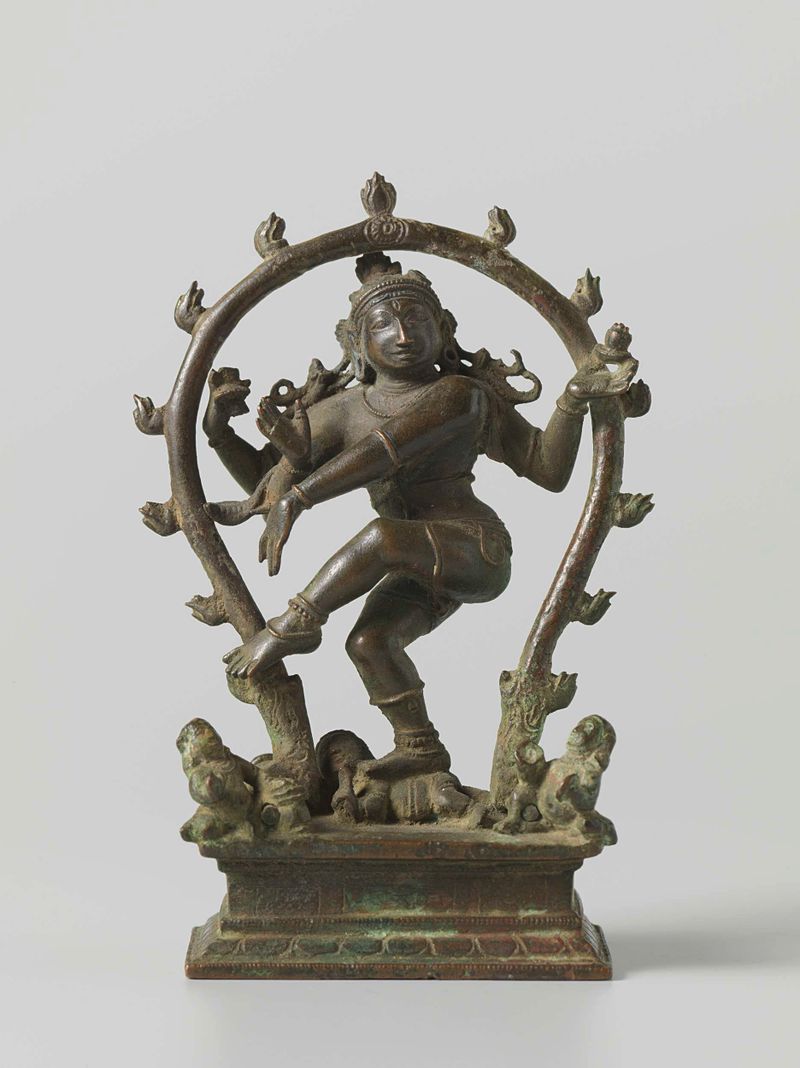
Shiva Nataraja
Unknown Artist

The Tale of Genji
Unknown Artist

The Tale of Genji
Unknown Artist

Cong
Unknown Artist
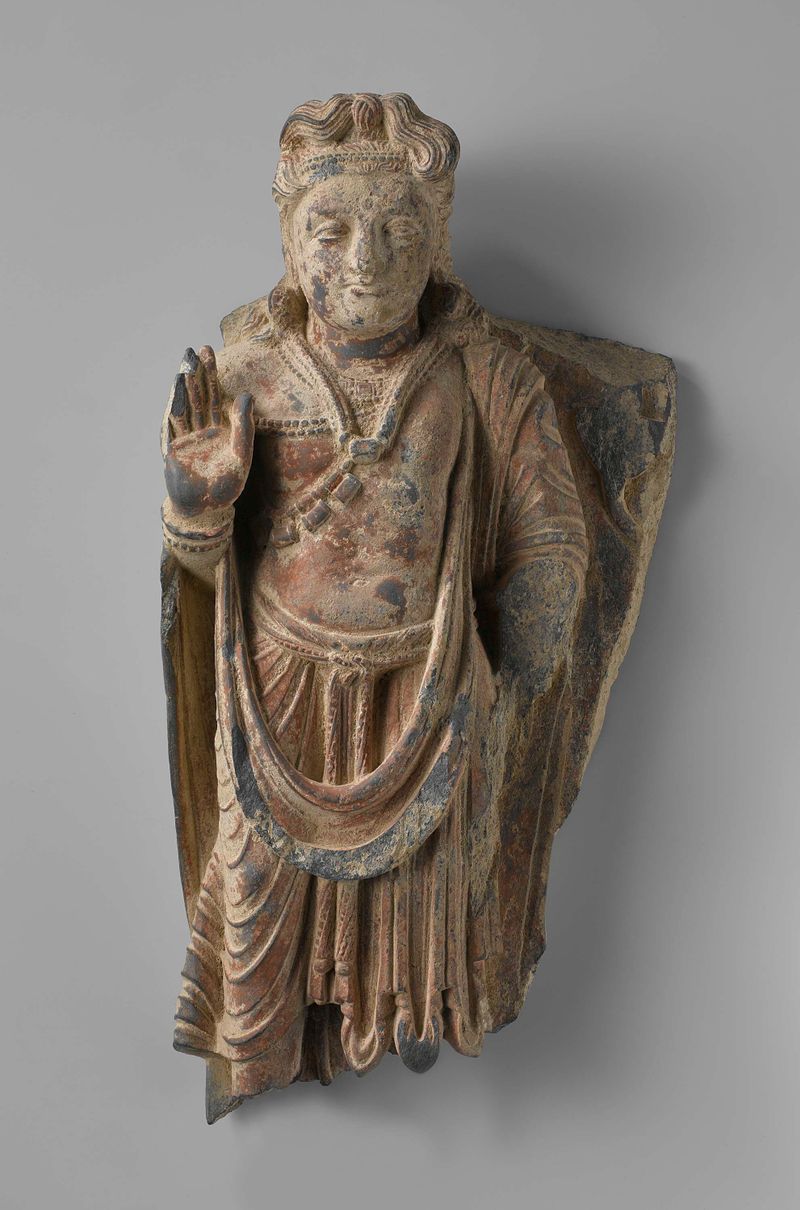
The bodhisattva Maitreya
Unknown Artist

Teabowl with a 'hare's fur' glaze
Unknown Artist