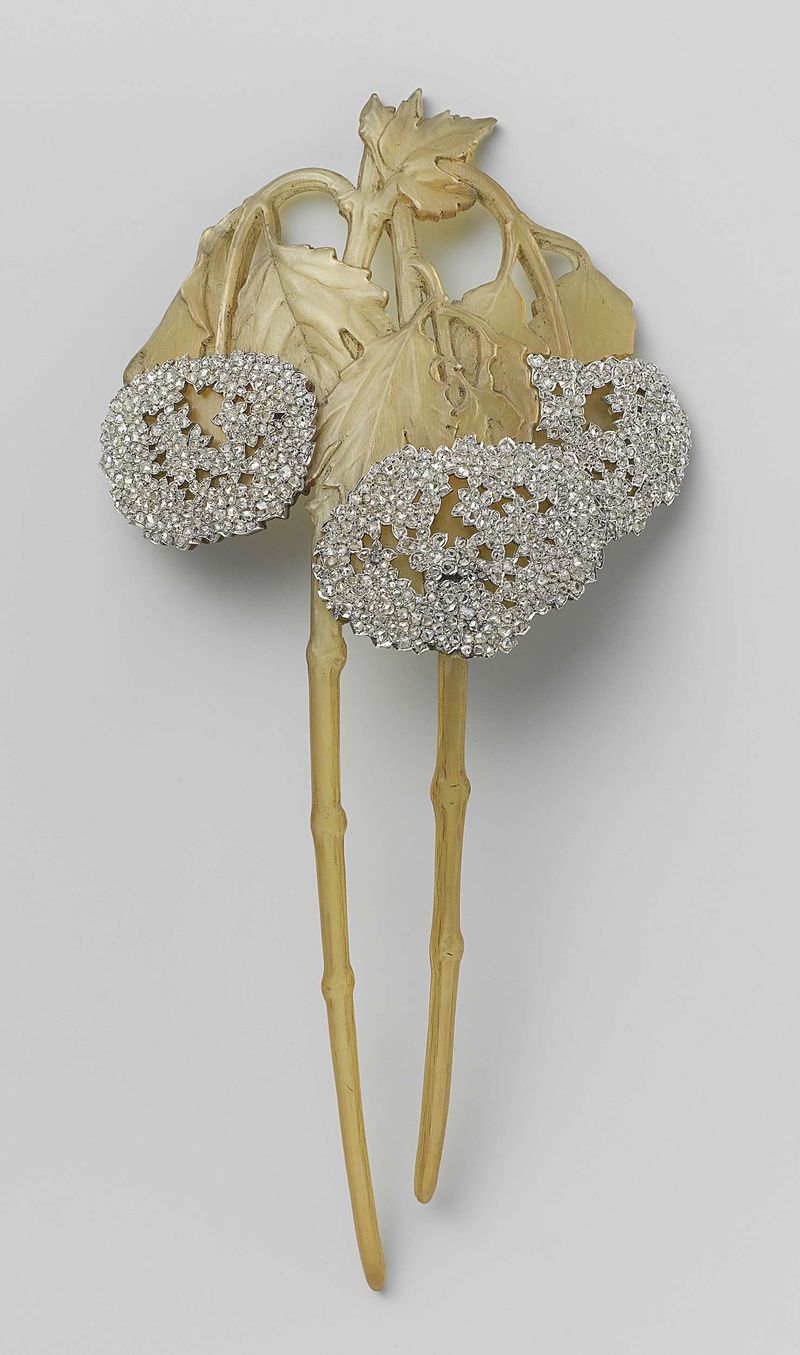
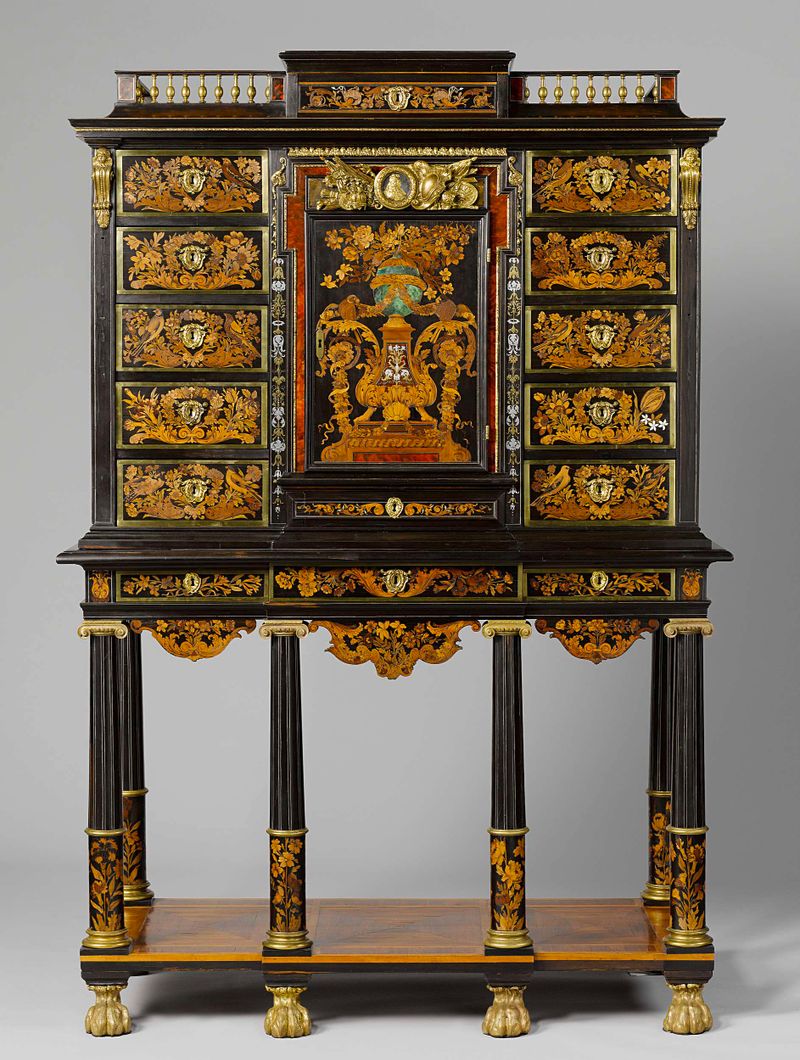
Strook kloskant met gestrooide takjes en gebogen dubbele takjes — History & Facts
What if beauty was never meant to be finished? The delicate interplay of form and color suggests an eternal dance, inviting viewers to lose themselves in the intricacies of creation. Focus on the intricate lacework that undulates across the surface, drawing your eye into a labyrinth of textures and patterns. Notice how the craftsmanship captures light, each thread a whisper of artistry, as the muted tones create a harmony that feels almost ethereal. The subtle variations in color suggest a gentle breeze, making the lace appear alive, as though it might flutter at any moment. Hidden within the elegance of this piece lies a tension between fragility and permanence.
The minute details resonate with a sense of longing, evoking a desire for an ungraspable essence of beauty that transcends time. The gentle curves of the design speak of intimacy, while the seemingly random sprigs convey spontaneity, challenging the notion that order must govern allure. During the late 18th century, this artwork emerged from a period marked by a fascination with craftsmanship, particularly within the decorative arts. The artist, whose identity remains unknown, likely worked in an environment where lace was not just a practical item but a symbol of status and refinement.
This piece, created between 1775 and 1795, reflects a growing appreciation for detailed handiwork, encapsulating a moment in art history when beauty was celebrated in its most delicate forms.
More Artworks by Unknown Artist
Browse all →
Ridder, Dood en Duivel
Unknown Artist
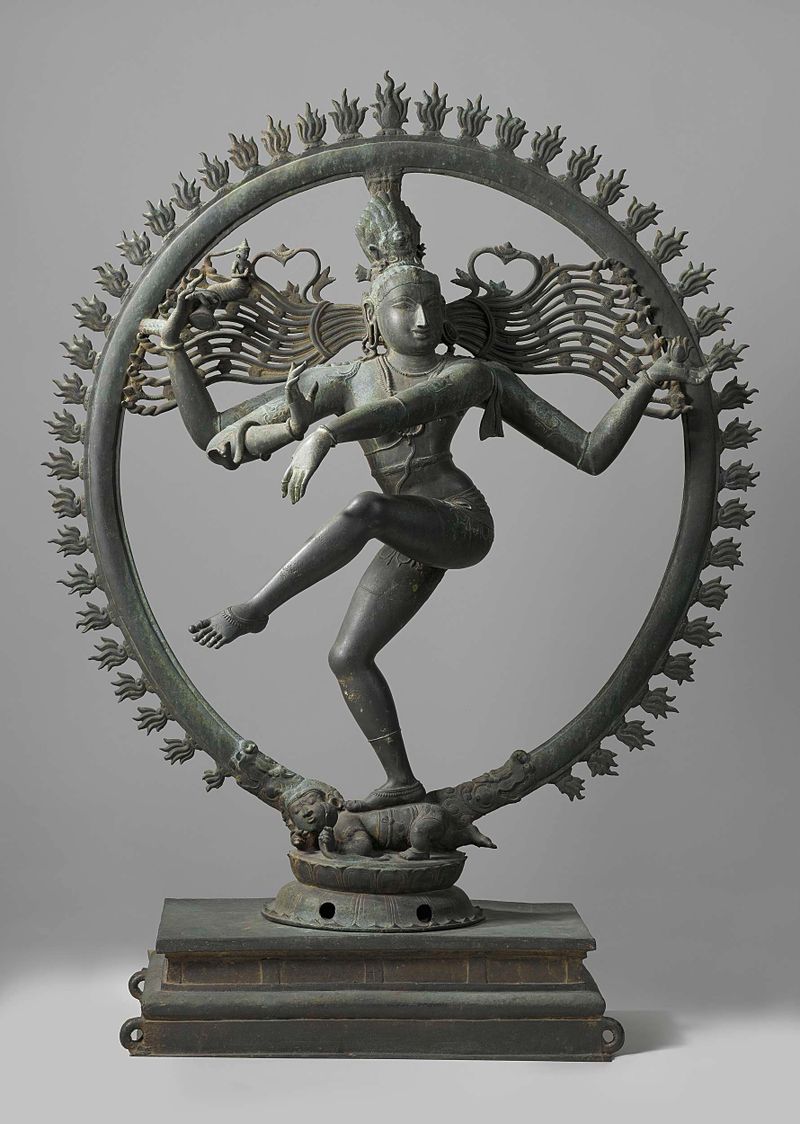
Shiva Nataraja
Unknown Artist
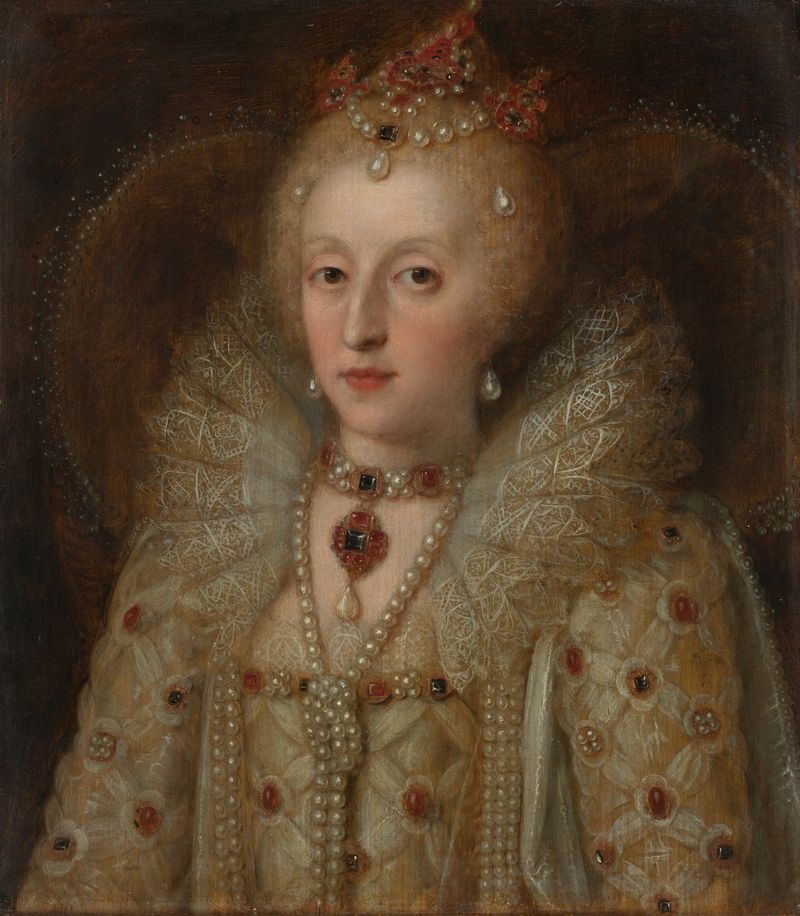
Portrait of Elizabeth I, Queen of England
Unknown Artist
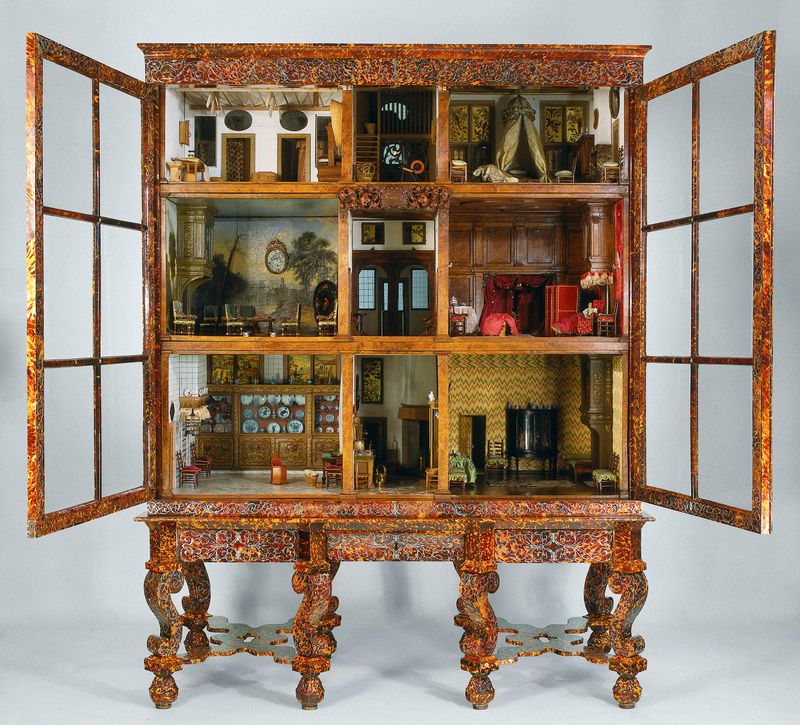
Dolls’ house of Petronella Oortman
Unknown Artist
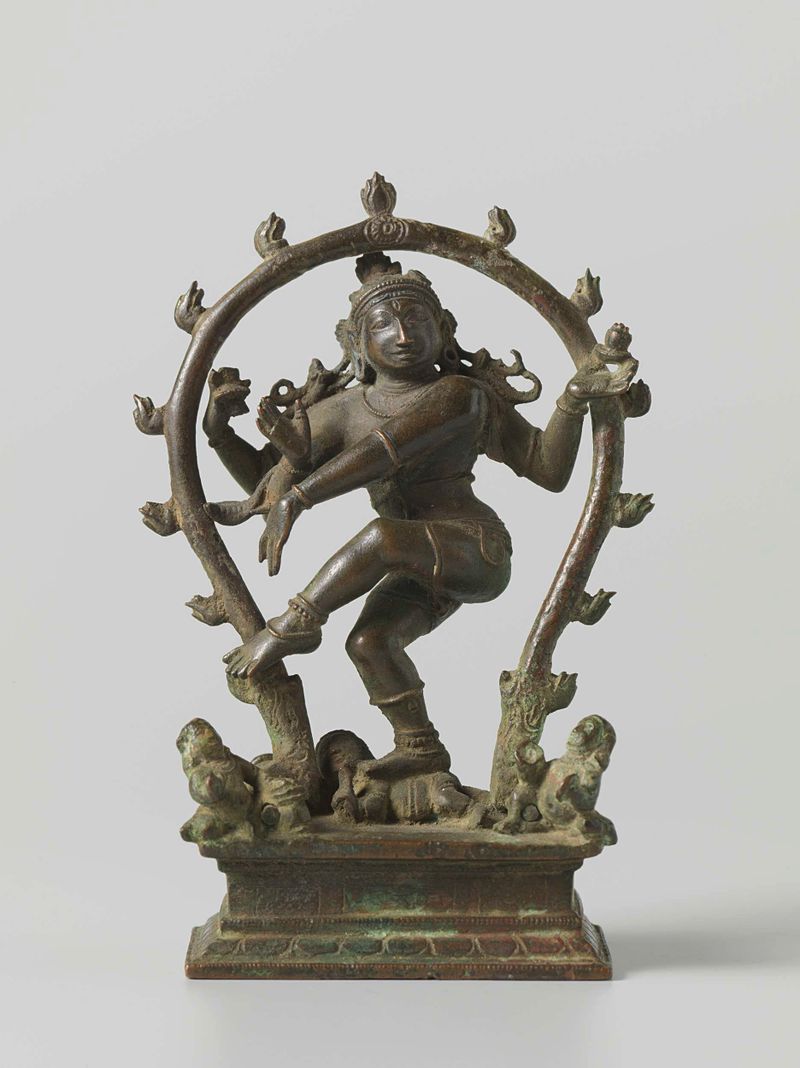
Shiva Nataraja
Unknown Artist

The Tale of Genji
Unknown Artist

The Tale of Genji
Unknown Artist

Cong
Unknown Artist
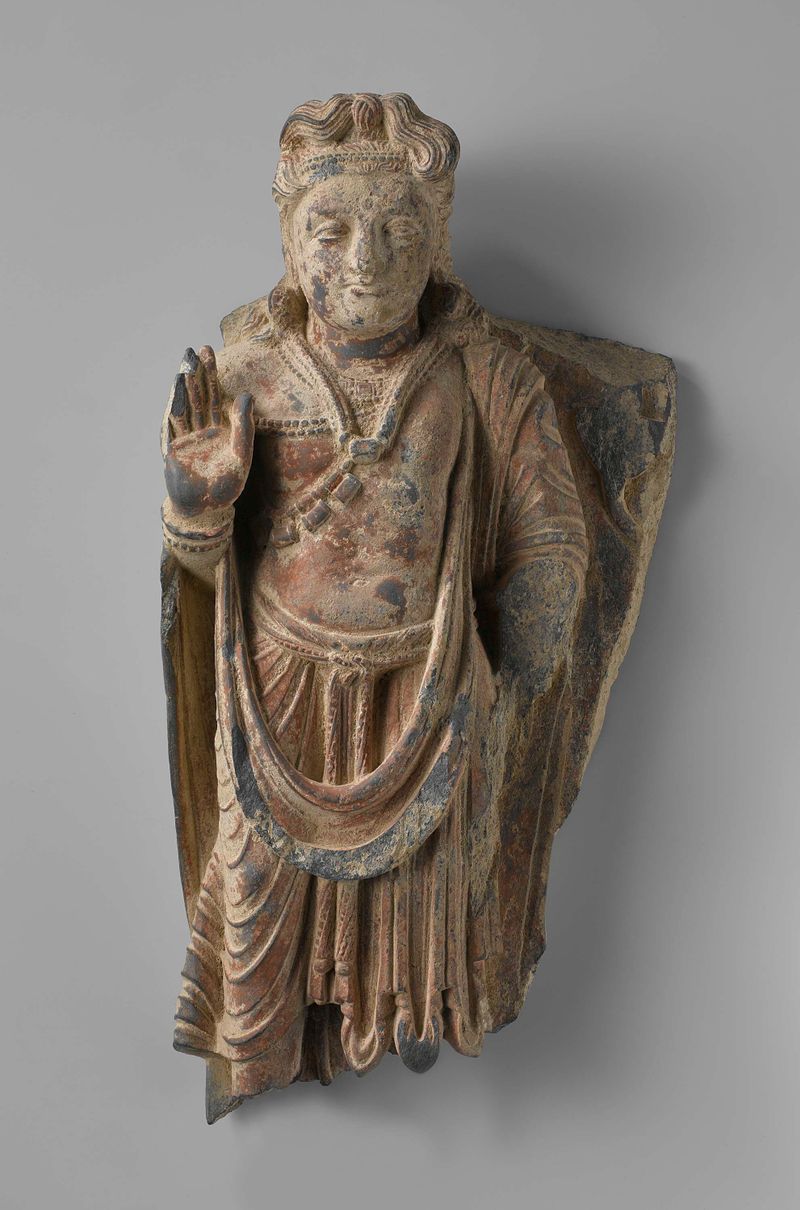
The bodhisattva Maitreya
Unknown Artist

Teabowl with a 'hare's fur' glaze
Unknown Artist