Strook kloskant met hartjes gemaakt met cirkeltjes — History & Facts
Can beauty exist without sorrow? This intricate piece beckons the viewer to explore the delicate relationship between joy and loss, woven into a tapestry of emotions. Look closely at the intricate patterns, where circles form tiny hearts amidst a classical lace design. Notice how the meticulous craftsmanship draws your eye toward the interplay of light and shadow, revealing textures that seem to breathe with life. The muted colors, interspersed with soft whites and gentle pastels, evoke a nostalgia that resonates deeply, almost as if the fabric whispers tales of its past. Within the flowing patterns lies a juxtaposition of celebration and mourning; each circle may symbolize a memory or a heart that once experienced love.
The lace, while seemingly ornate, conveys fragility, suggesting that beauty is often built upon the remnants of what once was. This dichotomy invites reflection on the transient nature of life and how loss can give rise to a deeper appreciation of beauty. Created between 1900 and 1924, this work reflects an era of significant transition in the art world, marked by movements like Art Nouveau and later, the burgeoning Modernism. The artist, whose identity remains shrouded in mystery, may have been influenced by the evolving aesthetic trends of the time, as well as personal experiences of grief or longing.
It stands as a testament to a shared human experience, echoing the fragility of happiness against the backdrop of inevitable sorrow.
More Artworks by Unknown Artist
Browse all →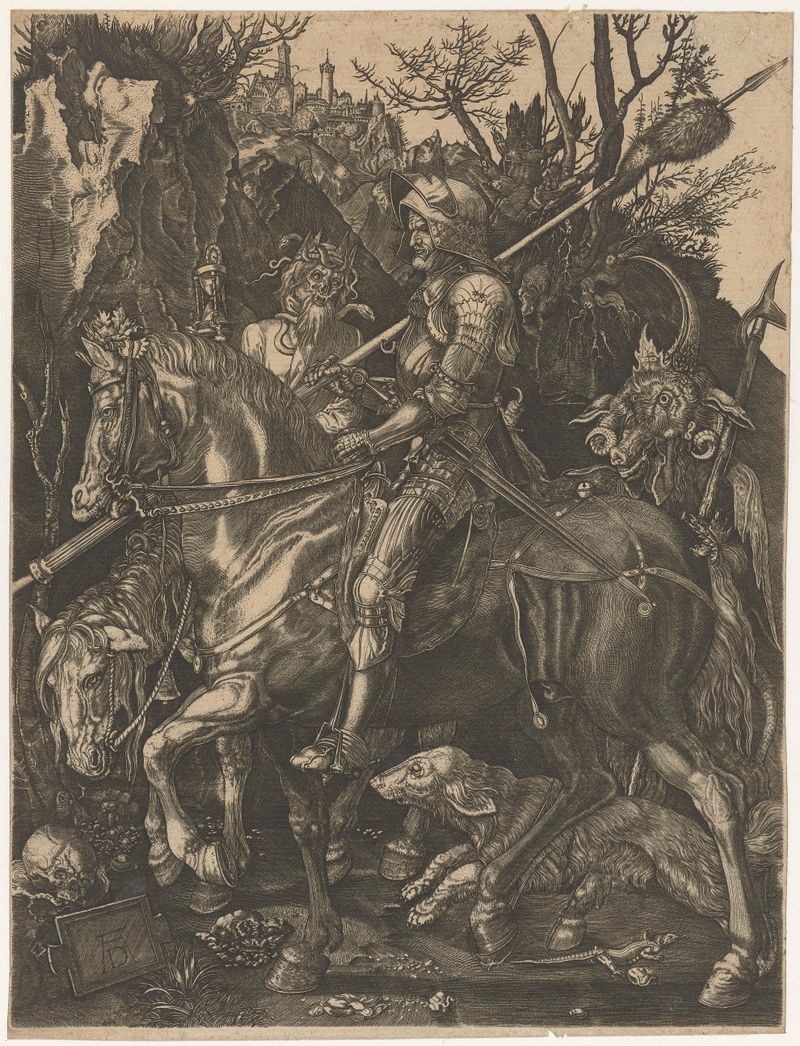
Ridder, Dood en Duivel
Unknown Artist
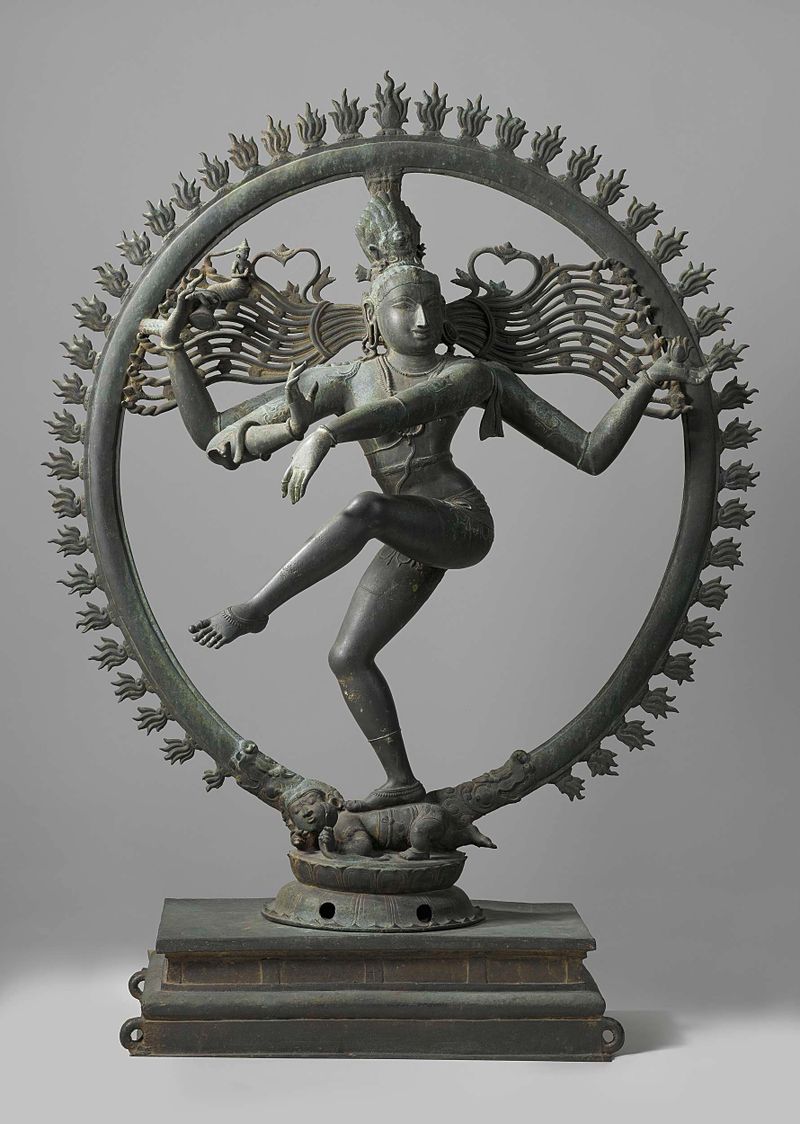
Shiva Nataraja
Unknown Artist
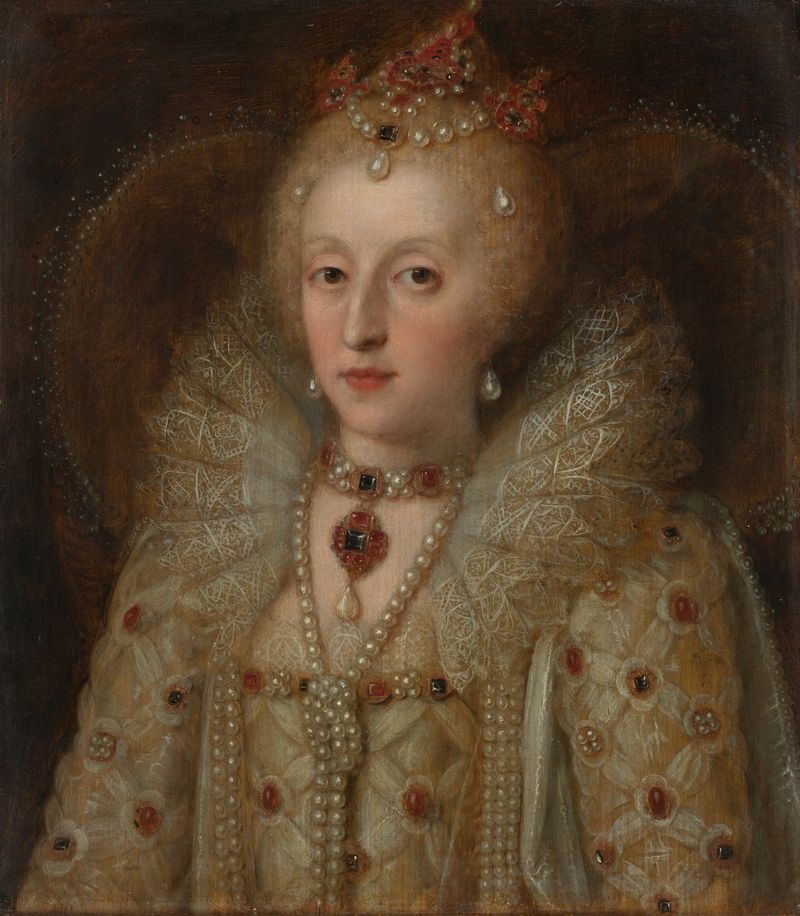
Portrait of Elizabeth I, Queen of England
Unknown Artist
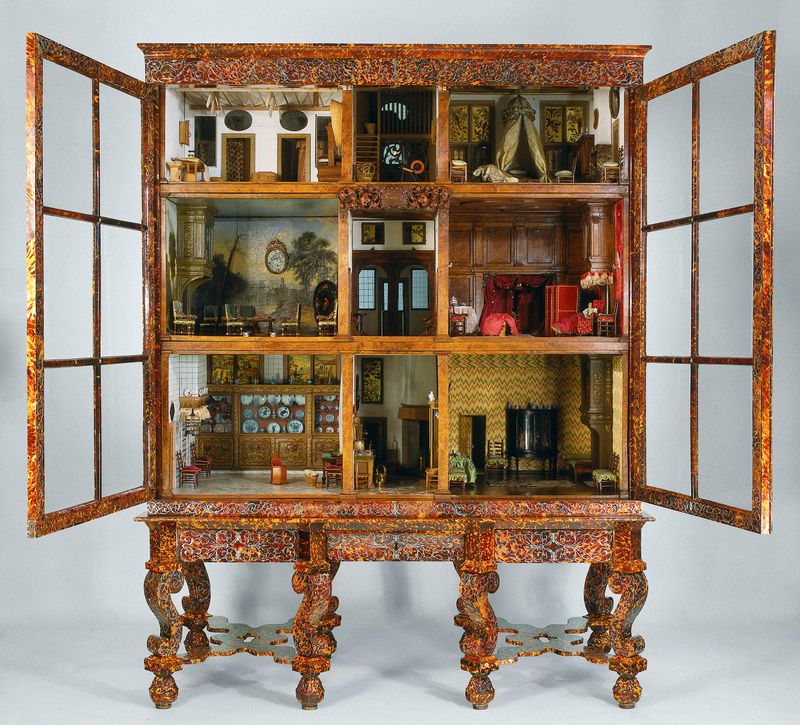
Dolls’ house of Petronella Oortman
Unknown Artist
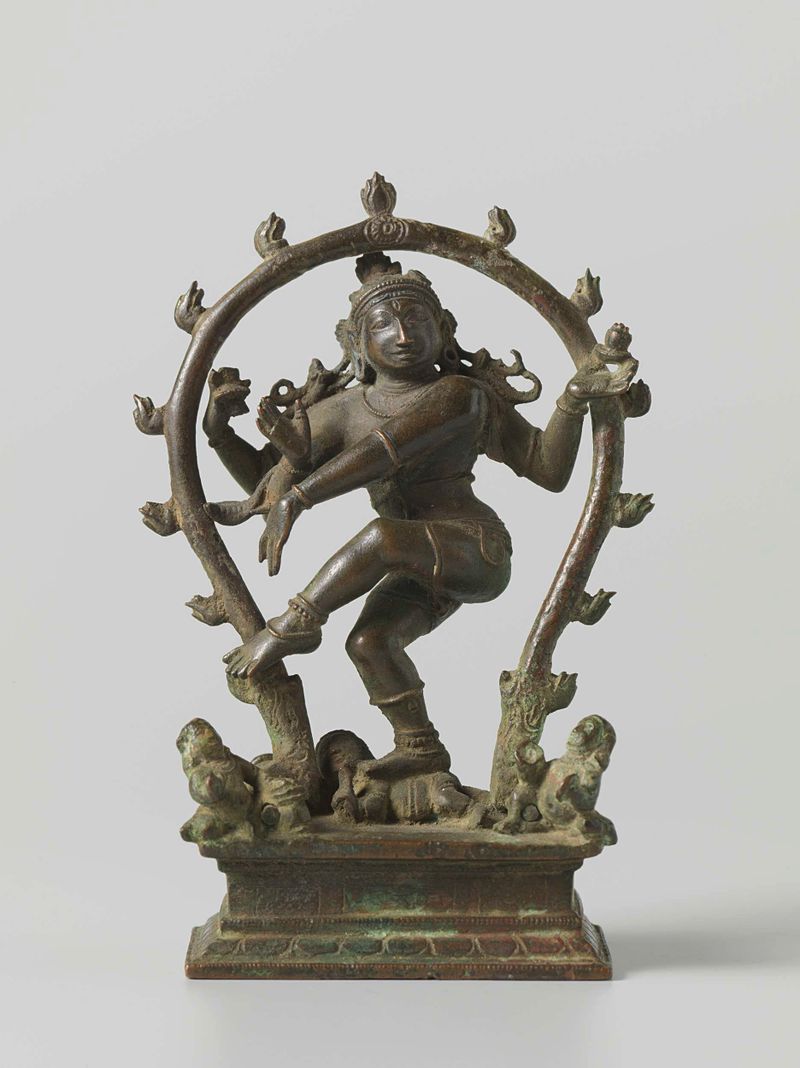
Shiva Nataraja
Unknown Artist

The Tale of Genji
Unknown Artist

The Tale of Genji
Unknown Artist
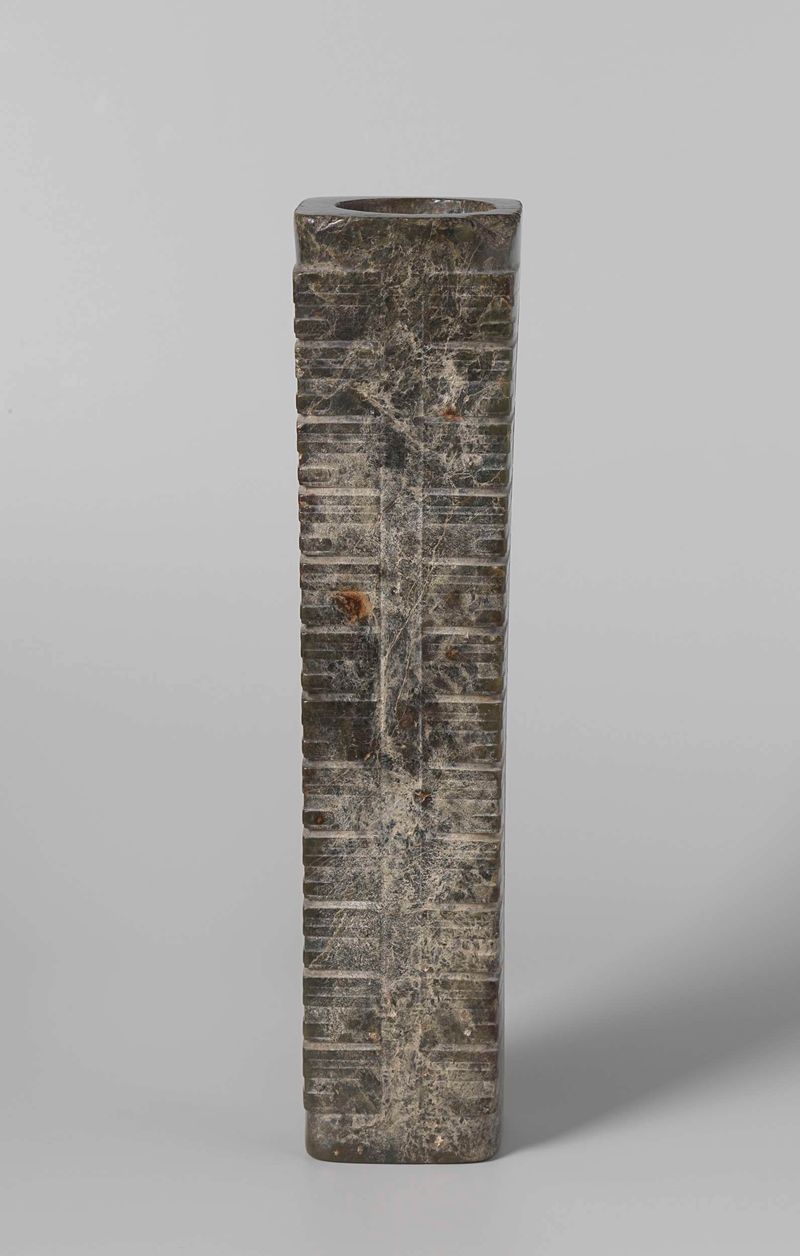
Cong
Unknown Artist
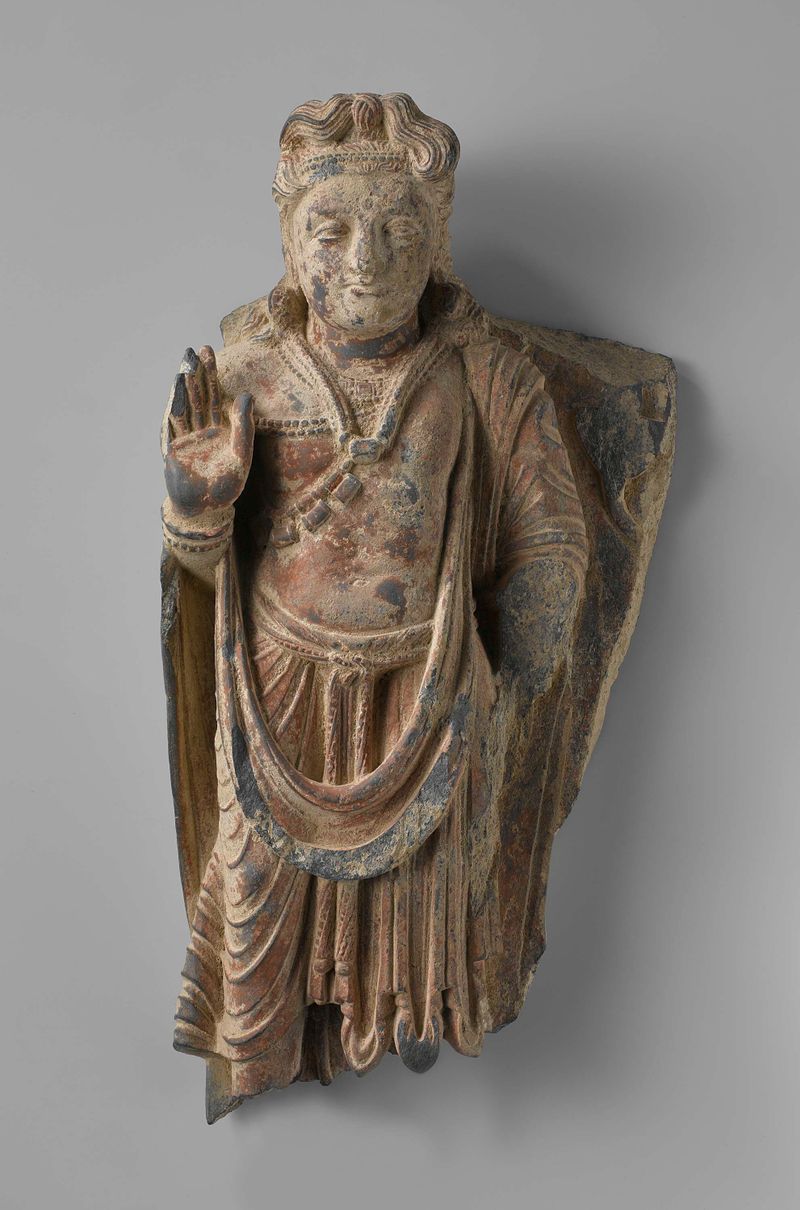
The bodhisattva Maitreya
Unknown Artist
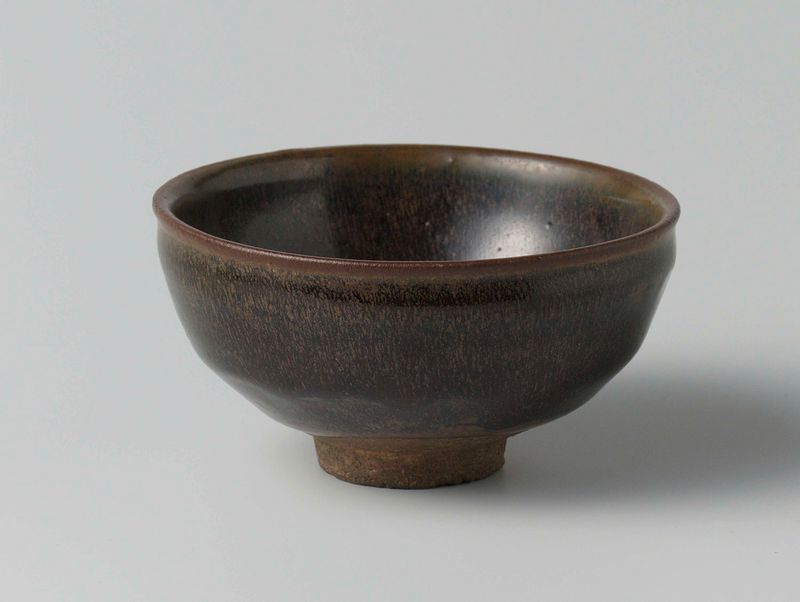
Teabowl with a 'hare's fur' glaze
Unknown Artist