Strook kloskant met moesjes en rozetrand — History & Facts
What secret hides in the quiet of the canvas? Behind layers of pastel hues and delicate brushwork lies a world where light dances softly upon the surface, inviting us to explore its subtleties. Look to the center, where a gentle play of light illuminates the intricate kloskant lace, its delicate patterns creating a whisper of elegance. Notice how the warm tones complement the cool shadows, crafting a harmonious balance that draws your eye. The use of color is not merely decorative; it enhances the three-dimensionality of the lace and the meandering forms of the fruit, which appear almost to breathe within their stillness. Yet beyond the surface, the arrangement of objects hints at deeper narratives.
The placement of the moesjes—small cakes—suggests a moment of domestic tranquility, a pause amidst the bustle of life. The contrast between the ephemeral nature of the sweet treats and the enduring quality of the lace embodies the tension between the transient and the eternal. Each stroke of the brush speaks to the artist’s understanding of the fleeting beauty of everyday moments, inviting contemplation of life’s simple joys. This artwork, created around 1800 by an unknown artist, reflects the burgeoning interest in still-life painting during a time when European art was shifting towards Romanticism.
The artist, possibly influenced by the Dutch Masters, sought to capture not only the visual clarity of objects but their emotional resonance, a hallmark of the era's exploration of realism and beauty.
More Artworks by Unknown Artist
Browse all →
Ridder, Dood en Duivel
Unknown Artist
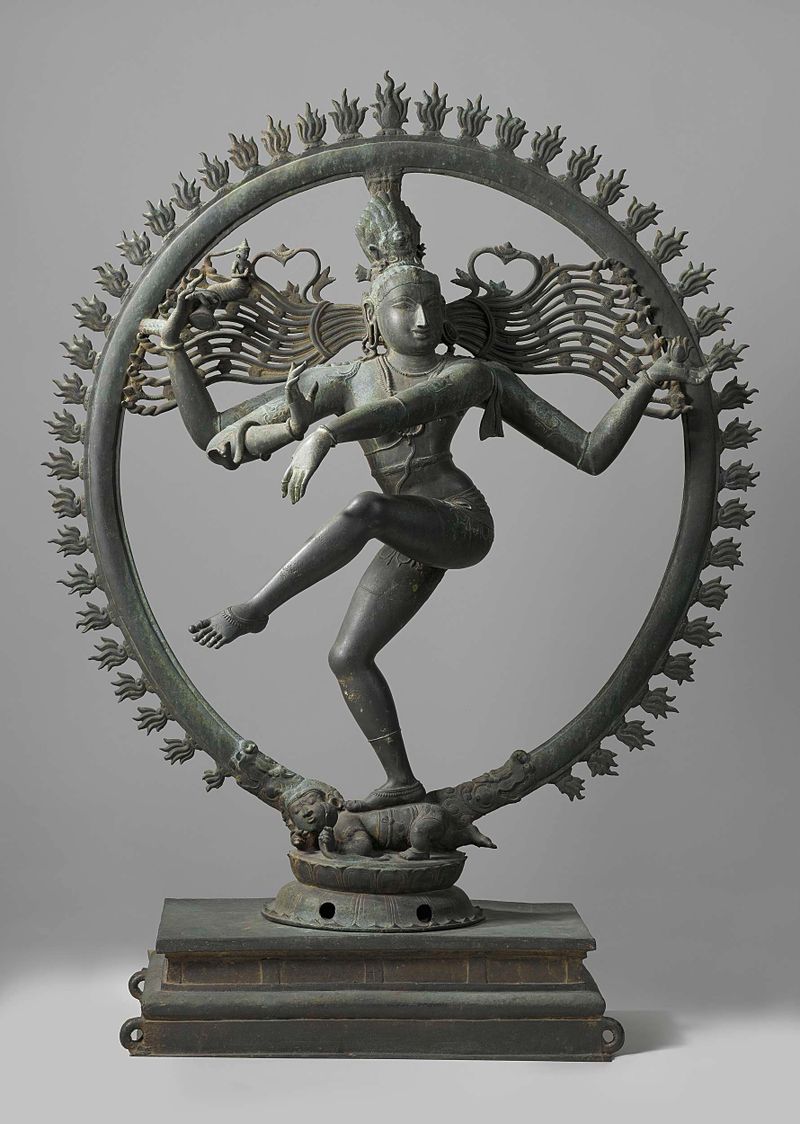
Shiva Nataraja
Unknown Artist
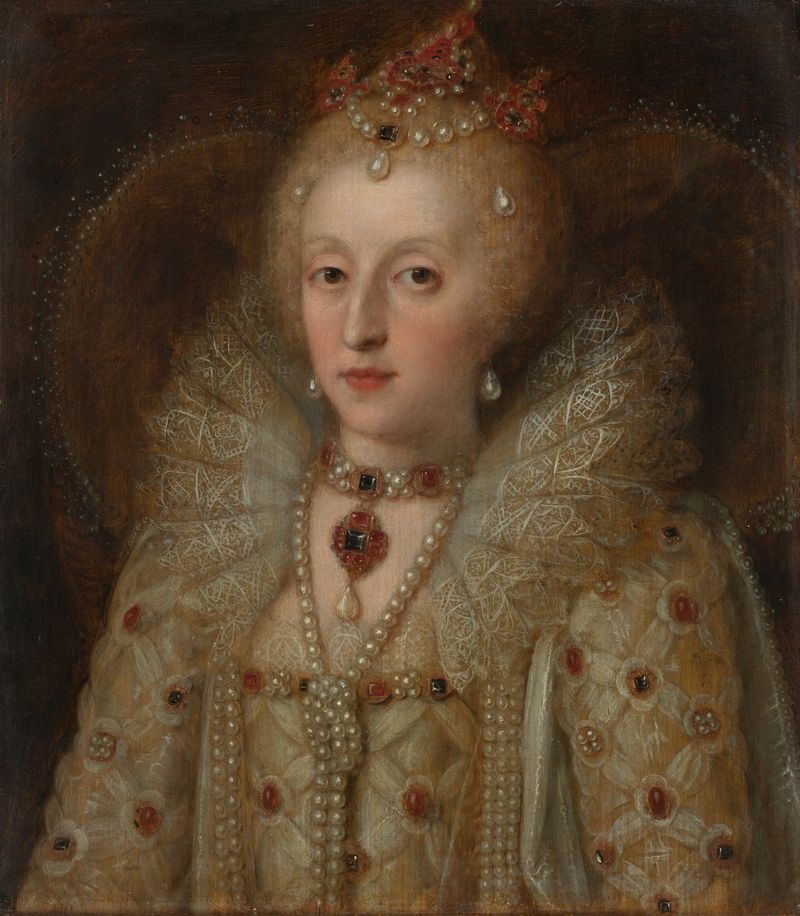
Portrait of Elizabeth I, Queen of England
Unknown Artist
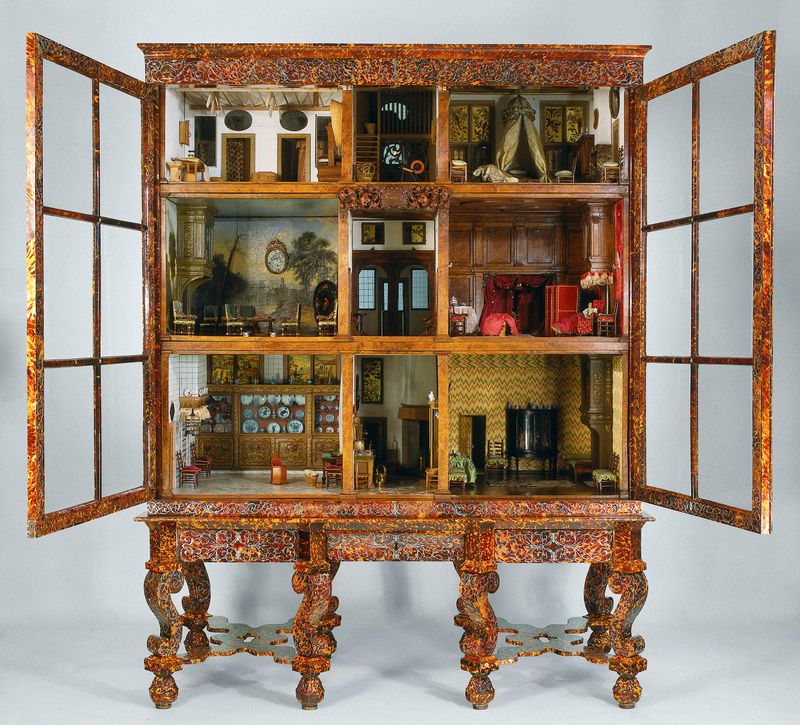
Dolls’ house of Petronella Oortman
Unknown Artist
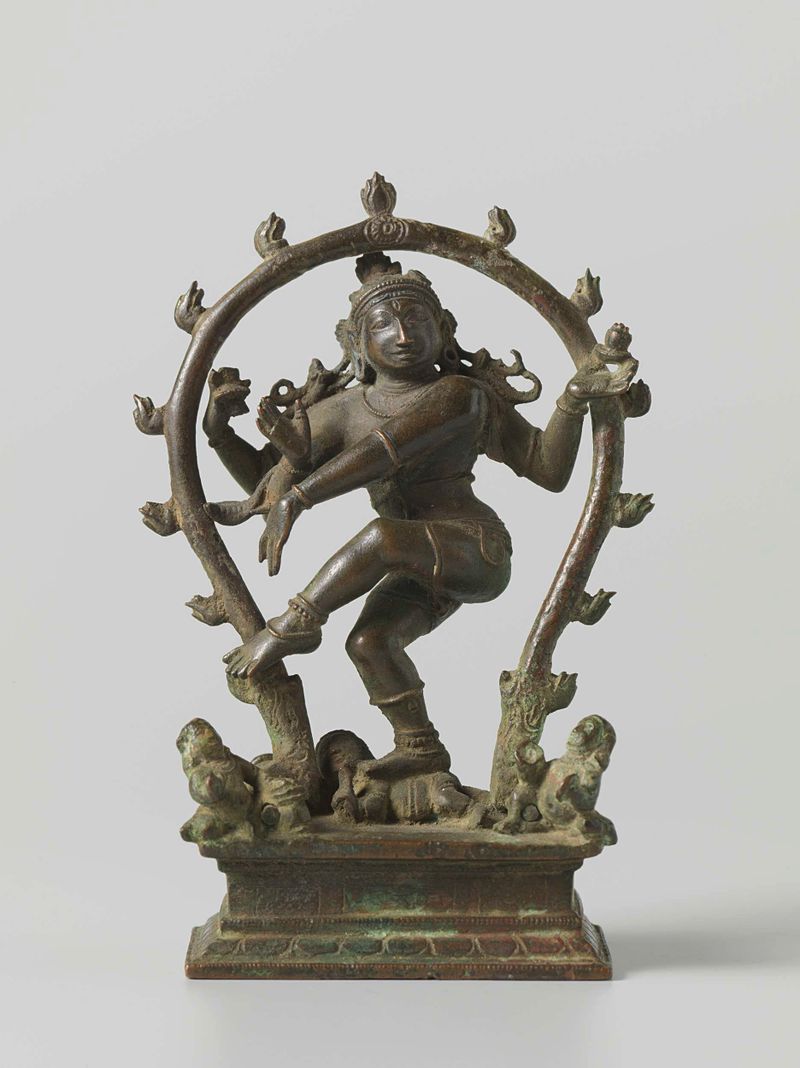
Shiva Nataraja
Unknown Artist

The Tale of Genji
Unknown Artist

The Tale of Genji
Unknown Artist

Cong
Unknown Artist
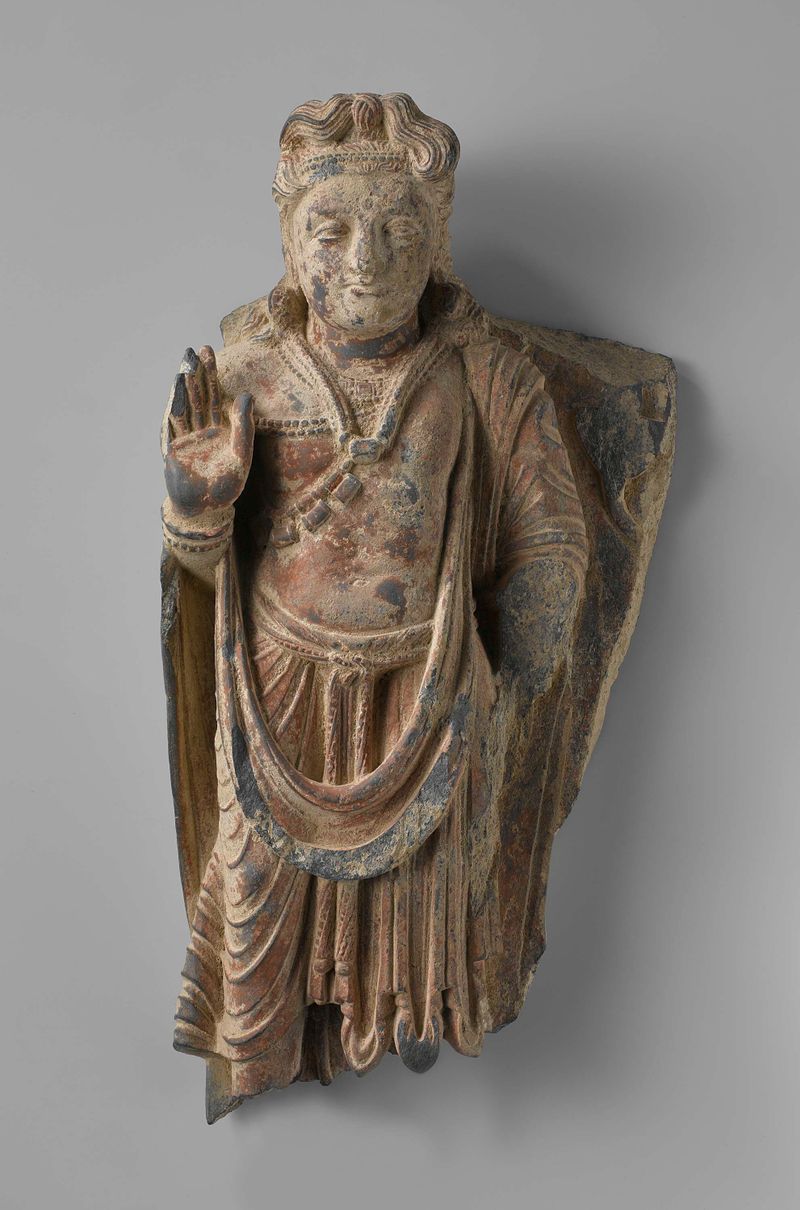
The bodhisattva Maitreya
Unknown Artist

Teabowl with a 'hare's fur' glaze
Unknown Artist