Strook kloskant met parel- en rozetlijst — History & Facts
Is this a mirror — or a memory? The intricate lacework and delicate borders of this work evoke a profound sense of solitude, inviting contemplation on the spaces we inhabit both physically and emotionally. Focus on the intricate lace pattern within the frame, a testament to meticulous craftsmanship. Notice how the light dances across the delicate threads, creating a play of shadows that suggests a whisper of movement. The soft palette, muted yet elegant, draws the eye inward, making the ornate design feel like a fragile dream, one that may dissolve upon touch. Behind the exquisite details, there lies an exploration of loneliness.
The lace, often a symbol of comfort and connection, here feels like a barrier, separating the viewer from an elusive intimacy. The contrast between the ornate frame and the empty space it encloses speaks to the longing for connection amidst isolation. Each loop and curve of the lace hints at narratives untold, memories trapped within the fabric, waiting for a voice. Created between 1830 and 1840, the unknown artist worked during a time when Europe was experiencing significant social and political change.
The rise of industrialization and the shifting cultural landscape influenced artists to explore themes of personal identity and emotional depth. Amidst these changes, the artist crafted a piece that resonates with the profound sense of isolation that many felt, encapsulating a pivotal moment in art's reflection of the human experience.
More Artworks by Unknown Artist
Browse all →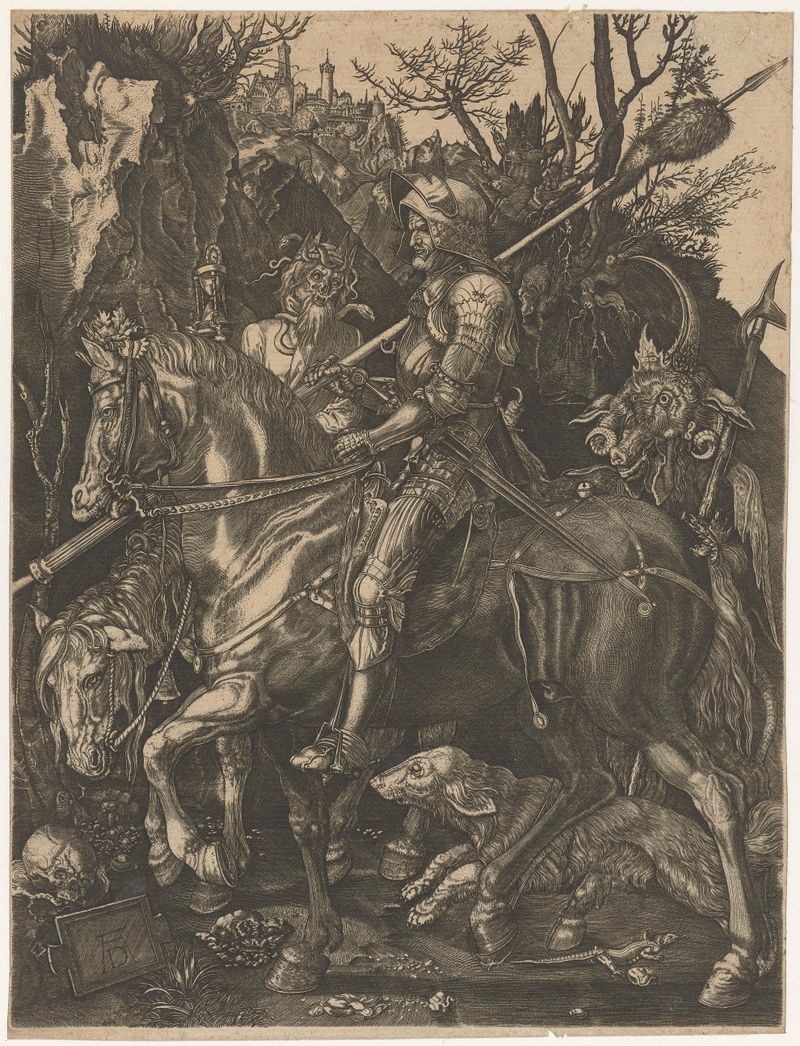
Ridder, Dood en Duivel
Unknown Artist
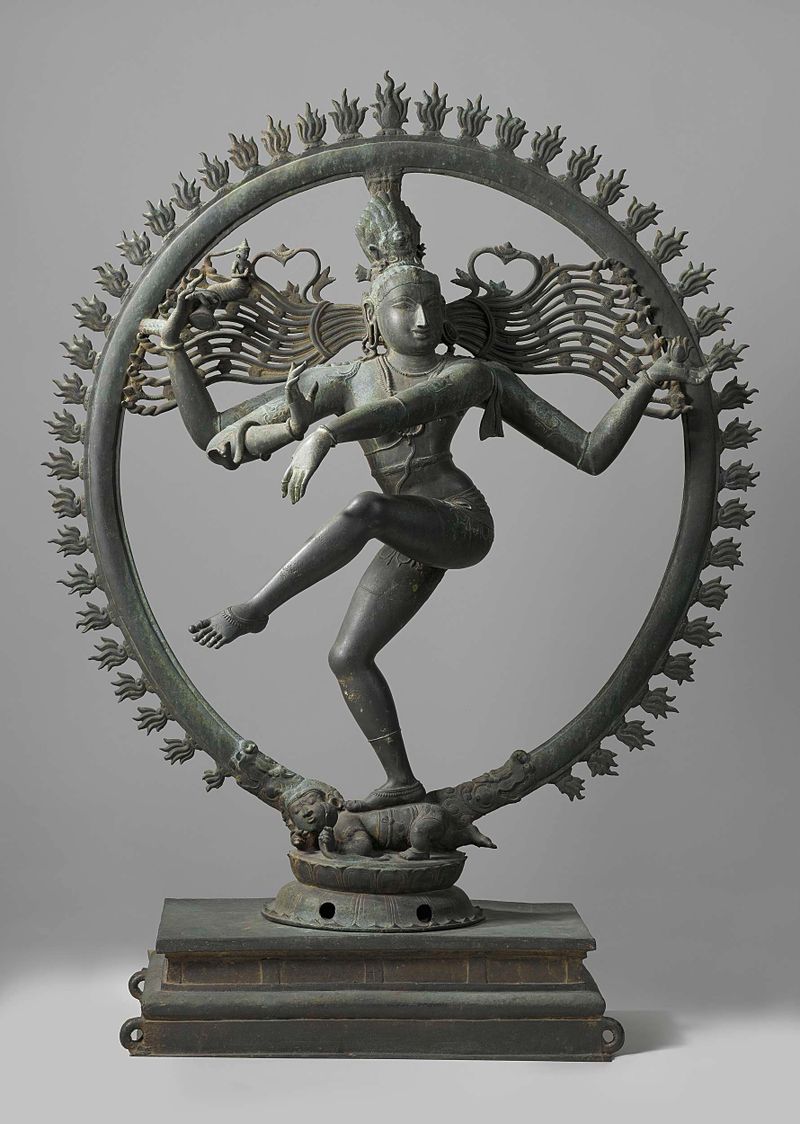
Shiva Nataraja
Unknown Artist
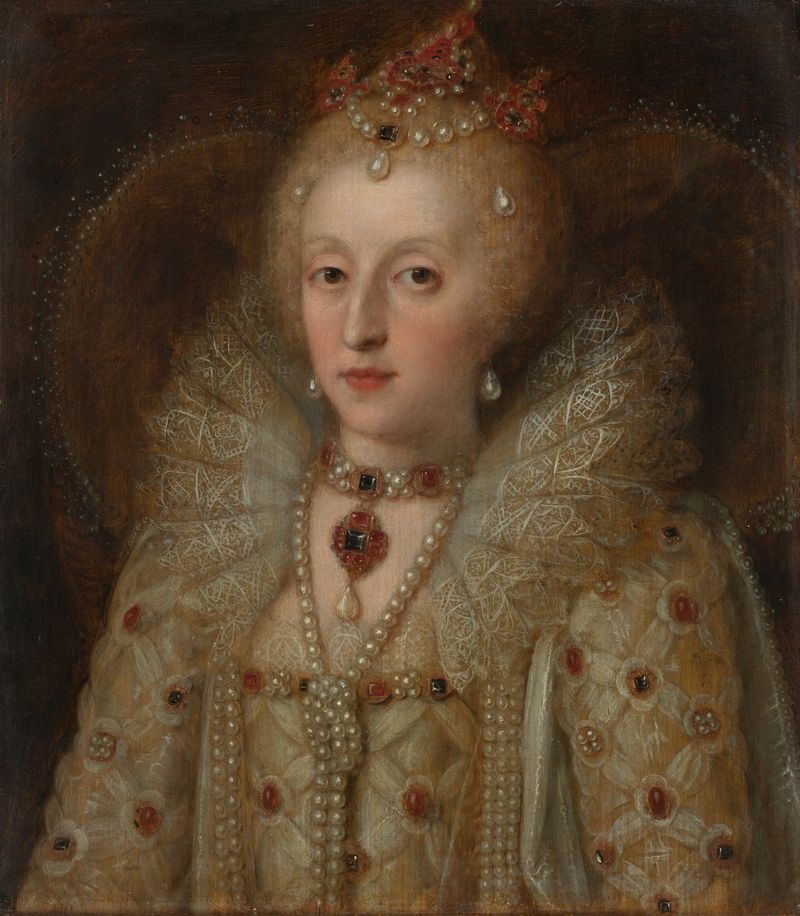
Portrait of Elizabeth I, Queen of England
Unknown Artist
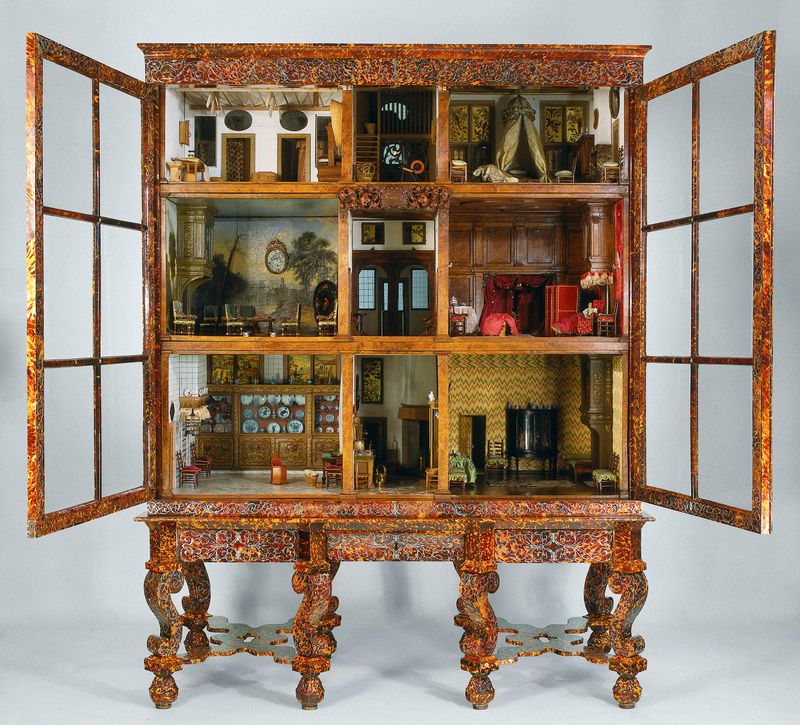
Dolls’ house of Petronella Oortman
Unknown Artist
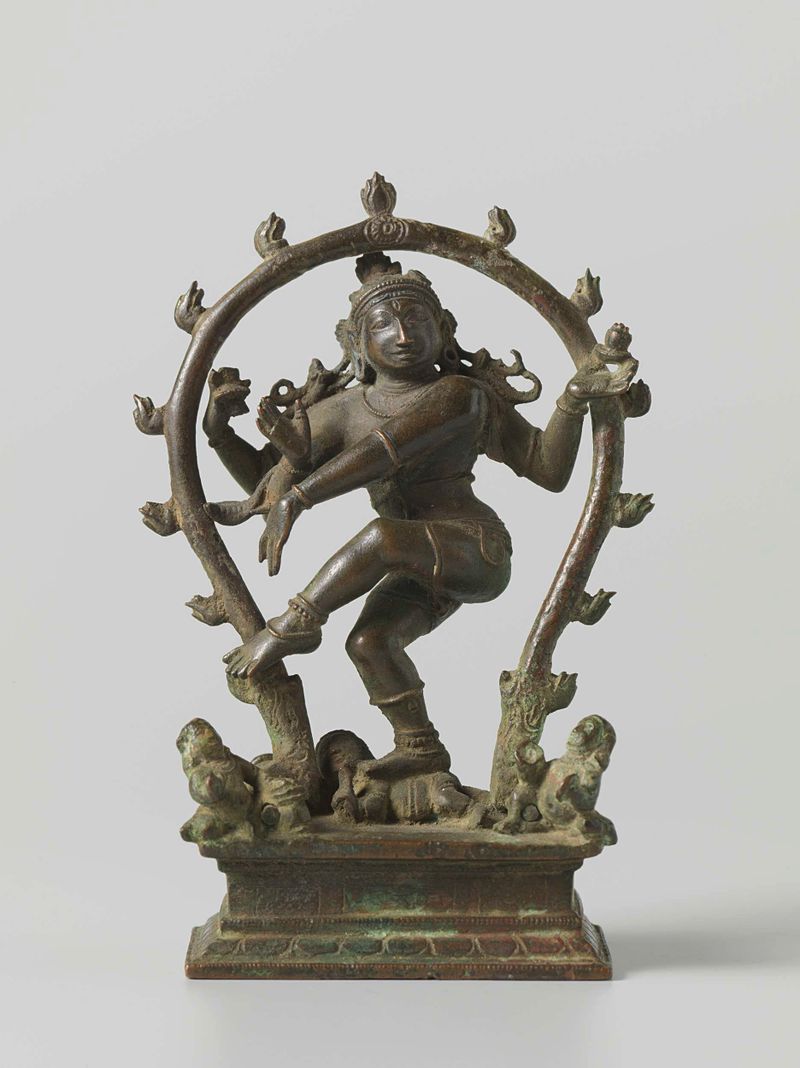
Shiva Nataraja
Unknown Artist

The Tale of Genji
Unknown Artist

The Tale of Genji
Unknown Artist
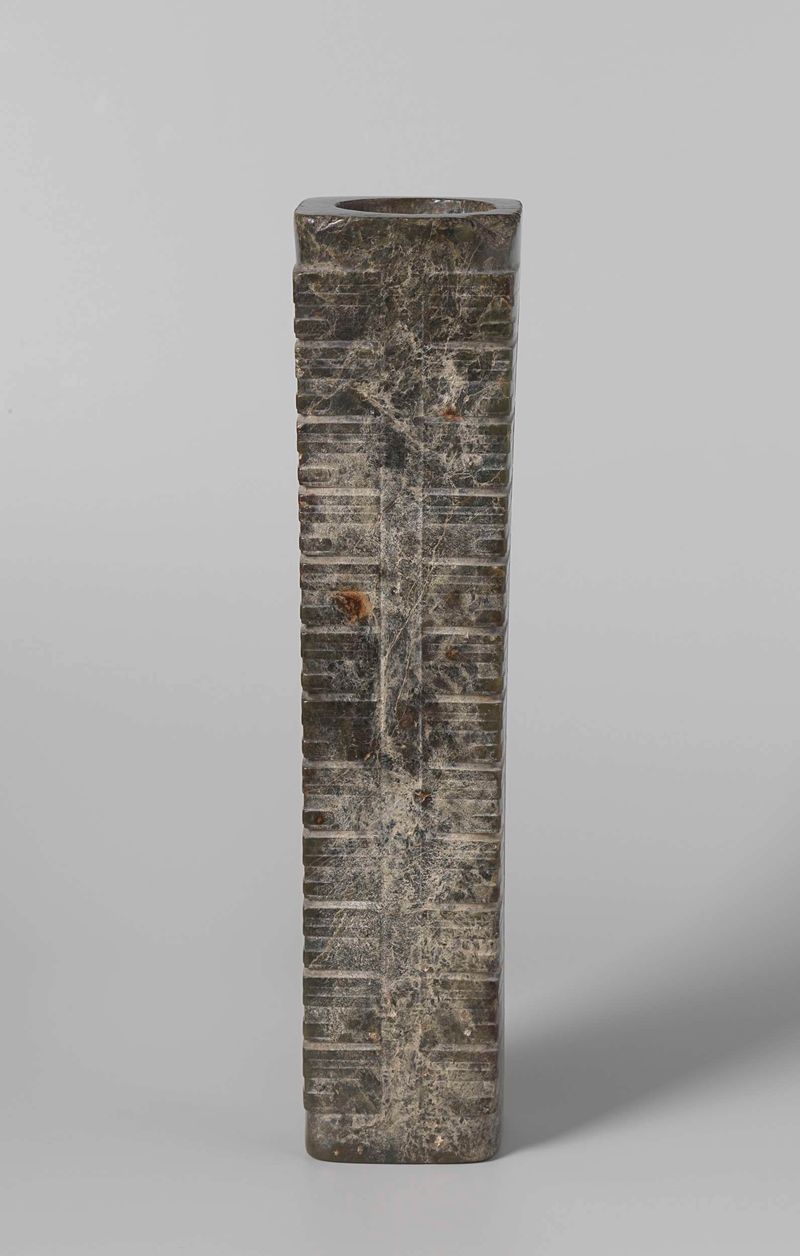
Cong
Unknown Artist
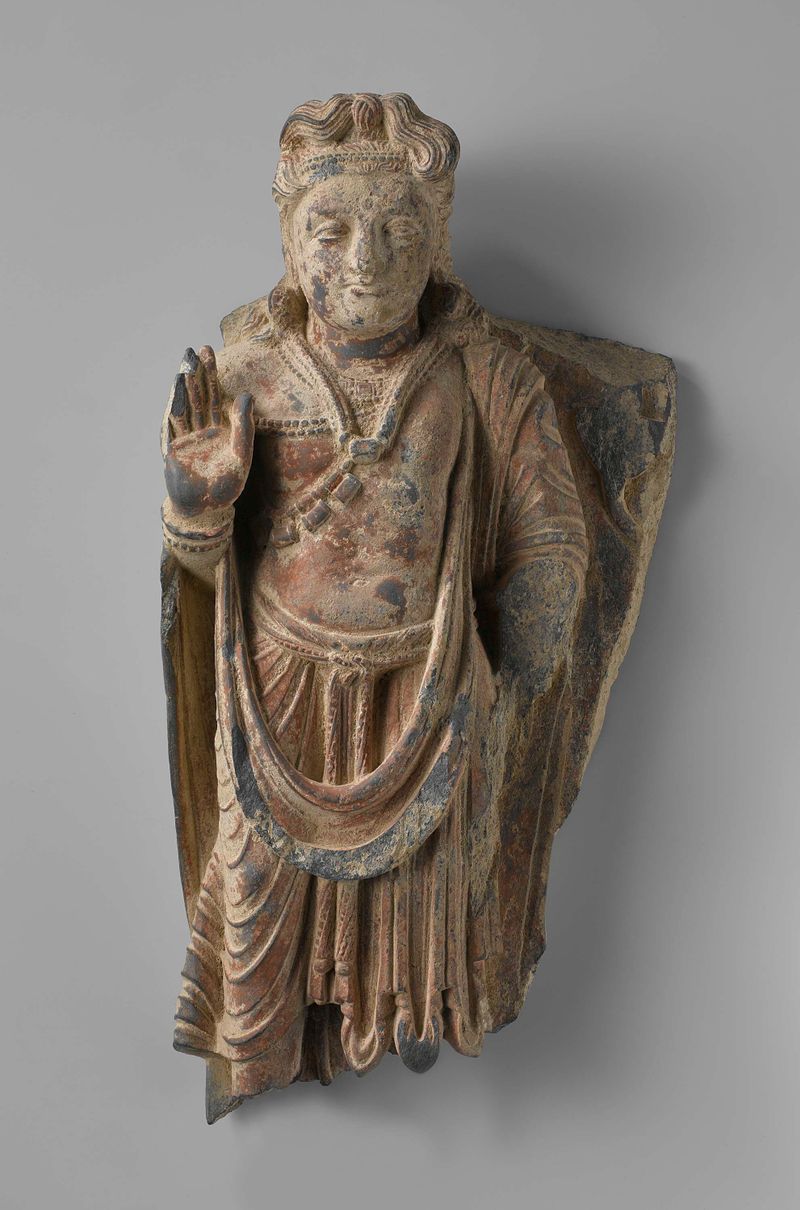
The bodhisattva Maitreya
Unknown Artist
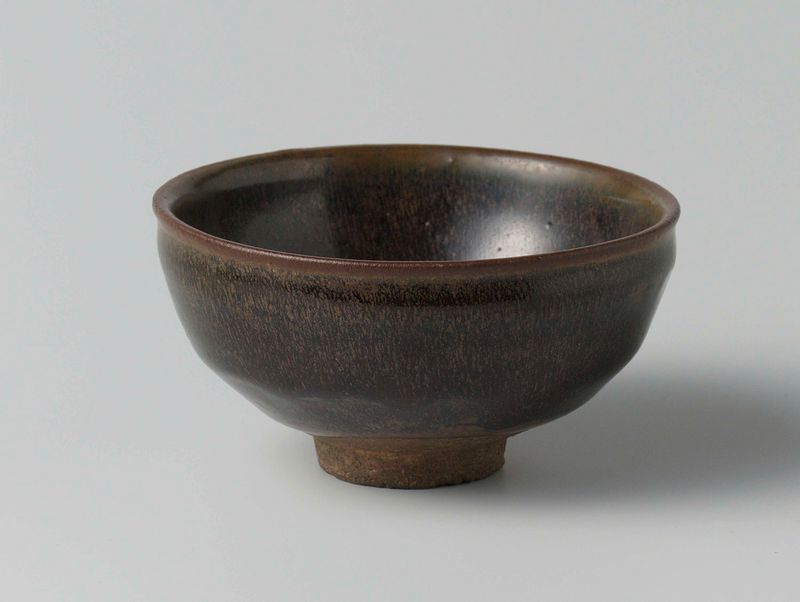
Teabowl with a 'hare's fur' glaze
Unknown Artist