Strook kloskant met pot of schaal met dennenappel — History & Facts
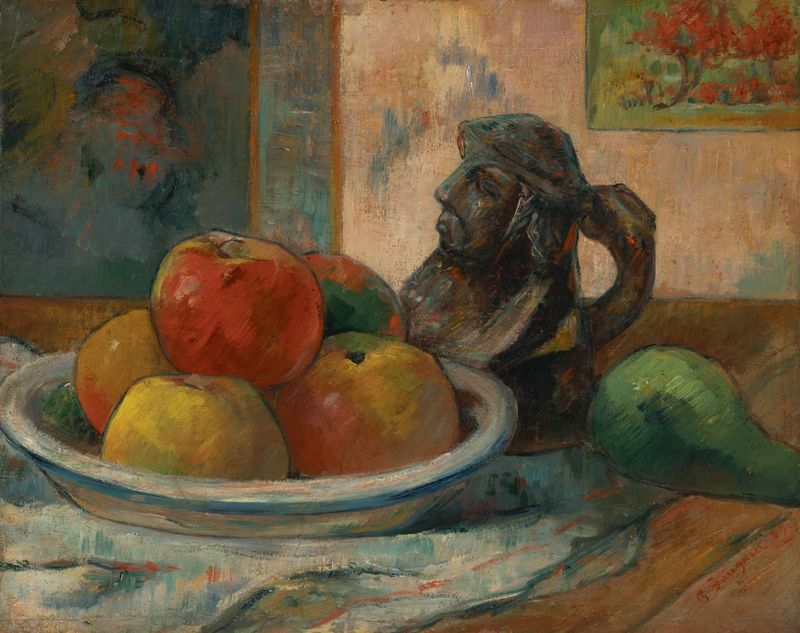
Did the painter know this moment would outlive them? The stillness captured within the brushstrokes speaks of an ephemeral beauty, a whisper of loss that lingers in the air. Focus on the delicate lacework in the foreground, where intricate patterns intertwine like fleeting memories. Notice how the soft, muted colors of the surrounding objects—the pot and the pine cone—contrast against the vibrant, ethereal quality of the lace, drawing your eye deeper into the composition. The artist’s careful rendering of light and shadow invites you to explore the texture of the fabric, suggesting a tactile experience that resonates with the viewer’s own sense of nostalgia. In this artwork, the lace is more than just a decorative element; it embodies the fragility of life and the passage of time.
The pot and the pine cone, symbols of nature’s cycles, evoke the cycles of creation and decay, emphasizing a poignant sense of loss. Each detail whispers a story—of hands that carefully crafted the lace, of moments now forgotten. Together, they create an emotional landscape that transcends the boundaries of the canvas. The piece dates back to the late 19th century, a time when unknown artists often drew inspiration from both personal experience and the natural world.
In an age marked by rapid change, the artist likely sought solace in the familiar, capturing a moment of stillness amid the chaos. This work reflects the broader trends in art during a period when craftsmanship and the beauty of everyday objects were celebrated, crafting a legacy that continues to resonate with viewers today.