Strook kloskant met roosmotief — History & Facts
In a world awash with fleeting moments, art serves as an anchor, compelling us to confront emptiness and presence. Look closely at the delicate intricacies of the lace pattern, where swirling floral motifs emerge like whispers of a lost conversation. The subtle interplay of shadows and light reveals a soft translucence, evoking both fragility and beauty. The muted color palette, primarily composed of creams and soft pastels, invites the viewer to contemplate the passage of time, as if each thread carries the weight of history within its fibers. Upon deeper examination, one might sense the tension between creation and decay.
Each loop and knot in the lace signifies not only craftsmanship but also the impermanence of life itself. The interplay of negative space highlights invitations to introspection, emphasizing the void surrounding the intricate design. The work stands as a testament to the artist's ability to capture remnants of joy and sorrow intertwined in the fabric of existence. This piece was crafted between 1795 and 1805 during a time when European art was undergoing significant transformation.
The neoclassical movement, with its emphasis on clarity and precision, contrasted sharply with the emotional explorations of romanticism emerging on the horizon. However, the identity of the artist remains a mystery, leaving their intentions open to interpretation in a world yearning for connection amid the echoes of an uncertain age.
More Artworks by Unknown Artist
Browse all →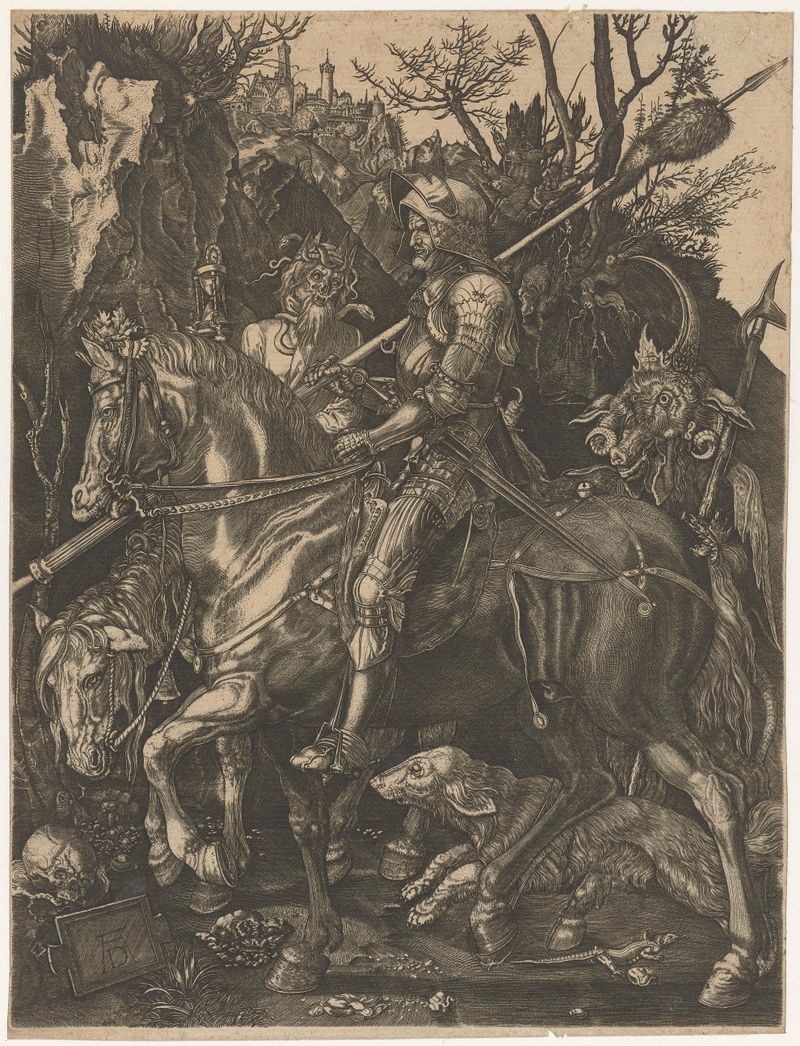
Ridder, Dood en Duivel
Unknown Artist
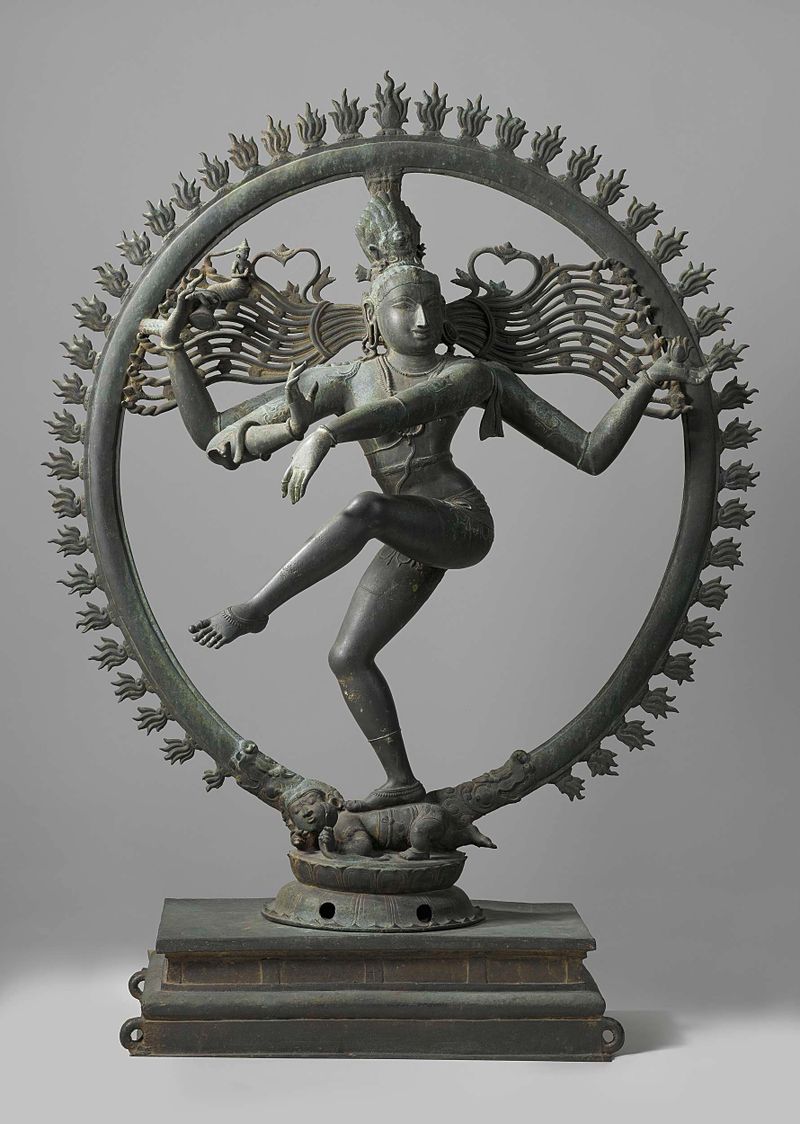
Shiva Nataraja
Unknown Artist
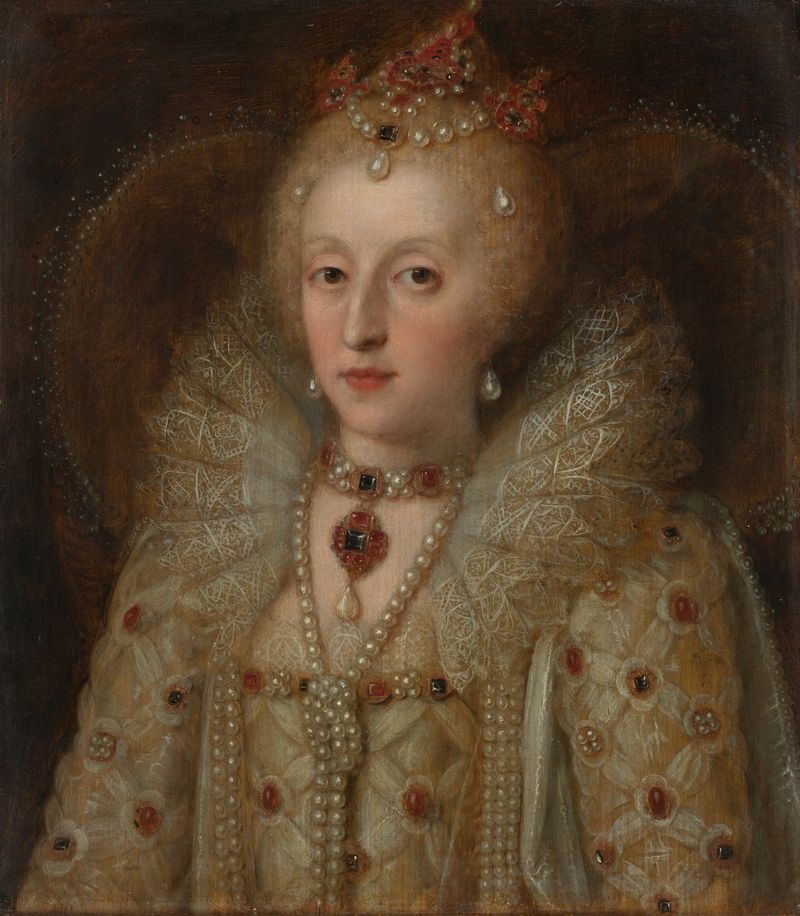
Portrait of Elizabeth I, Queen of England
Unknown Artist
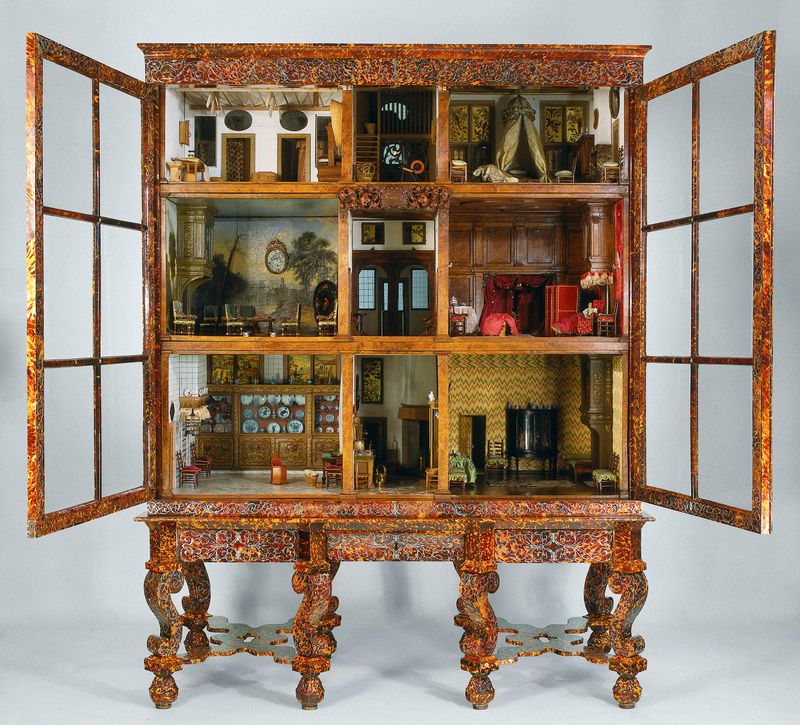
Dolls’ house of Petronella Oortman
Unknown Artist
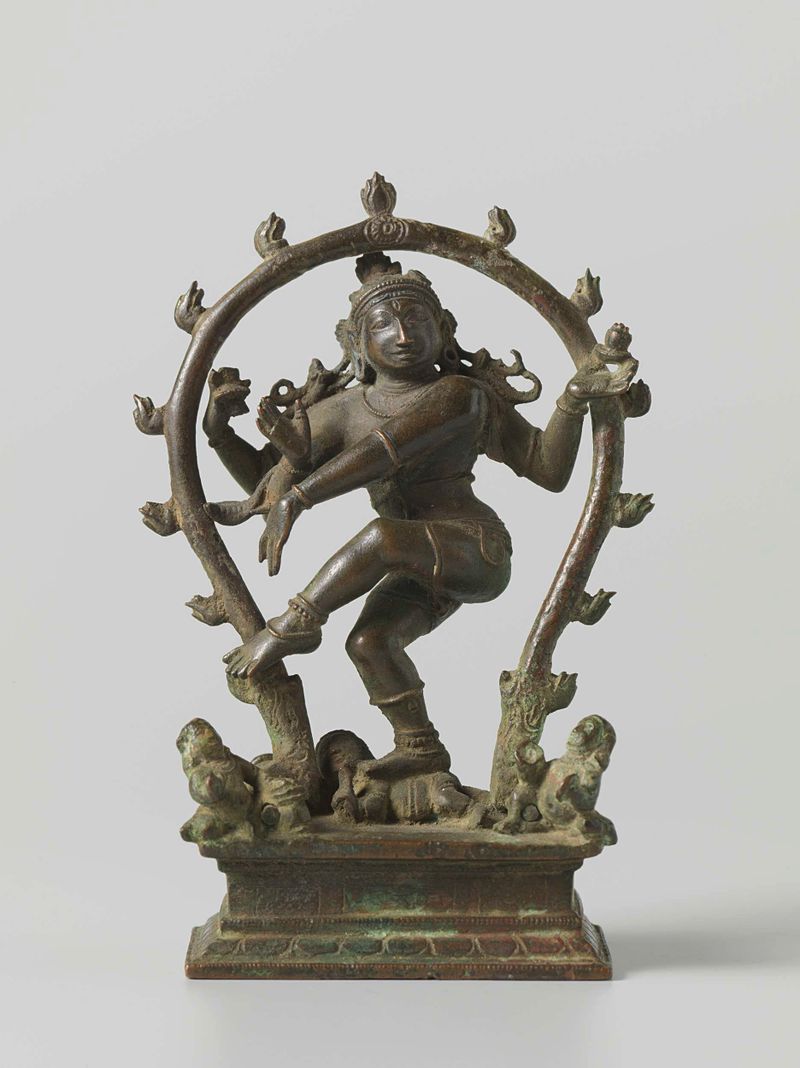
Shiva Nataraja
Unknown Artist

The Tale of Genji
Unknown Artist

The Tale of Genji
Unknown Artist

Cong
Unknown Artist
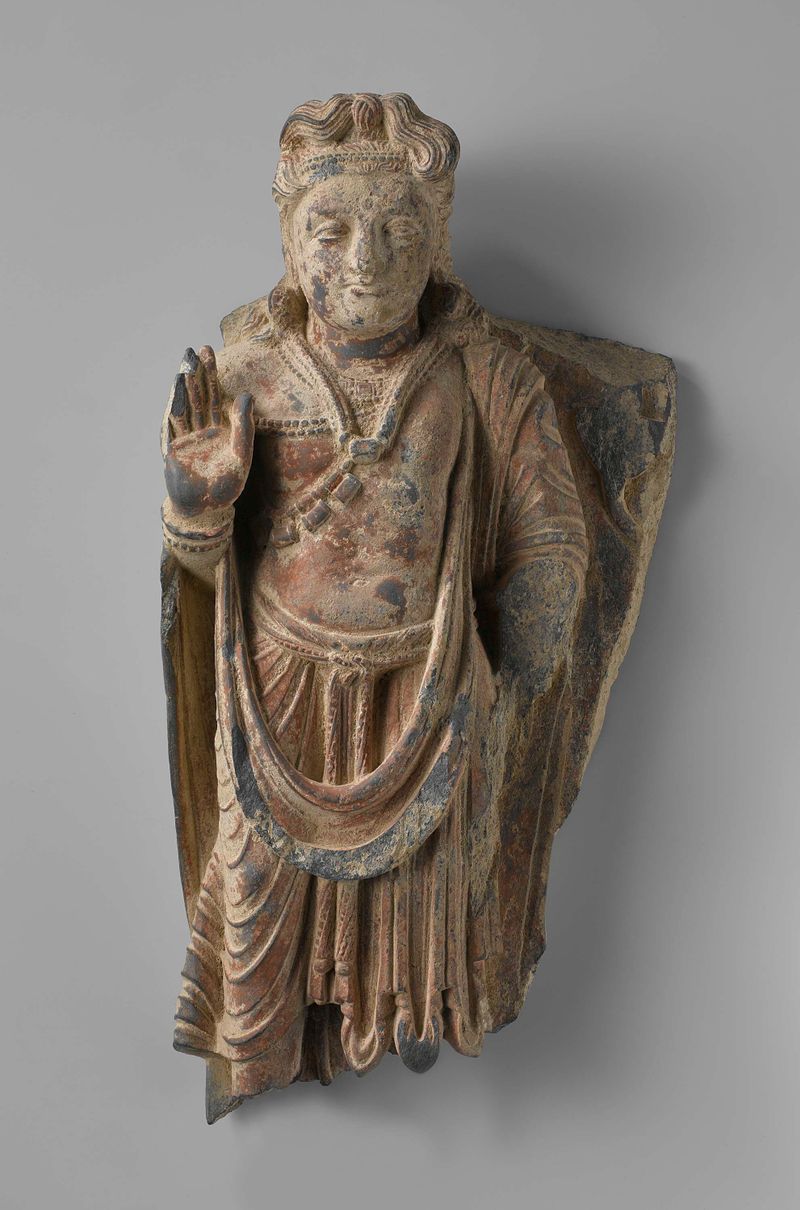
The bodhisattva Maitreya
Unknown Artist

Teabowl with a 'hare's fur' glaze
Unknown Artist