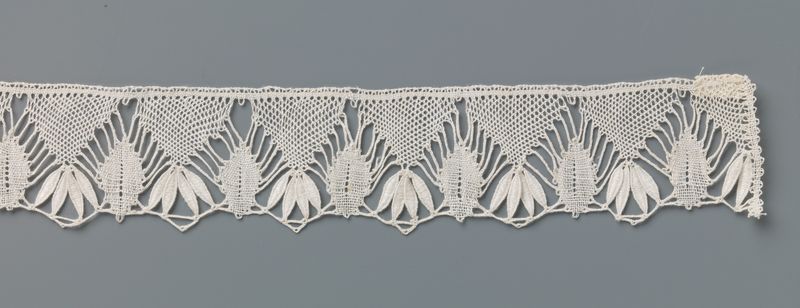
Strook kloskant met spinneweb — History & Facts
In the delicate world of art, rebirth emerges from the very act of creation, encapsulating a moment that transcends the mundane. Look closely at the intricate lacework at the center of the canvas, where every thread whispers stories of craftsmanship and care. The soft, muted colors blend harmoniously, evoking a sense of nostalgia while the play of light brings out the textures. Notice how the fragile web, spun in the corners, dances with the light — a metaphor for transience, yet it remains steadfast in its beauty.
Each detail invites the viewer to explore the depth of the composition, revealing layers of meaning hidden within the simplicity. The contrast between the ephemeral lace and the permanence of the web speaks volumes about the cycles of life—creation and decay, memory and forgetting. Each stitch not only signifies artistic mastery but also evokes a sense of longing for what once was and what can flourish anew. Darker shades lurking just beyond the lace hint at the complexities of the past, while the lighter tones symbolize hope and renewal, capturing a moment where fragility meets resilience. In the early 1920s, the artist found herself amidst a shifting artistic landscape, reflecting the tensions of post-war Europe.
Creating Strook kloskant met spinneweb during this time, she harnessed her personal experiences of loss and regeneration, channeling her emotions into a work that epitomizes the struggle for identity and beauty in the face of darkness.